Total admission cost for a day of world-class museums in Seoul: ₩0. That is not a typo. Seoul operates an unusually generous network of free public museums — institutions that would charge €15–25 entrance fees in European capitals are completely free to enter here, funded by the Korean government as public cultural infrastructure. Whether you want to stand in front of 5,000-year-old Korean ceramics, understand the historical context behind your favourite K-Dramas, or simply escape the heat or rain without spending anything, this guide covers the 10 best free cultural spots in Seoul with opening hours, subway directions, and tips on what to actually prioritize once you are inside.
National Museum of Korea: World-Class History for Free
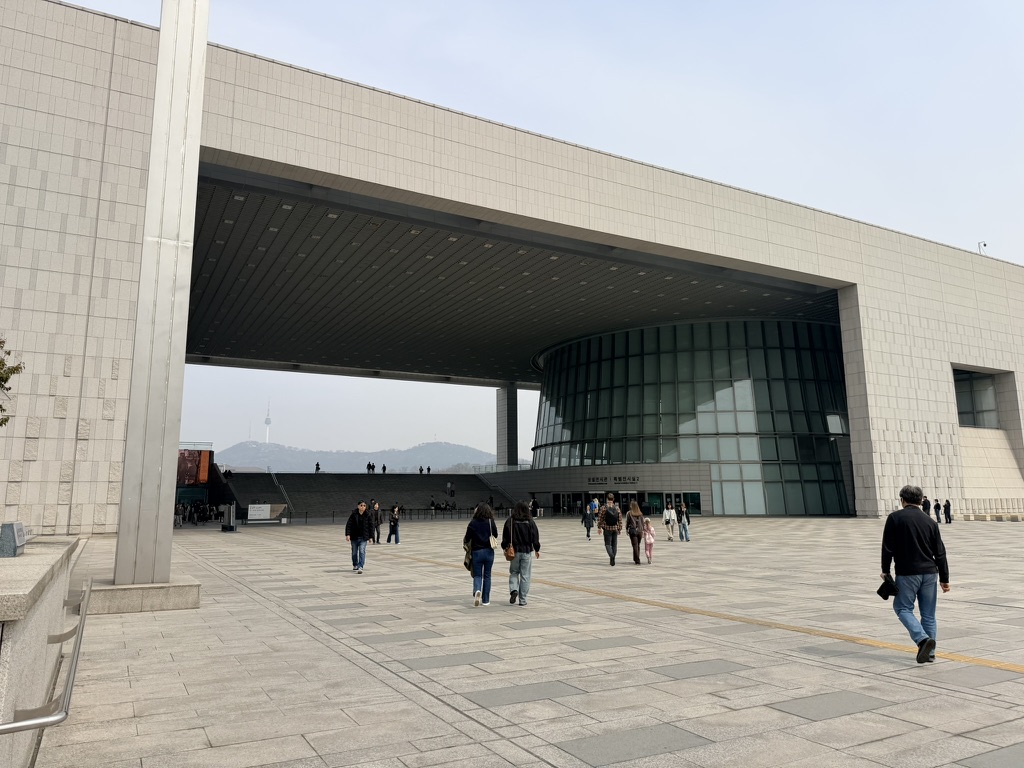
The National Museum of Korea (국립중앙박물관) in Yongsan is one of the largest museums in Asia — six floors, 340,000+ artefacts, and permanent galleries covering Korean history from the Paleolithic era through the Joseon dynasty. The scale is genuinely impressive. If you have watched historical K-Dramas like Kingdom, Mr. Sunshine, or Jewel in the Palace, you will recognise the celadon pottery, bronze mirrors, and royal regalia displayed here as the real objects behind those production design recreations.
- Admission: Permanent galleries free; temporary exhibitions may charge ₩3,000–10,000
- Hours: Tue–Fri & Sun 10:00–18:00, Sat 10:00–21:00, Mon closed
- Getting there: Ichon Station (Line 4 / Jungang Line, Exit 2) — museum entrance is directly connected via underground walkway
- Must-see: The 10-metre Gyeongcheonsa Pagoda (10층 석탑) in the central hall — the most photographed exhibit in the museum
- Audio guide: Available in English, Japanese, Chinese (₩1,000 rental) — recommended for first-time visitors
- Time needed: 2–3 hours for highlights; full day if you want to be thorough
MMCA Seoul: Modern Art at No Cost
The National Museum of Modern and Contemporary Art Seoul branch (국립현대미술관 서울관, MMCA Seoul) sits inside Gyeongbokgung's outer walls — a dramatic location where a contemporary white museum building meets Joseon-era stone walls and pine trees. The permanent collection is free; major temporary exhibitions are ticketed separately.
- Admission: Permanent collection free; special exhibitions ₩4,000–8,000
- Hours: Tue–Sun 10:00–18:00 (Fri–Sat until 21:00), Mon closed
- Getting there: Gyeongbokgung Station (Line 3, Exit 5), then 10-minute walk through Samcheong-dong
- Highlight: The outdoor sculpture courtyard and the rooftop terrace with Bugaksan mountain views
- Tip: Combine with Gyeongbokgung Palace next door — the palace costs ₩3,000 but the street between them (Samcheong-dong-gil) is free to walk and excellent for cafes
The Jongno Cluster: Three Free Museums in One Trip
The area around Gyeongbokgung and Jongno-gu packs three major free museums within walking distance of each other — this is the most efficient single-day museum route in Seoul.
Seoul Museum of History (서울역사박물관)
The Seoul Museum of History traces the city's transformation from a Joseon-era capital of 200,000 to a 10-million-person megacity in under 100 years. The scale model of Seoul on the ground floor — approximately 20 square metres, showing every building in the city — is extraordinary. The exhibits connect directly to places you will visit during your trip: Gwanghwamun, Cheonggyecheon, the Han River development.
- Admission: Free (all permanent and most temporary exhibitions)
- Hours: Mon–Fri 09:00–20:00, Sat–Sun & holidays 09:00–19:00; closed Tue
- Getting there: Gwanghwamun Station (Line 5, Exit 7), 5-minute walk
National Folk Museum of Korea (국립민속박물관)
Located inside Gyeongbokgung Palace's grounds, the National Folk Museum covers everyday Korean life through the ages — clothing, food preparation, festivals, family rituals, and seasonal customs. This is the best museum in Seoul for understanding the cultural context behind K-Drama domestic scenes: the ondol floor heating, the arrangement of ancestral rites, why characters bow in specific ways. Entry is free when you enter through the Gyeongbokgung palace ticket gate, or free separately via the museum's own entrance on the north side.
- Admission: Free (separate museum entrance on Hyoja-ro)
- Hours: Mar–Oct 09:00–18:00, Nov–Feb 09:00–17:00; closed Tue
- Getting there: Gyeongbokgung Station (Line 3, Exit 5) or enter via palace grounds
Unhyeongung Royal Residence (운현궁)
A smaller, quieter site — the private residence of King Gojong's father, Heungseon Daewongun. Fewer tourists than the major palaces, excellent for photography, and completely free. The traditional architecture and garden are particularly beautiful in autumn and spring.
- Admission: Free
- Hours: Tue–Sun 09:00–19:00 (summer), 09:00–18:00 (winter)
- Getting there: Anguk Station (Line 3, Exit 4), 5-minute walk
War Memorial of Korea: Outdoor Exhibits & Aviation Hall
The War Memorial of Korea (전쟁기념관) in Yongsan is the most visited free museum in Seoul — and one of the most impactful. The outdoor plaza alone is worth the visit: fighter jets, tanks, artillery, naval vessels, and a full-scale recreation of a military bridge are displayed in the open air at no charge. The indoor permanent galleries cover Korean military history from ancient times through the Korean War, providing essential context for dramas like Mr. Sunshine and Descendants of the Sun.
- Admission: Permanent galleries and outdoor exhibits free; special exhibitions may be ticketed
- Hours: Tue–Sun 09:30–18:00 (last entry 17:00), Mon closed
- Getting there: Samgakji Station (Line 4 / Line 6, Exit 12), 1-minute walk
- Outdoor area: Always open during daylight; the outdoor displays alone require 45–60 minutes
- English support: Audio guides and exhibit labels in English throughout
Hidden Free Spots
Beyond the main museum circuit, these locations are free, less crowded, and highly rewarding:
- Cheong Wa Dae (청와대, Blue House): The former presidential residence opened to the public in 2022. Tours of the grounds, the main hall, and the surrounding Bugaksan hiking trails are free — book timed-entry tickets in advance via the official website. Line 3 to Gyeongbokgung Station (Exit 4).
- Starfield Library (별마당 도서관): Inside COEX Mall in Gangnam — a 13-metre-tall open library installation with 50,000+ books arranged in dramatic floor-to-ceiling shelves. Free to enter and sit. Bongeun Temple is a 5-minute walk away (also free entry). Line 2 to Samseong Station (Exit 5).
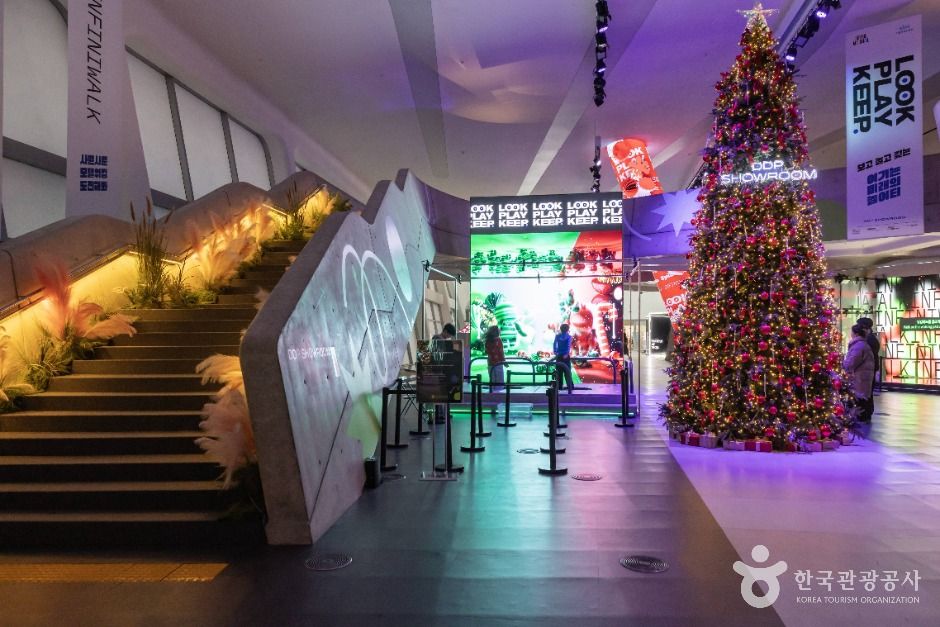
- DDP (Dongdaemun Design Plaza) Exterior: Zaha Hadid's landmark building is free to walk around and photograph. The exterior alone — a curved aluminium surface covering an entire city block — is one of Seoul's most architecturally striking sights. Interior galleries and exhibitions are separately ticketed. Line 2/4/5 to Dongdaemun History & Culture Park Station.
- Seoul Craft Museum (서울공예박물관): A former elementary school in Anguk converted into a craft museum. Permanent collections covering ceramics, textiles, woodwork, and metalwork are free; some temporary exhibitions are ticketed. Anguk Station (Line 3, Exit 1).
Practical Tips: What's Free vs Paid, Best Days to Visit
- Permanent vs temporary: In virtually all Seoul public museums, permanent galleries are free. Special or temporary exhibitions typically cost ₩3,000–10,000 — still significantly cheaper than equivalent institutions abroad.
- Closed days: Most national museums close on Monday. Seoul Museum of History closes on Tuesday. Always verify before visiting.
- Best days: Tuesday through Thursday mornings are the least crowded. Weekends, especially at the National Museum of Korea, can be very busy with school groups and families.
- Combination routes: National Museum of Korea + War Memorial (both in Yongsan, Line 4/6) makes an excellent half-day. Gyeongbokgung + National Folk Museum + Seoul Museum of History + MMCA Seoul covers the Jongno cluster in a full day.
- Storage: All major museums have free coin-operated or staffed lockers — essential if you are carrying a day pack.
- For more on getting between these spots: See our Korea Transportation Guide for subway navigation tips.
- Going deeper on the palaces: See our Gyeongbokgung Palace guide for a full visit itinerary around the museum cluster.
Best Free Museums & Attractions in Seoul — Ranked Picks
The sections above give you the full breakdown of each venue. This quick-reference list ranks the top free spots by visitor impact — one line on why it is worth your time, the area it sits in, and the nearest subway exit — so you can plan a day at a glance without cross-referencing multiple tabs. All venues below have zero admission for their core experience.
Tier 1 — Do Not Miss
- National Museum of Korea — Six floors of Korean history from the Paleolithic era through Joseon; the scale rivals Europe's top nationals with none of the entry fee. Yongsan · Ichon Station (Line 4, Exit 2)
- War Memorial of Korea (전쟁기념관) — Outdoor aircraft park, tanks, and a genuinely moving indoor timeline covering the Korean War; underrated by tourists compared to the NMK. Yongsan · Samgakji Station (Line 4/6, Exit 11 or 12)
- MMCA Seoul (국립현대미술관 서울관) — Contemporary Korean art inside Gyeongbokgung's outer walls; the building and courtyard alone justify the visit. Jongno · Gyeongbokgung Station (Line 3, Exit 5)
Tier 2 — Strong Additions to Any Itinerary
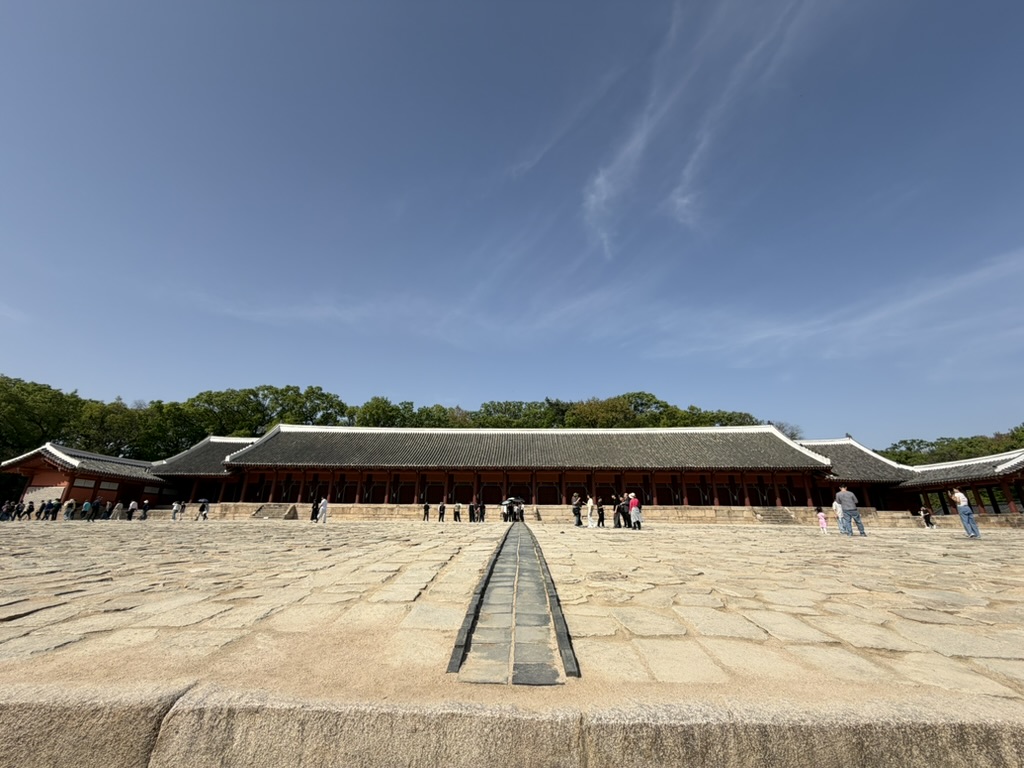
- Gyeonghuigung Palace — One of the Five Grand Palaces and the only one that is completely free; quieter crowds than Gyeongbokgung and adjacent to the Seoul Museum of History (also free). Jongno · City Hall Station (Line 1/2, Exit 1)
- Starfield Library at COEX — Seoul's most-photographed interior: a three-storey bookshelf atrium that functions as a public reading space at no cost. Gangnam · Samseong Station (Line 2, Exit 6)
- Seoul Museum of History (서울역사박물관) — Traces Seoul's transformation from a Joseon walled city to a modern megalopolis; English captions throughout. Free. Jongno · Gwanghwamun Station (Line 5, Exit 7)
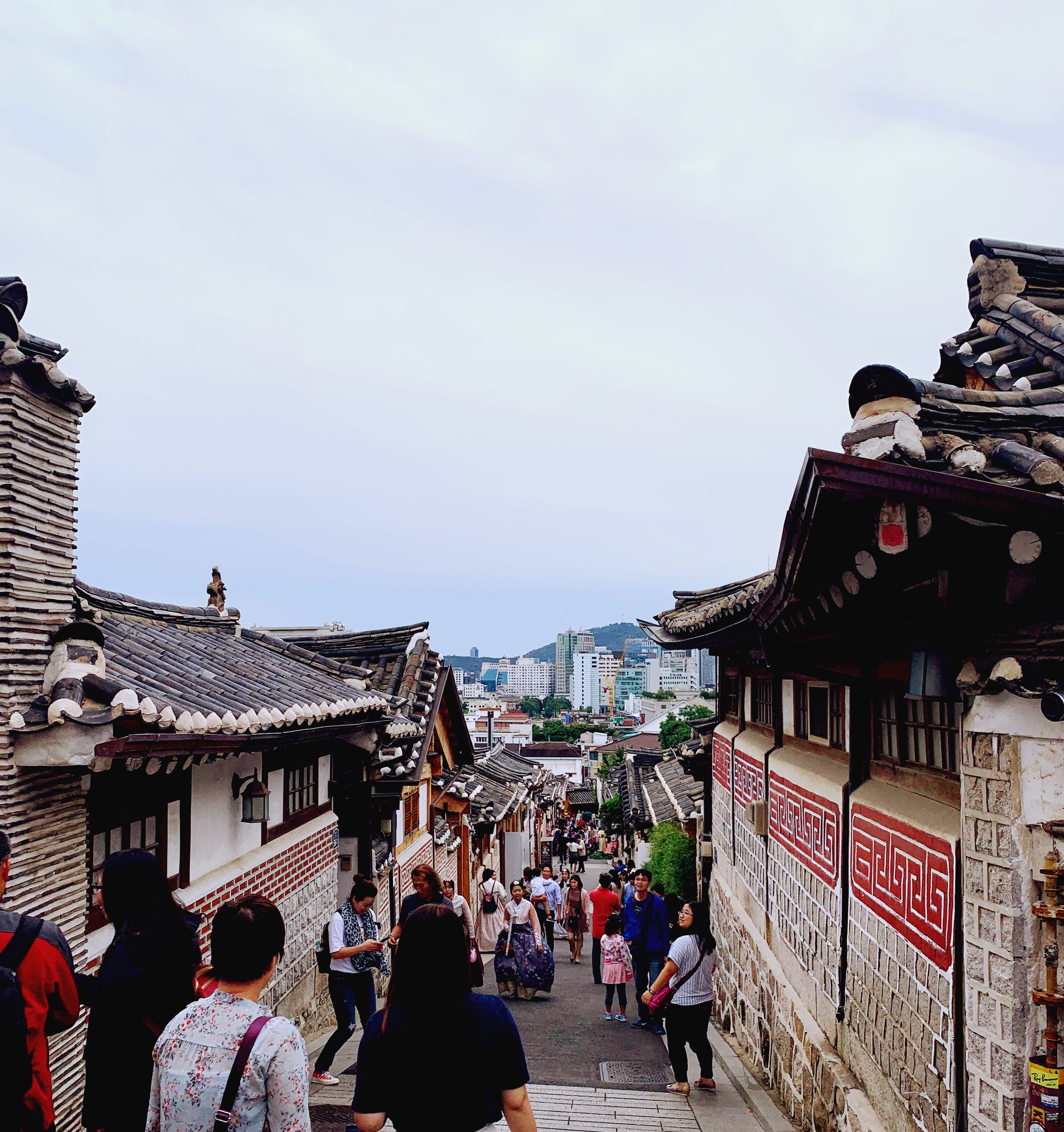
- Bukchon Hanok Village — Strictly an outdoor neighbourhood, not a museum, but it is the highest-density concentration of preserved Joseon-era architecture open to walk through for free; most lanes are accessible dawn to dusk. Jongno · Anguk Station (Line 3, Exit 2)
Tier 3 — Niche Interest but Genuinely Free
- Seoul Forest — 595,000 m² of urban parkland with a resident deer family, wetland boardwalks, and seasonal foliage; closest Seoul equivalent to London's Hyde Park, free year-round. Seongdong · Seoul Forest Station (Bundang Line, Exit 3)
- National Hangeul Museum (국립한글박물관) — Small but very well-designed exhibition on the creation and evolution of the Korean alphabet; immediately next to the National Museum of Korea, making it a natural add-on. Free. Yongsan · Ichon Station (Line 4, Exit 2)
- Cheonggyecheon Stream (청계천) — The 5.8 km restored urban waterway running through central Seoul is free to walk end-to-end; especially scenic on weekend evenings when the lantern installations are lit. Jung-gu · Gwanggyo Station (Line 1/2, Exit 5)
For transport between these clusters, see our Korea Transportation Guide — all of the above are reachable on the T-money card without transfers costing more than ₩1,500 per leg.