Find It on the Map
South Korea's largest museum with 420,000+ artifacts spanning 5,000 years. Free admission. Home to National Treasures including the Pensive Bodhisattva and Silla Gold Crown.
From Your Hotel Area
→ National Museum of Korea국립중앙박물관
Why the National Museum of Korea is a Must-Visit
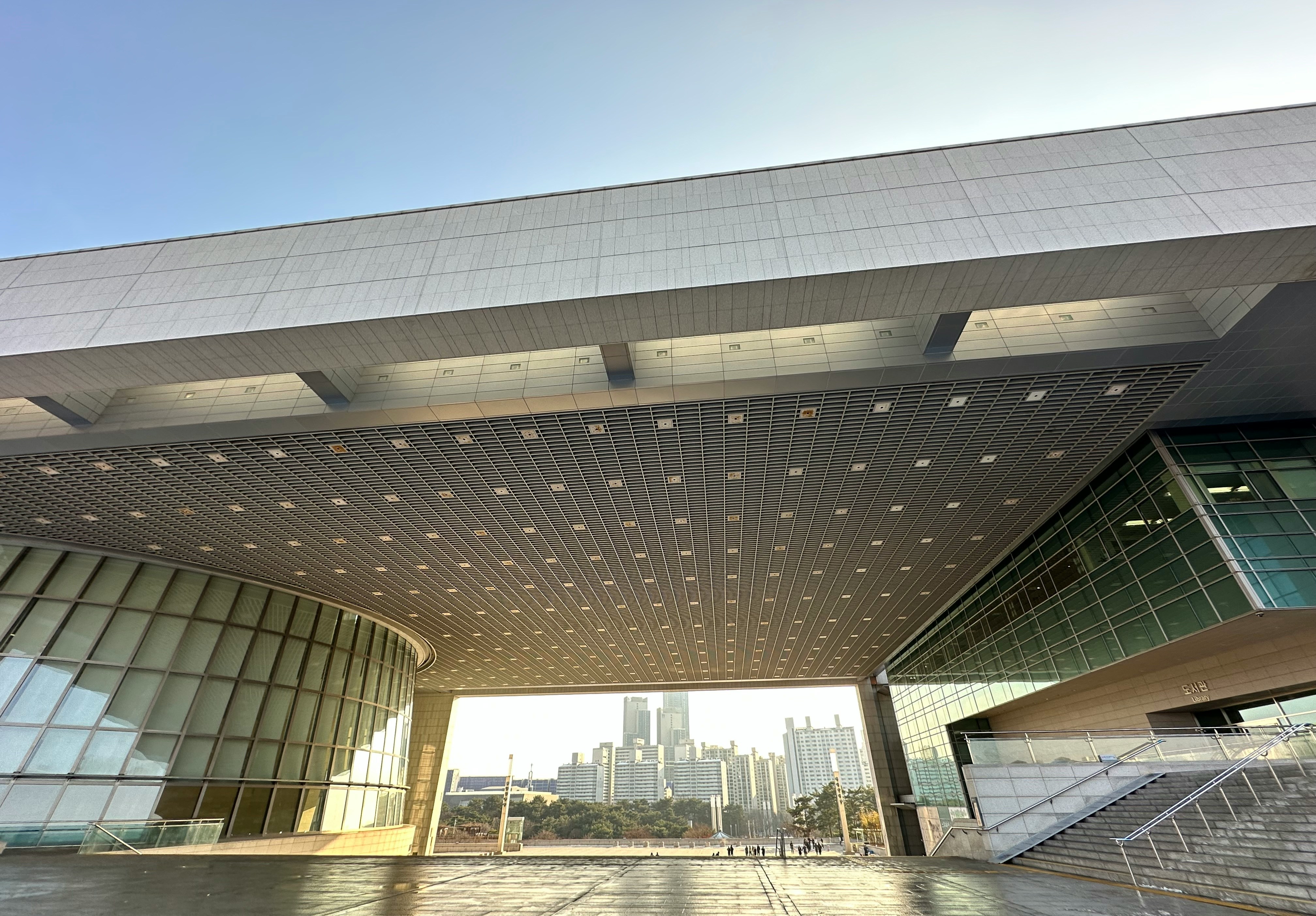
The National Museum of Korea (국립중앙박물관) is the largest museum in all of Asia and the sixth-largest in the world.
Housing over 420,000 artifacts spanning 5,000 years of Korean history, it's the single best place to understand how Korea became the cultural powerhouse it is today.
Located in the lush Yongsan Family Park in central Seoul, the museum draws over 3 million visitors annually.
Whether you're a history enthusiast, an art lover, or a K-culture fan curious about the ancient roots behind modern Korean pop culture, this museum delivers an unforgettable experience.
History of the Museum
The National Museum of Korea was originally established in 1945, right after Korea's liberation from Japanese colonial rule.
Its mission was to reclaim and preserve Korea's cultural heritage that had been scattered and suppressed during the occupation.
The museum moved locations several times — from the former Japanese Government-General Building to Deoksugung Palace, then to Gyeongbokgung.
In 2005, it finally settled into its current purpose-built home in Yongsan, designed by architect Chang-il Kim.
The massive building spans 295,551 square meters, making it one of the largest museum buildings on Earth.
Must-See Masterpieces & Exhibits
With three floors and countless galleries, it's impossible to see everything in one visit. Here are the absolute must-see treasures:
Gilt-bronze Pensive Bodhisattva (반가사유상) — National Treasure No. 83

This is Korea's most iconic artwork — a 6th-century bronze statue of a meditating bodhisattva with one leg crossed and a finger gently touching the cheek.
The serene expression and elegant posture have captivated viewers for 1,500 years. It has its own dedicated room with dramatic lighting that makes it feel almost alive.
Many visitors say this single statue alone is worth the trip to the museum.
Silla Gold Crown (신라 금관) — National Treasure No. 191
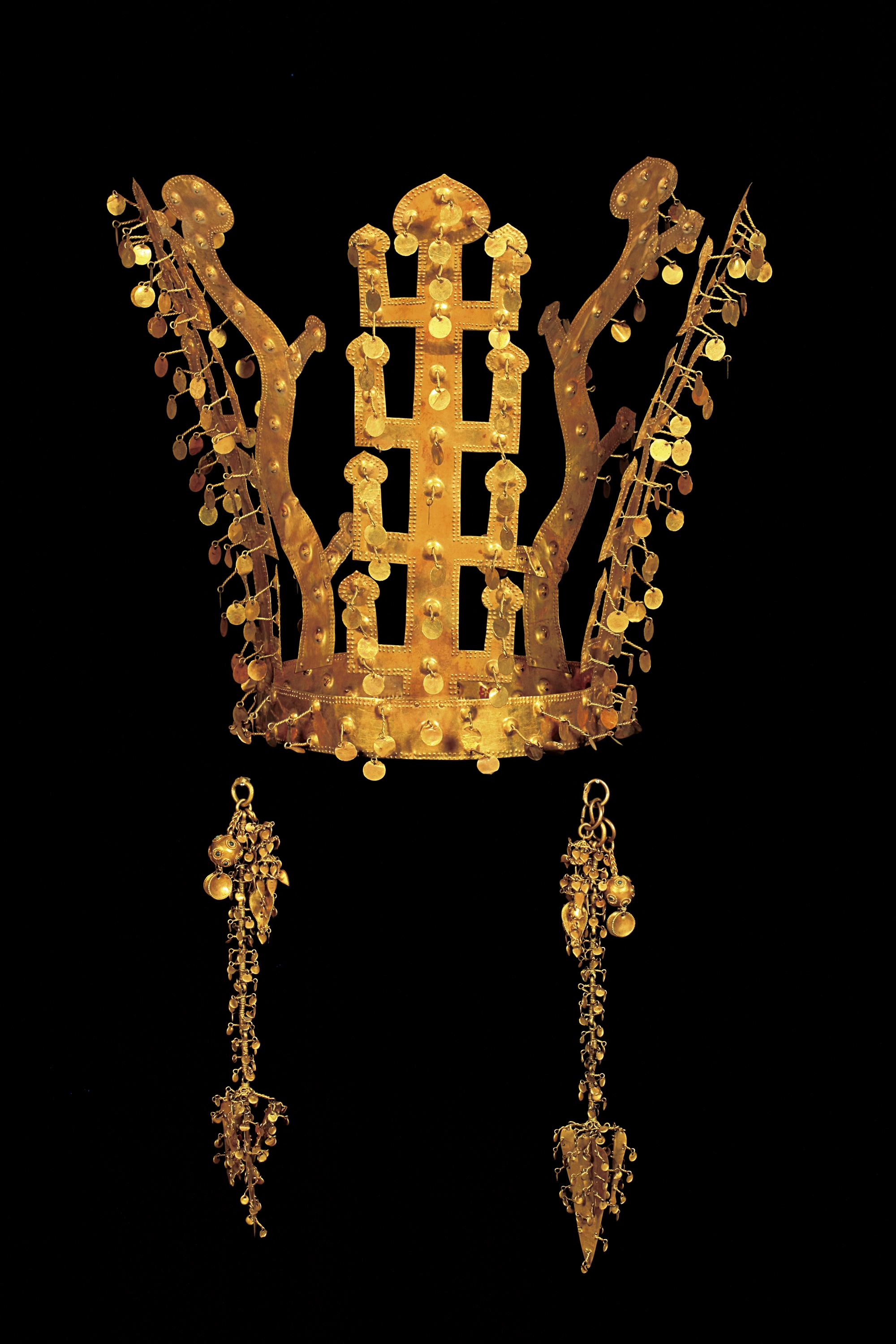
The Silla Kingdom (57 BC – 935 AD) was famous for its extraordinary goldwork. This crown, excavated from the Hwangnam Grand Tomb, features tree-shaped uprights and dangling jade ornaments.
It's a stunning example of how advanced Korean metallurgy was over 1,500 years ago — and it looks like something straight out of a fantasy drama.
Goryeo Celadon (고려청자)
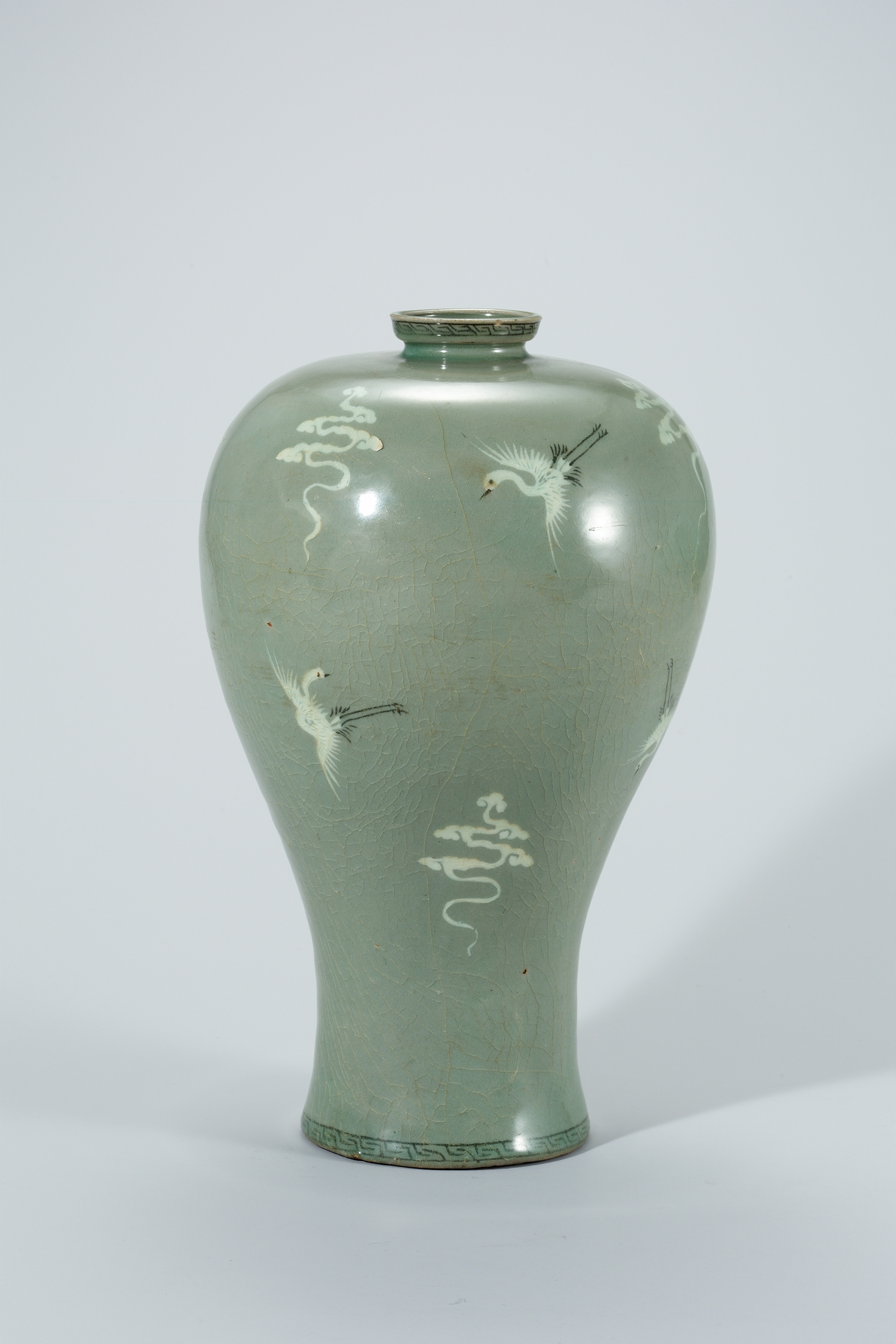
The jade-green celadon pottery of the Goryeo Dynasty (918–1392) is considered one of the finest ceramics ever produced.
The museum has an extensive collection showcasing the signature sanggam (inlay) technique — where designs are carved into the clay and filled with white or black slip before glazing.
Look for the celadon incense burner with its intricate openwork lid.
Ten-story Stone Pagoda of Gyeongcheonsa (경천사 십층석탑) — National Treasure No. 86
This massive 13.5-meter marble pagoda from 1348 dominates the museum's Great Hall. Originally from a temple in Kaesong (now in North Korea), it was illegally taken to Japan in 1907 and returned to Korea in 1918. Each of its ten stories is covered in intricate Buddhist carvings — you could spend an hour just studying the details.
Hunminjeongeum-related Exhibits
The museum features exhibits related to Hunminjeongeum (훈민정음) — the document in which King Sejong the Great introduced the Korean alphabet (Hangul) in 1446. While the original Haerye edition is kept at the Kansong Art Museum, the National Museum provides extensive context about this revolutionary writing system and its impact on Korean culture.
Floor-by-Floor Guide
- 1st Floor — Prehistoric & Ancient History: Stone Age tools, Bronze Age daggers, Three Kingdoms treasures (Goguryeo, Baekje, Silla). This is where you'll find the gold crowns and the Pensive Bodhisattva.
- 2nd Floor — Medieval & Early Modern: Goryeo celadon, Joseon Dynasty paintings and calligraphy, Buddhist art, and the famous porcelain collections.
- 3rd Floor — Sculpture & Crafts: Buddhist sculptures, metalwork, and special exhibition galleries. Also houses the Asian Art Gallery with Chinese and Japanese pieces for comparison.
The Tiger in Korean Art — A K-Pop Connection
For fans of K-Pop Demon Hunters (KDH), the museum holds a special treasure: Korea's incredible tiger art collection.
The tiger (호랑이, horangi) has been Korea's most important symbolic animal for thousands of years — a guardian spirit, a symbol of courage, and a creature that bridges the human and spirit worlds.
Tiger Masterpieces in the Museum
- Magpie and Tiger (호작도, Hojakdo) — A classic Korean folk painting genre showing a tiger with a magpie. Unlike fierce Western depictions, Korean tigers are often shown with humorous, almost human expressions. In Korean folklore, the tiger acts as a messenger between the mortal world and the spirit realm — a concept that directly inspired KDH's storyline.
- Fierce Tiger (맹호도, Maenghodo) — Painted by the Joseon master Sim Sa-jeong (1707–1769), this painting captures the raw power and piercing gaze of a tiger in ink wash. It's considered one of the finest tiger paintings in Korean art history.
- Tiger-shaped Ceramics — Look for tiger-shaped water droppers and incense holders among the Joseon-era crafts. These charming objects show how Koreans lived alongside the image of the tiger in everyday life.
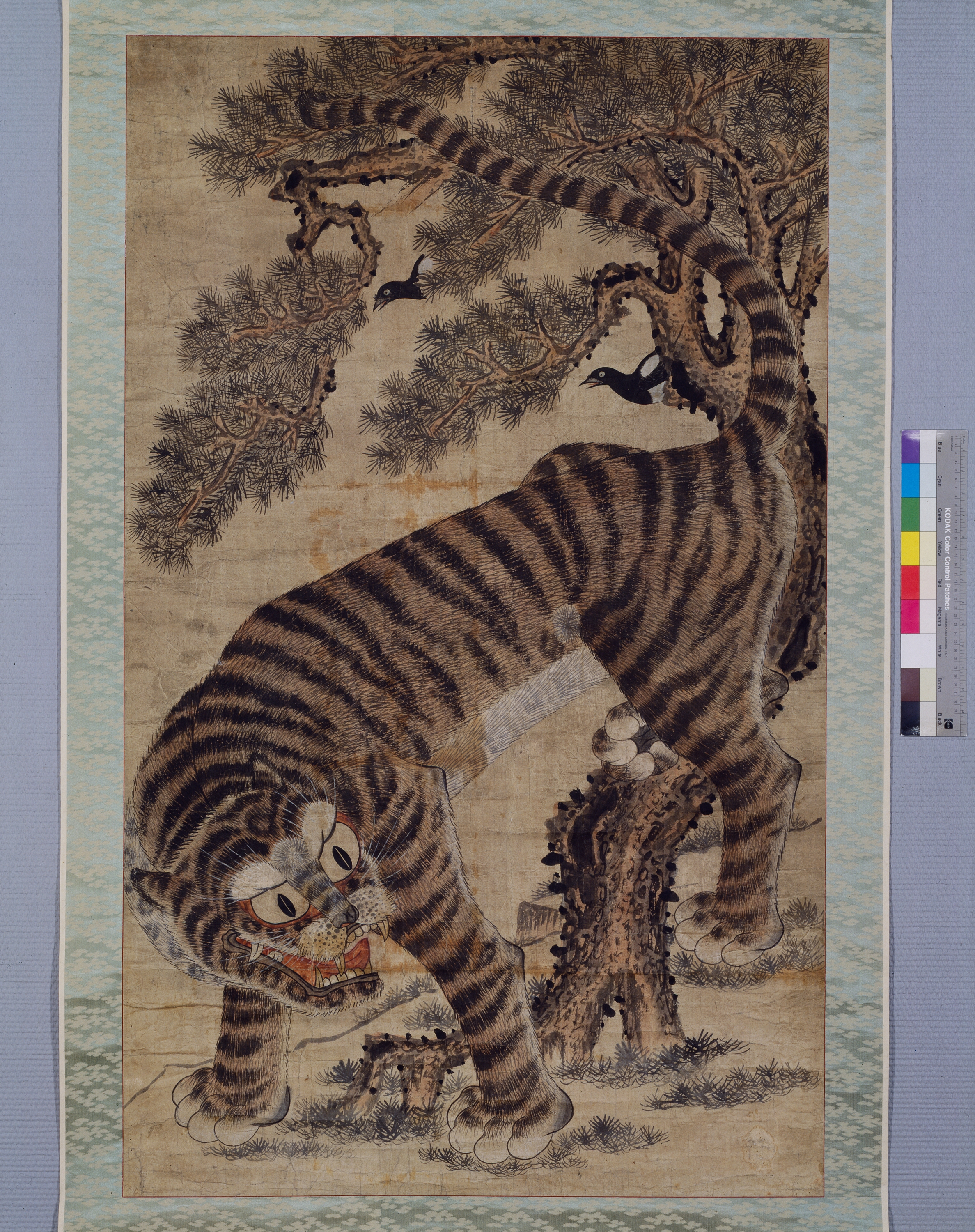
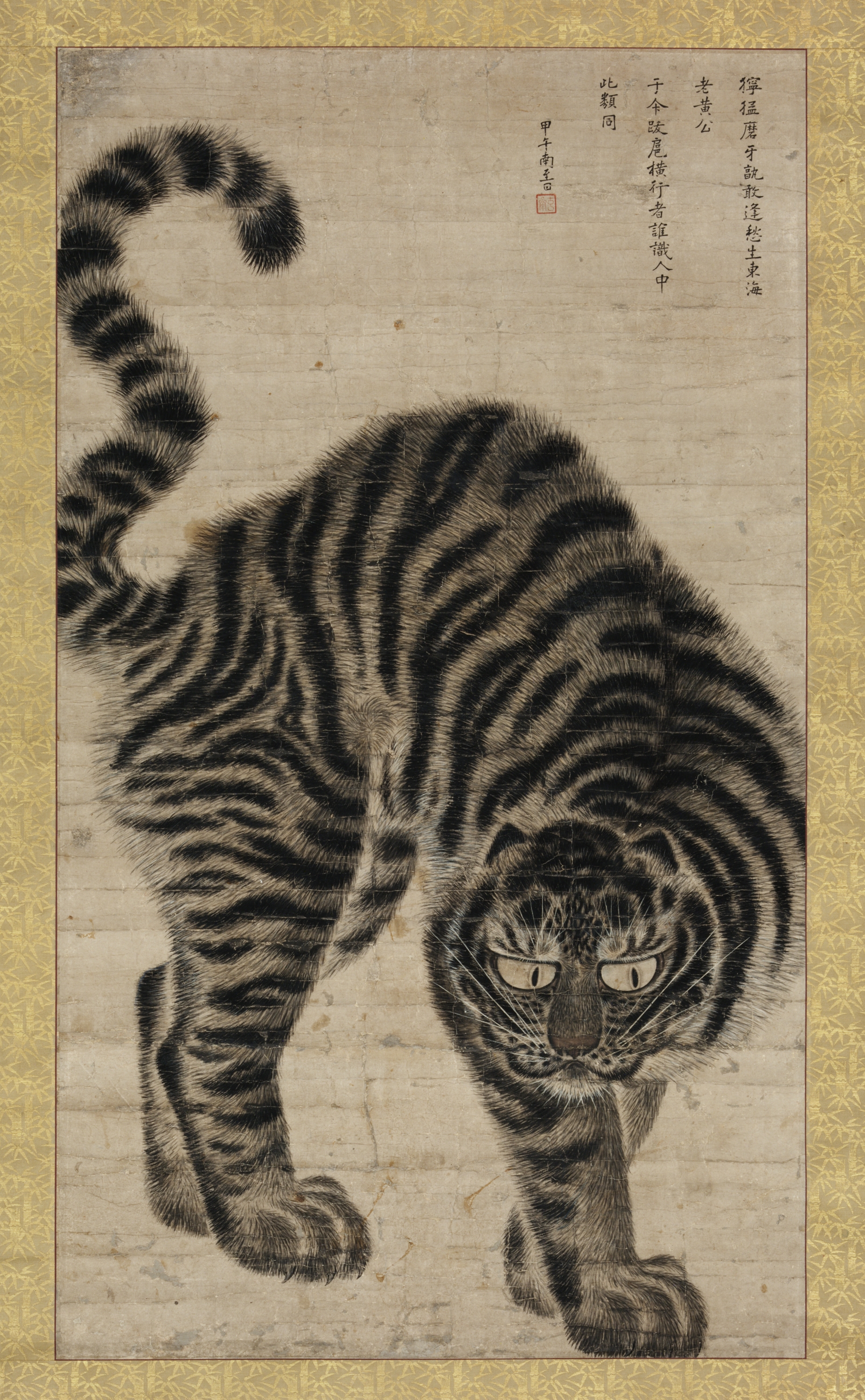
The museum's tiger collection helps explain why the tiger motif resonates so deeply in modern Korean pop culture, from the 1988 Seoul Olympics mascot (Hodori) to contemporary K-drama and K-pop imagery.
Practical Information
Hours & Admission
- Hours: Mon, Tue, Thu, Fri: 10:00 AM – 6:00 PM | Wed & Sat: 10:00 AM – 9:00 PM | Sun: 10:00 AM – 7:00 PM
- Closed: January 1, Seollal (Lunar New Year), Chuseok
- Admission: FREE for permanent exhibitions | Special exhibitions vary (₩5,000–₩15,000)
- Audio Guide: ₩3,000 (available in English, Japanese, Chinese) — highly recommended!
Getting There from Myeongdong
- Subway (Recommended): From Myeongdong Station (Line 4), take Line 4 toward Oido → transfer at Ichon Station (Line 1/Jungang). Take Exit 2, walk 5 minutes through Yongsan Family Park. Total: ~25 minutes.
- Bus: Take Bus 400 or 502 from Myeongdong area. Get off at "National Museum of Korea" stop. Total: ~30 minutes.
- Taxi: ~15 minutes from Myeongdong, approximately ₩6,000–₩8,000.
Address
137 Seobinggo-ro, Yongsan-gu, Seoul (서울 용산구 서빙고로 137)
Phone: 02-2077-9000 | Website: museum.go.kr
Tips for Visitors
- Time Needed: Plan at least 2–3 hours for highlights, or 4–5 hours if you want to explore thoroughly. The museum is enormous!
- Best Route: Start from the 1st floor and work your way up. Hit the Pensive Bodhisattva and Gold Crown rooms first (they get crowded after 2 PM).
- Wednesday & Saturday Evenings: The museum stays open until 9 PM — a perfect evening activity with smaller crowds and beautiful lighting.
- Mirror Pond: Don't skip the outdoor reflecting pool on the south side. It's one of Seoul's most photographed spots, especially at sunset.
- Yongsan Park: The surrounding park is beautiful for a pre- or post-museum stroll. Bring a picnic!
- Children's Museum: If traveling with kids, the separate Children's Museum (also free) has interactive exhibits designed for ages 3–10.
- Gift Shop: The museum shop sells beautiful reproductions of celadon, traditional bookmarks, and art prints — great for souvenirs.
- Nearby: The National Hangeul Museum is right next door (also free!) and worth 30–60 minutes if you're interested in the Korean writing system.
- Photography: Photos allowed in permanent galleries (no flash). Special exhibitions may restrict photography.