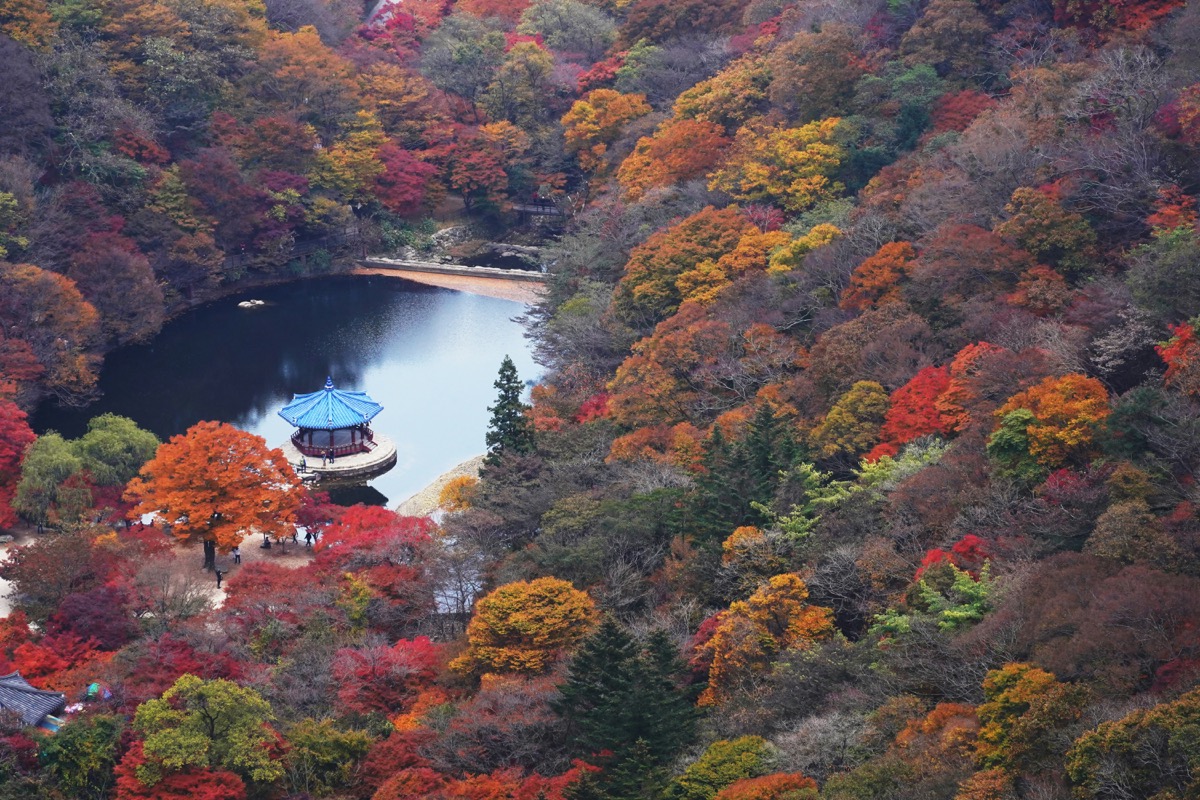
Here is an argument most travel guides miss: Seoul in autumn is better than Seoul in spring. Cherry blossom season is extraordinary, but it is also crowded, short, and increasingly hard to photograph without hundreds of other people in the frame. Autumn foliage lasts four to six weeks, fills entire mountain ranges with colour, turns the palace districts into something from a Joseon-era painting, and attracts a fraction of the spring tourist numbers. If you are planning a Seoul trip in October or November and wondering whether it is worth the timing — it absolutely is. This guide covers the best autumn foliage spots in Seoul, when leaves peak at each location, and how to plan your days for the best colour and the fewest crowds.
When Do Leaves Turn in Seoul?
Seoul's autumn colour season typically runs from mid-October through late November, with different locations peaking at different times depending on altitude and tree species.
- Early colour (mid-October): Mountain peaks — Bukhansan, Dobongsan, Inwangsan — turn first. The upper ridges are already deep red and orange while valley trees are still green.
- Peak colour (late October – early November): Palace districts, Namsan, Seoul Forest, and urban parks reach full colour. This is the most photographed window.
- Late colour (mid-November): Ginkgo trees in Deoksugung Doldam-gil and along university campuses turn golden yellow — a different, equally stunning palette that most visitors miss because they leave too early.
- Haneul Park silver grass (October): The Haneul Park Silver Grass Festival (하늘공원 억새축제) runs annually in mid-to-late October — a hillside covered in silver pampas grass glowing in the afternoon light, with the Han River and city skyline below.
Because timing varies year to year with temperature, checking Korea's forest service foliage forecast (산림청 단풍 예보) in September helps pinpoint the best window for your visit.
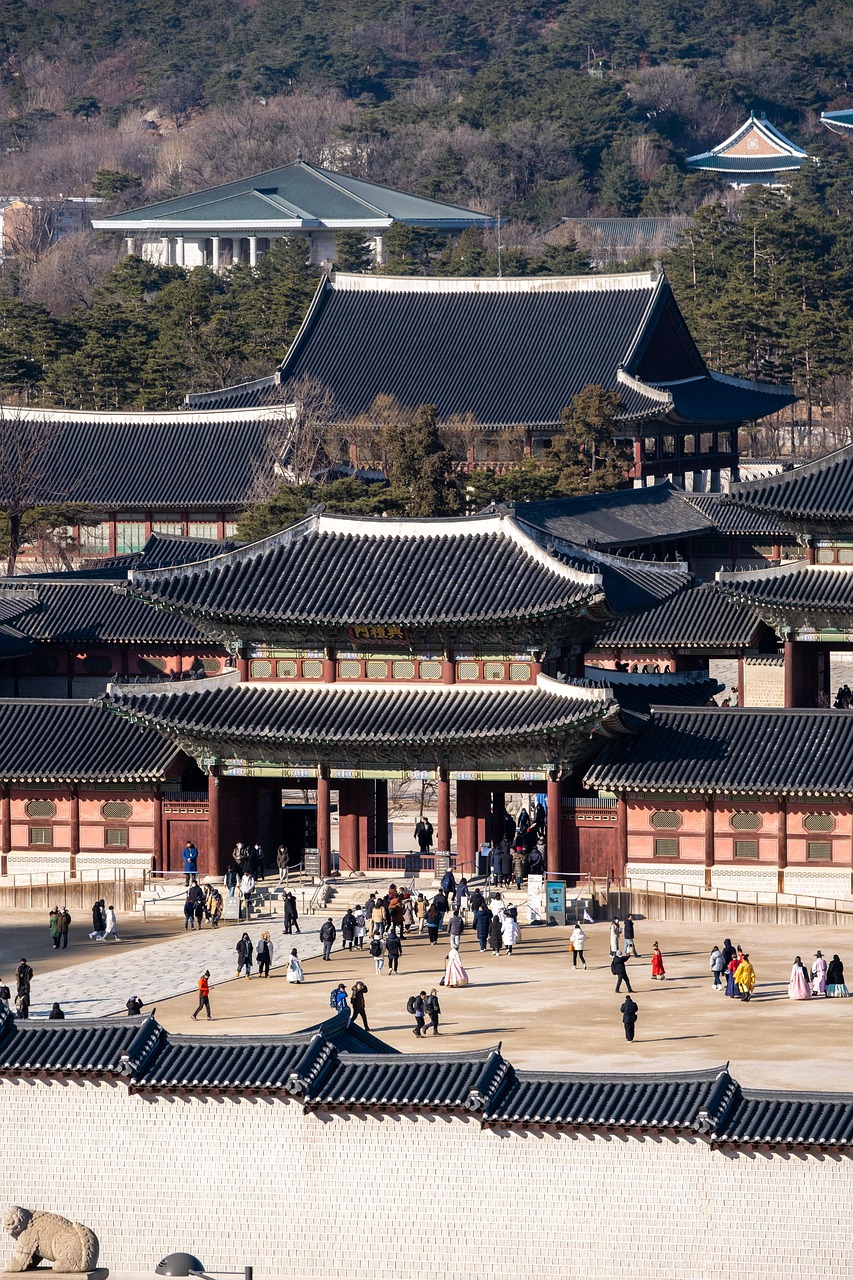
Palace District: Changdeokgung Secret Garden & Deoksugung Doldam-gil
The two best autumn foliage experiences in Seoul are both in the palace district — and they are completely different in character.
Changdeokgung Secret Garden (창덕궁 후원)
The Secret Garden behind Changdeokgung Palace is arguably the most beautiful place in Seoul in autumn. A UNESCO World Heritage Site, the garden was the private retreat of the Joseon royal family — a series of ponds, pavilions, and forested hillsides that turn vivid red, orange, and gold in October and early November. Entry to the Secret Garden requires a separate guided tour ticket (taken in addition to the main palace admission) with limited group sizes, meaning it never feels overcrowded even during peak foliage season.
- Admission: Palace ₩3,000 + Secret Garden tour ₩5,000 (English tours available — check schedule at the Cultural Heritage Administration website)
- Hours: Tue–Sun 09:00–18:30 (last entry varies by season); closed Mon
- Getting there: Anguk Station (Line 3, Exit 3), 5-minute walk to main gate
- Best photo spot: Buyongji Pond (부용지) with the Buyongjeong pavilion reflected in still water surrounded by red maples — come on a calm, windless day for the best reflection
- Booking: Advance ticket purchase via the official palace website (고궁 예매) is strongly recommended during October — tours sell out, especially weekends
- Tip: The autumn special evening tours (야간 특별 관람) open the Secret Garden after dark with lighting — an extraordinary experience requiring early advance booking
Deoksugung Doldam-gil (덕수궁 돌담길)
The stone-wall path running along the outer wall of Deoksugung Palace in Jung-gu is lined with ginkgo trees that turn brilliant yellow in mid-to-late November. This is one of Seoul's most romantic urban walks — a 600-metre path of yellow leaves falling against ancient stone walls, steps from City Hall. The timing is later than maple foliage spots, making it a perfect November destination when other colour has faded.
- Admission: Path is free; Deoksugung Palace entry ₩1,000
- Getting there: City Hall Station (Line 1/2, Exit 2), immediate access
- Best time: Mid-to-late November, afternoon light (the path runs east-west, so afternoon sun lights the yellow leaves from behind)
Bukchon & Samcheong-dong: Hanok Village in Autumn Colors
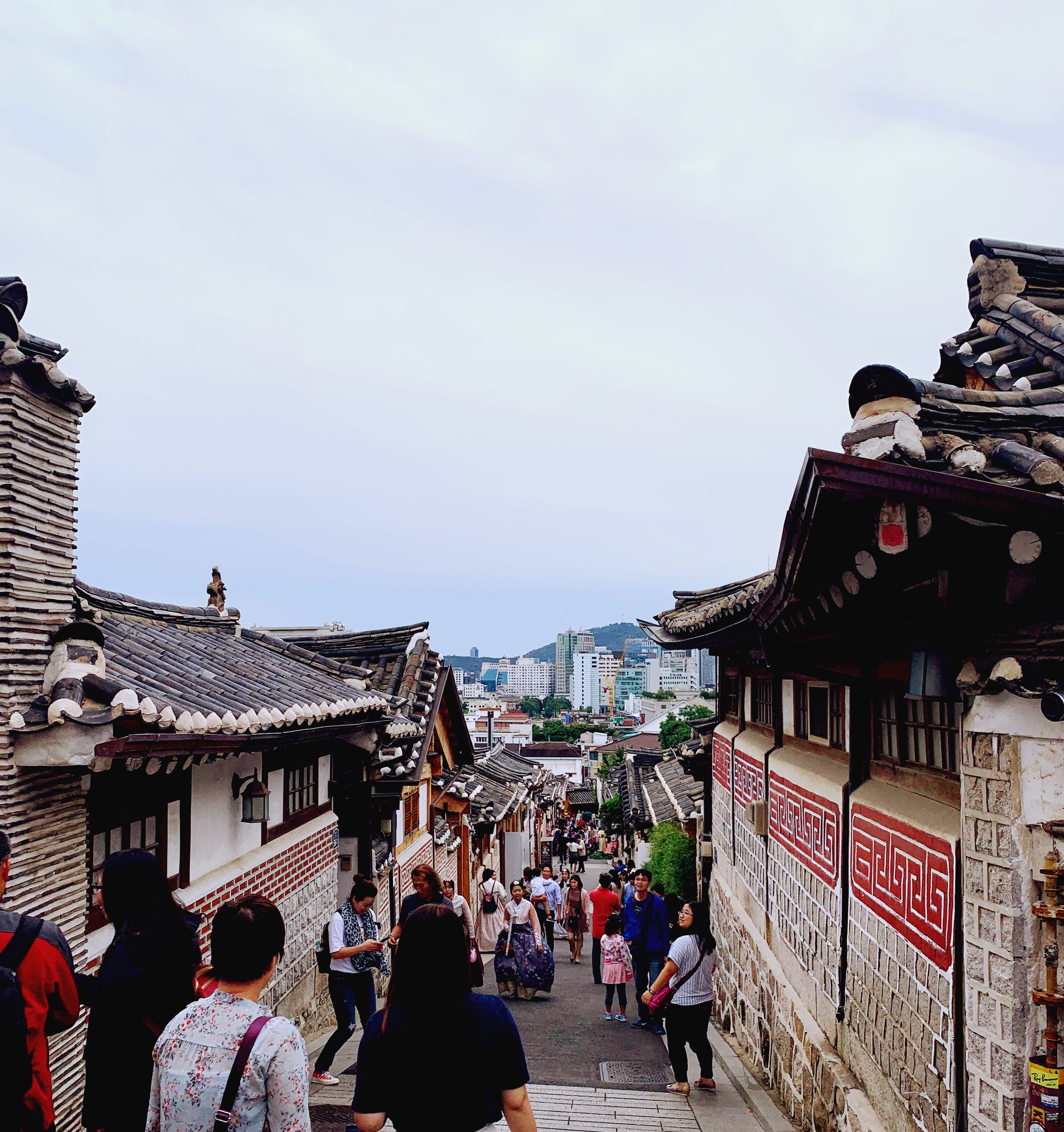
Bukchon Hanok Village's narrow lanes lined with traditional Korean tile-roofed houses take on a different quality in autumn — the reds and golds of maple trees rising above the dark roof tiles create a composition that is distinctly Korean and virtually impossible to photograph badly. The colour here tends to peak in late October.
- Getting there: Anguk Station (Line 3, Exit 2), walk uphill into the village lanes
- Best photo spot: The view from the top of Gahoe-ro 11-gil looking down over the rooftops — the most photographed angle in Bukchon, best at 7–8 AM before crowds arrive
- Samcheong-dong-gil: The street running downhill from Bukchon toward Gyeongbokgung is lined with plane trees and ginkgos that turn yellow in autumn — cafes with floor-to-ceiling windows facing the trees make excellent bases for a slow afternoon
- Note: Bukchon is a residential area. Residents have requested quiet; speaking at normal indoor volume and avoiding early-morning noise is essential
Mountain Trails: Bukhansan, Dobongsan & Bukhansanseong Fortress
Seoul is one of very few major cities in the world with a UNESCO Biosphere Reserve mountain range within its city limits. Bukhansan National Park turns into a mass of autumn colour from mid-to-late October, and hiking its trails during foliage season is genuinely one of the best outdoor experiences available in any Asian city.
Bukhansan (북한산) — Beginner to Intermediate
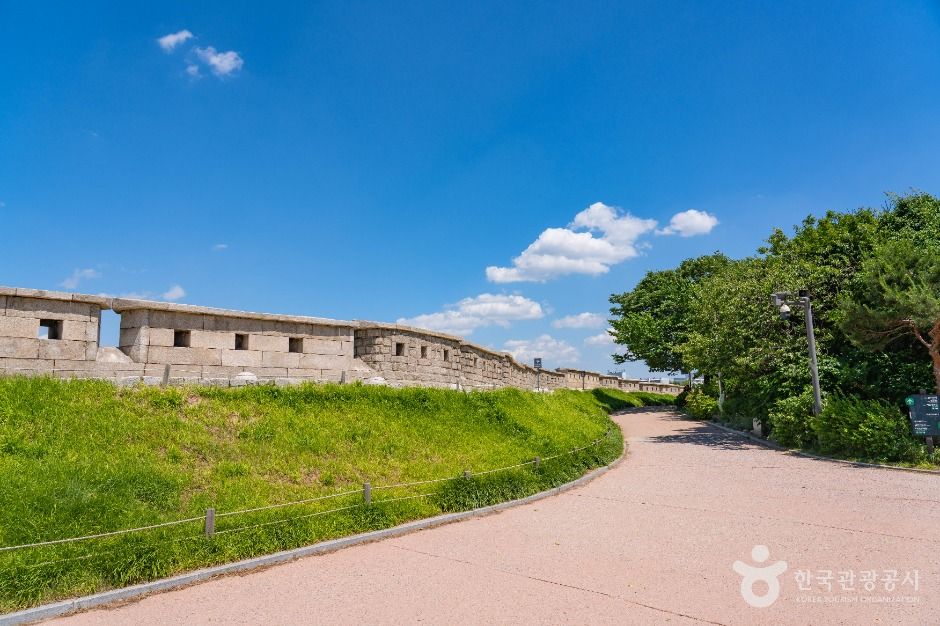
- Recommended trail for foliage: Bukhansanseong Fortress Wall trail from Ui-dong entrance — follows the ancient fortress wall through colour-saturated maple forest with city views from the ridge
- Distance/time: 6–8 km round trip, 3–4 hours at a comfortable pace
- Getting there: Gupabal Station (Line 3, Exit 1) → bus 704 to Bukhansan Ui-dong entrance; or Gireum Station (Line 4, Exit 3) → bus for the Jeongneung entrance
- Tip: Start by 8 AM on weekends — Bukhansan's trailheads fill up quickly during foliage peak
Dobongsan (도봉산) — Less Crowded Alternative
- Character: Rockier and more dramatic than Bukhansan, with dramatic granite ridges rising above autumn forest — slightly less visited, which means better trail conditions on weekends
- Getting there: Dobongsan Station (Line 1/7, Exit 1) — trailhead is a 15-minute walk from the station through a market street
- Best trail: Dobong Valley trail to Mangwolsa Temple — follows a stream through maple forest, excellent colour without requiring a summit climb
Parks & Riverside: Seoul Forest, Namsan & Haneul Park
Seoul Forest (서울숲) — Metasequoia Avenue
Seoul Forest's metasequoia (메타세쿼이아) avenue is one of the most photographed autumn spots in the city — tall, straight trees with feathery reddish-brown foliage lining a straight path, creating a cathedral-like tunnel effect in late October and November. The deer enclosure in the park also attracts families and photographers throughout autumn.
- Getting there: Seoul Forest Station (Bundang Line, Exit 3), 2-minute walk
- Admission: Free
- Best time: Late October for metasequoia colour; morning light hits the avenue from the east
Namsan Seoul Tower Area (남산)
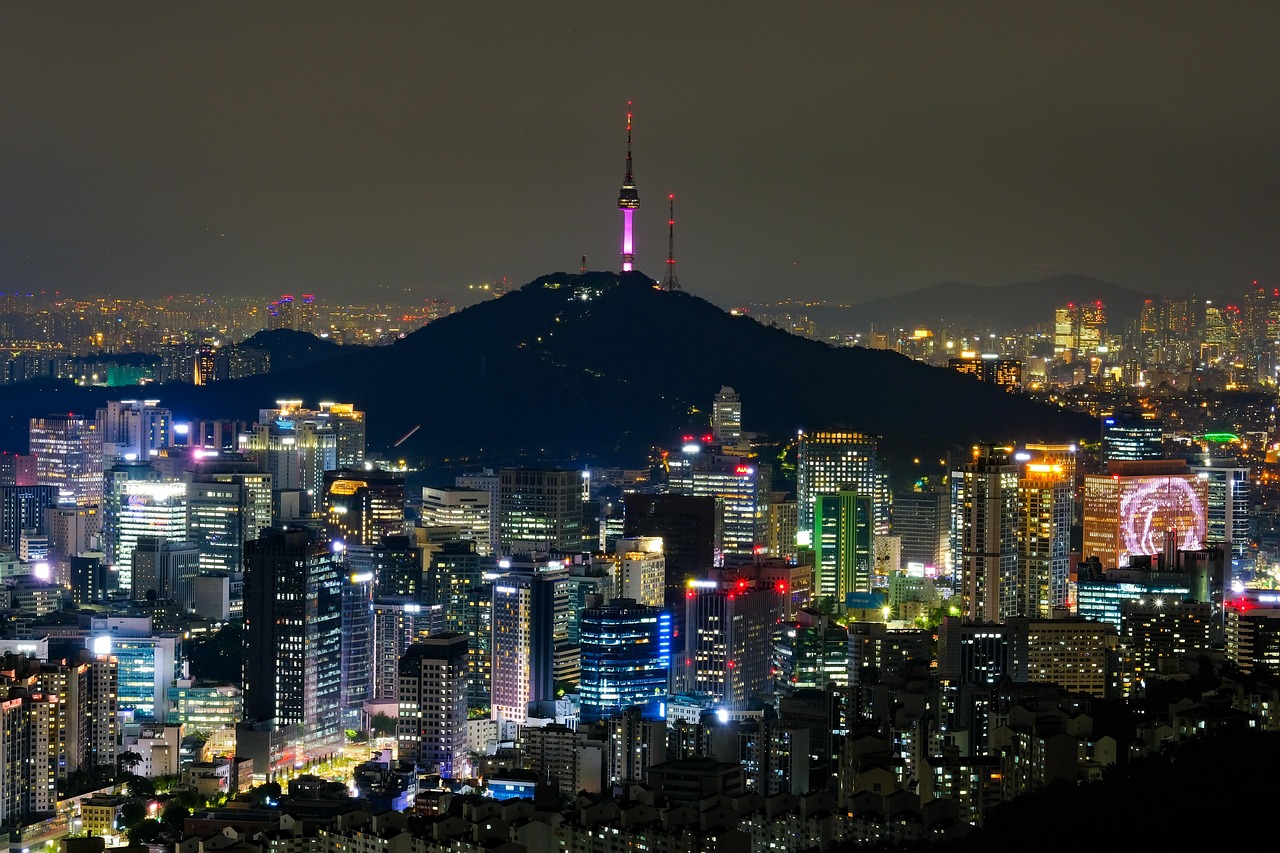
Namsan's forested slopes turn orange and red in mid-to-late October. The walking path from Myeongdong to the cable car station passes through particularly good colour, and the viewpoint at the top of Namsan offers the best panoramic view of autumn colour spreading across the city's hillsides.
- Getting there: Walk from Myeongdong Station (Line 4, Exit 3) uphill ~30 minutes, or take the Namsan cable car from Myeongdong (₩10,500 round trip)
- Admission: Namsan park free; Seoul Tower observation deck ₩16,000
- Best experience: Walk up through the forested path rather than taking the cable car — the autumn colour on the trail itself is the attraction
Haneul Park (하늘공원) — Silver Grass Festival
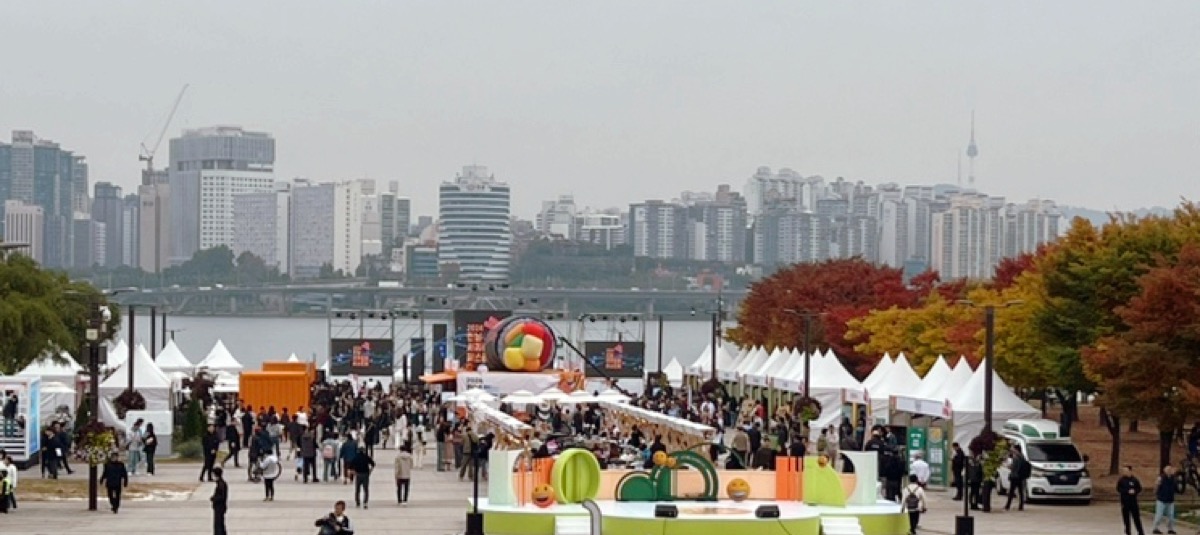
Haneul Park on the former Nanjido landfill site hosts the annual Silver Grass Festival (억새축제) each October — a hillside covered in silver pampas grass that catches afternoon light and glows against the Han River backdrop. The festival typically runs for two to three weeks in mid-to-late October, with food stalls, evening illumination, and weekend performances.
- Getting there: World Cup Stadium Station (Line 6, Exit 1) → 30-minute uphill walk or shuttle bus during festival period
- Admission: Free (festival events may have separately ticketed components)
- Best time: 4–5 PM for afternoon backlight through the grass; sunset views over the Han River are excellent from the summit
Day Trips: Nami Island & Beyond
For those willing to leave Seoul for a day, the surrounding Gyeonggi region offers foliage experiences on a different scale. Nami Island (남이섬) in Gangwon-do — famous as a filming location for Winter Sonata (겨울연가) — is covered in tall metasequoia and ginkgo trees that create dramatic colour corridors in late October. The island is a 1.5-hour journey from Seoul: take the ITX-Cheongchun train from Yongsan to Gapyeong, then a local taxi or bus to the ferry terminal.
- Nami Island admission: ₩16,000 (includes ferry); popular — arrive early or book weekday visits
- Closer alternative: Namhansanseong Fortress (남한산성) in Gyeonggi-do — a hilltop fortress with mountain foliage views, 40 minutes from central Seoul via subway (Line 8 to Sanseong Station)
Photography Tips & Crowd Strategy
- Golden hour is non-negotiable: Autumn foliage photographs best in the hour after sunrise and the hour before sunset. Midday light flattens the colour and washes out the reds.
- Changdeokgung booking first: Secure Secret Garden tour tickets as soon as your travel dates are confirmed — available 30 days in advance, sold out weeks ahead during peak foliage
- Weekday vs weekend: Bukhansan and Bukchon on weekday mornings have a fraction of the weekend crowd. If you have schedule flexibility, Tuesday–Thursday mornings are the sweet spot.
- Layering is essential: October mornings start around 5–10°C and warm to 15–18°C by afternoon. A packable down jacket over lighter layers covers the range.
- Rainy days: Wet leaves on stone paths and dark overcast skies create a moody atmosphere that actually enhances palace and hanok photography — do not cancel plans for light rain
- Transit: All spots in this guide are accessible by Seoul Metro. See our Korea Transportation Guide for navigation and T-money card setup.
- Palace circuit: For a full guide to Changdeokgung's main palace areas beyond the Secret Garden, see our Changdeokgung Palace guide.