Find It on the Map
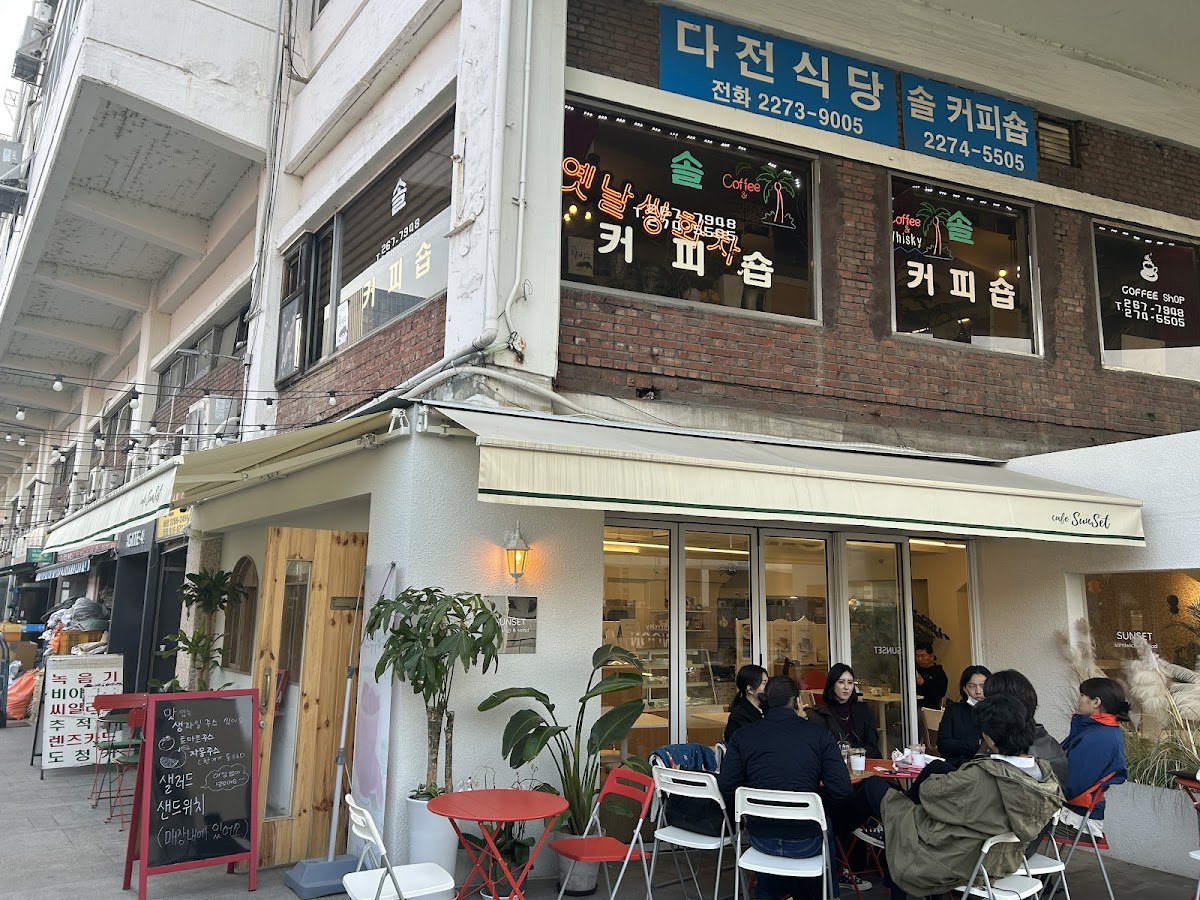
Seoul's retro-industrial neighborhood reborn as a hipster hotspot with hidden bars and vintage noodle shops.
From Your Hotel Area
→ Euljiro을지로
Why Euljiro?
Euljiro is one of Seoul's most exciting food areas. It used to be a zone of print shops and metal workshops. Now it's a hip dining district. Locals call it "Hipjiro."
Unlike Gangnam's polished restaurants, Euljiro feels raw and real. You might find a craft cocktail bar tucked behind a hardware store. That's the charm.
What to Eat in Euljiro
Euljiro Nogari Alley
This alley is full of open-air beer tents. They serve nogari (dried pollack) with cheap draft beer. Office workers and tourists sit together at plastic tables. Most of these spots have been here for 40+ years. It's a uniquely Korean drinking experience.
Euljiro 3-ga Gopchang Street
If you're an adventurous eater, try gopchang near Euljiro 3-ga station. It's grilled intestine cooked over charcoal. The bites are chewy and full of flavor. It's a beloved late-night snack in Korea.
Hidden Cafes & Bars
Euljiro is full of secrets. Behind plain doors and up narrow stairs, you'll find great coffee shops, wine bars, and cocktail spots. Some of Seoul's best baristas work here in old workshop spaces.
Traditional Korean Restaurants
Euljiro has some of Seoul's oldest family-run restaurants. Try kalguksu (knife-cut noodles), jjajangmyeon (black bean noodles), or seolleongtang (ox bone soup). These spots have been feeding locals for decades.
Getting Around
Euljiro 3-ga Station (Lines 2 and 3) and Euljiro 4-ga Station (Line 5) both serve the area. The best way to explore is on foot. Wander the alleys between Euljiro 3-ga and Chungmuro stations.
Best Time to Visit
Euljiro comes alive at night. The nogari alley opens around 5PM. The hidden bars peak from 8PM onwards. Weekday evenings are the most authentic. That's when office workers come to unwind.
Tips for Visitors
- Many bars have no signs. Use Instagram or Naver Map to find them.
- The nogari alley is cash-friendly, but most places accept cards too.
- Myeongdong is one subway stop away. Insadong is a short walk.
- Combine with a visit to Cheonggyecheon Stream for a daytime stroll.
The Story Behind Hipjiro
Ten years ago, Euljiro was primarily known for its industrial supply shops — printing presses, metalwork, sign-making. That identity hasn't disappeared; walk down any side street during daylight hours and you'll still hear the clatter of workshops. What happened is that young Seoul creatives discovered the area's cheap rents and industrial spaces and moved in alongside the old businesses. The result is unlike anything you'll find in Hongdae or Itaewon: a neighborhood where a decades-old hardware store and a specialty natural wine bar share the same alley.
Navigating the Hidden Bars
The most-discussed bars in Euljiro don't announce themselves. The standard format is an unmarked door, often on a second or third floor, with a buzzer or a handwritten note in Korean. This isn't exclusivity for its own sake — it's a hangover from when these spaces were warehouse floors or workshop rooms. Bring your destination saved in Naver Map or Kakao Map rather than Google Maps, which sometimes fails to locate the exact building entrance.
A few reliable entry points: the cluster of bars between Euljiro 3-ga and 4-ga stations along the small alleys parallel to the main road is the densest concentration. Friday evenings between 8PM and 10PM are peak energy without being uncomfortably crowded.
Daytime Euljiro: A Different Experience
The area shifts completely during working hours. The printing shops, electronics suppliers, and lighting stores that gave Euljiro its original character are still open and operating. Walking through during the day is genuinely interesting — you'll pass workshops producing neon signs, wholesale fabric suppliers, and specialty hardware vendors who have been in the same spot for decades. Some of the coffee shops that opened in the area deliberately kept their locations inside old workshop buildings, so the daytime visit has its own character worth experiencing before the evening begins.
Cheonggyecheon Stream Connection
The restored urban stream runs along the northern edge of Euljiro. During the day, the path beside the water is a calm counterpoint to the surrounding streets. Start at Cheonggye Plaza near City Hall and walk east — the further you go, the quieter it gets. Several stairways lead down from street level to the waterway, and the bridges that cross it provide good vantage points for photos looking both directions along the stream.
Combining Euljiro with a Full Day in Central Seoul
Euljiro sits between Myeongdong (one stop south on Line 2) and Gwanghwamun (15 minutes northwest on foot). A practical day plan: morning at Changdeokgung Palace or Gwanghwamun Square, lunch in the hansik restaurants north of City Hall, afternoon walk along Cheonggyecheon Stream into Euljiro, then stay for the evening in the nogari alley and bars. The geographic logic holds — you're moving south and east through the city's historic and cultural layers.
Best Things to Do in Euljiro
Euljiro rewards wandering more than planning. The neighbourhood doesn't perform for visitors the way Myeongdong does — it simply goes about its business, and the best experiences come from noticing what's there. A few categories are worth actively seeking out.
Indie Cafes in Converted Workshops
Several of Euljiro's most talked-about coffee shops occupy former industrial spaces — high ceilings, concrete floors, and equipment that wouldn't look out of place in a factory still sharing room with espresso machines. The aesthetic is genuinely accidental rather than designed: these buildings were workshops first, and the cafes moved into what was available. Look for low-signage storefronts, usually on the ground floor of older buildings along the alleys between Euljiro 3-ga and 4-ga stations. Weekday mornings are calm; weekend afternoons draw long queues.
Print Shops and the Old Industrial Quarter
The printing and manufacturing businesses that made Euljiro's reputation are still operating, and walking through during business hours is more interesting than most tourists expect. The alleys east of Euljiro 4-ga station are dense with specialty suppliers: neon sign fabricators, sheet-metal shops, rubber stamp makers, and wholesale paper distributors. Many have been family-run for three or four decades. You're not buying anything — just walking through the working version of a district that the rest of Seoul forgot to gentrify, and which is better for it.
Vinyl Record Stores
A small cluster of independent record shops has settled into Euljiro's cheaper real estate. These stores lean toward Korean indie, jazz, and older domestic pop that doesn't circulate on streaming platforms. The owners tend to be knowledgeable and happy to talk if you show genuine interest. Even if you're not buying, browsing the bins is a different way to understand Korean music culture than anything you'd find at a mainstream music shop in Hongdae.
Practical Tips for Your Euljiro Visit
- Best time to arrive: Come at 3PM, walk the industrial alleys while the workshops are still running, then transition into evening mode for the nogari tents and bars. You get both versions of the neighbourhood in one visit.
- Navigation: Google Maps is unreliable for pinpointing Euljiro's hidden venues. Save your destinations in Naver Map or Kakao Map before you leave your accommodation — the building entrances are accurately plotted there.
- Cash vs card: The nogari alley tents prefer cash (though many now accept cards). The newer bars and cafes are card-friendly. Bring a mix.
- Dress code: None. The neighbourhood actively resists the polished Gangnam aesthetic. Comfort over presentation is the unspoken rule.
- Language: English menus exist in some cafes but not in the old restaurants or beer tents. Pointing works fine; most owners have dealt with curious visitors for years.
Frequently Asked Questions
Is Euljiro safe to visit at night?
Euljiro is safe for evening and late-night visits. Seoul's overall crime rate is low, and Euljiro's bar district is busy with office workers and young locals throughout the night. The alleys can be dark and slightly disorienting, but that's atmosphere rather than danger. Standard common sense applies — stick to lit areas, keep an eye on your belongings in crowded tents.
How is Euljiro different from Hongdae or Itaewon?
Hongdae is built around university nightlife — loud, young, internationally visible. Itaewon caters explicitly to foreigners and has an international-bar atmosphere. Euljiro is neither: it's a neighbourhood that evolved organically, where the creative bar scene sits inside an active industrial district. The clientele skews Korean, the vibe is lower-key, and the experience of stumbling across an excellent cocktail bar behind a hardware store is genuinely unavailable anywhere else in Seoul.
What should I eat in Euljiro if I only have one hour?
Go straight to the nogari alley near Euljiro 3-ga station. Sit down at one of the open-air plastic-table tents, order a beer and a dried pollack (nogari), and watch the city decompress around you. It costs less than ₩10,000, takes no Korean language skill to navigate, and is one of the most honest windows into how Seoul actually relaxes. If you have a second hour, walk the alleys east for the workshop atmosphere, then find one of the hidden bars for a final drink.