Find It on the Map
Seoul's Brooklyn — a converted industrial district now home to trendy cafes, popup stores, and creative spaces. The hottest neighborhood among Korean millennials.
From Your Hotel Area
→ Seongsu-dong성수동
What Is Seongsu-dong? Seoul's Brooklyn Moment
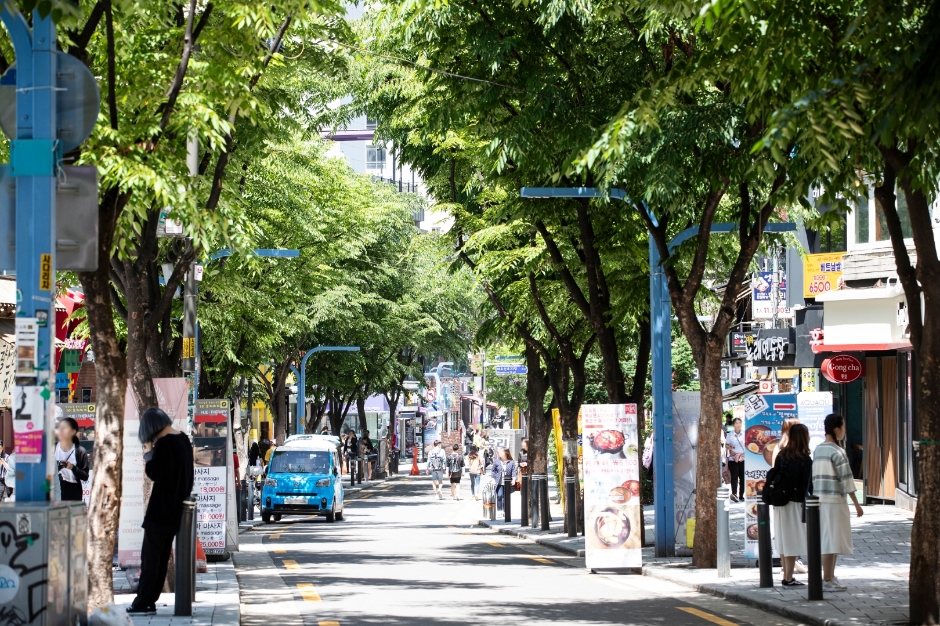
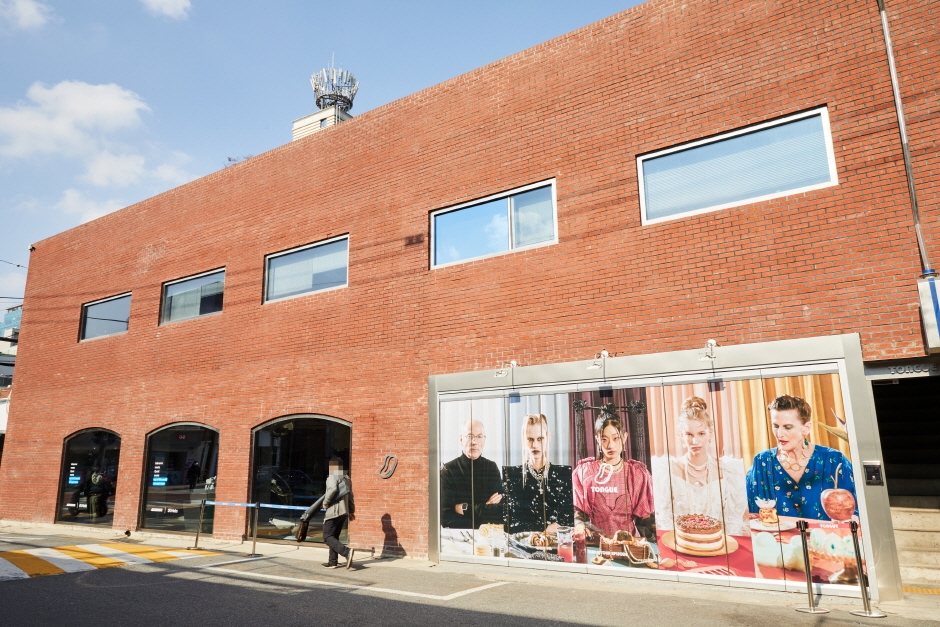
Seongsu-dong (성수동) is the most talked-about neighborhood in Seoul right now. What was once an industrial district full of leather workshops, shoe factories, and printing plants has been transformed — raw brick walls now frame specialty coffee bars, converted warehouses host K-pop pop-up stores, and weekend queues snake out of cult bakeries. Locals call it "Seoul's Brooklyn," and the comparison holds: creative energy, a gritty-chic aesthetic, and a constant sense that something new is about to open. If you want to understand where Seoul's MZ generation spends its free time in 2026, Seongsu-dong is the answer.
Must-Visit Cafes in Seongsu-dong
Seongsu-dong's cafe scene is unlike anywhere else in Seoul. The former factory shells give each space a scale and architectural drama that a normal shopfront never could. These are the standout spots worth a visit on their own.
Onion (어니언)
Onion is the cafe that put Seongsu-dong on the international map. Housed in a decommissioned industrial building, its stripped-back concrete interiors, broken-tile courtyard, and rooftop terrace have been photographed by every major travel outlet covering Seoul. The pandoro bread — buttery, dusted in powdered sugar — sells out by early afternoon on weekends. Arrive before 11 AM if you want both coffee and pastry without a wait. The Anguk branch is newer and more polished, but Seongsu is the original.
- Address: 8 Achasan-ro 11-gil, Seongdong-gu (성동구 아차산로11길 8)
- Hours: Mon–Fri 08:00–22:00, Sat–Sun 10:00–22:00
- Price: Coffee from ₩6,000, pandoro ₩8,500
- Nearest station: Seongsu (Line 2, Exit 3), 8-minute walk
Daelim Warehouse (대림창고)
Daelim Warehouse was the first major cafe to open in a repurposed Seongsu factory and remains the neighborhood's symbolic landmark. The space is vast — a former rice warehouse turned event venue and cafe — with exposed steel beams, raw concrete columns, and a cavernous main hall that still hosts pop-up exhibitions and brand activations. Even if the coffee is secondary to the atmosphere, the sheer scale makes it worth a stop. Photography is encouraged. Weekend evenings bring DJ sets.
- Address: 83 Yeonmujang-gil, Seongdong-gu
- Hours: Daily 11:00–23:00
- Price: Coffee from ₩5,500
Mesh Coffee (메쉬커피)
For serious specialty coffee without the Instagram queue, Mesh Coffee delivers. The space is small and deliberate — polished concrete, minimal decor, expert baristas — and the single-origin pour-overs are among the best in the neighborhood. It draws a local crowd of designers and architects working in nearby studios. A quieter Seongsu experience, ideal for a mid-afternoon break between pop-up visits.
Vintage and Lifestyle Shopping in Seongsu-dong
Seongsu-dong has become Seoul's premier address for indie fashion, vintage finds, and limited-edition lifestyle goods. The concentration of concept stores is now dense enough to fill a full afternoon of browsing.
LCDC Seoul
LCDC Seoul (엘씨디씨 서울) is a multi-brand concept store that doubles as a cultural hub. The building itself — a carefully renovated factory — is as curated as the stock: Korean independent designers sit alongside international streetwear, with rotating art installations changing the atmosphere month to month. It hosts some of the most-attended pop-up launches in the city. Even without buying, it is worth browsing.
Seongsu Yeonbang (성수연방)
Seongsu Yeonbang is a cluster of independent boutiques and studios occupying a converted industrial compound. The layout is labyrinthine — narrow corridors open onto small workshops selling handmade ceramics, plant shops, vintage record stores, and bespoke leather goods (a nod to the neighborhood's craft heritage). Allow at least an hour to explore properly.
Pop-up Culture
Seongsu-dong is the first choice for major brand pop-up activations in Korea. Nike, Gentle Monster, aespa, NewJeans, and Loewe have all launched temporary installations here in recent years. There is no permanent schedule — check the brand's official Instagram or the @seongsu_popup_ aggregator account before your visit to see what is currently running. Timing a visit around an active pop-up transforms the neighborhood into an event.
Street Art and Architecture in Seongsu-dong
The neighborhood's walls are its gallery. The stretch along Yeonmujang-gil and the alleyways behind the main cafe strip carry a rotating collection of large-scale murals, commissioned pieces, and spontaneous street art. Much of it is tied to brand collaborations — Gentle Monster and Tamburins have funded notable installations — but the overall visual density feels organic rather than corporate. The brick-and-corrugated-iron factory exteriors are compelling backdrops in themselves: photograph the buildings, not just the art on them.
Where to Eat Near Seongsu-dong
The food scene in Seongsu-dong leans toward brunch, modern Korean, and upscale casual dining. For a full meal beyond cafes, these are the reliable options in the Seongdong-gu area.
- 명가 (Myeongga): The top-rated restaurant in Seongdong-gu by composite score. Traditional Korean home cooking in a no-frills setting — the kind of place that local office workers return to weekly. Expect hearty jjigae and grilled meats at lunch prices.
- 신당소머리국밥 (Sindang Somerori Gukbap): A specialist gukbap (rice soup) restaurant drawing regulars from across eastern Seoul. Slow-cooked beef head broth, served with rice and kimchi — a properly restorative meal after a long afternoon of walking.
- 묵은지왕솥뚜껑삼겹살 (Mugeunjiwang Sotttukkeong Samgyeopsal): Korean BBQ cooked on a domed iron lid rather than a grill — a regional style that seals in smokiness and renders the fat without charring. Aged kimchi (묵은지) is the essential accompaniment. Order two portions.
For a lighter option, the cafes listed above all serve pastries and light lunch items. Onion's sandwiches and grain bowls are particularly reliable.
Getting to Seongsu-dong
Seongsu-dong is straightforward to reach from central Seoul. Take Seoul Metro Line 2 (the green circular line) to Seongsu Station and exit from Exit 3. From there the main cafe and shopping strip along Yeonmujang-gil begins within a 5-minute walk, with Daelim Warehouse and Onion both reachable on foot within 10 minutes. The neighborhood is compact enough that a car is not useful — and parking is nearly impossible on weekends.
- From Hongdae: Line 2 east, approximately 25 minutes direct.
- From Gangnam (Gangnam Station): Line 2 north then east via City Hall or transfer at Seoul Forest direction — approximately 30 minutes.
- From Myeongdong: Line 4 to Dongdaemun History & Culture Park, then Line 2 east to Seongsu — approximately 30 minutes total.
See the Korea Transportation Guide for T-money card setup and subway navigation tips.
Practical Tips for Visiting Seongsu-dong
- Best day: Weekday afternoons (Tuesday–Thursday) for shorter cafe queues. Weekends between 12:00–16:00 are the busiest period — plan accordingly or arrive before 11:00.
- Time needed: 3–5 hours for a thorough visit including one cafe stop, shopping, and a meal. Half a day is ideal.
- Cash vs. card: Most cafes and shops accept card. A few smaller independent boutiques in Seongsu Yeonbang prefer cash — bring ₩50,000 as backup.
- Comfort: The neighborhood involves significant walking on uneven factory-yard surfaces. Wear comfortable shoes, particularly if you plan to visit multiple buildings.
- Pop-up timing: Major pop-up launches typically run Thursday–Sunday for 2–3 weeks. Check brand social media the week before your visit to avoid missing a limited-run activation.
- Combining with Seoul Forest: Seoul Forest (서울숲) park is a 15-minute walk north of Seongsu Station — an easy addition for an afternoon of green space after the urban exploration.