Find It on the Map
Seoul's signature hanok district between Gyeongbokgung and Changdeokgung, a living museum of traditional alleys and homes.
From Your Hotel Area
→ Bukchon Hanok Village북촌한옥마을
Six Hundred Traditional Houses on a Hill Between Two Palaces
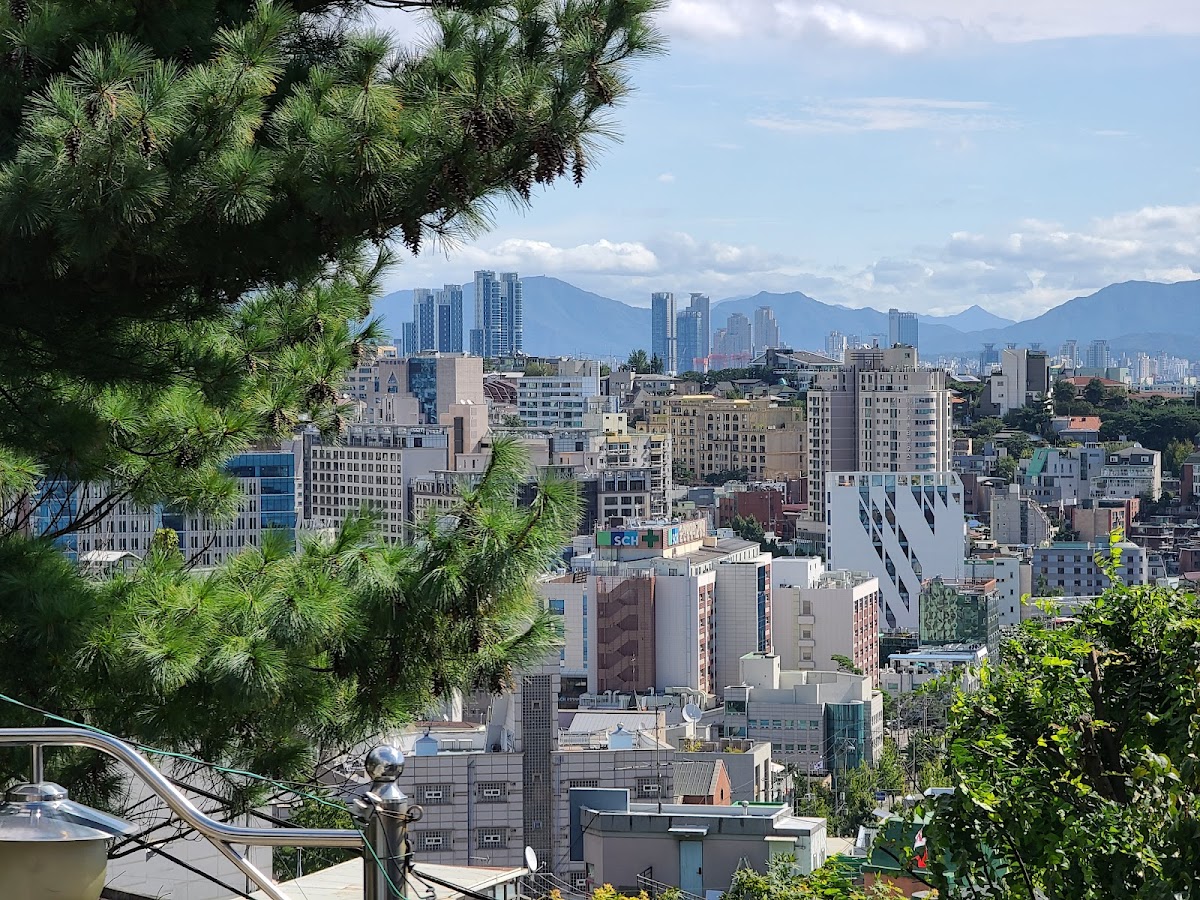
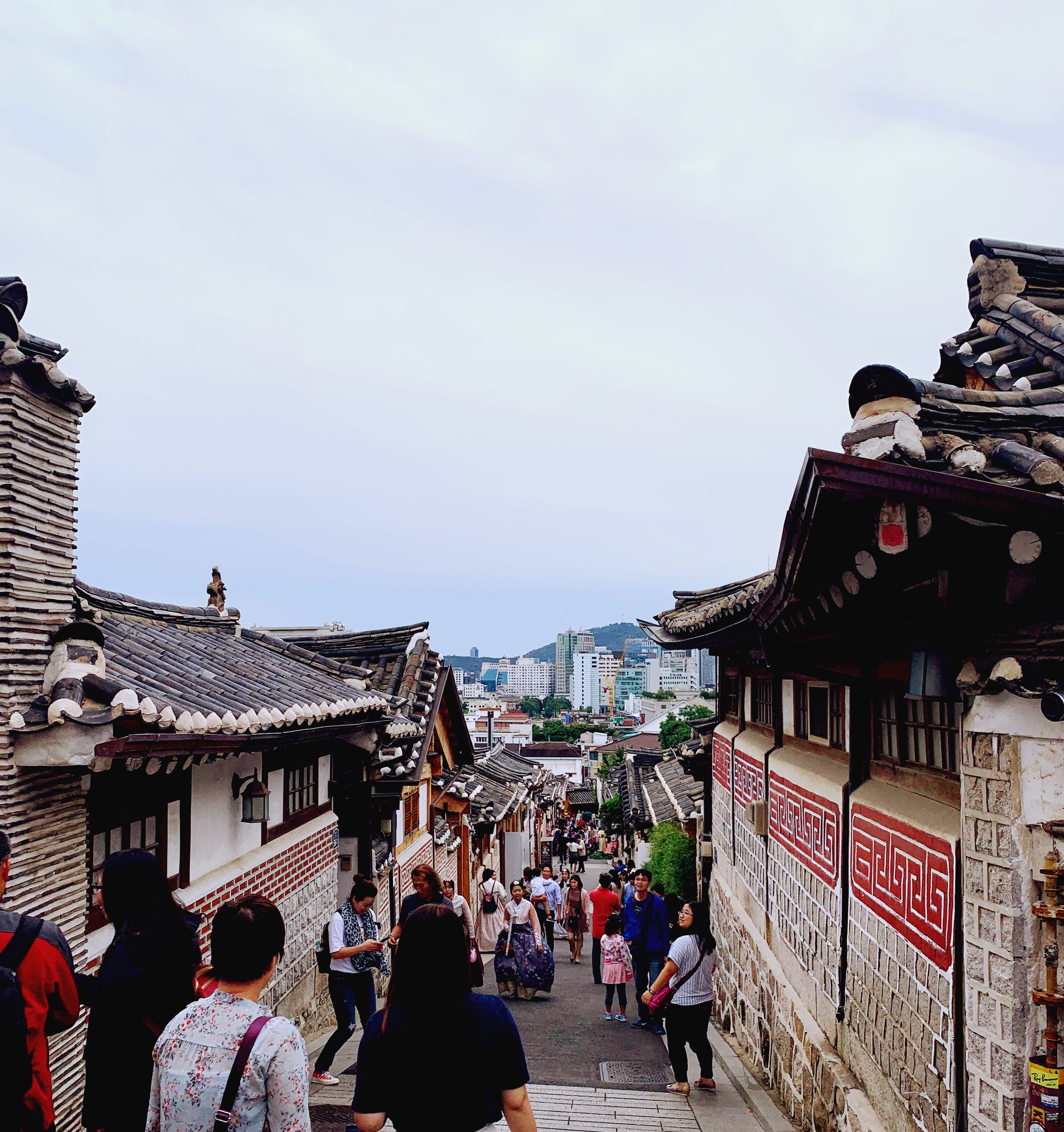
Bukchon Hanok Village (북촌 한옥마을) is the image most people carry of Seoul before they arrive: rows of curved grey-tiled rooftops climbing a hillside, the city skyline visible in the gaps between ancient wooden eaves. The reality, when you get there, is both more beautiful and more complicated than any photo suggests. Bukchon is not a museum. More than 900 families live here. The lanes you are walking are their streets, and the houses you are photographing are their homes. Understanding that tension — between preservation and daily life, between visitor interest and resident privacy — is the key to visiting well.
The village sits on a hill between Gyeongbokgung Palace to the west and Changdeokgung Palace to the east, in what was historically Joseon Dynasty's most prestigious residential district. The hanok here are not recreations. The majority date to the early 20th century, built during the last decades of the Joseon period and the early years of Japanese colonial rule. Their design follows traditional Korean principles — wooden frames, clay-tiled roofs, ondol underfloor heating, interior courtyards — adapted to the urban lot sizes of that era. Walking the upper lanes of Bukchon is, genuinely, walking through architecture that is 100 years old and still in daily use.
The Eight Scenic Viewpoints (Bukchon 8-gyeong)
The Seoul city government has designated eight official viewpoints — Bukchon 8-gyeong (북촌 8경) — distributed across the neighborhood. They range from palace gates to hilltop alleys, and together they form a loose walking route that covers the main character of the area. Not all eight are equally worthwhile for casual visitors; the ones worth prioritizing are listed below.
- Viewpoint 2 — Gahoe-dong Alley (가회동 골목): This is the photograph that made Bukchon famous. A steeply descending stone alley flanked on both sides by hanok walls, with the city visible in the distance below. It is genuinely as striking as it looks in photos. It is also extremely popular. On weekends between 10am and 4pm, there may be 50–100 people in the lane simultaneously. Come before 9am.
- Viewpoint 5 — Gahoe-dong 31 Alley: A narrower lane one block north of Viewpoint 2. Fewer tourists, equally strong composition. The wooden gate of a traditional hanok frames the shot naturally.
- Viewpoint 1 — Changdeokgung Palace Wall: The long stone wall of Changdeokgung, seen from Bukchon-ro. A quieter, more contemplative viewpoint that shows the scale of the royal precinct.
- Viewpoint 6 — Gahoe-dong Haenyeo: One of the lanes where traditional craft workshops operate. Context for what the neighborhood looked and felt like before it became a photo destination.
What to Do
Walk the Neighborhood
The most important thing to do at Bukchon is walk. The designated route from Anguk Station through the main lanes to the upper alleys and back down takes 90 minutes at a comfortable pace. Allow longer if you stop at viewpoints or enter any of the small museums or workshops. The terrain is hilly; comfortable shoes matter. The lanes are mostly stone-paved and can be slippery after rain.
Hanbok Rental
Wearing hanbok (한복) — traditional Korean dress — at Bukchon is one of Seoul's most popular tourist activities, and genuinely worthwhile for the experience rather than just the photos. The architecture and the dress code were designed for the same historical moment. Rental shops cluster on the streets approaching Anguk Station, particularly on Bukchon-ro and the lanes off Changdeok Palace Road. Rentals typically run ₩15,000–25,000 for two hours, including dressing assistance and a locker for your belongings. Book ahead on weekends via Naver or the individual shop websites. Wearing hanbok also grants free admission to Gyeongbokgung, Changdeokgung, and other royal palaces — a useful practical benefit.
Craft Workshops
Several cultural centers in Bukchon offer hands-on workshops in traditional crafts. These run from 30 minutes to half a day and require advance reservation. Common options include hanji (한지) — Korean handmade paper folding and binding; norigae (노리개) — traditional decorative ornament making; and bojagi (보자기) — patchwork textile wrapping. The Bukchon Cultural Center on Gahoe-dong runs some programs in English; most require booking through the Seoul City tourism website.
Traditional Tea Houses
Several tea houses operate in converted hanok throughout the neighborhood. They offer the chance to sit inside an actual traditional house rather than simply photographing the exterior. Korean traditional teas — green tea, barley tea, citron tea, and the medicinal ssanghwa-tang — run ₩8,000–15,000. The experience of sitting on floor cushions, looking at a small courtyard through paper screen windows, is distinct from anything available in a modern cafe.
Etiquette — This Is Someone's Home
Bukchon has an increasingly formal etiquette code, enforced by the Seoul city government after years of resident complaints about noise and privacy invasion. The rules are worth understanding before you arrive, not just because ignoring them is inconsiderate but because violations can result in being asked to leave specific lanes.
- No shouting or loud conversation in residential lanes. Signs throughout the neighborhood request quiet; these are enforced by local monitors on busy days.
- Do not enter private courtyards or doorways unless a gate is clearly marked as open to visitors. Some residents have installed signs in multiple languages explaining this.
- Do not point your camera into the interiors of homes. Shoot the architecture, the skyline, the lanes. Not through people's windows.
- Move quickly through bottleneck points like Viewpoint 2. Stopping to take 40 photos while 30 people wait behind you is the main friction point in the neighborhood.
Getting There
Take Line 3 to Anguk Station and use Exit 2. The main entrance to Bukchon Hanok Village is a 5-minute walk straight ahead up Bukchon-ro. The lane branches into the residential alleys on your left after the first intersection. From Exit 1, you can also walk directly to the Changdeokgung Palace entrance in 3 minutes.
Hours and Admission
- Admission: Free. The village is public street space.
- Hours: No formal opening or closing times. Accessible 24 hours. Seoul city recommends visiting between 10am–5pm; the neighborhood monitor service operates during those hours.
- Quiet hours enforced: The Seoul city government has implemented quiet hours in some lanes. Check current notices at the neighborhood entrance.
- Best time to visit: 8–9am on any day. The lanes are empty, the light is soft from the east, and the quality of the experience is dramatically different from the midday crowd.
Nearby — Build a Full Day
- Gyeongbokgung Palace: 15-minute walk west, or two stops on Line 3. Seoul's grandest royal palace. Combine with a morning Bukchon visit.
- Changdeokgung Palace and Secret Garden: 10-minute walk east from Anguk Station. A UNESCO World Heritage Site with a 78-acre rear garden. Requires timed-entry tickets; book in advance online.
- Insadong (인사동): 10-minute walk south from Anguk Station. Gallery street, traditional craft shops, and the Ssamziegil courtyard. Good for afternoon browsing after Bukchon.
- Samcheong-dong (삼청동): Immediately adjacent to Bukchon on the west side of the hill. Small gallery cafes, boutique design shops, and quieter streets. Natural continuation after walking Bukchon.
Tips for First-Time Visitors
- 8am is a different neighborhood: The difference between Bukchon at 8am and at 11am on a Saturday is not exaggerated. The early morning version — empty lanes, cool air, soft light — is worth the early alarm.
- Wear comfortable shoes: The lanes are steep, stone-paved, and can be slippery in rain or humidity. Avoid heels; even the hanbok rental shops will suggest comfortable footwear underneath.
- Do not rush Viewpoint 2: Take your photo, appreciate the view for a moment, and move on. Lingering creates bottlenecks and frustrates both residents and other visitors.
- Visit Samcheong-dong for the cafe break: The Bukchon lanes themselves have limited food options. Head five minutes downhill to Samcheong-dong for good cafes and small restaurants when you need a rest.
- Spring and autumn are exceptional: Cherry blossoms in early April and ginkgo/maple color in late October–early November transform the neighborhood. These are also the busiest periods; arrive even earlier if you can.