Find It on the Map
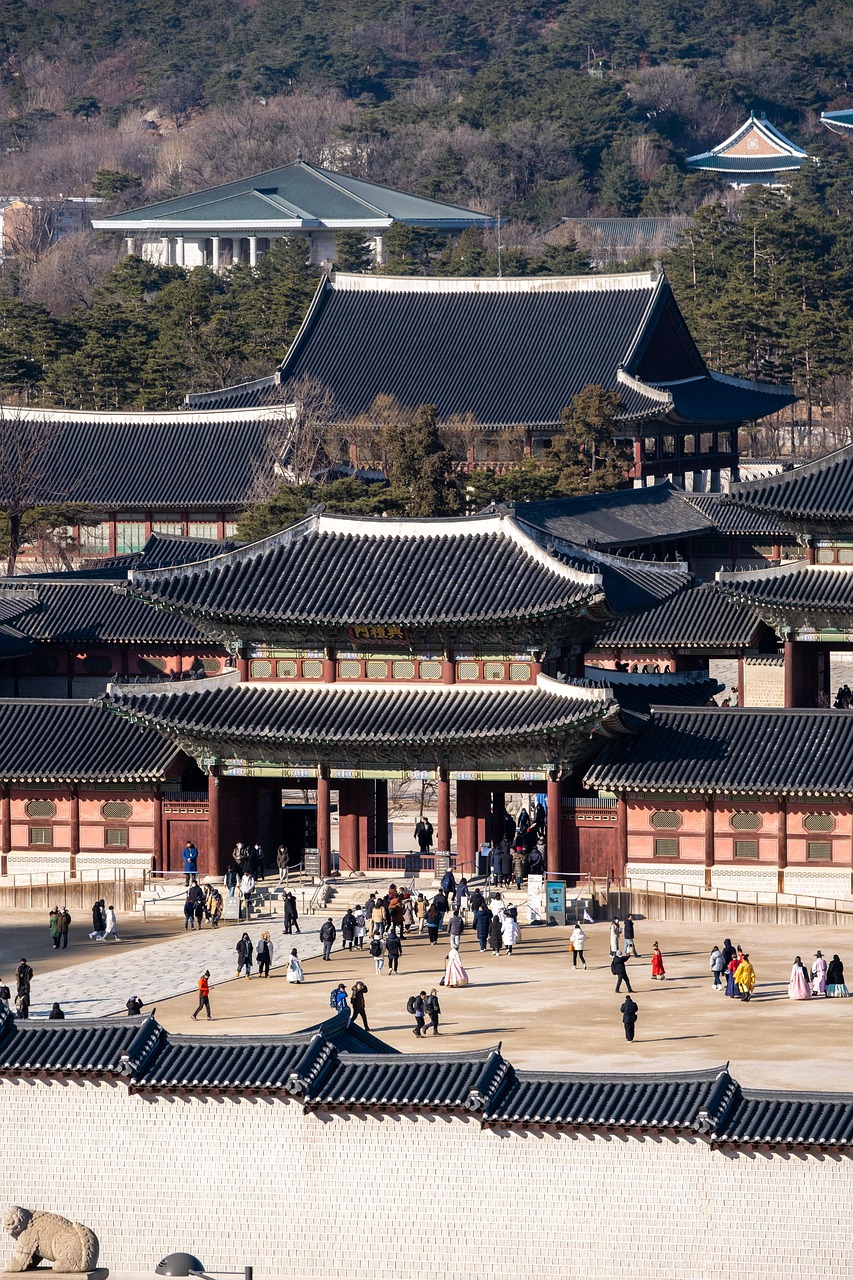
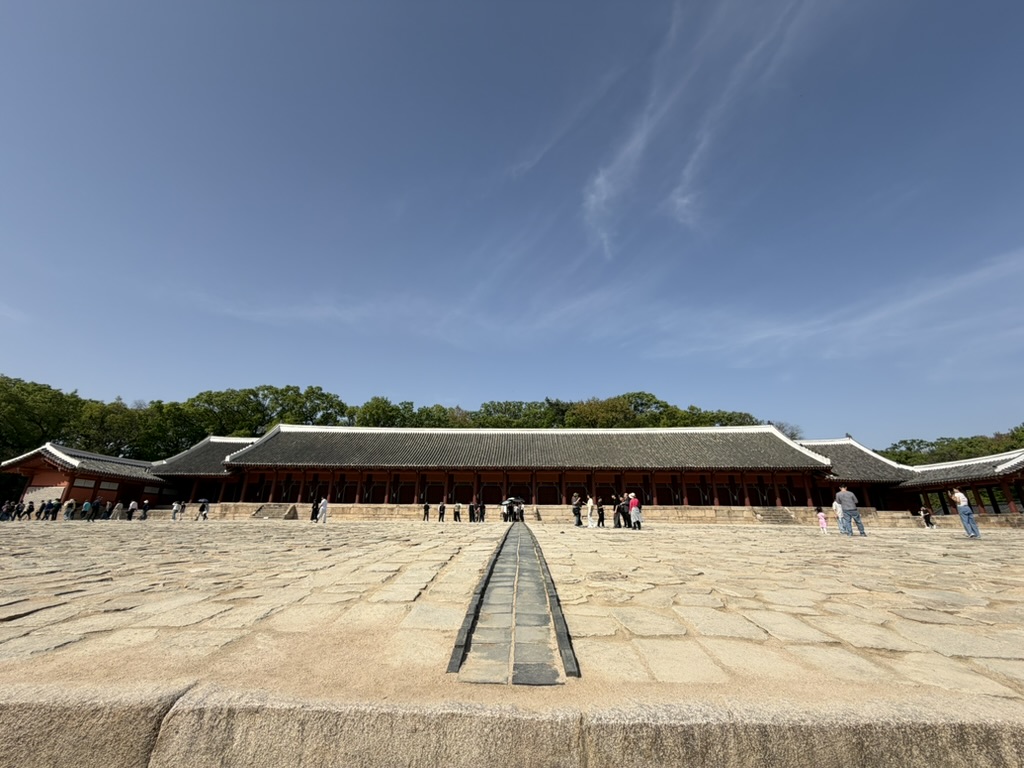
The grand main gate of Gyeongbokgung Palace, first built in 1395 and faithfully restored in 2010 to its original form.
From Your Hotel Area
→ Gwanghwamun광화문
Why Gwanghwamun?
Gwanghwamun is the historic center of Seoul. Gyeongbokgung Palace is to the north. City Hall is to the south. The area is great for dining and history in one visit.
It's one of the best places to try authentic hansik, which is Korean fine dining.
What to Eat Near Gwanghwamun
Traditional Hansik (Korean Course Meals)
Gwanghwamun is Seoul's hansik hub. Restaurants serve multi-course Korean meals. You get seasonal side dishes, grilled fish, Korean pancakes, and rice in stone pots. Many spots have served locals for decades.
Samgyetang (Ginseng Chicken Soup)
Several famous samgyetang spots are near Gwanghwamun. The soup is a whole young chicken stuffed with ginseng and rice. It's rich, warm, and very popular in summer. Koreans call the hot summer days "bok" days — this is the go-to meal.
Sejong Village Food Alley
This alley hides behind the Sejong Arts Center. It's full of cheap Korean lunch sets. Office workers come here every day. Try the lunchbox sets, bibimbap, or hot stew.
Palace-View Cafes
Some cafes near Gwanghwamun have rooftop views of Gyeongbokgung Palace and the mountains behind it. A great spot for tea or coffee after a palace visit.
What to See
- Gwanghwamun Square — Statues of King Sejong and Admiral Yi Sun-sin.
- Gyeongbokgung Palace — Seoul's largest royal palace.
- National Folk Museum — Free entry, inside the palace grounds.
- Cheongwadae (Blue House) — The old presidential home, now open to the public.
Tips
- Lunch is best for hansik. Many spots have lunch-only sets at lower prices.
- Wear hanbok for free palace entry and great photos.
- Insadong is a 10-minute walk away. Bukchon is 15 minutes.
Getting There and Around
Gwanghwamun Station (Line 5, Exit 2) puts you directly in front of the square. Gyeongbokgung Station (Line 3, Exit 5) is better if your first stop is the palace. The two stations are one stop apart — pick your entry point based on where you want to start.
The area is compact and best explored on foot. From the palace's south gate to Cheonggyecheon Stream is about 15 minutes of flat walking through the heart of central Seoul.
Planning Your Day in Gwanghwamun
A good approach: start early at Gyeongbokgung when the crowds are light, walk through the National Folk Museum (free, no ticket needed), then exit through the east gate toward Bukchon for late morning. Come back down toward the square by noon for lunch in Sejong Village alley, then spend the afternoon at Cheongwadae or walking Cheonggyecheon Stream.
Gyeongbokgung Palace: What to Know
The palace opens at 9AM. The changing of the Royal Guard ceremony happens at 10AM and 2PM at Gwanghwamun Gate — it lasts about 20 minutes and is worth catching. Admission is ₩3,000 for adults. Hanbok rental shops cluster around the palace entrances; wearing one gets you in free and makes for better photos along the stone corridors.
Cheongwadae (Blue House)
The former presidential residence opened to the public in 2022 after 74 years of restricted access. The grounds are free to enter and a fascinating walk through Korea's recent political history. The building sits directly against the mountains north of the palace — the views back toward the city from the upper garden are among the best in Seoul.
Cheonggyecheon Stream
The stream was buried under a highway for decades and restored in 2005. It runs east from near City Hall through central Seoul for 5.8 kilometers. The lower walkway beside the water is flat, shaded in summer, and largely free of traffic noise. It's a good way to transition from the historical north side of Gwanghwamun to the livelier streets toward Euljiro.
Insider Dining Tip
The Sejong Village alley behind the arts center gets busy fast — arrive before 12:30PM for a seat without waiting. For samgyetang, the restaurants on the small streets north of Gyeongbokgung have been operating for 30 to 50 years and still attract more locals than tourists. Ask your accommodation for the current best pick, as the neighborhood rotates favorites regularly.
The Gate Itself: A History Worth Knowing
Most visitors walk past Gwanghwamun Gate on the way to the palace without stopping to consider what they're actually looking at. The gate they see today is a faithful reconstruction — but the story of how it needed reconstructing is one of the defining chapters of modern Korean history.
The original gate was built in 1395, one year after Gyeongbokgung Palace was completed. It served as the formal southern entrance to the palace complex for five centuries. During the Japanese colonial period (1910–1945), the colonial government moved the gate 14 meters east to clear space for the Government-General building they constructed directly in front of the palace — a deliberate act of symbolic dominance. The gate was later damaged during the Korean War and sat in various states of disrepair until a major restoration project completed in 2010 returned it to its original alignment and appearance. What stands there now is built from new stone, but on the original axis, facing the mountain as it always should have.
Understanding this makes the gate mean something different when you stand in front of it.
What to See at Gwanghwamun Square
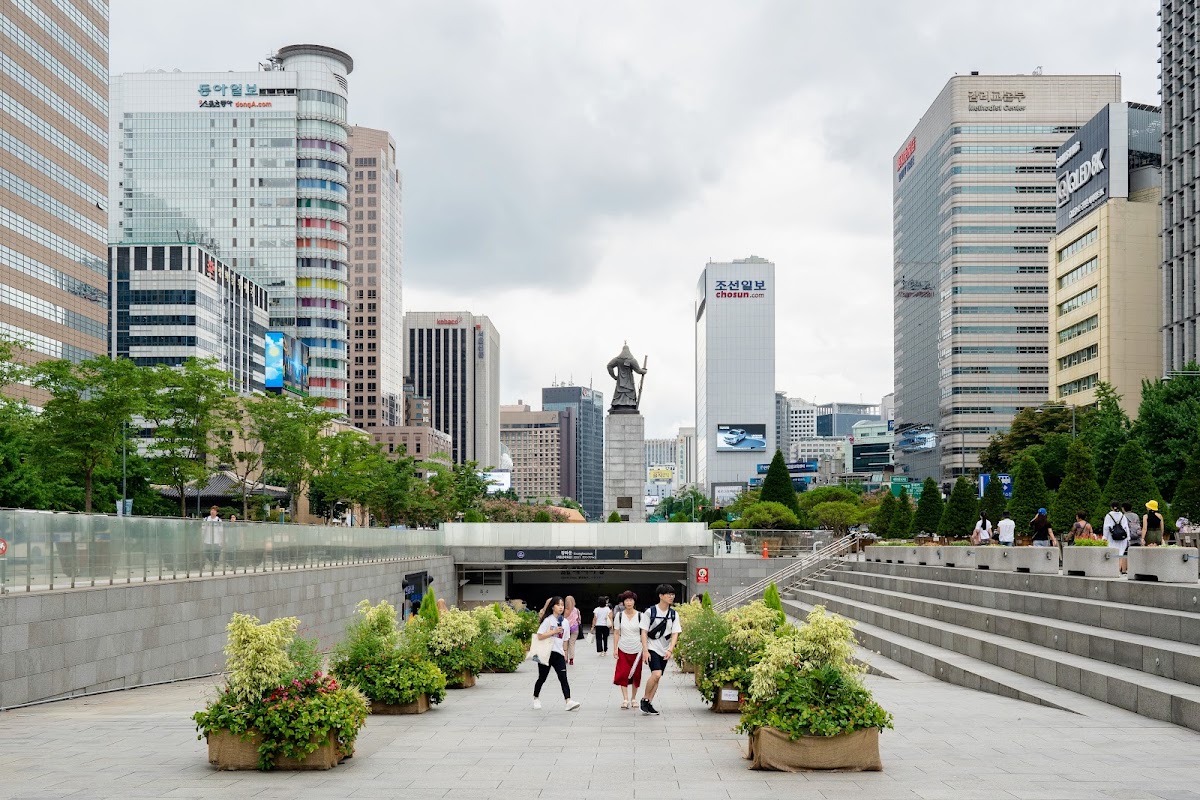
The square stretching south from the gate is one of Seoul's most-photographed public spaces. It was redesigned and reopened in 2022 with wider pedestrian areas and better views of the palace and Bugaksan mountain behind it. Two statues anchor the space:
Admiral Yi Sun-sin
The bronze statue of Admiral Yi Sun-sin (이순신) stands at the northern end of the square, sword raised. Yi commanded the Joseon navy against the Japanese invasions of the 1590s and is credited with victories that are still taught as strategic masterpieces. His statue has stood here since 1968 and is one of the most recognized monuments in Korea. Look for the turtle ship (거북선) model built into the base — the armored warships Yi developed were among the first iron-clad vessels in naval history.
King Sejong the Great
Further south sits King Sejong (세종대왕), the Joseon king who commissioned the creation of Hangul, the Korean writing system, in 1443. The statue was added in 2009. Below it, an underground exhibition space (Sejong Story) tells the history of Hangul and the king's scientific achievements — it's free to enter and worth 20 minutes, especially on hot or rainy days.
Cheonggyecheon Stream
A 10-minute walk south from the square leads to the start of Cheonggyecheon, the urban stream restored in 2005 after being buried under a highway for decades. The lower walkway beside the water is flat, shaded, and largely traffic-free — a surprisingly calm transition between the historical weight of the Gwanghwamun area and the busier streets of Euljiro and Jung-gu beyond.
Seasonal Events
Gwanghwamun Square is one of Seoul's main venues for public celebrations. In autumn, the Seoul Lantern Festival lines Cheonggyecheon with thousands of illuminated paper lanterns depicting scenes from Korean history and culture — usually running for two weeks in November. During Chuseok and Lunar New Year, the area around the palace hosts traditional performances and free cultural activities. Independence Movement Day (March 1) brings commemorations near the square. In summer, evening concerts occasionally use the square as an outdoor stage.
The Royal Guard Changing Ceremony at Gwanghwamun Gate runs at 10AM and 2PM daily (closed Mondays). The 20-minute ceremony with full Joseon-era costume and drumming is one of the more visually compelling free attractions in the city.
Tips for Visiting Gwanghwamun
- Arrive before 9:30AM to see the palace before tour groups arrive. The eastern courtyards are noticeably quieter for the first hour after opening.
- Wear hanbok for free palace admission. Rental shops operate near both Gwanghwamun and Gyeongbokgung stations — sets typically run ₩15,000–20,000 for two to three hours.
- The Sejong Story underground exhibition beneath the Sejong statue is free and air-conditioned. It is a good midday escape in summer.
- Combine with Cheongwadae (Blue House), the former presidential residence opened to visitors in 2022 — free entry, a 15-minute walk north of the palace through the grounds.
- Lunch in Sejong Village alley fills up fast. Arrive before 12:30PM for a seat at the popular Korean set-meal spots.
Frequently Asked Questions
What is the best time to visit Gwanghwamun Gate?
Early morning on a weekday gives you the gate and square largely to yourself. The Royal Guard Ceremony at 10AM is worth planning around. Weekends, especially in tourist season (April–June, September–October), see the square at its most crowded by mid-morning.
Is Gwanghwamun Gate the entrance to Gyeongbokgung Palace?
Yes. Gwanghwamun Gate is the main southern gate of Gyeongbokgung Palace. You pass through it to enter the palace grounds. The ticketing area is just inside. Admission is ₩3,000 for adults; wearing hanbok earns free entry.
What happened to Gwanghwamun during the Japanese colonial period?
During the Japanese colonial period (1910–1945), the gate was moved 14 meters east to make way for the colonial Government-General building. It was damaged further during the Korean War. A full restoration returned it to its original position and alignment in 2010.