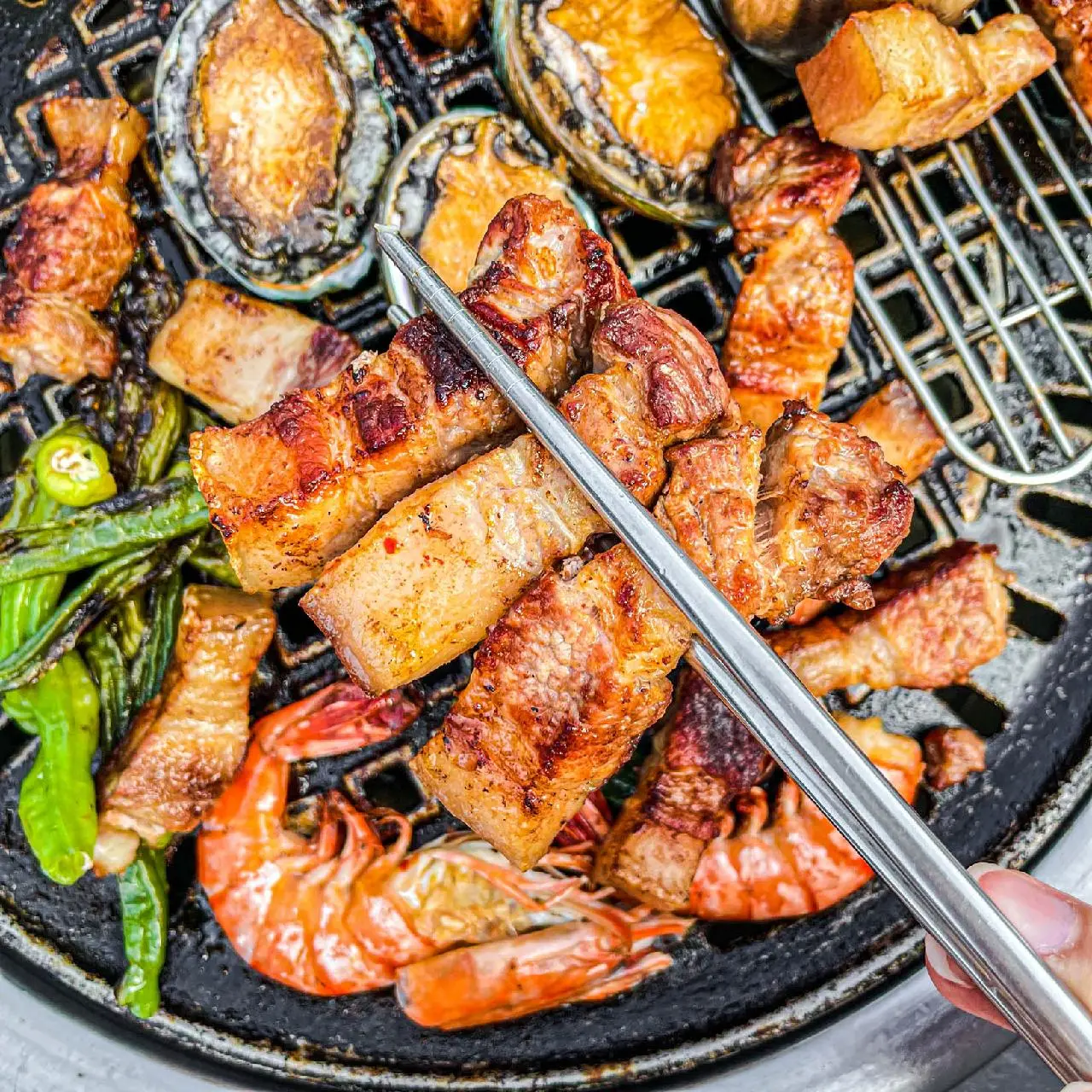
Jeju isn't the mainland. Cut off by a hundred kilometres of open sea and built on black volcanic rock, Korea's biggest island grew a cuisine all its own — shaped by lava-poor soil, relentless salt wind, and the haenyeo (해녀), the free-diving grandmothers who still harvest the seabed by breath alone. There were no royal kitchens here, no delicate court banquets. Jeju food is island survival food: pork raised on scraps and prized to the last bite, seafood pulled fresh from freezing water, and grain-poor recipes that turned buckwheat and millet into something worth craving. Eat your way around the island and you taste its whole hard, beautiful history. Here's what to order, and how to eat it like you were born to it.
The Island Icon: Jeju Black Pork BBQ (흑돼지)
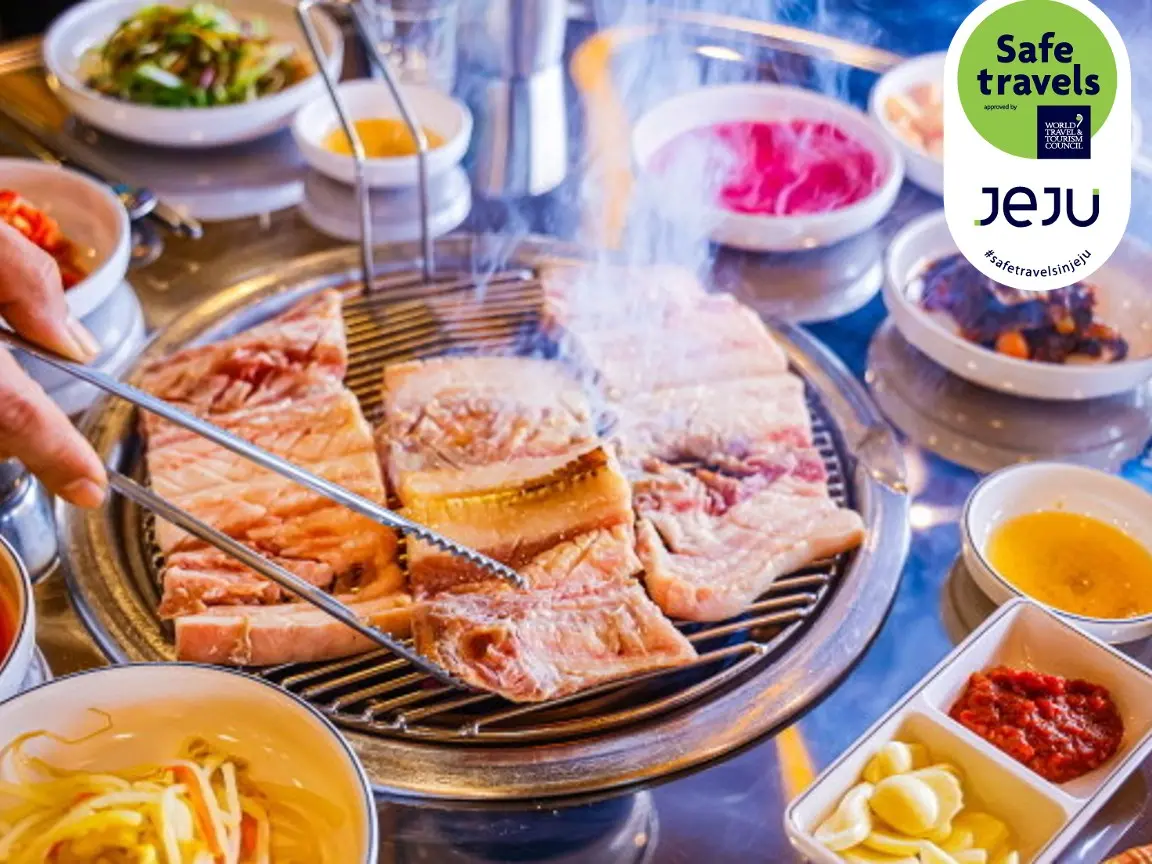
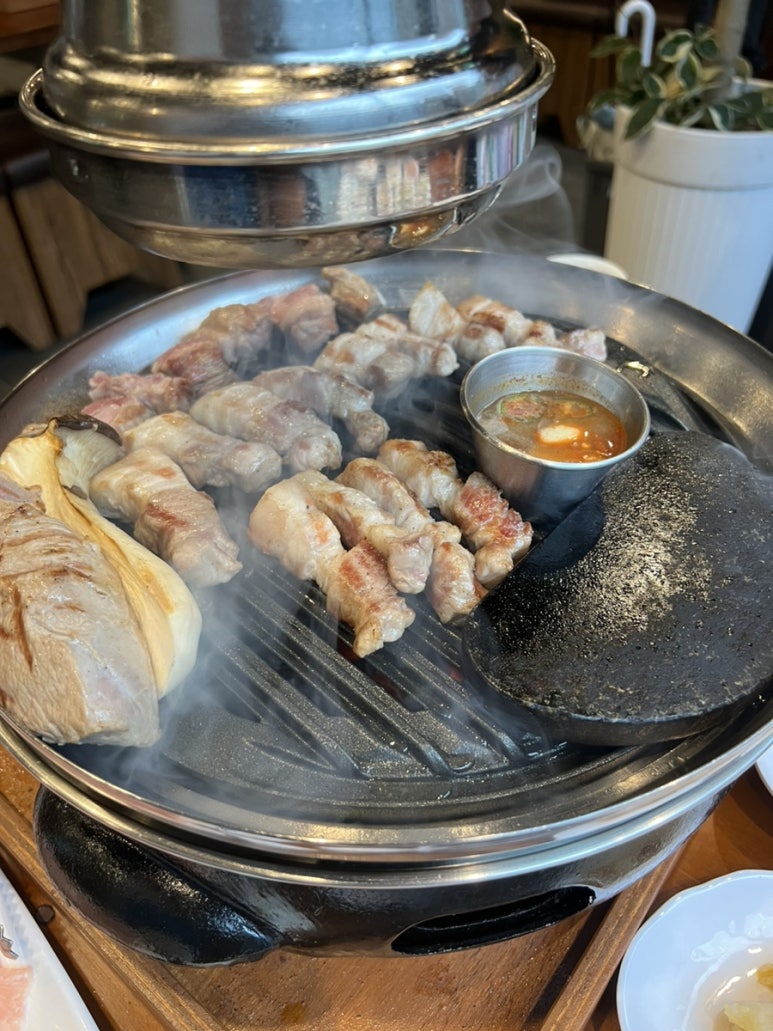
If Jeju has one flag-bearer dish, it's black pork (heukdwaeji, 흑돼지). These are a native island breed — smaller, darker-haired pigs once raised in the famous dottongsi (돗통시), the traditional pigsty-toilets that recycled every last scrap. The meat is the payoff: firmer, chewier and richer than ordinary pork, with a deep savour and a satisfying snap to the skin. Grilled thick over charcoal right at your table, it's the meal almost every visitor remembers.
Order the samgyeopsal (삼겹살) — pork belly — or the local favourite ogyeopsal (오겹살), belly with the skin left on for extra chew. It arrives in generous slabs and is scissored into bites as it cooks. The island ritual: dip the meat not in the usual salt-and-sesame oil but in meljeot (멜젓), a warm, funky anchovy sauce bubbling in a dish on the edge of the grill — pungent at first sniff, addictive by the third bite. Wrap it in lettuce or perilla with garlic and raw chilli, and chase it with soju. A serving runs about ₩16,000–22,000 per 150–200g portion; two people can eat very well for around ₩40,000.
Jeju's Comfort Bowl: Gogi-guksu (고기국수)
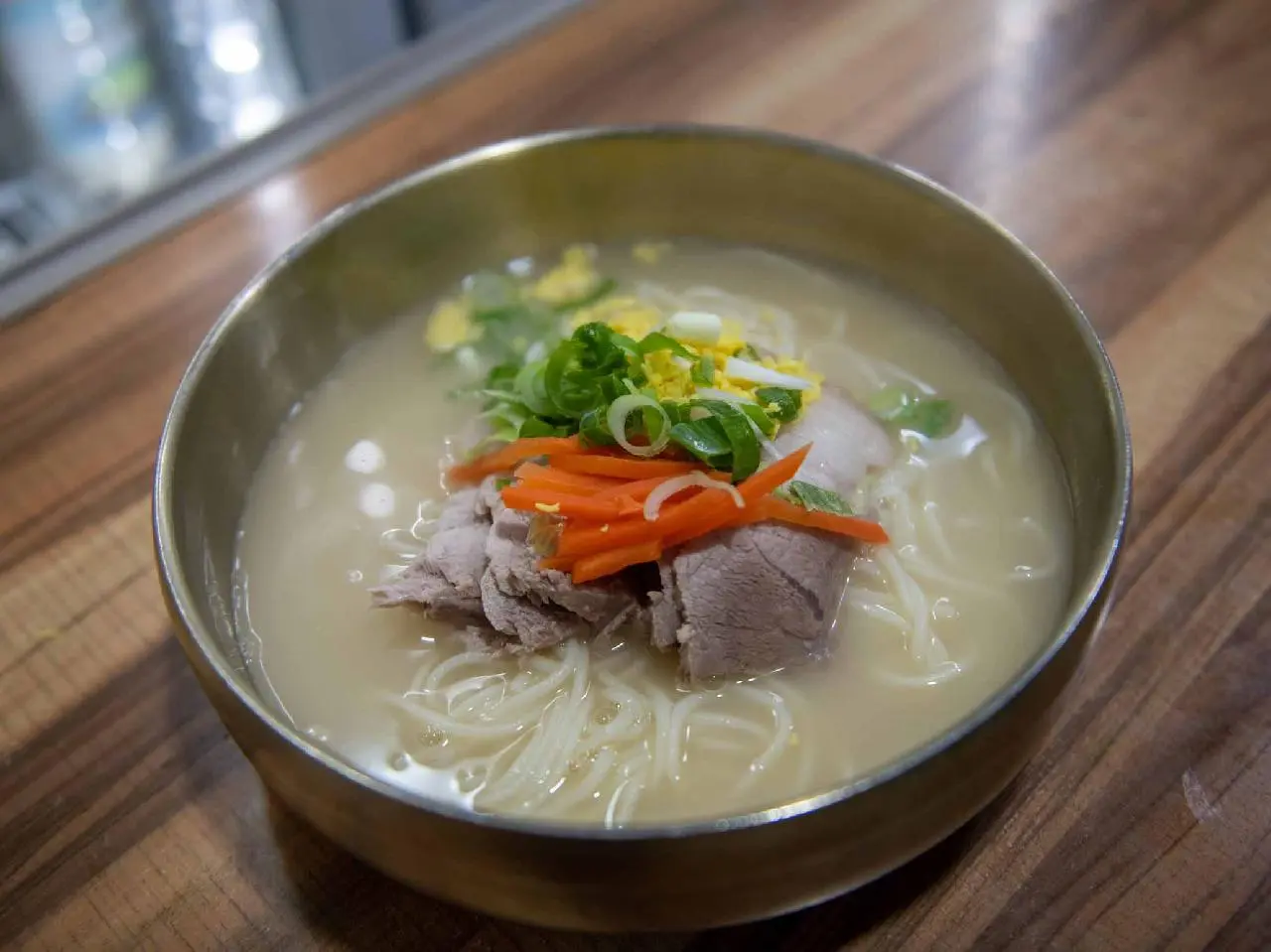
What dwaejigukbap is to Busan, gogi-guksu (gogi-guksu, 고기국수) — "meat noodles" — is to Jeju. It's a big bowl of wheat noodles in a cloudy, long-simmered pork-bone broth, topped with thick slices of boiled pork belly and a scatter of scallion. The dish is younger than it tastes: with wheat scarce for centuries, noodles were a luxury saved for weddings and funerals, and gogi-guksu only became everyday food after the war. Today it's the island's go-to hangover cure and cheap, filling lunch.
The broth is milder and cleaner than Busan's pork soup, letting the natural sweetness of the pork come through. Season it yourself at the table with chilli flakes, minced garlic and a splash of vinegar until it sings. A bowl is a bargain at ₩8,000–10,000, and you'll find honest versions in the noodle alleys near Jeju City's old downtown. Slurp loudly; nobody minds.
The Deep Island Flavour: Momguk (몸국)
Few dishes are as purely Jeju as momguk (momguk, 몸국). "Mom" is the island dialect for mojaban (모자반), a springy brown gulfweed; the soup marries it with the rich, milky broth left over from boiling a whole pig. Historically it was banquet food — when a village pooled a pig for a wedding or a memorial rite, nothing was wasted, and the deeply savoury cooking broth was stretched into a communal soup thickened with the seaweed and sometimes a little buckwheat.
The result is soulful and a little wild: cloudy, faintly briny, thick enough to coat the spoon. It tastes of the sea and the land at once. It isn't on every menu — seek out a specialist or an old-style Jeju restaurant. Expect around ₩9,000–12,000 a bowl. One spoonful of that briny, porky depth and you've tasted the Jeju older islanders get homesick for.
Silver from the Sea: Hairtail, Two Ways (갈치)
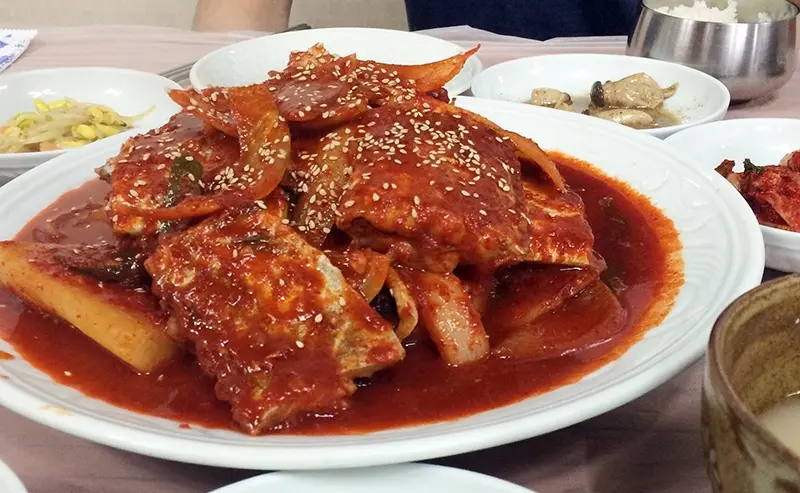
Jeju's waters run thick with hairtail (galchi, 갈치), a long, ribbon-thin silver fish that's practically a local emblem. It comes two classic ways. Galchi-jorim (갈치조림) braises thick steaks with radish, chilli and soy into a fiery, rice-demanding stew — the radish at the bottom, soaked in the sauce, is the sleeper hero. Galchi-gui (갈치구이) is simpler and, to many, better: a whole fillet salted and grilled until the skin blisters and the flesh turns sweet and flaky.
Because it's landed locally, the fish is fresh in a way mainland versions rarely match — silvery, firm and clean-tasting. Hairtail sets aren't cheap; a jorim for two or a grilled fillet often runs ₩15,000–30,000, more for premium line-caught eun-galchi (은갈치, "silver hairtail"). It's worth it once. Mind the fine bones, and let the rice do half the work.
The Prized Fish: Grilled Tilefish (옥돔구이)
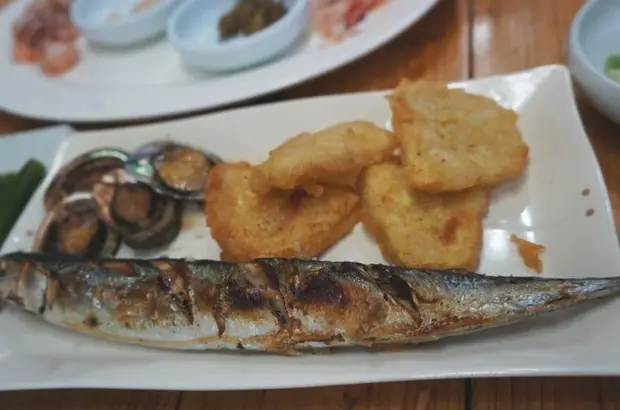
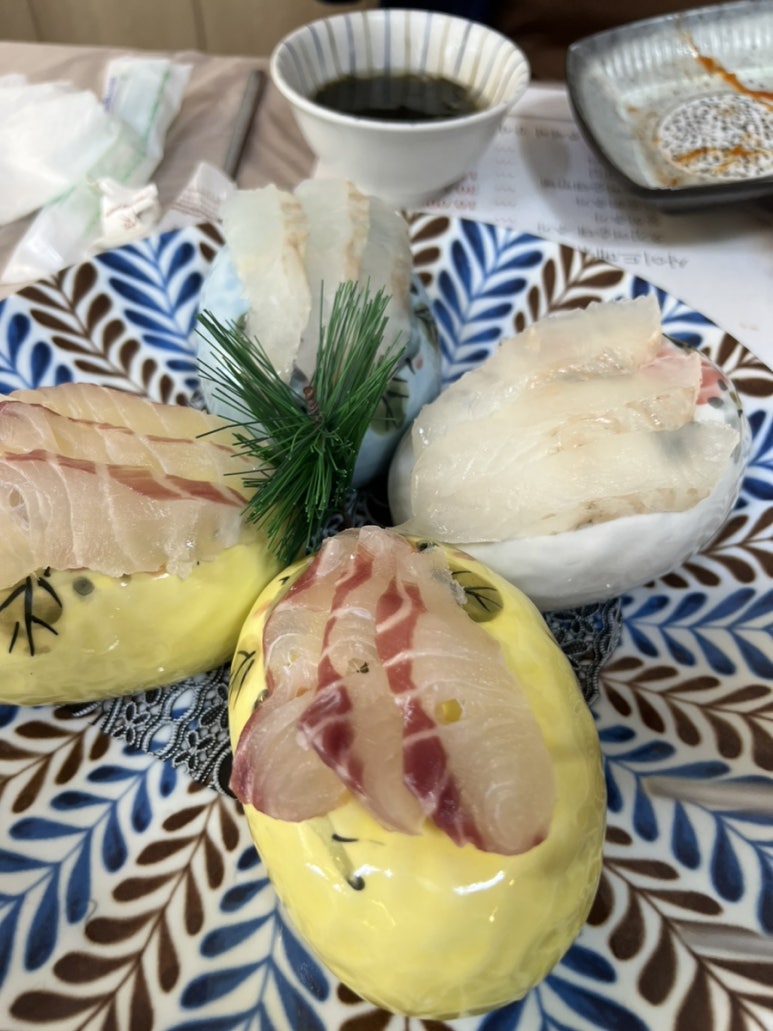
Ask an islander which fish they'd serve an honoured guest and the answer is okdom (okdom, 옥돔), the red tilefish. Pale-pink, delicately sweet and low in oil, it's the most prized fish in Jeju waters and a fixture on ancestral-rite tables. Usually it's lightly salted, half-dried to concentrate the flavour, then grilled — okdom-gui (옥돔구이) — so the skin crisps while the flesh stays silky.
It also turns up in a clean okdom-miyeokguk (옥돔미역국), a seaweed soup that's a world away from the beef version most Koreans know. Okdom is a genuine splurge — a single grilled fish can be ₩20,000–30,000 — but it's the taste of Jeju at its most refined. Order it once to understand what the island considers luxury.
The Haenyeo's Harvest: Sea Urchin & Abalone (성게 · 전복)
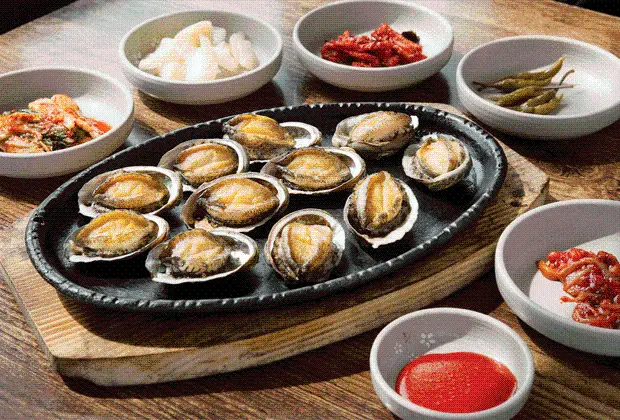
No one shapes Jeju's table more than the haenyeo, the diving women who bring up the island's shellfish by hand. Their two great gifts are sea urchin and abalone. Seongge-miyeokguk (성게미역국) — sea-urchin-and-seaweed soup — is startlingly good: the briny-sweet roe (seongge, 성게) melts into a light seaweed broth for something rich yet clean, traditionally eaten by new mothers and now a coveted delicacy.
Abalone (jeonbok, 전복) is the other treasure. Jeonbok-juk (전복죽) — abalone porridge — simmers the chopped shellfish and its green liver into rice until the whole bowl turns a gentle sea-green, savoury and deeply nourishing; it's the classic Jeju breakfast and recovery food. You'll also see abalone grilled, sliced raw, or in a bubbling ttukbaegi stew. Urchin soup runs ₩12,000–18,000; abalone porridge about ₩13,000–16,000. Eat it near the sea, ideally where the haenyeo themselves sell the catch.
Sweet & Chewy: Jeju Rice Cakes & Citrus (오메기떡 · 빙떡 · 한라봉)
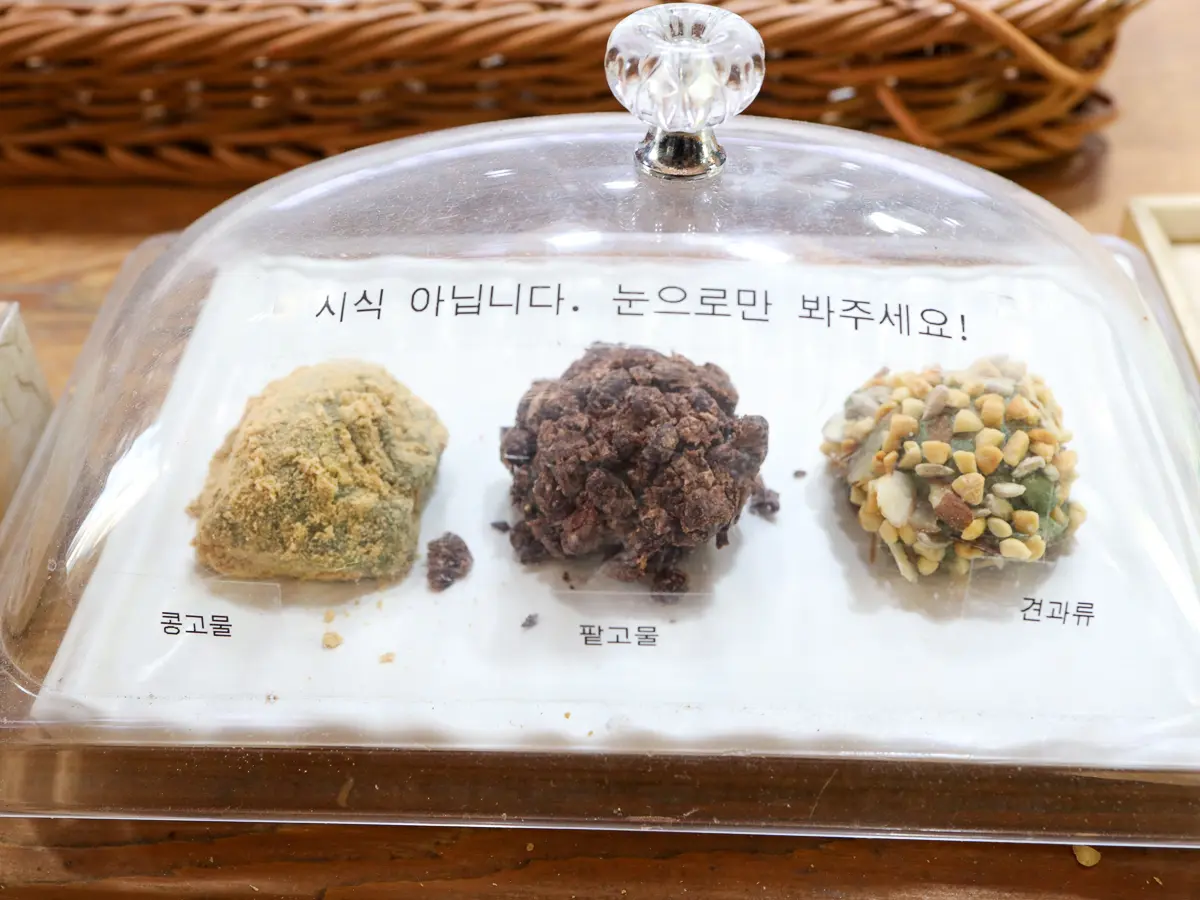
Jeju's grain-poor past gave it snacks unlike anywhere else on the peninsula. Omegi-tteok (오메기떡) is a chewy ball of glutinous millet, rolled in red-bean paste and often flecked with mugwort — sweet, earthy and pleasantly sticky. Bingtteok (빙떡) is its opposite: a thin, pale buckwheat crêpe wrapped around lightly seasoned radish, mild and savoury, an acquired taste that quietly grows on you.
For something sweeter, reach for the island's famous citrus. Hallabong (한라봉) — a bumpy-topped tangor named for Mt. Hallasan — is intensely sweet and easy to peel, while common gyul (귤) tangerines are sold by the netful everywhere. Rice cakes cost a few thousand won apiece; a bag of tangerines is pocket change. Grab omegi-tteok from a market stall as an edible souvenir — it travels well for a day or two.
Where Locals Eat: Beyond the Tourist Strips
The harbour-front barbecue houses and airport-road galbi halls are fine, but the island eats better a street back. In Jeju City, the alleys around the old Dongmun Market (동문시장) hide noodle counters and momguk specialists; the market itself is the place for hairtail, tangerines and griddle-fresh bingtteok. On the south coast, Seogwipo's Maeil Olle Market is strong on grilled fish and okdom. For black pork, locals often skip the neon "Black Pork Street" tourist row in favour of quieter charcoal houses in the residential blocks — anywhere with an older crowd and a haze of smoke is a safe bet.
A good rule: follow the haenyeo. Many diving collectives run their own small seaside eateries (haenyeo-chon, 해녀촌) selling that morning's urchin, abalone and conch. It doesn't get fresher, and your money goes straight to the women who dove for it.
Price Range: What a Jeju Meal Costs
Jeju runs a little pricier than the mainland — almost everything ships across the sea, and demand is high — but you eat astonishingly well if you order local. Here's the rough lay of the land:
- ₩5,000–10,000 — a bowl of gogi-guksu, market bingtteok and omegi-tteok, or a netful of tangerines. Everyday island food at its best.
- ₩9,000–16,000 — momguk, jeonbok-juk or seongge-miyeokguk. The sweet spot for tasting Jeju's real flavours without splurging.
- ₩16,000–30,000+ — black pork by the portion, a hairtail set, or a whole grilled okdom. Splurge territory, and worth it at least once.
Two travellers can eat brilliantly for around ₩30,000–50,000 a meal if you pair one splurge dish with cheaper bowls and let the free banchan fill the gaps.
Tips for First-Timers
- Dip the black pork in the anchovy sauce. Meljeot looks intimidating and smells stronger than it tastes — it's the single thing that makes Jeju pork taste like Jeju.
- Order the whole spread, not just the meat. A black-pork meal is a table event: ask for the soybean stew and noodles, and let them grill the kimchi on the edge of the pan.
- Chase the haenyeo. Seaside stalls run by the diving women serve the freshest urchin and conch on the island — cash, plastic stools, no menu, no regrets.
- Mind the hairtail bones, and don't be shy about eating the sauce-soaked radish under a galchi-jorim; locals quietly fight over it.
- Buy tangerines and omegi-tteok to go. They're the island's tastiest, most portable souvenirs — far better than anything in the airport gift shop.
What Makes Jeju Different from the Mainland
If you've eaten your way through Seoul, Jeju will surprise you at the table. This is island cooking — shaped by isolation, volcanic soil and the sea — and it plays by its own rules.
| Mainland (Seoul) | Jeju | |
|---|---|---|
| Roots | Royal court & regional refinement | Island survival, no court cuisine |
| Signature meat | Beef, everyday pork | Native black pork (heukdwaeji) |
| Seafood | Shipped in, pricier | Hairtail, urchin, abalone — landed daily |
| Grains | Rice-centred | Buckwheat, millet, barley by necessity |
| Key flavour | Soy & gochujang | Anchovy sauce (meljeot), seaweed |
| Who feeds you | Restaurants & chains | The haenyeo & family kitchens |
| Prices | Wide range | Higher — everything ships in |
K-drama fans arrive chasing the island's green-and-blue scenery — the stone walls and canola fields of Our Blues, the wellness-retreat calm that shows like Welcome to Samdal-ri sell so well — and leave talking about the food. That's the islanders' open secret: the best of Jeju isn't a photo stop. It's a bowl of sea-green abalone porridge eaten at a harbour as the haenyeo haul in the morning's catch. Sit down, order like a local, and let the island feed you.