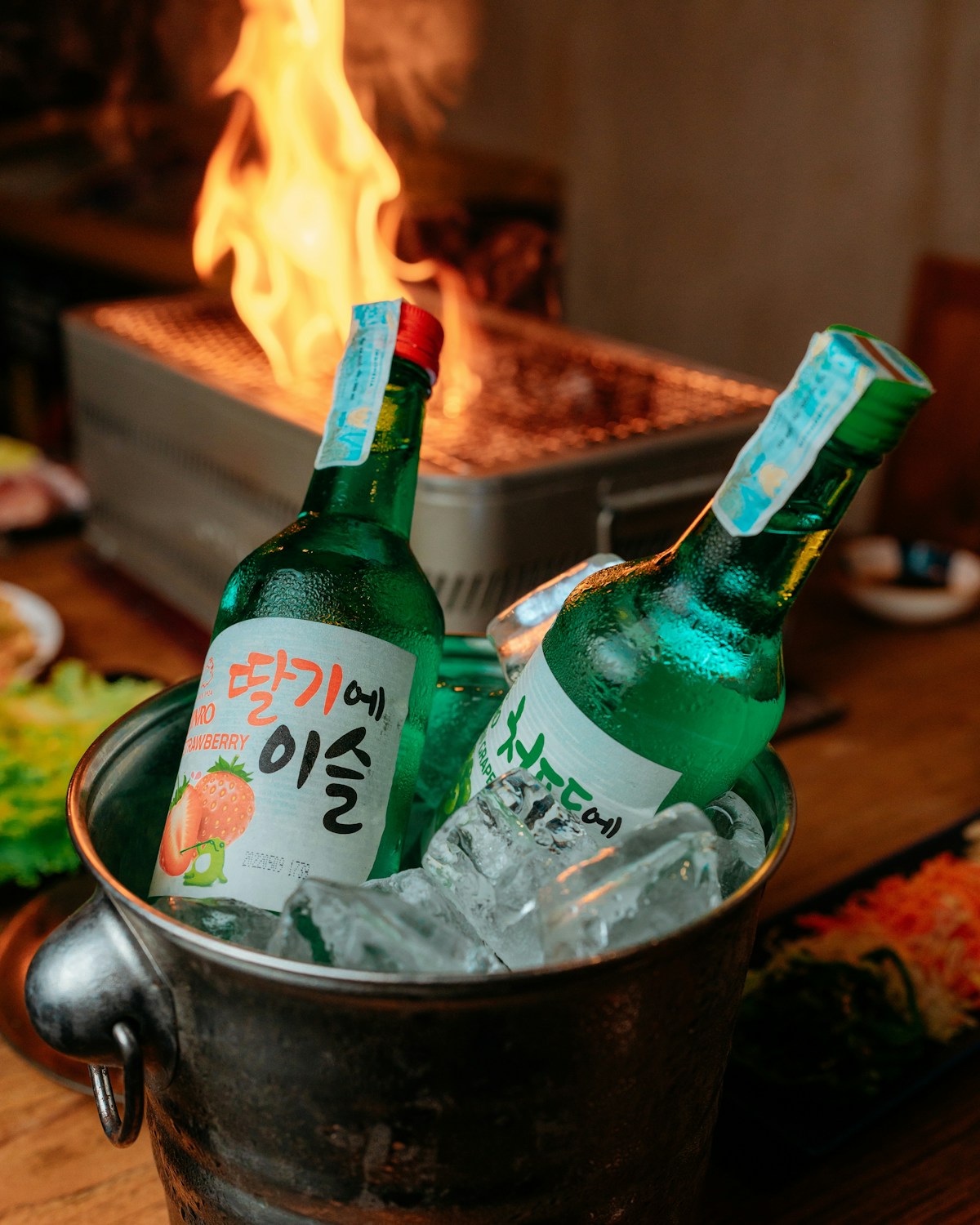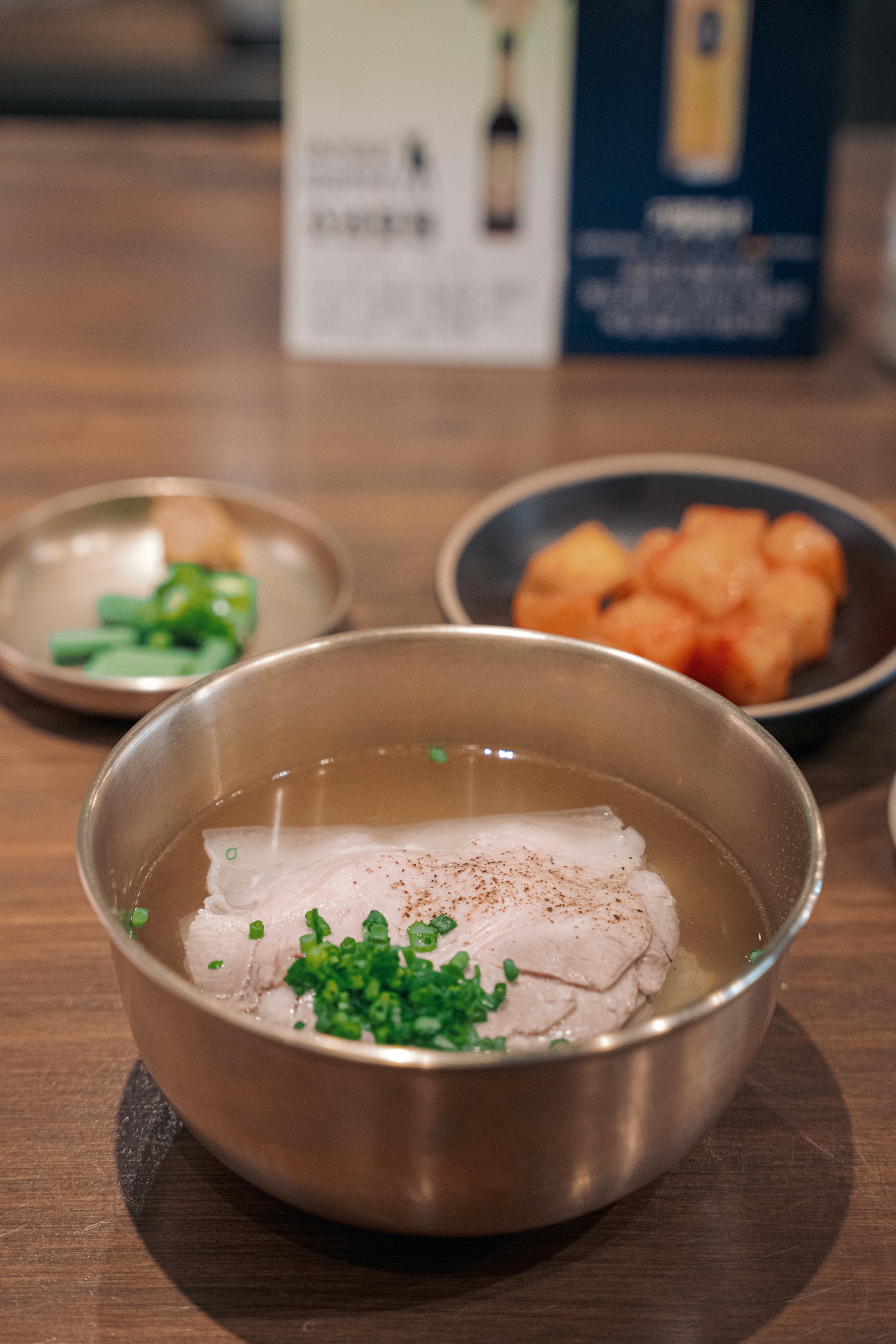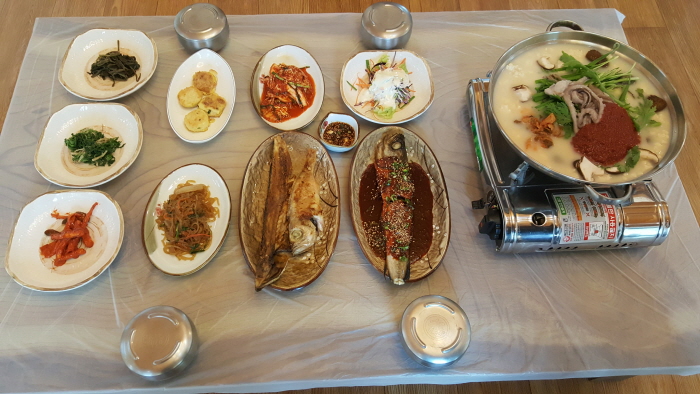
Korea's three coastlines โ the Yellow Sea, the South Sea, and the East Sea โ produce an astonishing variety of seafood that has shaped the country's food culture for millennia. From live raw fish platters (hoe, ํ) sliced tableside at Busan's Jagalchi Market to the midnight oyster tents of Noryangjin in Seoul, seafood in Korea is eaten with a directness and freshness that is hard to find anywhere else in the world. This guide walks you through what to order, where to go, and how much to pay.
Raw Fish (Hoe, ํ) โ The Flagship Experience
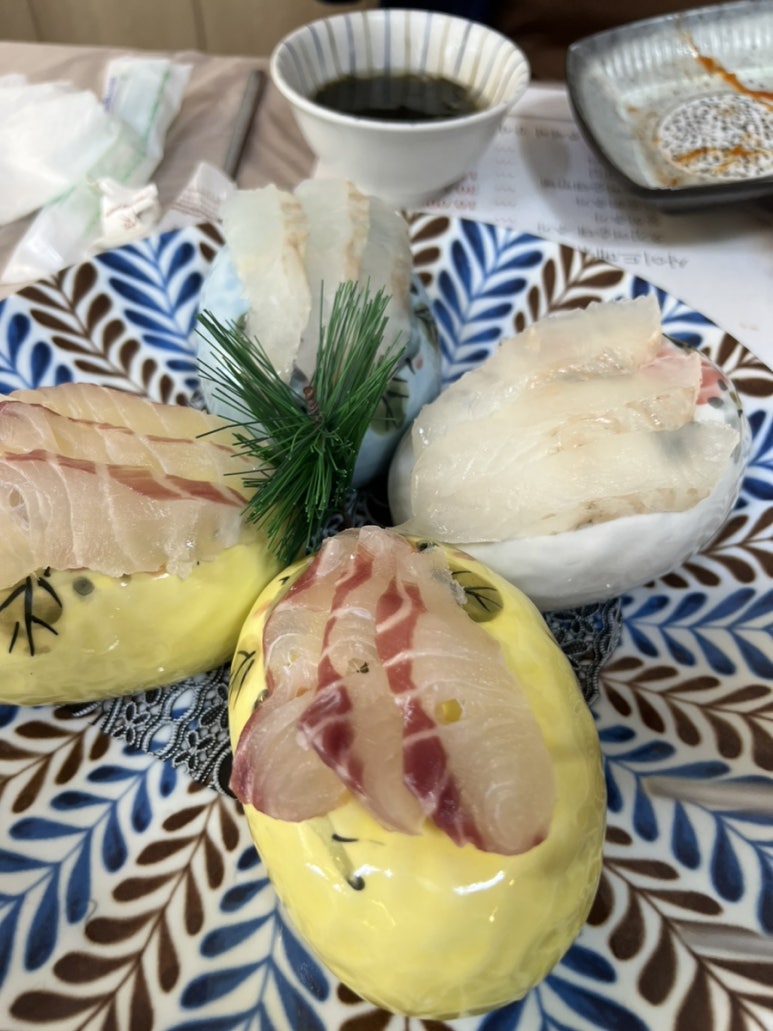
Hoe is Korean-style sashimi, but the experience differs from Japanese omakase. In Korea, sliced raw fish arrives on a large communal platter and is eaten in several ways: dipped in cho-gochujang (์ด๊ณ ์ถ์ฅ, red pepper vinegar sauce) for heat, wrapped in perilla leaf (kkaennip, ๊นป์) with garlic and sliced chilli, or placed on a crisp lettuce leaf with a smear of fermented soybean paste (doenjang, ๋์ฅ). The wrapping method โ called ssam (์) โ is the most satisfying approach for first-timers.
The two most common fish at Korean raw fish restaurants (hoe-jip, ํ์ง) are flounder (gwangeo, ๊ด์ด) and rockfish/sea bass (ureok, ์ฐ๋ญ). Both are mild, slightly firm, and well suited to the pungent accompaniments. Prices at fish markets are typically set by the gram of live fish selected from the tank โ expect to pay โฉ30,000โ60,000 for a 1kg flounder platter for two people.
Must-Try Seafood Dishes โ Ranked by Accessibility
- Haemul Pajeon (ํด๋ฌผํ์ ) โ Best for first-timers. Thick, crispy seafood and green onion pancake, loaded with squid, prawns, and oysters. Universally beloved. Perfect with makgeolli (๋ง๊ฑธ๋ฆฌ, milky rice wine). Price: โฉ12,000โ18,000.
- Eomuk / Odeng (์ด๋ฌต/์ค๋ ) โ Best cheap snack. Fish cake skewers simmering in a savoury broth. Found at every market and pojangmacha. The broth is free to sip. Price: โฉ500โ1,500 per skewer.
- Ganjang Gejang (๊ฐ์ฅ๊ฒ์ฅ) โ Best for adventurous eaters. Raw crab marinated in soy sauce for weeks until silky-soft. Called "rice thief" (๋ฐฅ๋๋) because it is so intensely savoury you cannot stop eating rice with it. Price: โฉ30,000โ50,000 for a crab set.
- Haemul Jeongol (ํด๋ฌผ์ ๊ณจ) โ Best for groups. A bubbling hotpot of mixed seafood โ clams, prawns, crab, squid โ in a spicy broth, cooked at the table. Rich, warming, and shareable. Price: โฉ35,000โ55,000 for two.
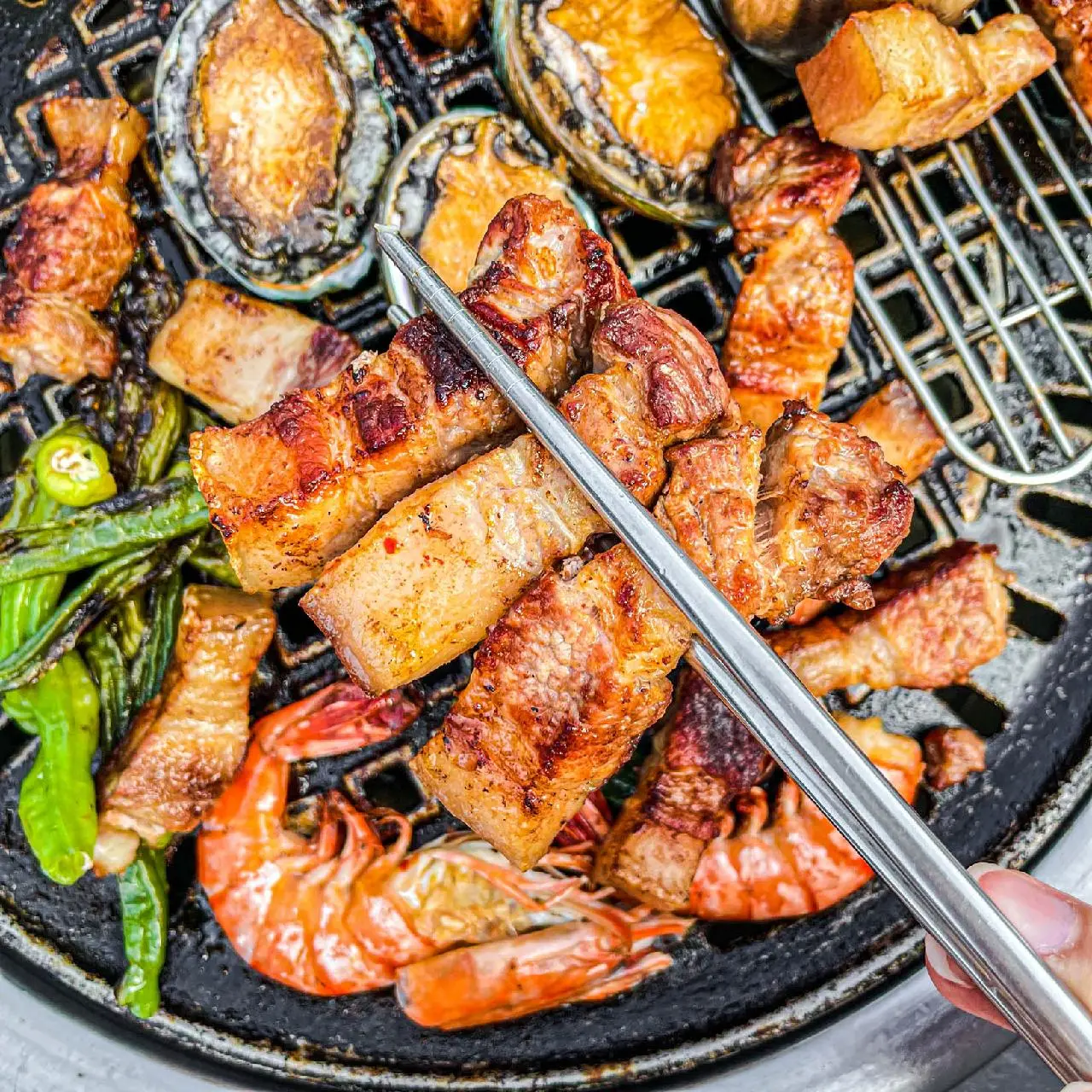
- Jokbal with Haemul (์กฐ๊ฐ๊ตฌ์ด) โ Best outdoor experience. Grilled shellfish โ clams (jogae, ์กฐ๊ฐ), scallops (garibi, ๊ฐ๋ฆฌ๋น), oysters (gul, ๊ตด) โ cooked directly on a charcoal grill at your table. Common at seaside pojangmacha tents. Price: โฉ15,000โ30,000 per platter.
- Nakji Bokkeum (๋์ง๋ณถ์) โ Best spice challenge. Stir-fried whole small octopus in a fiery gochujang sauce. Served sizzling on an iron plate. Pairs well with cold beer. Price: โฉ15,000โ22,000.
- Galchi Jorim (๊ฐ์น์กฐ๋ฆผ) โ Jeju specialty. Braised hairtail fish in a spicy radish and chilli stew. A Jeju Island signature dish that has become popular nationwide. Price: โฉ12,000โ20,000.
- 1 Line 1 โ Take Line 1 to Noryangjin Station (๋ ธ๋์ง์ญ). The market is directly connected via a covered footbridge from the station โ Exit 1 leads straight to the bridge. Journey from Seoul Station: approximately 10 minutes.
- 9 Line 9 โ Also stops at Noryangjin Station. Useful from Gimpo Airport or Yeouido direction.
- ๐ From Myeongdong: Take Line 4 to Seoul Station, transfer to Line 1, two stops to Noryangjin. Total: ~20 minutes.
- ๐ From Hongdae: Take Line 2 to Sindorim, transfer to Line 1, two stops to Noryangjin. Total: ~25 minutes.
- ๐ By taxi: From central Seoul approximately โฉ8,000โ15,000 and 15โ25 minutes depending on traffic.
Seafood by Season
- Spring (MarโMay): Sea squirt (meongge, ๋ฉ๊ฒ), abalone (jeonbok, ์ ๋ณต), fresh clams
- Summer (JunโAug): Jellyfish (haepari, ํดํ๋ฆฌ), cold raw fish, grilled eel (jangeo, ์ฅ์ด)
- Autumn (SepโNov): Flower crab (kkotgae, ๊ฝ๊ฒ), oysters (gul, ๊ตด), hairtail fish (galchi, ๊ฐ์น). Peak season overall.
- Winter (DecโFeb): Oysters at their fattest, ganjang gejang, and haemul jeongol hotpot
Price Guide
- Hoe platter for 2 (at fish market): โฉ30,000โ60,000 depending on fish weight
- Haemul pajeon: โฉ12,000โ18,000
- Haemul jeongol for 2: โฉ35,000โ55,000
- Grilled shellfish platter: โฉ15,000โ30,000
- Ganjang gejang crab set: โฉ30,000โ50,000
- Eomuk skewer (street snack): โฉ500โ1,500
- Market cooking fee (to prepare your own fish): โฉ5,000โ10,000
Quick Tips
- At fish markets, always confirm the price per 100g before selecting your fish โ weights can surprise you.
- Ask for the fish to be prepared as hoe (raw), maeuntang (๋งค์ดํ, spicy fish soup from the bones), or grilled (gui, ๊ตฌ์ด). Most restaurants include a bone soup at the end of a hoe meal at no extra charge.
- Cho-gochujang (the red dipping sauce) is spicy. If you are heat-sensitive, ask for ganjang (๊ฐ์ฅ, soy sauce) instead.
- Jagalchi is best on weekend mornings when selection is fullest.
- Noryangjin is open 24/7 โ late night visits (after midnight) are a Seoul rite of passage.
The Full Hoe Eating Ritual
A Korean raw fish meal involves considerably more ritual than Japanese sashimi. The table setup, the eating sequence, and the social conventions all differ. Here is the complete protocol.
Table Setup
A central platter of sliced fish arrives surrounded by:
- Cho-gochujang (์ด๊ณ ์ถ์ฅ) โ red pepper vinegar sauce. Sharp, spicy, acidic.
- Ganjang (๊ฐ์ฅ) โ plain soy sauce, usually with wasabi. The milder option.
- Kkaennip (๊นป์) โ perilla leaves. Stronger than Japanese shiso; slightly anise-forward.
- Sangchuu (์์ถ) โ green leaf lettuce for wrapping.
- Sliced raw garlic and green chilli.
- A small ramekin of doenjang (๋์ฅ) โ fermented soybean paste.
- Sesame oil (์ฐธ๊ธฐ๋ฆ) for dipping.
Eating Sequence
- Plain fish with soy sauce first. Taste the fish itself before introducing strong condiments. This is how Korean connoisseurs begin โ it establishes a baseline flavour reference.
- The ssam wrap (์). Place a perilla leaf flat on your palm. Add a piece of fish. Add a thin sliver of raw garlic. A slice of green chilli if you want heat. A tiny scrape of doenjang. Fold and eat in one bite. The perilla leaf's herbaceous flavour cuts perfectly through the fish fat.
- The cho-gochujang dip. For a more assertive flavour, dip thicker cuts directly in the red sauce. The acidity and spice complement the denser flesh near the fillet centre.
- Thin cuts at the end. The trim pieces โ tail, collar, thin belly strips โ arrive at the end of the platter. These cuts carry more concentrated flavour than the fillet. Many Koreans consider them the best part.
- The bone soup finale. Maeuntang (๋งค์ดํ) arrives as the closing course โ a spicy red broth made from the fish head, bones, and vegetables. It is included in the cooking fee. Drink the broth from the bowl Korean-style, using the spoon for solid pieces. This is a full and satisfying meal-ender.
Alcohol Pairing
- Makgeolli (๋ง๊ฑธ๋ฆฌ) โ The traditional pairing. Milky, lightly fermented rice wine with a mild fizz. Its slight sourness cuts through fish fat beautifully. Order 1L jugs (โฉ6,000โ10,000 per jug).
- Soju (์์ฃผ) โ Neutral, clean, high-alcohol. Taken as shots alongside fish rather than sipped throughout.
- Beer (๋งฅ์ฃผ) โ Perfectly acceptable. Draft beer (hof) is common at fish restaurants.
- Non-alcoholic โ Sikhye (์ํ, sweet rice punch) or cold water. Fish restaurants do not apply social pressure to drink.
Seasonal Seafood: What to Order and When
Korea's three coastlines โ the Yellow Sea, the South Sea, and the East Sea โ produce different peak seafood at different times of year. The existing seasonal overview lists what is available; this section covers what each item actually tastes like and where to find it.
Spring (MarchโMay)
Meongge (๋ฉ๊ฒ, sea squirt / sea pineapple) is one of Korea's most distinctive seafood flavours. Vivid orange, intensely oceanic โ iodine-forward with a clean mineral finish. Eaten raw, chilled, sliced thin. This is not a mild introduction to Korean seafood; it is confrontational in the best possible way. Pairs exceptionally well with soju. Found at raw fish restaurants and Noryangjin from March. Price: โฉ15,000โ25,000 per portion.
Jeonbok (์ ๋ณต, abalone) is a premium shellfish prized in Korea above almost all others. Spring abalone is smaller and more tender than autumn. Eaten raw (sliced thin), grilled on the shell with butter and soy sauce, or in jeonbok juk (์ ๋ณต์ฃฝ, abalone porridge โ one of Korea's great comfort foods). Jeju Island is the primary source. Noryangjin price: โฉ30,000โ60,000 per small plate depending on size.
Autumn (SeptemberโNovember) โ Peak Season Overall
Kkotgae (๊ฝ๊ฒ, blue crab / flower crab) peaks in autumn, specifically the female crabs (amge, ์๊ฒ) carrying roe. The orange-red roe inside is intensely flavoured and is the reason Koreans consider autumn the crab season. Best preparations: gejang (๊ฒ์ฅ, marinated raw in soy sauce or spicy sauce) or steamed (jjim, ์ฐ). The Incheon Yeonan Pier area is the best day-trip destination for fresh kkotgae from the nearby Yellow Sea. At Noryangjin: โฉ20,000โ50,000 per crab depending on size.
Gul (๊ตด, oysters) โ Korean oysters are harvested primarily from the South Sea around Tongyeong and Geoje and are considered among the world's finest. Peak season runs October through February. Eaten raw with lemon and cho-gochujang, or in gul-juk (๊ตด์ฃฝ, oyster porridge). Tongyeong is the oyster capital if you travel outside Seoul. In Seoul, Noryangjin carries them year-round with autumnโwinter as the quality peak.
Winter (DecemberโFebruary)
Daegue (๋๊ตฌ, Pacific cod) is a winter specialty, typically served as daegue-tang (๋๊ตฌํ, cod soup with radish and tofu) or grilled as daegue-gui (๋๊ตฌ๊ตฌ์ด). The flesh is flaky and mild โ a warming cold-weather dish suited to those who prefer subtler flavours.
Hongeo (ํ์ด, fermented skate / ray) is a South Jeolla province specialty of extreme character. Fermented at room temperature for weeks, it develops an ammonia-forward smell and intensely flavoured flesh. Eaten raw or lightly steamed, typically in the combination called hongeo-samhap (ํ์ด์ผํฉ) โ fermented skate, pork belly, and kimchi eaten together. The smell is genuinely confrontational on first encounter, but those who commit find the flavour extraordinary. Primarily available at Jeolla province restaurants in Seoul's Mapo-gu area and at dedicated restaurants in Gwangju.
Seafood Allergy Communication Card
Korea is a seafood-heavy cuisine and allergy communication at restaurants with limited English can be challenging. The phrases below are worth saving on your phone before you arrive.
Essential Allergy Phrases
| Situation | Korean | Pronunciation |
|---|---|---|
| I am allergic to seafood | ์ ๋ ํด์ฐ๋ฌผ ์๋ ๋ฅด๊ธฐ๊ฐ ์์ด์ | Jeo-neun hae-san-mul al-le-re-gi-ga i-sseo-yo |
| Shellfish allergy | ์กฐ๊ฐ๋ฅ ์๋ ๋ฅด๊ธฐ | Jo-gae-ryu al-le-re-gi |
| Shrimp / prawn allergy | ์์ฐ ์๋ ๋ฅด๊ธฐ | Sae-u al-le-re-gi |
| Crab allergy | ๊ฒ ์๋ ๋ฅด๊ธฐ | Ge al-le-re-gi |
| Fish allergy | ์์ ์๋ ๋ฅด๊ธฐ | Saeng-seon al-le-re-gi |
| Squid / octopus allergy | ์ค์ง์ด/๋์ง ์๋ ๋ฅด๊ธฐ | O-jing-eo / nak-ji al-le-re-gi |
| Does this contain...? | ์ด ์์ ...์ด ๋ค์ด๊ฐ๋์? | I a-ne ... i deu-reo-ga-na-yo? |
| I cannot eat... | ์ ๋ ...์ ๋ชป ๋จน์ด์ | Jeo-neun ...eul mot meo-geo-yo |
| This is a serious allergy | ์ฌ๊ฐํ ์๋ ๋ฅด๊ธฐ์์ | Sim-ga-kan al-le-re-gi-ye-yo |
Hidden Seafood Ingredients in Korean Food
For visitors with seafood allergies, Korean cuisine presents a particular challenge because seafood-derived ingredients appear in dishes that do not appear seafood-based. The four most common hidden sources:
- Myeolchi (๋ฉธ์น) โ Dried anchovy. Used as the base stock for nearly every Korean soup, stew, and broth. Nearly impossible to avoid in traditional Korean cooking.
- Saeujeot (์์ฐ์ ) โ Salted fermented shrimp. Used in kimchi fermentation and many banchan side dishes. Present in kimchi even when not visibly apparent.
- Gulganjang (๊ตด๊ฐ์ฅ) โ Oyster sauce. Used in some stir-fries and glazes, particularly in Chinese-influenced Korean dishes.
- Eomuk (์ด๋ฌต) โ Fish cake. A processed fish product found in tteokbokki, soups, street food skewers, and lunchboxes.
For travellers with severe seafood allergies, eating at international restaurants or certified allergy-aware establishments is the safest path. Carrying a printed Korean-language allergy card that explicitly names your allergens (rather than using a translation app in the moment) is strongly recommended.
Seoul Seafood Beyond Noryangjin
Noryangjin is the most famous Seoul seafood destination, but it is not the only option. These alternatives suit visitors who want quality seafood without navigating a wholesale fish market.
Mapo Fisheries Centre (๋งํฌ์์ฐ๋ฌผ์ผํฐ)
Located near Mapo Station (Line 5), this smaller fish market operates daily and is frequented by residents from Mapo and Yeouido. It is not as large as Noryangjin, but the atmosphere is quieter and less overwhelming for first-timers. Good selection of live flounder and crab, with an on-site restaurant cooking area. Open daily 6amโ10pm.
Insadong and Bukchon Area
Several traditional Korean seafood restaurants cluster around the Insadong and Bukchon neighbourhoods, serving ganjang gejang and haemul pajeon in an older, more atmospheric setting. These restaurants are more expensive than market restaurants but typically offer English menus given the tourist presence. Well-suited to visitors who want quality seafood in a sit-down environment without market logistics.
Hangang Riverside Tents (ํ๊ฐ ํฌ์ฅ๋ง์ฐจ)
From late spring through early autumn, temporary food tents open along the Han River banks โ particularly at Yeouido (์ฌ์๋) and Banpo (๋ฐํฌ) riverside parks. Many serve grilled shellfish (jogae-gui, ์กฐ๊ฐ๊ตฌ์ด) โ clams, scallops, and oysters cooked on portable charcoal grills at outdoor tables. Cold beer, a river view, charcoal smoke, and shellfish: this is a quintessentially Korean warm-evening experience. Prices: โฉ15,000โ30,000 per shellfish platter. Many tents are cash-only.
Noryangjin-Neighbourhood Sit-Down Restaurants
Several independent restaurants near Noryangjin Station and in the Mapo district buy directly from Noryangjin wholesale and offer equivalent live fish without the market logistics. You order from a menu rather than selecting from tanks. Quality is often comparable to the market experience and these restaurants are more accessible for groups that find the wholesale floor overwhelming.
Complete Ordering Script for Seafood Restaurants
For non-Korean speakers visiting a fish market or seafood restaurant, these phrases cover the full dining sequence from entry to payment.
Essential Seafood Vocabulary
| Korean | Romanisation | English |
|---|---|---|
| ๊ด์ด | gwangeo | Flounder (most common hoe fish) |
| ์ฐ๋ญ | ureok | Korean rockfish / sea bass |
| ์ฐ์ด | yeoneo | Salmon |
| ์ฐธ์น | chamchi | Tuna |
| ์ ๋ณต | jeonbok | Abalone |
| ๊ฝ๊ฒ | kkotgae | Blue crab / flower crab |
| ์กฐ๊ฐ | jogae | Clams / shellfish (generic) |
| ๊ตด | gul | Oysters |
| ์์ฐ | saeu | Shrimp / prawn |
| ์ค์ง์ด | ojingeo | Squid |
| ๋์ง | nakji | Small octopus |
| ๋ฌธ์ด | muneo | Large octopus |
| ๋ฉ๊ฒ | meongge | Sea squirt / sea pineapple |
| ํ์ด | hongeo | Skate / fermented ray |
| ๋๊ตฌ | daegue | Pacific cod |
Visiting Noryangjin Fish Market
Noryangjin Fish Market (๋ ธ๋์ง์์ฐ์์ฅ), Seoul. Seoul's main wholesale seafood market, operating 24 hours. Select live seafood from the ground-floor stalls, pay by weight, then carry it upstairs to a restaurant that prepares it for a small cooking fee (โฉ10,000โ20,000 per table). Best visited between midnight and 4am for the liveliest atmosphere, or at dawn (6โ9am) for the widest selection.
The existing overview covers the basics โ 24-hour operation, buy on the ground floor and eat upstairs. What follows is the full practical walkthrough for foreign visitors who have never been.
Getting There
Take subway Line 1 (dark blue) or Line 9 (gold) to Noryangjin Station (๋ ธ๋์ง์ญ). A covered footbridge connects directly from the station to the market building โ you cannot miss it. Note that the old open-air market was demolished in 2022; all activity is now inside the modern multi-storey building.
Floor Layout
- 1st floor โ Live seafood stalls (saengson-pammae, ์์ ํ๋งค). This is where you select and buy.
- 2nd floor โ Restaurants (sikdang, ์๋น). This is where you eat. You carry your purchased seafood up here.
- Basement / Ground level โ Dry goods, processed seafood, snacks, and cheaper prepared food.
Eight-Step Walkthrough
- Enter the 1st floor stall area. Vendors will approach immediately โ this is normal. A polite "jo-geum-man-yo" (์กฐ๊ธ๋ง์, "just a moment") lets you browse without committing.
- Identify your fish. For raw fish (hoe, ํ), the most reliable choices for first-timers are gwangeo (๊ด์ด, flounder) and ureok (์ฐ๋ญ, Korean rockfish). Both are mild, widely available, and vendors know how to prepare them. Look for active movement in tanks โ activity signals freshness.
- Ask the price per 100g. Say "์ผ๋ง์์?" (eolmayeyo, "how much?") and point to the fish you want. The vendor will quote a price for a minimum viable portion โ usually around 1kg for two people. Confirm the total before agreeing.
- Understand the weight. A 1kg flounder for two people is the standard portion. At 2025โ2026 prices, live flounder at Noryangjin runs approximately โฉ25,000โ35,000 per 500g depending on season and size. The vendor weighs the live fish on a scale in front of you.
- The vendor prepares the fish. Basic preparation โ slicing for hoe, cleaning โ is included in the fish price at most stalls. The vendor will ask "ํ๋ก ๋๋ฆด๊น์?" (slice for raw fish?). Say yes. They will also ask whether you want the remaining parts for soup ("๋ง์ง๋ง์ ๋งค์ดํ์ผ๋ก?"). Say yes โ it costs nothing extra and produces a full spicy fish soup at the end of your meal.
- Carry your tray upstairs. The prepared fish arrives on a tray covered in cling wrap. Take the elevator or stairs to the 2nd floor.
- Choose a restaurant and negotiate the cooking fee. Each 2nd-floor restaurant charges a ์กฐ๋ฆฌ๋น (jori-bi, cooking fee) to set up your table with banchan, sauces, perilla leaves, garlic, and lettuce wraps. The fee is typically โฉ10,000โ20,000 per table regardless of party size. This covers the bone soup (maeuntang, ๋งค์ดํ) made from your fish remains. Confirm the cooking fee before sitting โ display boards at each restaurant entrance should list it.
- Order drinks separately. Beer, soju, and makgeolli are available from the restaurant at standard prices (soju โฉ5,000โ7,000, beer โฉ5,000โ6,000, 1L makgeolli jug โฉ7,000โ10,000).
Full Cost Breakdown (2025โ2026)
| Item | Price |
|---|---|
| Live flounder (๊ด์ด, gwangeo), 1kg | โฉ50,000โ70,000 |
| Live rockfish (์ฐ๋ญ, ureok), 1kg | โฉ40,000โ60,000 |
| Cooking fee per table | โฉ10,000โ20,000 |
| Full experience for 2 (fish + cooking fee + 2 beers) | โฉ80,000โ110,000 |
| Per-person estimate (2 people, makgeolli) | โฉ35,000โ55,000 |
When to Visit
Midnight to 4am is the most atmospheric window โ the market buzzes with late-night energy and the mix of wholesale buyers and tourists gives the floor a theatrical quality. However, early morning (6โ9am) is when commercial wholesale buyers are active and selection is widest. If you want the best fish rather than the best atmosphere, arrive at dawn. If you want the Seoul experience, come after midnight.
2026 Price Guide: Market vs Restaurant vs Tourist Area
Seafood prices in Korea have increased 15โ25% since 2022 due to fuel cost increases for fishing vessels and broader import pressures. The prices in the earlier section of this guide have been updated; this table provides a direct comparison across venue types.
| Item | Noryangjin Market | Regular Restaurant | Tourist-Area Restaurant |
|---|---|---|---|
| Hoe / flounder, 1kg for 2 (incl. cooking fee) | โฉ60,000โ90,000 | โฉ50,000โ70,000 | โฉ70,000โ100,000 |
| Haemul pajeon | N/A | โฉ14,000โ20,000 | โฉ18,000โ25,000 |
| Haemul jeongol (for 2) | N/A | โฉ40,000โ60,000 | โฉ50,000โ75,000 |
| Grilled shellfish platter | โฉ20,000โ35,000 | โฉ20,000โ35,000 | โฉ30,000โ45,000 |
| Ganjang gejang crab set | โฉ35,000โ60,000 | โฉ35,000โ60,000 | โฉ50,000โ80,000 |
| Abalone / jeonbok (1 piece) | โฉ8,000โ20,000 | โฉ15,000โ30,000 | โฉ20,000โ40,000 |
| Sea squirt / meongge (portion) | โฉ15,000โ25,000 | โฉ15,000โ25,000 | โฉ20,000โ30,000 |
| Eomuk fish cake skewer | โฉ700โ2,000 | N/A | N/A |
| Market cooking fee | โฉ10,000โ20,000 per table | Included | Included |
Budget Strategy
For the best-value seafood experience in Seoul, the optimal approach combines timing, fish choice, and group size:
- Visit Noryangjin on a weekday morning (6โ9am) when wholesale buyers are active and selection is at its widest.
- Choose ureok (rockfish) over flounder โ it is more affordable and equally delicious for first-time hoe.
- Eat with a group of three or four โ the cooking fee is per table, not per person, so a larger group lowers the per-head cost substantially.
- Drink makgeolli rather than bottled beer โ better pairing with raw fish, lower price point.
Total cost for a complete Noryangjin experience: โฉ35,000โ55,000 per person with drinks, split across 2โ4 people.
For more information on getting around Seoul and using public transport to reach fish markets and seafood areas, see the Korea Transportation Guide.