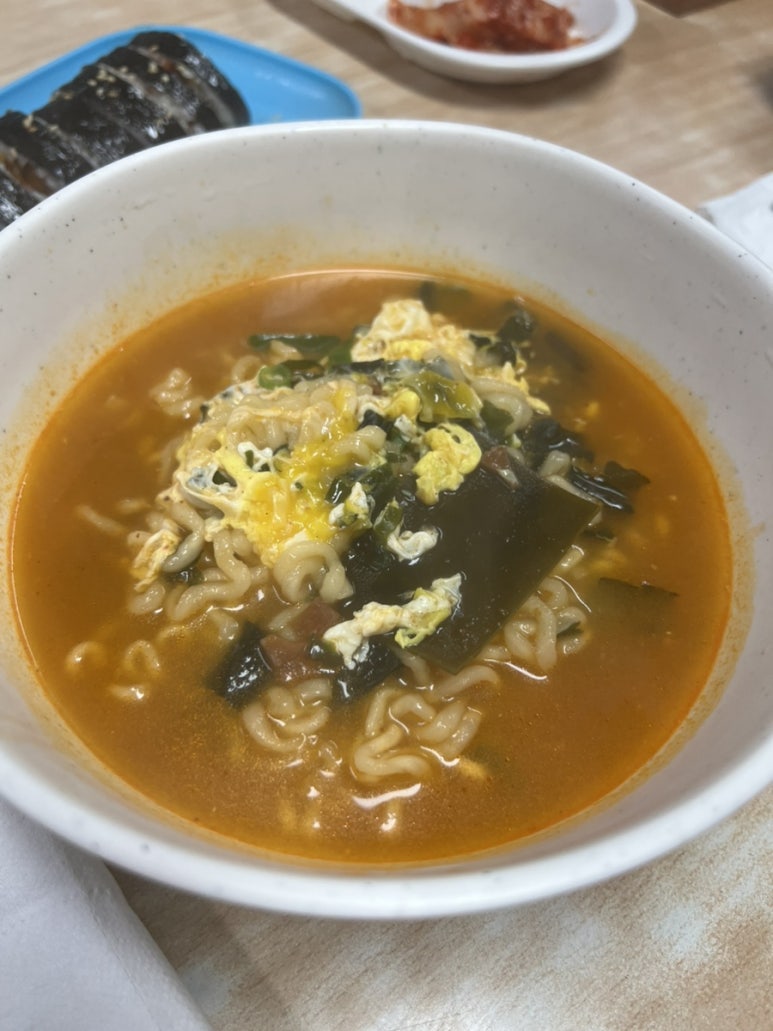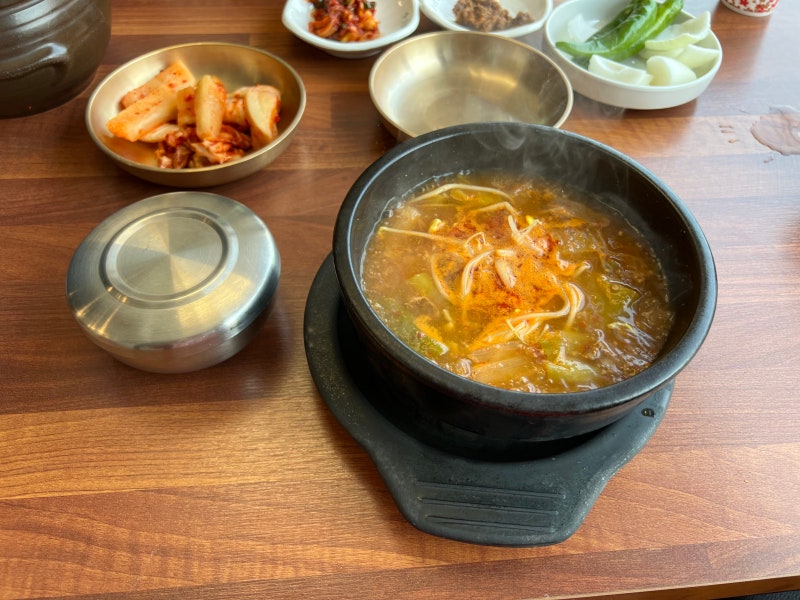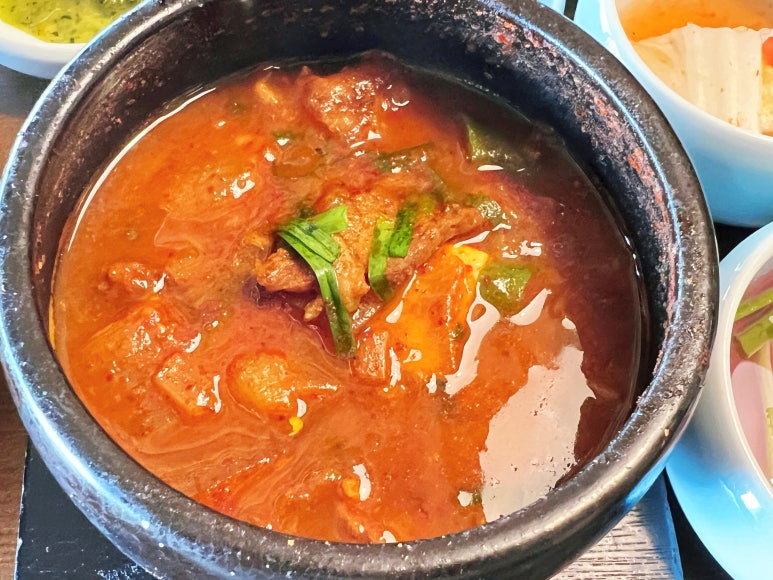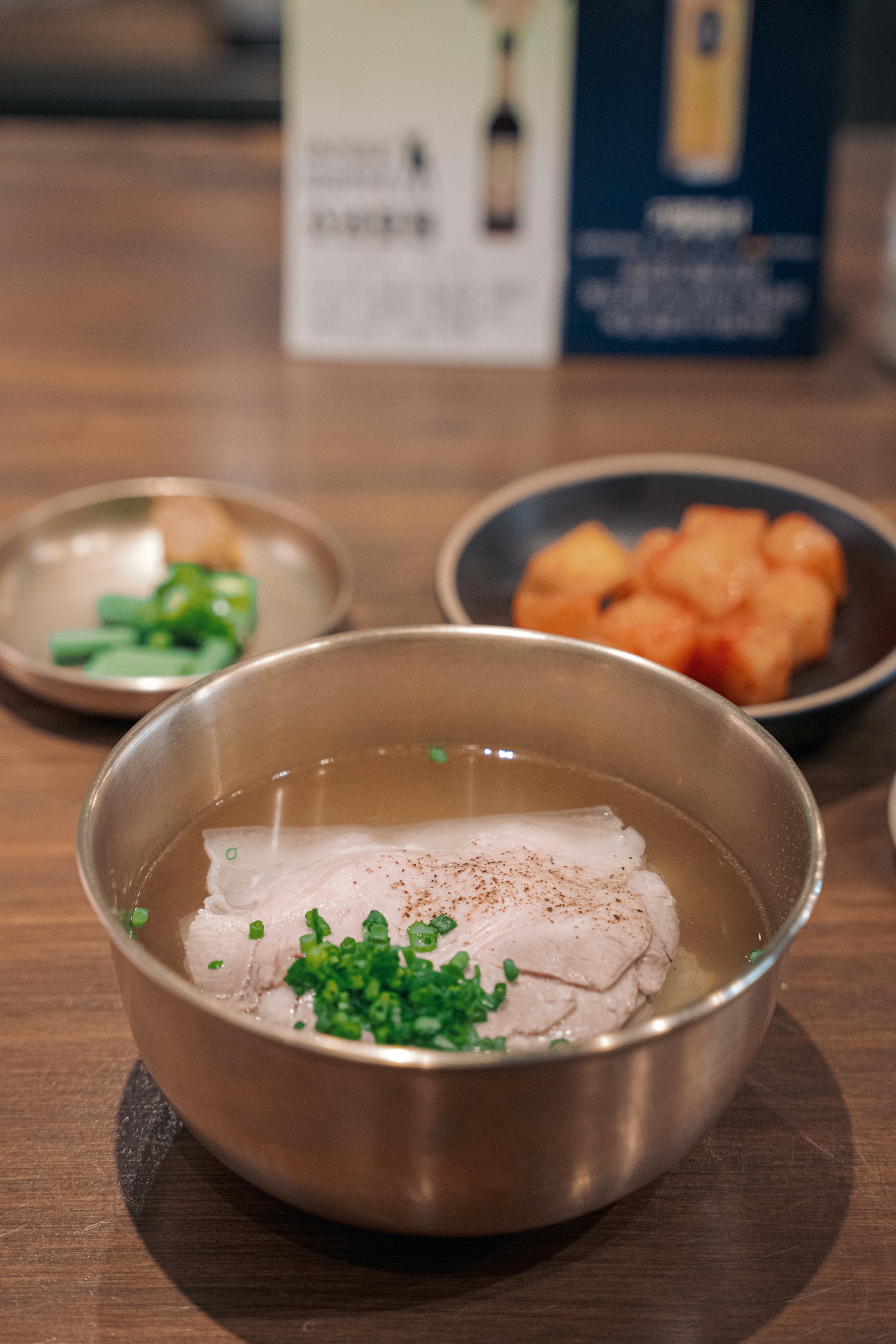
Gukbap (국밥) — literally "soup rice" — is one of the most democratic foods in Korea. A wide earthenware bowl of rich, long-simmered broth arrives at your table with rice either already submerged in the soup or served separately on the side. You season it yourself from a tray of condiments: saeujeot (새우젓, salted fermented shrimp), sliced green onions, and ground gochugaru. Then you eat it at whatever temperature it arrives — gukbap is always served piping hot, kept warm on a gas burner at the table. It is the food Koreans eat after a night of drinking, before the first meeting of the day, at 3AM and 7AM with equal conviction. Most gukbap restaurants have been open 24 hours, 365 days a year for decades. Some have been serving the same recipe since the 1970s.
Types of Gukbap
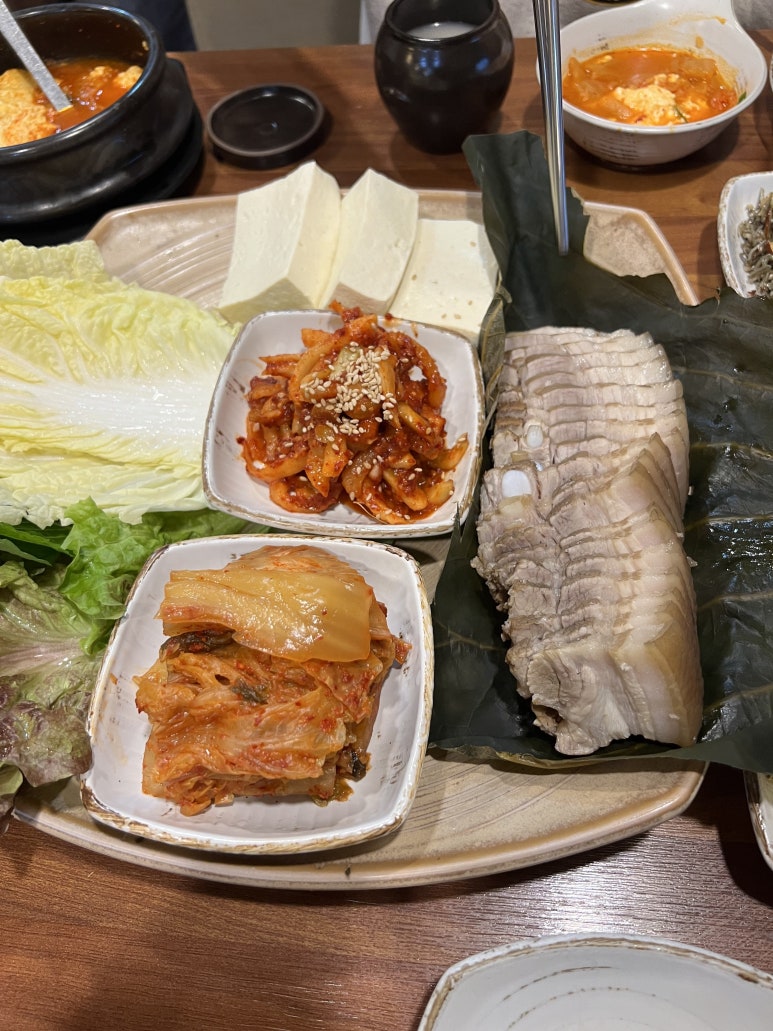
- Dwaeji Gukbap (돼지국밥) — Pork bone soup, the signature dish of Busan. Made by boiling pork leg bones and neck bones for six to twelve hours until the broth turns milky white and intensely savory. The fat emulsifies into the stock, creating a creamy texture unlike any other Korean soup. Served with slices of boiled pork belly or shoulder on the side. This is the variety most associated with gukbap culture — Busan has entire streets devoted to it, and chains like Songjeong 3-Daejji have expanded citywide. In Seoul, look for restaurants that specifically advertise 부산식 돼지국밥 (Busan-style pork gukbap) to get the authentic version rather than the clearer Seoul variant.
- Sundae Gukbap (순대국밥) — The same pork bone broth base, but with sundae — Korean blood sausage made from pig intestines stuffed with glass noodles, pork blood, and seasonings. The sundae adds a richer, more mineral flavor to the soup. Offal cuts including liver and lung are often included by default; ask to exclude them if preferred by saying 내장 빼주세요 (please remove the innards). This is one of Korea's most affordable filling meals: ₩8,000–10,000 for a substantial bowl.
- Soegogi Gukbap (소고기국밥) — Beef rice soup. A clearer, more refined broth made from beef brisket and bone. The flavor is deeper and less fatty than pork-based gukbap. Associated with Gyeonggi Province and traditional market food culture. Garnished with sesame oil, sliced scallions, and sometimes a raw egg yolk stirred in at the table.
- Haejangguk (해장국) — Literally "hangover soup," though locals eat it any time. The most common version is made with dried napa cabbage (우거지, ugeoji), doenjang (fermented soybean paste), ox blood, and pork bones. The result is intensely savory and slightly funky — exactly what a depleted body craves after a night of soju. Jongno-gu and Euljiro both have famous haejangguk alleyways that open at 5AM for the night-shift crowd and early risers.
- Seonji Gukbap (선지국밥) — Features seonji, coagulated ox blood cut into cubes with a soft, tofu-like texture. The cubes absorb the broth and carry a gentle iron flavor that is far milder than it sounds. A Daegu specialty. The broth is typically clearer and lighter than Busan dwaeji gukbap.
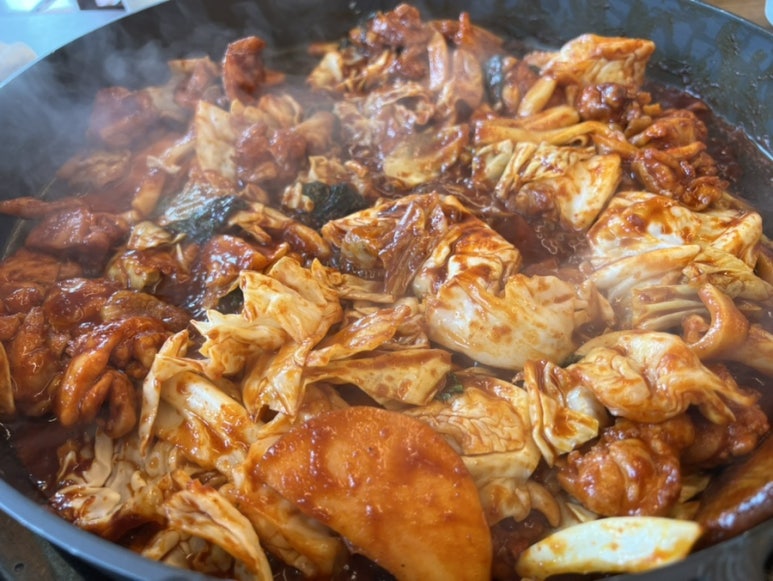
- Gamjatang (감자탕) — Technically a separate category but often grouped with gukbap culture. Pork neck bones and spine simmered with perilla leaves, gochugaru, and potato. The meat clings to the bone and must be pried off — eating it is a full-body activity. Excellent for sharing; also served with rice mixed into the remaining broth at the end of the meal.
Busan vs. Seoul Style
The distinction matters and locals will be quick to point it out. Busan dwaeji gukbap has a milky, opaque broth from prolonged boiling of collagen-rich pork bones. The flavor is bold, fatty, and deeply savory — you can taste the hours of cooking. Seoul-style pork gukbap tends to use a lighter, cleaner broth, sometimes with a clearer appearance. Both styles are valid, but if you are ordering gukbap for the first time and want the definitive Korean experience, seek out Busan-style. It is the version that K-drama characters rush home for, the version that Busan-born Seoulites feel homesick for.
In Busan itself, the Seomyeon and Gukje Market areas have the highest concentration of historic dwaeji gukbap restaurants. Many have been in operation since the 1950s Korean War era, when the dish became widespread as an affordable, filling meal for displaced populations. The culinary history is embedded in the food.
How to Eat Gukbap
When the bowl arrives, do not eat immediately. Customize first. The condiment tray on your table will contain some or all of the following:
- Saeujeot (새우젓) — Salted fermented shrimp. Add a small spoonful and stir it in. This deepens the umami of the broth and adds salinity. It is the most important condiment for dwaeji gukbap.
- Sliced Green Onions (파) — Add a generous handful directly into the soup. They soften slightly in the heat and contribute freshness.
- Gochugaru (고춧가루) — Coarsely ground Korean chili flakes. One teaspoon adds color and mild heat; two teaspoons makes it genuinely spicy. Add incrementally.
- Doenjang or Dwenjang (된장) — At some restaurants a small dollop of fermented soybean paste is available to add body and depth to the broth.
Rice can be eaten two ways: mixed directly into the soup (말아먹기) for a porridge-like consistency, or kept separate and eaten alternately with spoonfuls of broth and meat. Both are correct. Most Koreans mix the rice in. Kimchi — always provided as a banchan side dish — is eaten alongside each spoonful and is not optional; it is a structural part of the meal.
The broth is kept at near-boiling temperature throughout the meal, so take your time. Eating gukbap is not rushed. At 24-hour restaurants, you will see people sitting alone, slowly working through a bowl at any hour of the day or night. It is an entirely acceptable thing to do.
Where to Find Gukbap
- Busan (부산) — The home of dwaeji gukbap. Seomyeon Station area has dozens of restaurants within a few hundred meters of each other. Gukje Market (국제시장) is another historic gukbap zone. Busan-style is available in Seoul but visiting the source is worthwhile if you are making the trip.
- Jongno-gu, Seoul (종로구) — The old Pimatgol alley area and streets around Gwangjang Market have traditional haejangguk spots open from 5AM. The clientele at 6AM includes butchers from the nearby market, taxi drivers, and the occasional group finishing an all-night session.
- Euljiro (을지로) — Old Seoul working-class district with a strong gukbap restaurant culture. Several spots here have been operating since the 1980s without visible modification.
- Suwon and Gyeonggi Province (수원, 경기도) — Strong soegogi gukbap culture around traditional markets. Worth seeking out if you are visiting the region.
- 24-Hour Chain Restaurants — Chains like Baekban Sikdang (백반식당) and various local franchises operate round-the-clock gukbap restaurants near subway stations across Seoul. Not the most atmospheric option, but reliable and consistently good.
Price Range
Gukbap is a working-class food and priced accordingly. Most independent restaurants charge ₩8,000–10,000 for a bowl of sundae gukbap or dwaeji gukbap with unlimited kimchi and rice. Soegogi (beef) versions run slightly higher at ₩10,000–13,000. Premium versions at established Busan-style restaurants in Seoul — particularly those using heritage breed pork or longer-simmered bone broth — can reach ₩14,000–16,000. Adding extra sundae or meat as a side order typically costs ₩3,000–5,000. The total bill for a filling gukbap meal with a bottle of makgeolli (rice wine) rarely exceeds ₩20,000 per person.
Tips for First-Timers
- Start with dwaeji gukbap (돼지국밥) or soegogi gukbap (소고기국밥) if you are unfamiliar with Korean fermented flavors. Haejangguk and seonji gukbap involve stronger, more challenging flavors and are better appreciated after some experience with Korean food.
- Tell the kitchen 내장 빼주세요 (nae-jang bbae-ju-se-yo) to omit offal from sundae gukbap if you prefer. This is a common request and not considered rude.
- Gukbap restaurants that have been open since early morning will have the best-developed broth by lunchtime — the stock deepens over hours of simmering. Visiting between 11AM and 1PM often produces the richest bowl of the day.
- The hangover cure reputation is real. The combination of sodium from saeujeot, protein from pork, and warmth from the broth is genuinely restorative. Koreans eat gukbap after drinking for good reason.
- At 24-hour restaurants, take-out (포장, pojang) is common. A sealed container of gukbap travels well for 20–30 minutes and reheats easily. You will see people carrying pojang bags from gukbap restaurants at 2AM outside convenience stores.