Best Museums & Cultural Venues in Incheon
Museums, Galleries & Cultural Centers
Explore Incheon's most significant museums, galleries & cultural centers. Learn about Korea's rich heritage and plan your visit.
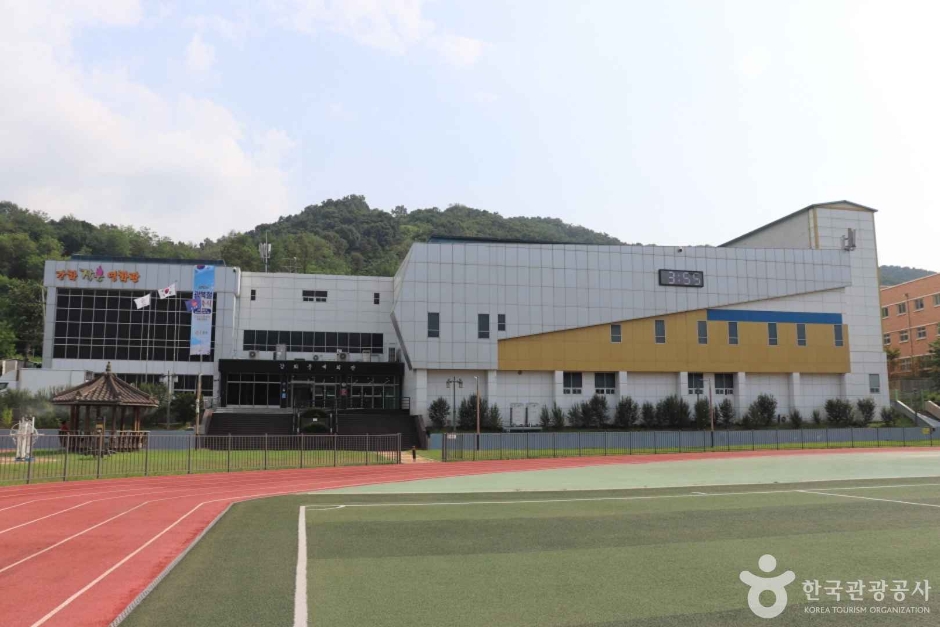
Ganghwa Arts Center
강화문예회관
Built in December 1991, the Ganghwa Literary Center is located within a public stadium in Ganghwa-eup, with a total floor area of 4,056㎡, consisting of basement, one above-ground floor, and three above-ground floors. Centered around the Arts Center, various official events as well as cultural performances and sports events are consistently held, and recently, with the opening of the Culture House, youth usage has surged. Looking at the main facilities of the Arts Center, which is establishing itself as a representative cultural facility for regional cultural development as a new comprehensive cultural space, the basement houses a restaurant and a machine room, while the first floor houses a large performance hall with a capacity of 1,300, and large-scale cultural events are mainly held in the main hall.
MuseumCultural
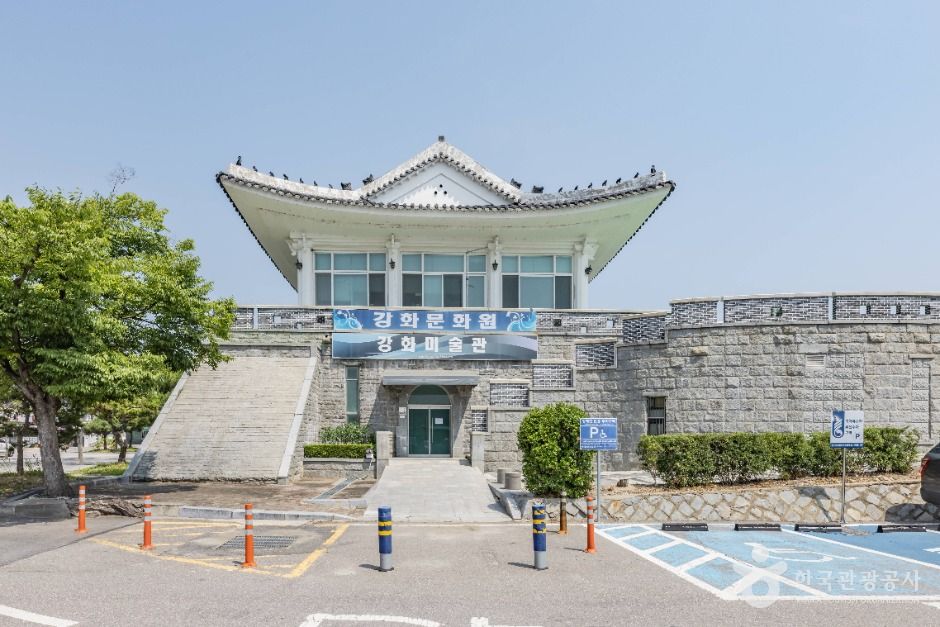
Ganghwa Cultural Center
강화문화원
Located south of Ganghwa County Office, the Ganghwa Cultural Center was Korea's first cultural center, opened in 1947, and was established to research and develop local culture of Ganghwa Island. It serves as a venue for artists connected to Ganghwa and to showcase exhibitions and for artists from Ganghwa to interact. Ganghwa Cultural School, operated by the Cultural Center, plans and operates various educational and event activities on different days of the week to promote local culture and enhance the quality of benefits for local residents, including calligraphy, calligraphy, gayageum, and classical guitar. In particular, the Gaecheon Daeje ritual manual is being restored, restoring rituals close to their original form, thereby inheriting Korea's history and traditions and contributing to the development and advancement of local cultural content.
MuseumCultural
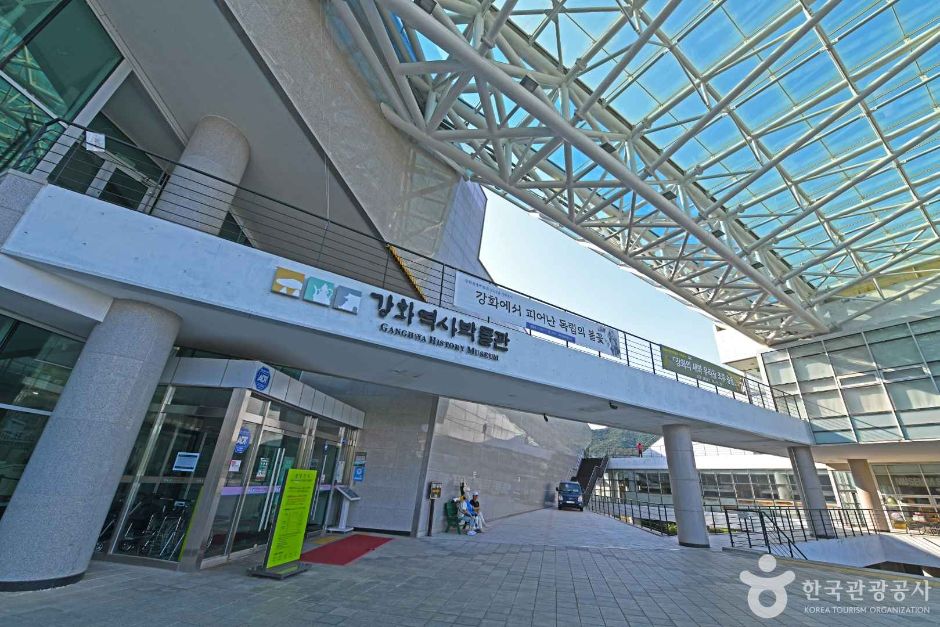
Ganghwa History Museum
강화역사박물관
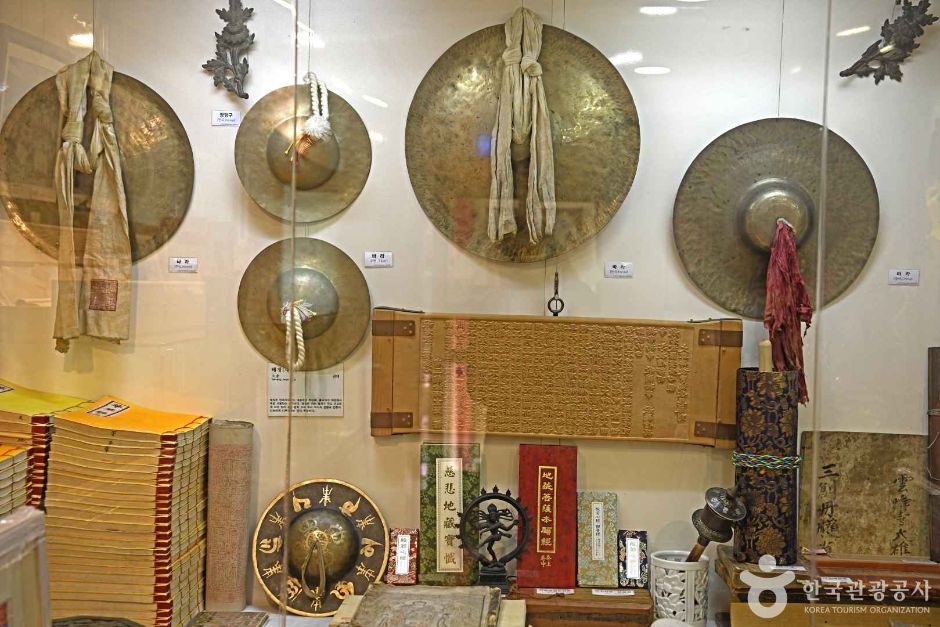
The Ganghwa History Museum is a public museum established to preserve, research, and exhibit the cultural heritage of Ganghwa. It was originally located next to Gapgotdondae and moved to its current location in 2010. It is equipped with various auxiliary facilities including permanent exhibition halls, special exhibition halls, and video rooms. The permanent exhibition hall displays cultural assets such as prehistoric sites in Ganghwa, artifacts excavated from the Goryeo royal tombs, Hyanggyo schools, and traditional temple collections, while the special exhibition hall hosts special exhibitions with diverse themes every year. To help understand Ganghwa's history, it operates a video room and educational programs together, fulfilling its role as a complex cultural space. The Ganghwa History Museum is located next to the Dolmen Park, where you can see the Ganghwa dolmens, which are designated as a World Cultural Heritage site, and the Ganghwa dolmen, a representative Bronze Age artifact measuring 710cm long and 550cm wide.
MuseumCultural
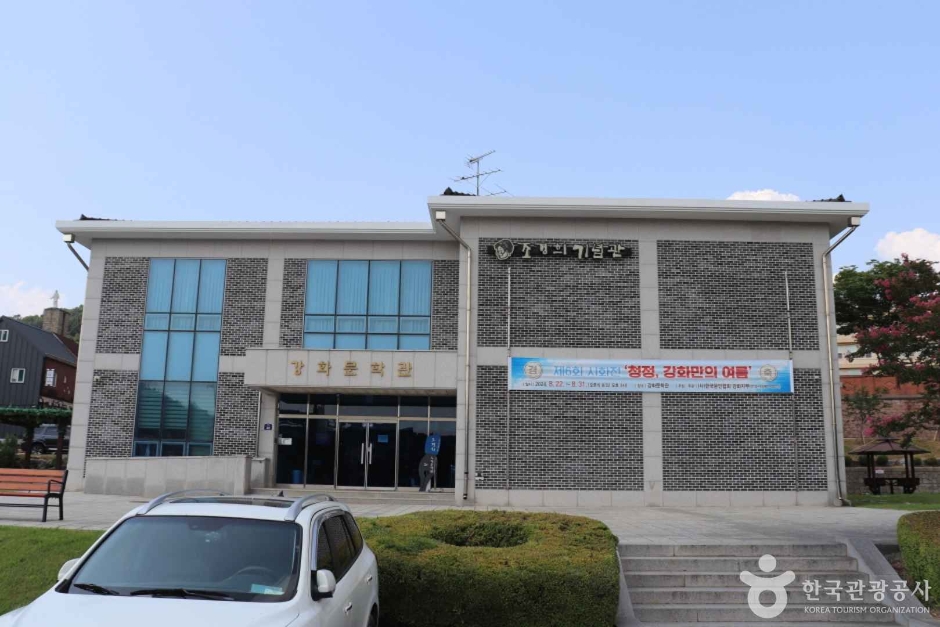
Ganghwa Literature Hall
강화문학관
The Ganghwa Literature Museum is a literary museum located in Ganghwa County, Incheon Metropolitan City. This place was established by the late essayist Jo Kyung-hee, who was from Ganghwa. It houses about 8,000 items donated by Jo Kyung-hee to Ganghwa County. The Ganghwa Literature Museum consists of an exhibition hall on the first floor and a Jo Kyung-hee Essay Literature Museum on the second floor. The first-floor exhibition room introduces works by old writers related to Ganghwa Island, such as Lee Gyu-bo, Jeong Cheol, and Jeong Je-du, who have left their mark on Korean literary history. The essay literature hall on the second floor displays Jo Kyung-hee's handwritten manuscripts, desks and glasses used during her lifetime, as well as over 40 art pieces. The Ganghwa Literature Center offers and operates various literary classes and lectures, and will continue to work to revitalize local literature as a platform for creative writing education.
Cultural
Ganghwa War Museum
강화전쟁박물관
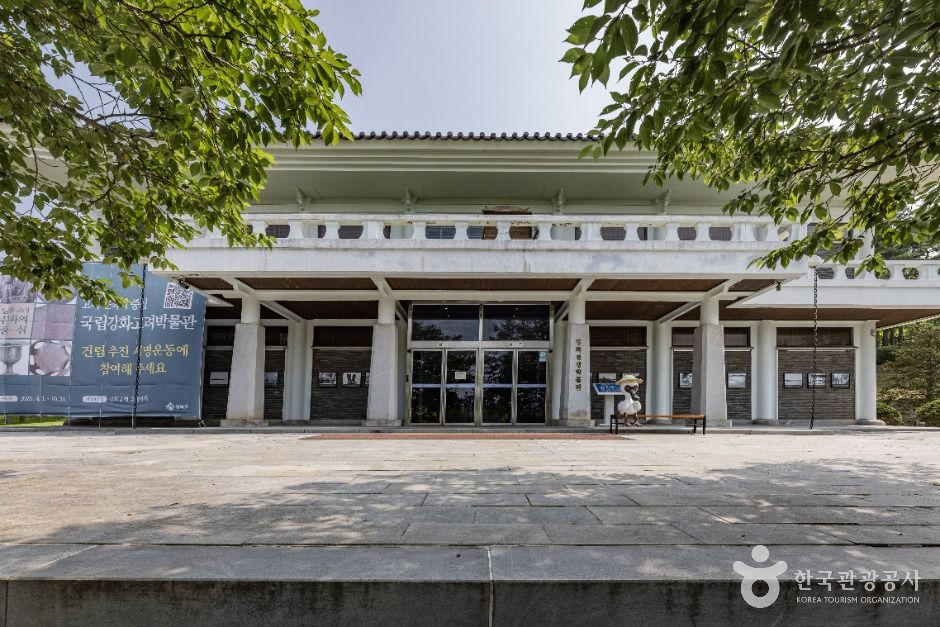
The Ganghwa War Museum exhibits artifacts related to the war that took place in Ganghwa. Due to its geopolitical location, Ganghwa Island has a long history of uprisings. It exhibits 120 artifacts from various wars that occurred in Ganghwa, spanning from prehistoric times to modern times. Among the four themed exhibition halls, Exhibition Hall 1 focuses on the prehistoric era through the Three Kingdoms period, displaying stone arrowheads and ringed hilt knives, while Exhibition Hall 2 displays Goryeo Dynasty iron silver helmet gear, iron helmets, and railroad figures. In Exhibition Room 3, you can see the flag of silk porcelain and the armor that General Eo Jae-yeon used to fight over Gwangseongbo during the Sinmi Yangyo (New Peace of Hope). Exhibition Hall 4 displays modern and contemporary artifacts such as the Bulrangi Cannon, the main cannon of the Joseon Dynasty, and matchlock guns used by anti-Japanese militias. In addition, there are corners and photo zones where you can experience the anti-Japanese militia.
MuseumCultural
Gap Culture Creation Zone
틈문화창작지대
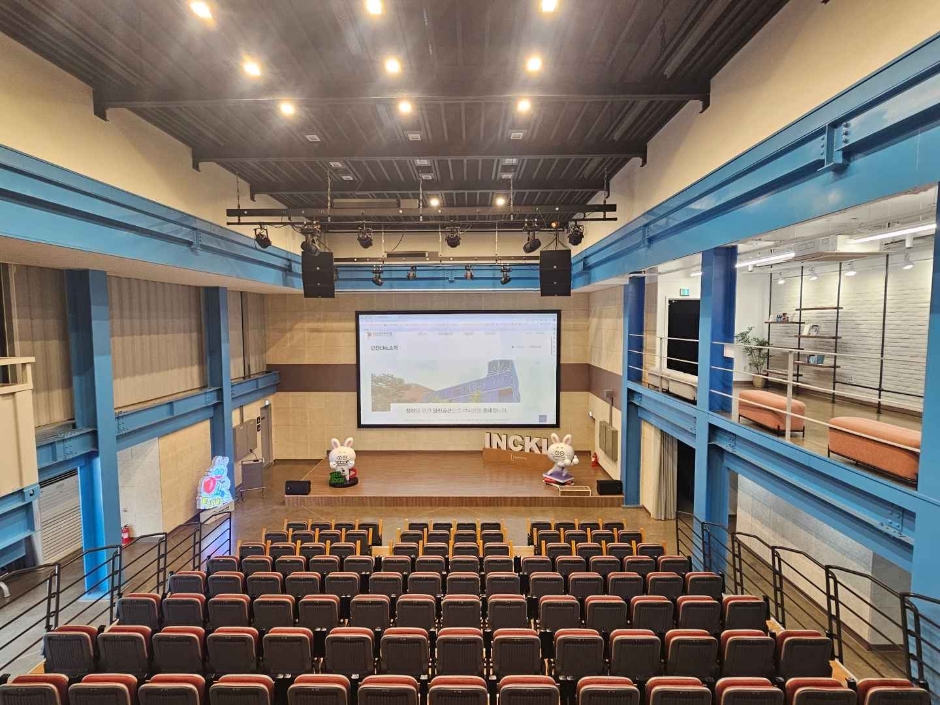
The Teum Culture Creative Zone consists of buildings with a unique exterior made up of stacked container boxes. Built to nurture cultural content creators and foster and develop the cultural industry in Incheon, it was built near the former Juan-dong Citizens' Center rest area. It serves as a dedicated space for the Incheon Content Korea Lab and plans and operates programs to support the generation, development, and commercialization of creative ideas. Members of the Incheon Content Korea Lab can use the multipurpose hall, editing room, recording room, and training room facilities.
Cultural
Gyeyang Cultural Center
계양문화회관
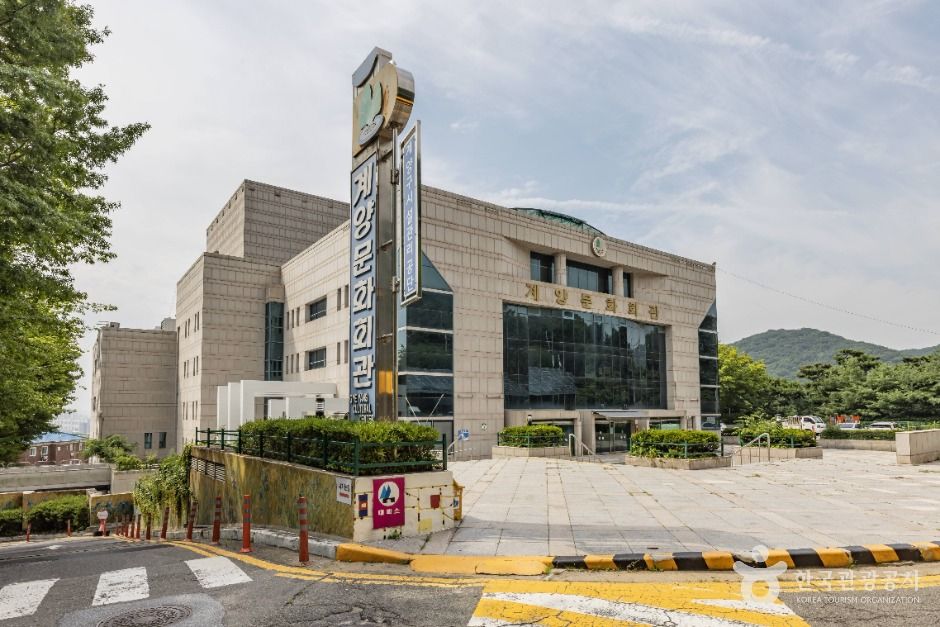
Located on Gyeyangsan-ro in Gyeyang-gu, Incheon Metropolitan City, the Gyeyang Cultural Center consists of a 795-seat performance hall, stage facilities, rehearsal rooms, and a community culture center. You can enjoy a wide range of performances, from classical performances by renowned external symphony orchestras to musicals, plays, and art shows, and performances by local bands affiliated with the Gyeyang Cultural Center are also used as diverse spaces for nearby audiences. In addition, various courses such as dance sports, well-being dance, Korean dance, calligraphy classes, and barista are also offered, making it open to people of all ages and genders.
MuseumCultural
Haden Museum
해든뮤지움
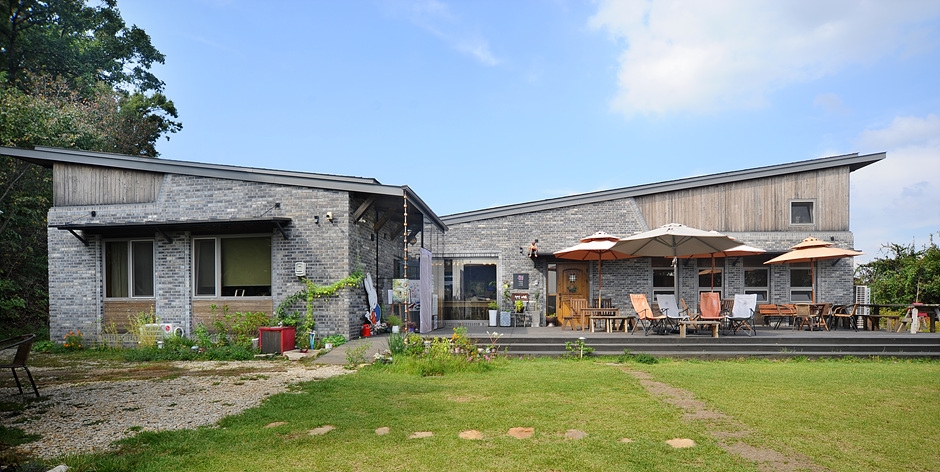
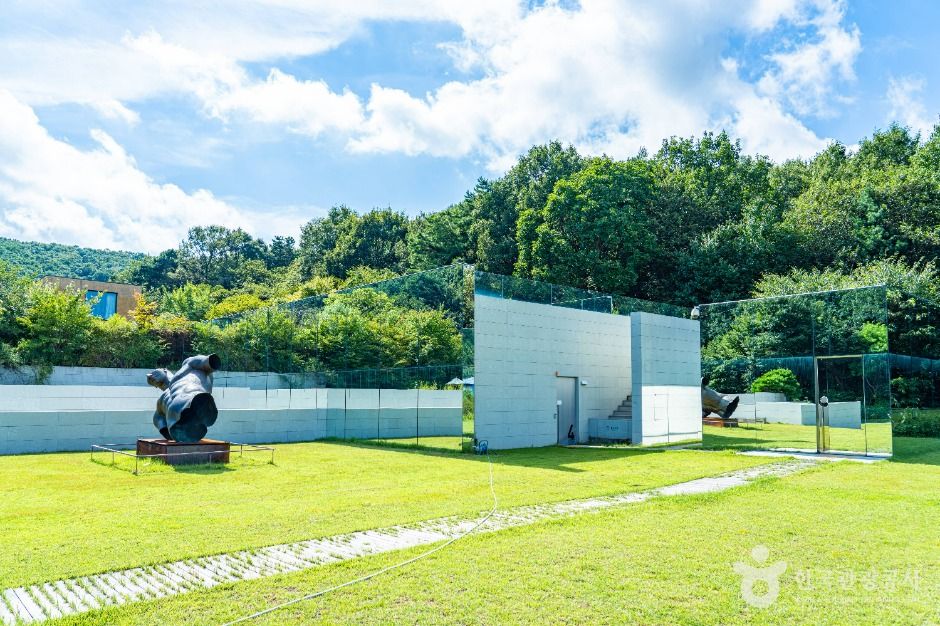
Haeden Museum is a private art museum opened in 2013, located in beautiful nature where you can enjoy education, culture, and the arts together. To date, it has strived to create a space where the public can become familiar with contemporary art by hosting special exhibitions of collections by domestic and international artists such as Chagall, Frank Stella, Roy Lichtenstein, Nam June Paik, Whanki Kim, and Ufan Lee, as well as introducing the artistic worlds of Korean masters. To fulfill its role not only as an exhibition but also as a cultural product, a new 144-seat education hall was established in addition to the existing 92-seat seminar room, allowing for creative programs and lectures, and educational programs were expanded. The museum's modern architecture, harmonized with the beautiful and beautiful nature of Ganghwa Island, also draws attention. With the concept of harmony and communication with nature, the museum is recognized as a work of art and was selected for the Korean Institute of Architects awards in 2013 <한국에서 가장="" 뛰어난="" 건축물="" 베스트="" 7="">.</한국에서>
MuseumCultural
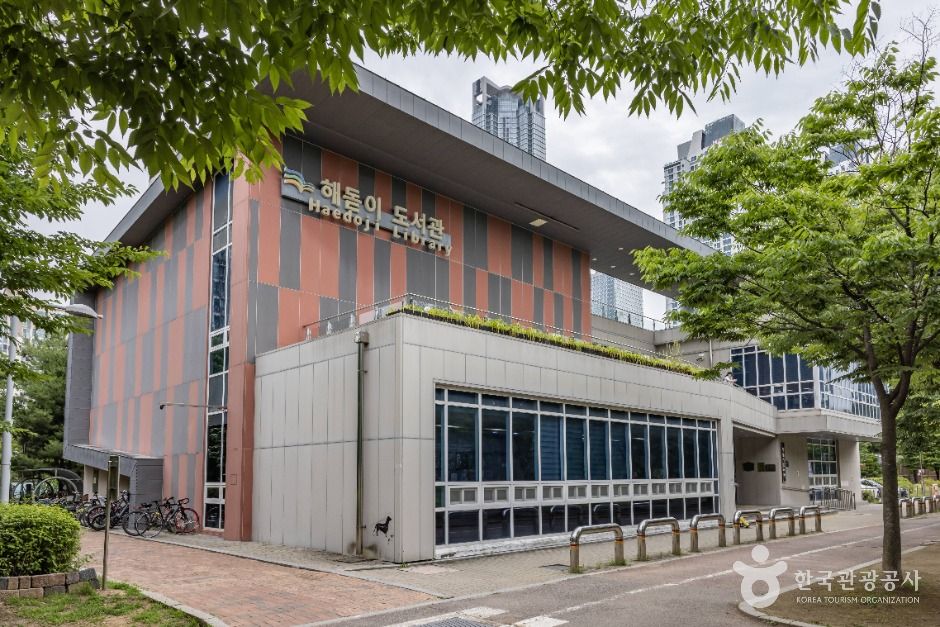
Haedoji Library
해돋이도서관
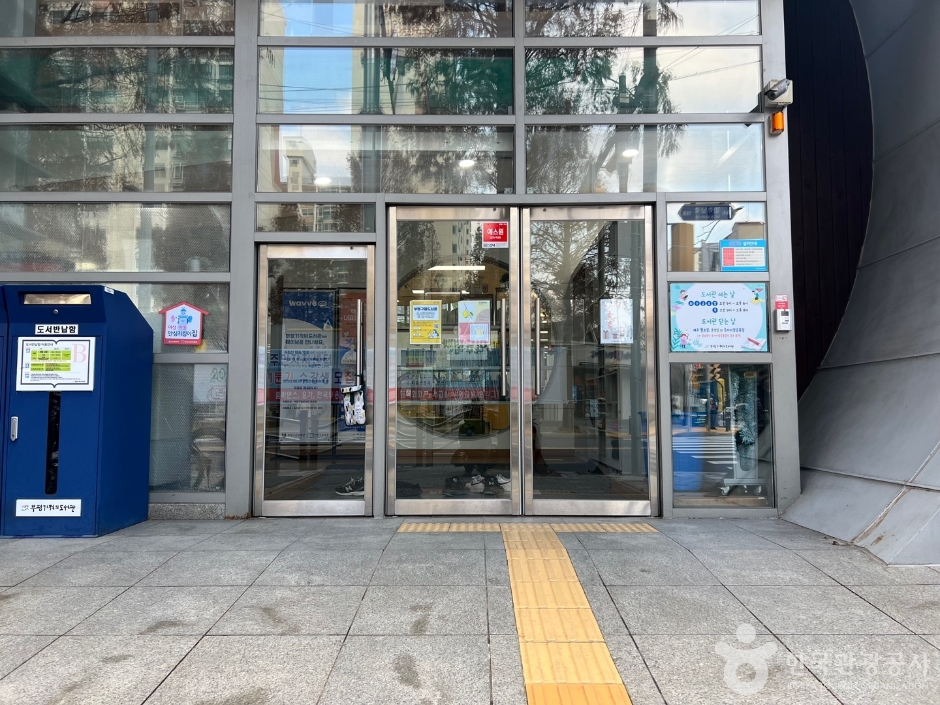
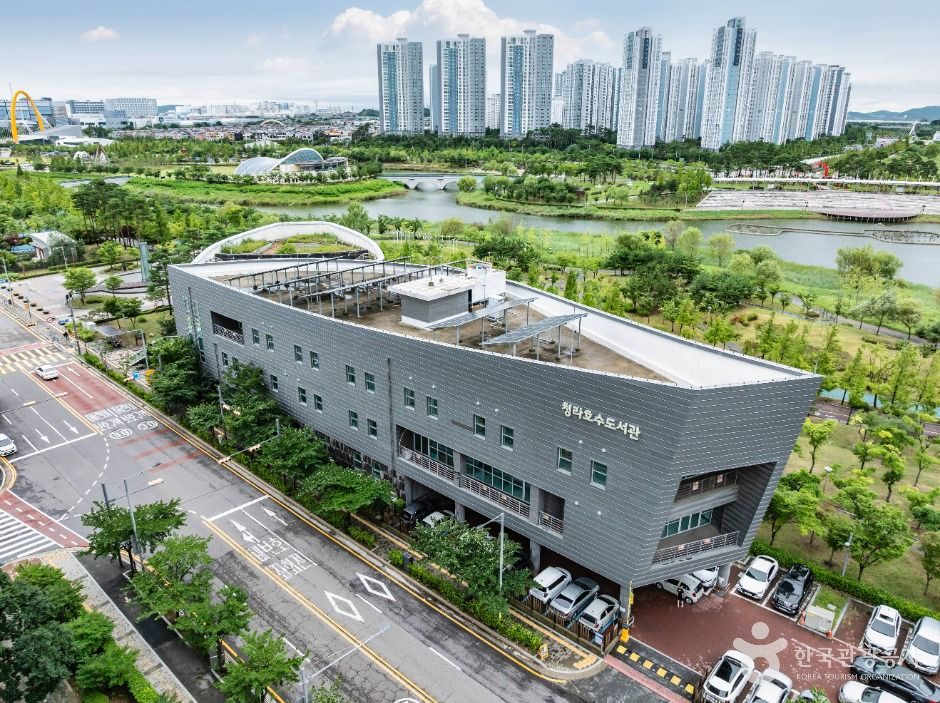
Haedoji Library is a modern library located in Songdo-dong, Yeonsu-gu, Incheon, serving as a space where scholarship and culture come together. The Haedodo Library is located within Songdo Sunrise Park, which is located next to the Songdo-dong housing complex in Yeonsu-gu, Incheon. Opened in 2016, it is a comprehensive library that satisfies everyone from infants to seniors, striving to establish itself as a cultural city. Songdo Haedoji Library is an attractive space not only for book lovers but also for those seeking relaxation and relaxation.
MuseumCultural
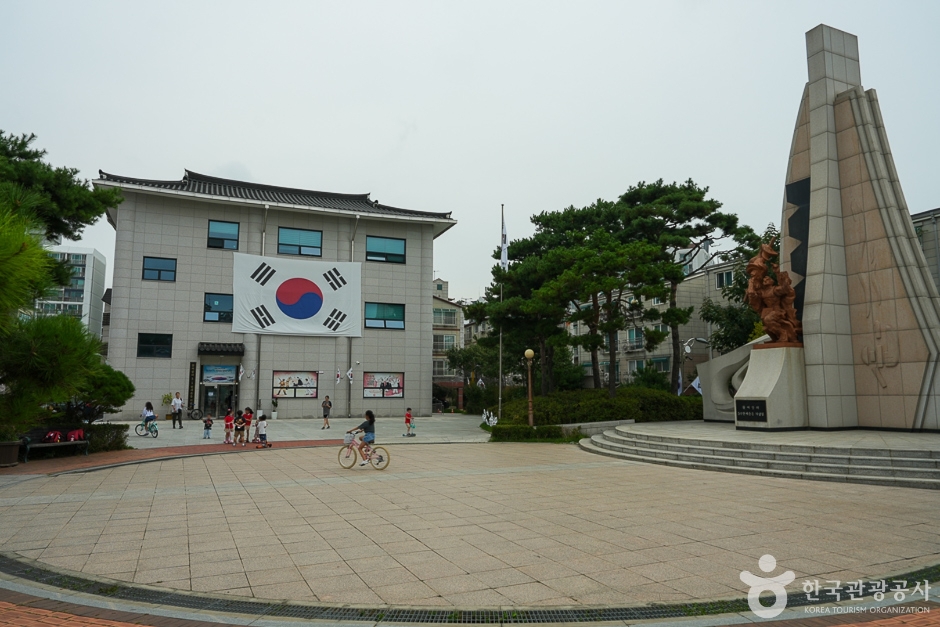
Hwang-eo Market March 1st Independence Movement Memorial Hall
황어장터 3.1만세운동 기념관
Named as the production area for carp, the Hwang-eo Market is a five-day market, and since the Joseon Dynasty, it has been a representative market in Incheon, with daily small trading volumes reaching 500~600 heads, not only for miscellaneous goods and grains. Moreover, during the March 1st Movement, hundreds of people used market days to launch a Manse Movement, making it the largest demonstration in the Incheon area. It also marked the beginning of the movement in Incheon and grew to the largest scale in the Gangseo region, aiming to widely inform Incheon citizens and citizens of Gyeyang-gu by reaffirming its historical significance and fostering pride. In May 2005, it was designated as a memorial facility by the Ministry of Patriots and Veterans Affairs, and the site consists of a plaza and a memorial tower.
The memorial hall consists of three floors: the first floor houses the Hwang-eo Market March 1st Independence Movement exhibition hall, the second floor houses the main auditorium, and the third floor includes offices and club rooms. Exhibits include the court ruling, the location map of the independence movement, a model of the March 1st Independence Movement, and inmate cards.
Cultural
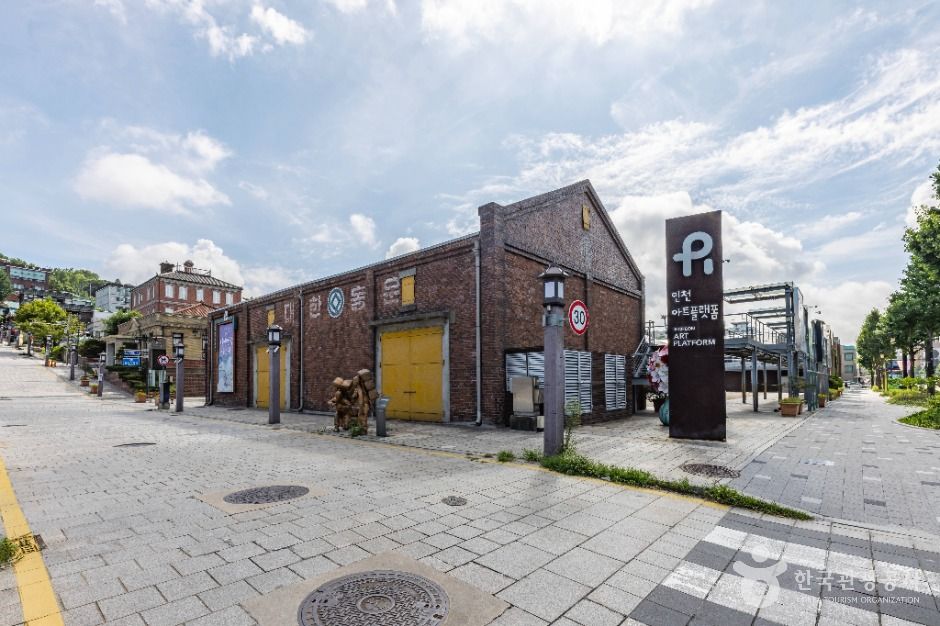
Incheon Art Platform
인천 아트플랫폼
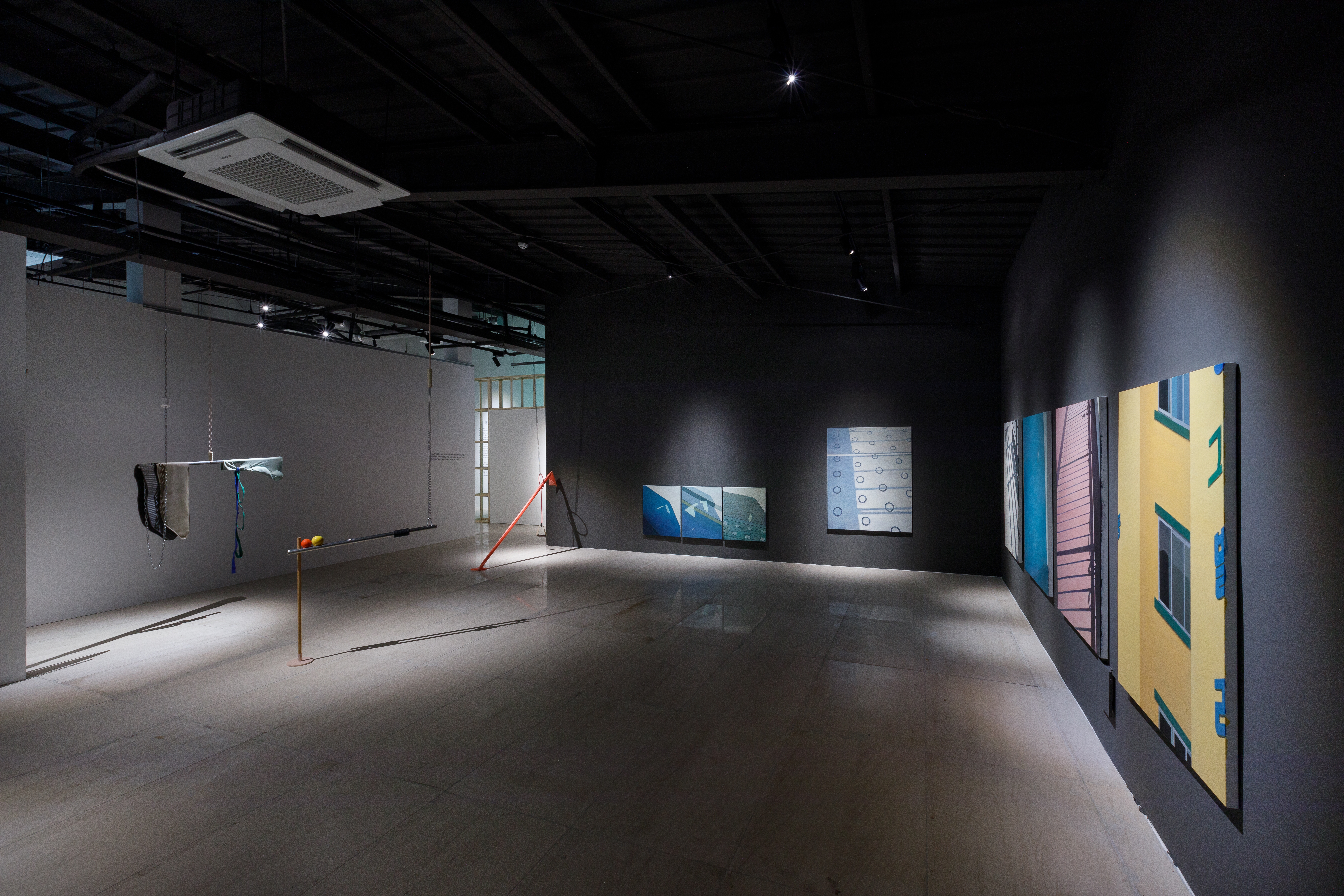
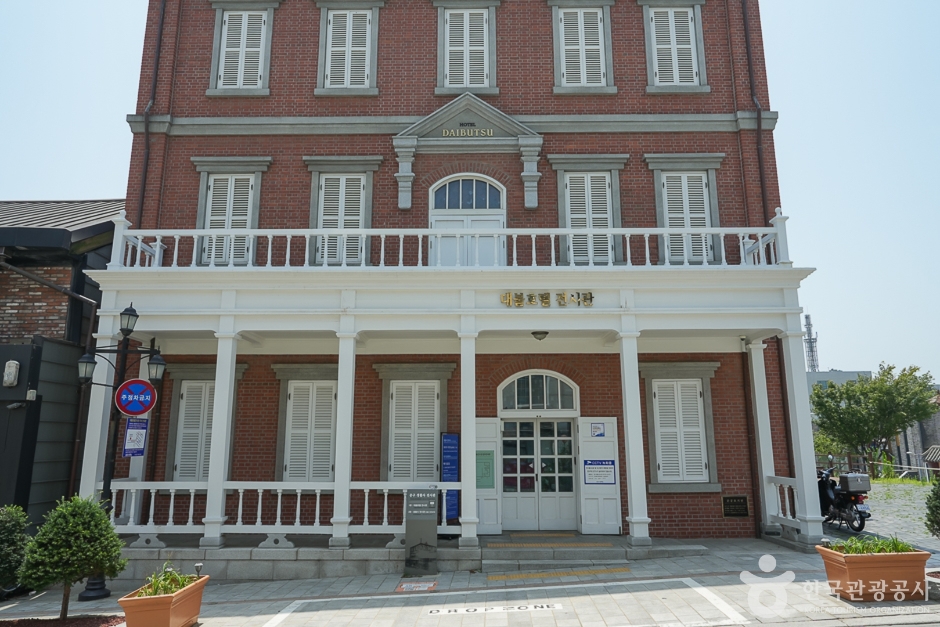
The Art Platform is a cultural and artistic creation space created by remodeling modern opening-era buildings in the Haean-dong area of Jung-gu as part of Incheon Metropolitan City's old downtown regeneration project. It opened in September 2009. As a creative space encompassing the entire process from creation, distribution, enjoyment, to education, it serves not only to revitalize local culture but also serves as a hub for ever-changing new cultural arts. Centered around artist residency programs, it operates exhibitions, performances, and citizen participation education programs, serving as a creative space for artists and a cultural and artistic plaza for citizens to share art.
MuseumCultural
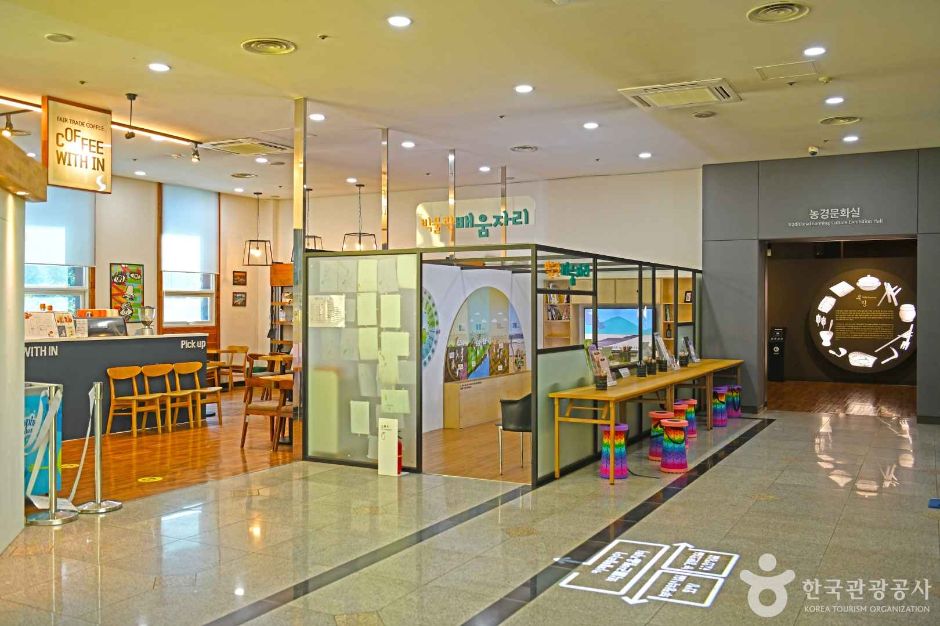
Incheon Bupyeong Cultural Center
인천 부평문화원
The Bupyeong Cultural Center was established in May 1998 with the aim of promoting local Bupyeong culture and developing and enhancing the cultural and artistic sensibilities of residents. The first director, Jo Gi-jun, was appointed as the first director, and the local cultural center was officially approved in July 1998. In August 1998, it was approved as a non-profit corporation, and in April 1999, the Local History Research Committee was launched. In 2001, it was selected as an excellent institution in the nationwide cultural infrastructure management and operation evaluation hosted by the Ministry of Culture and Tourism. In 2004, it won the grand prize for operating the Bupyeong Culture Sarangbang and the management and operation evaluation of local cultural centers. Since 2005, it has operated the Bupyeong Miracle Library, and after relocating its headquarters to the Bupyeong Cultural Center in 2013, it has been operating the Bupyeong History Museum. In 2014, Bupyeong Dure Nori was designated as an Incheon City Intangible Cultural Asset, and in 2016, it won the Korea Cultural Center Award for Regional Culture Promotion in the category of unique cultural development and dissemination, and in 2017, it received the Korea Cultural Center Award for Creative Activists in the Talent category. It carries out projects such as traditional culture inheritance, local cultural development, cultural heritage preservation, golden age support, and cultural arts education, and plans to continue striving to enhance cultural development and cultural pride rooted in the unique characteristics of the Bupyeong area.
MuseumCultural