Best Nature Spots in Incheon
Mountains, Parks & Rivers
Explore Incheon's most significant mountains, parks & rivers. Learn about Korea's rich heritage and plan your visit.
Eoryu Jeonghang
어류정항
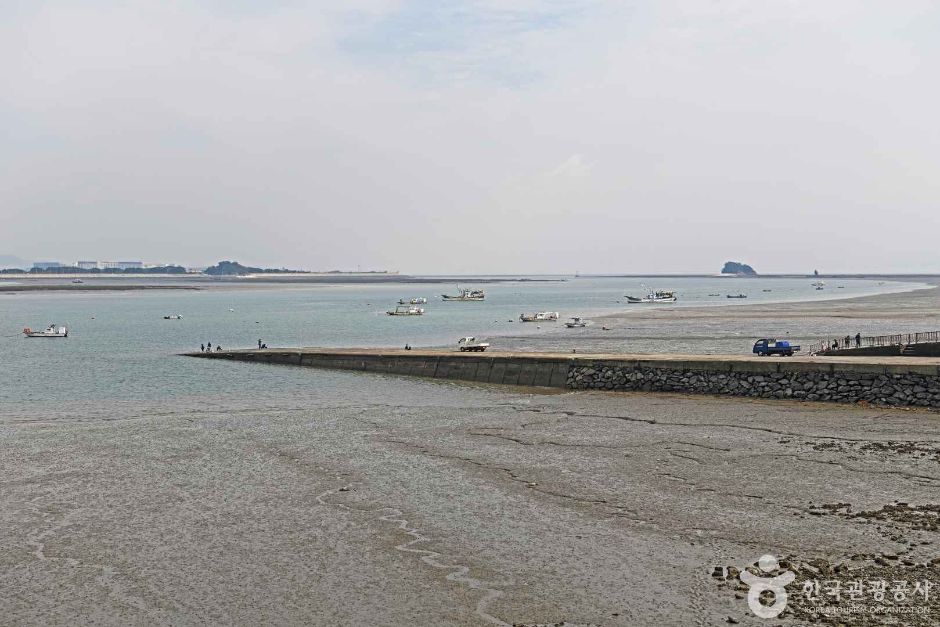
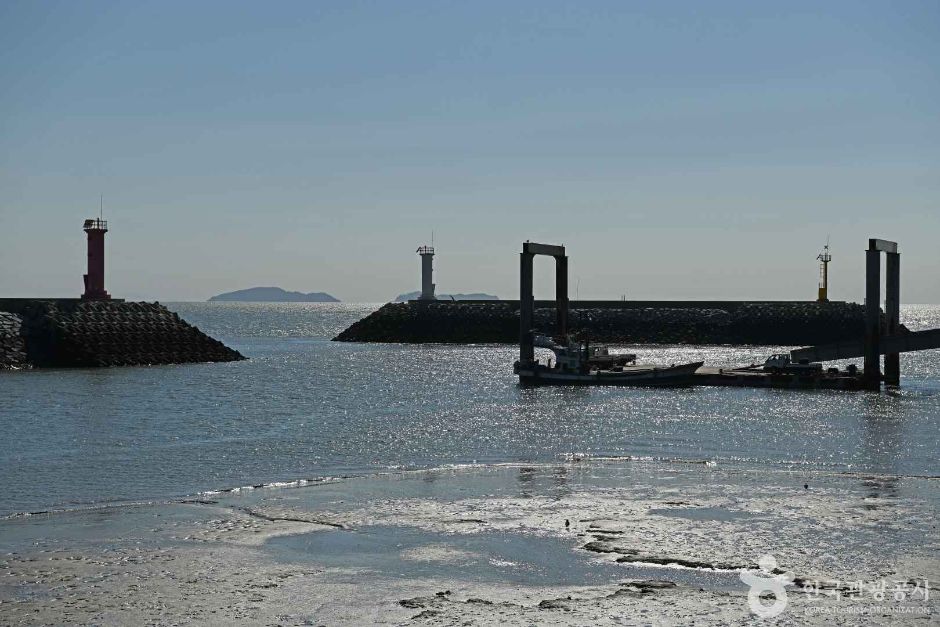
Eoryujeong Port is a small, traditional fishing village port located at the southern tip of Seokmodo in Ganghwa Island. With about 30 fishing boats and about 110 people working, the port is famous for catching many blue crabs, shrimp, butterfish, and anchovies, with a particular reputation for salted shrimp. The road is wide and close to Seoul, so it was once designated as a national fishing port, but now it mainly comes to enjoy sea fishing. There is a seafood market, and parking facilities and convenience facilities are well equipped. With the opening of the Seokmo Bridge connecting Seokmodo and Ganghwado, outsiders used to visit for car camping, but now car camping and tent setup are prohibited. However, there is a pavilion called Eoryu Pavilion near Eoryu Jeong Port, where you can relax while gazing out at the sea.
Nature
Geojampo Pier
거잠포선착장
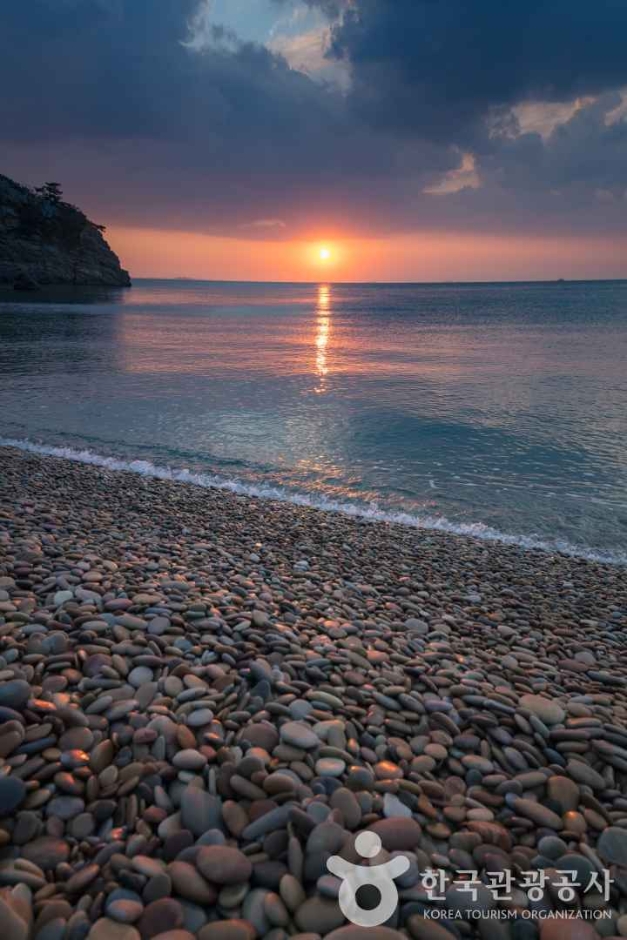
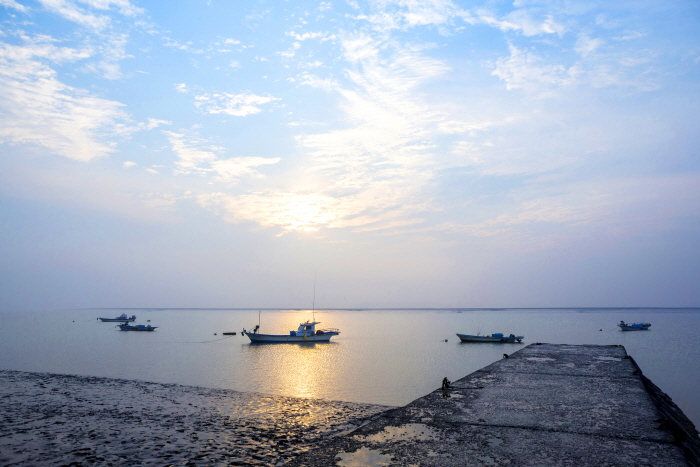
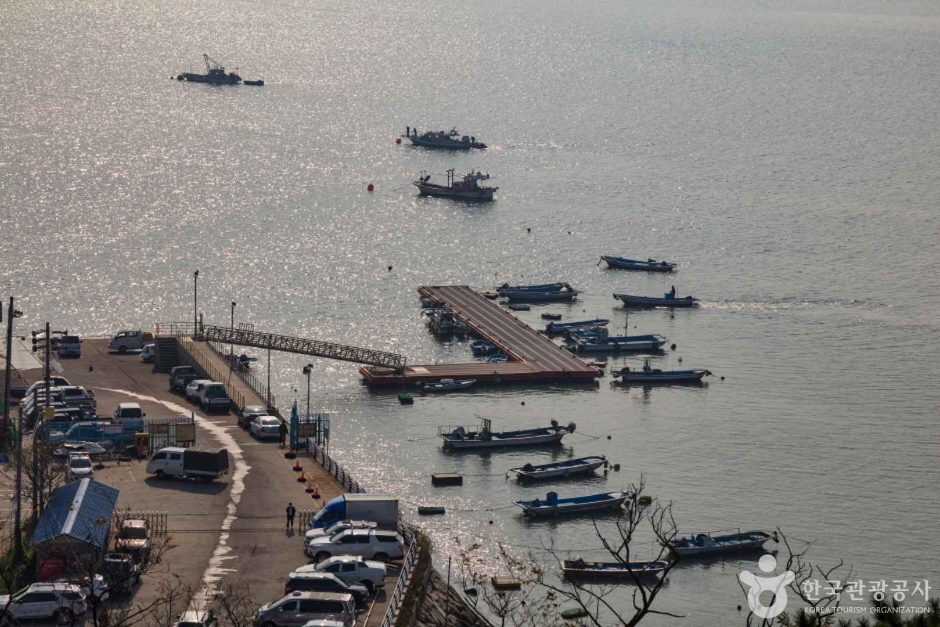
Geojampo Pier is located near Yongyu Station on the Incheon Airport Line, which connects Yeongjongdo to Muuido. This place is also a great driving route from Yeongjongdo and Jamjindo to Muuido, and is known as a prime spot on the west coast to watch the sunrise. The view of Maedorang from Geojampo Beach and the surrounding small uninhabited island add to the beautiful scenery. Next to the pier, the southern seawall of Incheon International Airport is also a great coastal road drive.
Nature
Guksabong (Incheon)
국사봉(인천)
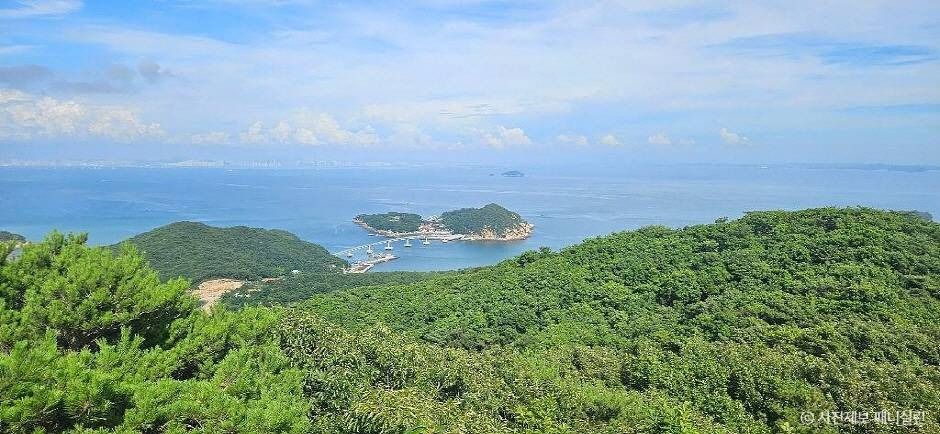
After crossing the Yeondo Bridge connecting Jamjindo and Muuido Island, the Guksabong hiking trail begins immediately upon arrival. Guksabong is a 230-meter-high mountain rising right in the middle of Muuido, making it a must-visit trekking spot for hiking enthusiasts. From the summit, you can see the open West Sea, see Incheon International Airport and Incheon Bridge in the distance, and enjoy the beautiful scenery of Muui-do near Silmi Beach and Hanagae Beach.
Nature
Gulpocheon Ecological Stream
굴포천 생태하천
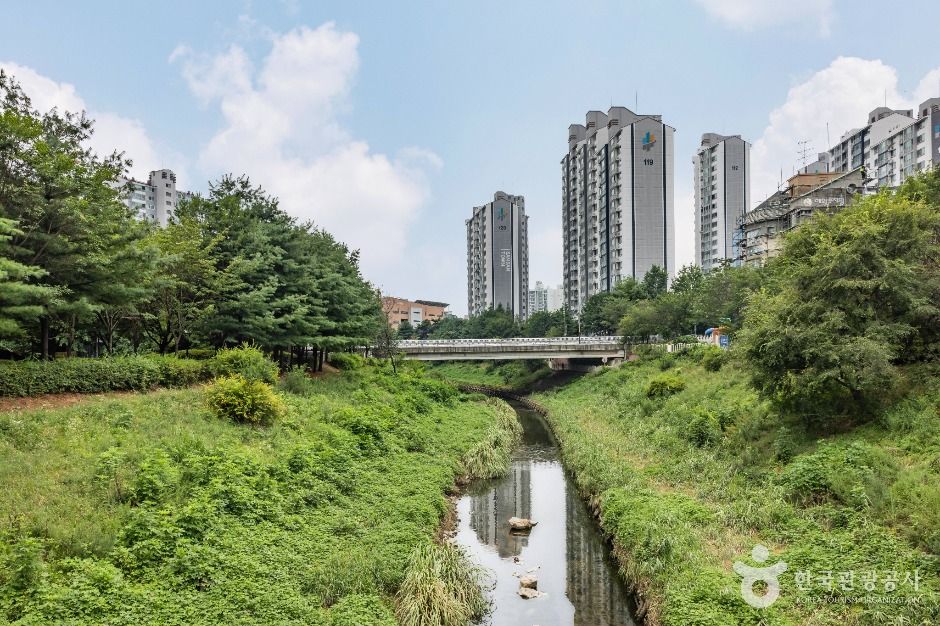
Gulpocheon Ecological Stream is a representative waterfront space in Bupyeong-gu, Incheon, where visitors can relax by using the water as their companion. This river was created in 2008 through the Gulpocheon Natural Stream Project, revitalizing a 6 km section from Bupyeong District Office to the Bucheon border as an ecological stream.
During the reign of King Jungjong of Joseon, it is said that ships carrying grain and other goods from the Samnam region often capsized at Sondolmok in Ganghwa. The name was given because people built the river (Pangae) to avoid this route and ensure safer transport, indicating that it is a trace of canal construction.
Today, the Gulpocheon ecological stream has become a refreshing retreat in the city. Fountains and waterfront facilities have been built around the waterfront walking paths, and various aquatic plants such as silver grass, cattail, sukuryeong, and yellow iris have been planted to purify the water, transforming the area into a beautiful waterfront space that serves as a resting place for many visitors.
Nature
Gwangmyeong Port
광명항
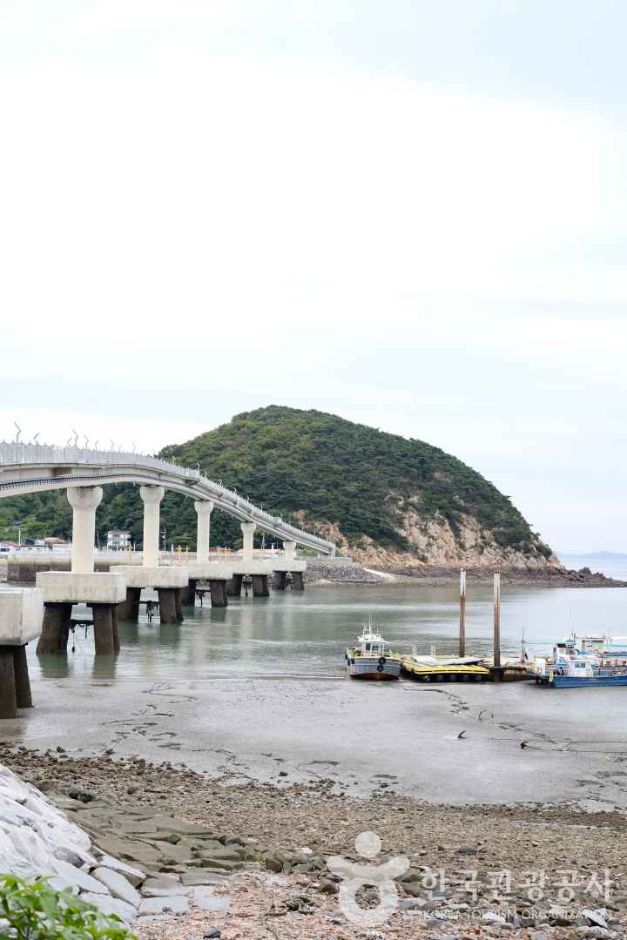
Gwangmyeong Port is a small port on Muui Island overlooking Somuido. In the past, it was a port for boats crossing to Somuuido, but now, with the construction of the Somuuido footbridge, the role of Gwangmyeong Port has changed. Instead of serving as a pier for passenger ships in the past, it has become the terminal for buses carrying tourists visiting the Somuuido Sea Trail. From Yongyudo's Jamjin Pier, you board a ferry to Muuido and get off at Geunmuri Pier; from here, you take the village's public bus to Gwangmyeong Port, and crossing the Somuuido pedestrian bridge connects directly to the Somuuido Sea Nuri Trail. Gwangmyeong Port is also the gateway to Horyonggok Mountain, a popular climbing route in Muui Island. For this reason, along with Hanagae Beach, it has become an important starting point for trips to Muuido and Somuido. Nowadays, pensions and sashimi restaurants are opening one after another nearby, making the area livelier than before. In the past, Gwangmyeong Port was rich in seafood such as shrimp and croaker, and was once exported to Japan, but now it is a popular fishing spot for local fishermen and anglers who catch blue crabs, conch, and webfoot octopus.
Nature
Gyeongin Ara Boat Road Gyulhyeonnaru
경인아라뱃길귤현나루
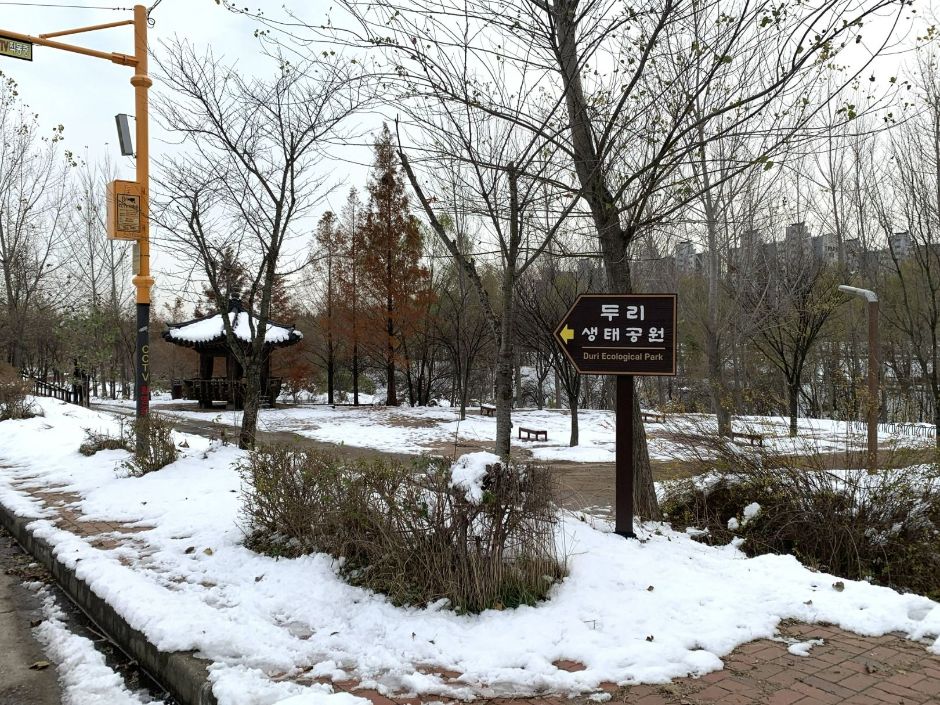
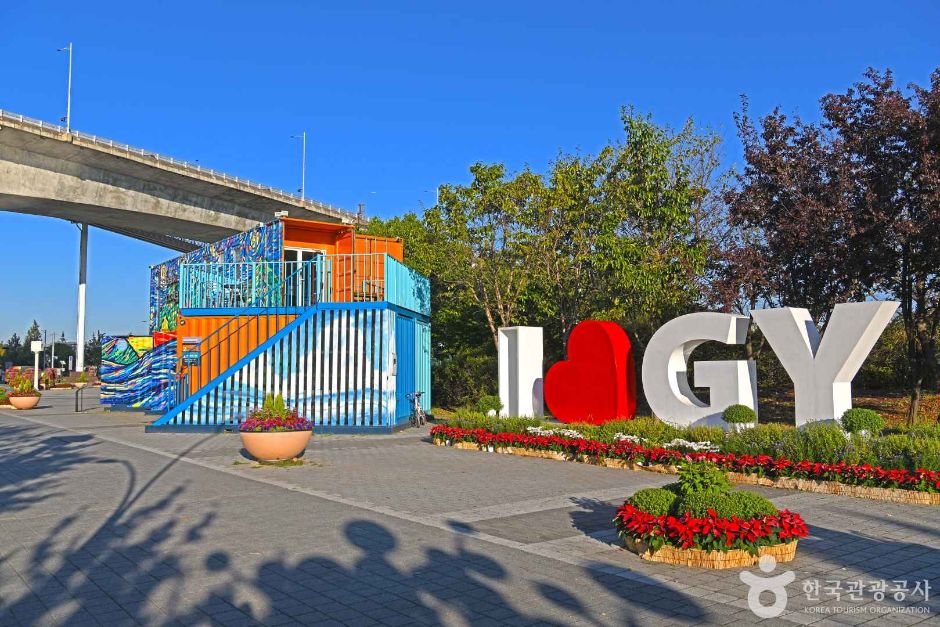
Gyulhyeon Ferry is a nature-friendly healing spot connected by the Gyeyang Bridge, which lies between the north and south sides of Gyulhyeon Ferry across the refreshing Han River stream. It features well-equipped wooden deck walking paths and bike paths, making it a nature-friendly healing spot. You can cross the connecting bridge using the elevator overlooking Gyeyang Bridge to travel between the north and south sides, and enjoy amenities such as cafes, convenience stores, restrooms, and bicycle rental stations. Nearby are the vast fields of Gimpo and Suhyangnu, along with Suhyangwon, which showcases traditional beauty, and Duri Ecological Park, where you can experience ecological wetlands. In particular, the 50-meter-high Gyulhyeon Tower observatory offers panoramic views of the Ara Waterway and Incheon, making it a beloved resting spot, driving route, and date spot for citizens. Not only on weekdays, but on weekends, the area is bustling with people out cycling. It is a 15-minute walk from Korail Airport Railroad Gyeyang Station.
Nature
Gyeyangsan
계양산
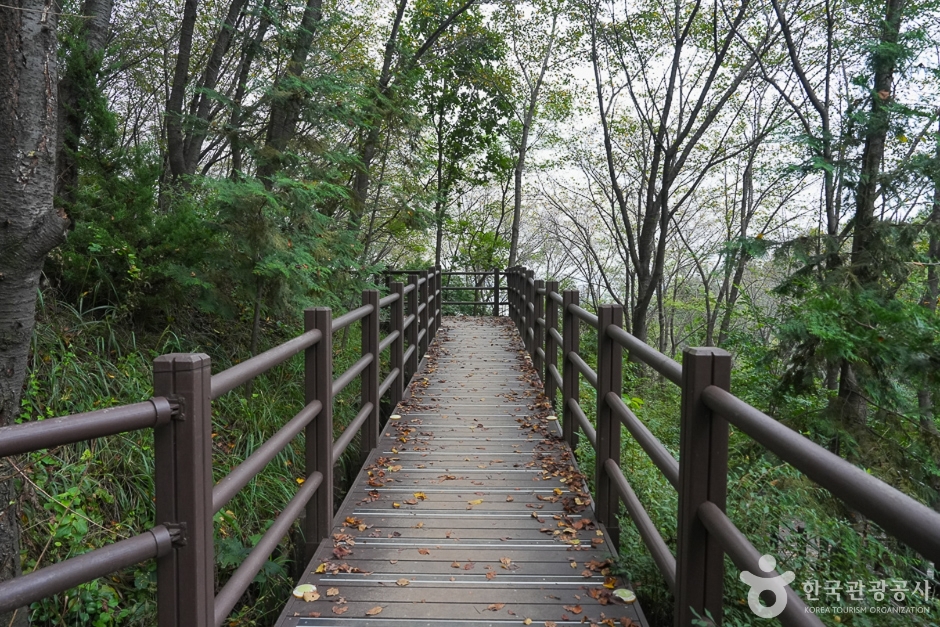
Gyeyangsan, at 395 meters above sea level, is the highest mountain in Incheon Metropolitan City outside of Ganghwa Island. It is said that the mountain was named Gyeyangsan because cinnamon trees and boxwood grew naturally on the mountain. It is suitable for half-day hikes in the metropolitan area and easy for beginners, attracting many hikers. It is also conveniently accessible by public transportation, as it is close to Gyesan Station on Incheon Subway Line 1 and the trailhead. There are a total of nine hiking routes, ranging from as short as about 50 minutes to as long as just over 2 hours. Usually, hikes start at Yeonmujeong, pass through Octagonal Pavilion, reach the summit, and then descend along the ridge leading south. However, since the main ridge trails lack shade, it is more suitable for spring and autumn hiking than summer. Using the Gyeyangsan Barrier-Free Trail, which connects Forest Park and Gyeyangsanseong, people with disabilities and the elderly can easily climb the mountain. Gyeyangsan is also a mountain where you can hike and explore history at the same time. There are many interesting sights such as Gyeyang Fortress, built during the Three Kingdoms period and used until the Joseon Dynasty, the site of Jaodang where scholar Lee Gyubo stayed during the Goryeo Dynasty, Chojeongji, Bongwolsa site, and the beacon tower ruins. From the summit, you can see the panoramic view of Seoul Metropolitan City, including Gimpo Airport to the east, and the surrounding islands such as Yeongjongdo and Ganghwa Island to the west.
Nature
Gyeyangsan Forest Bathing Area
계양산 산림욕장
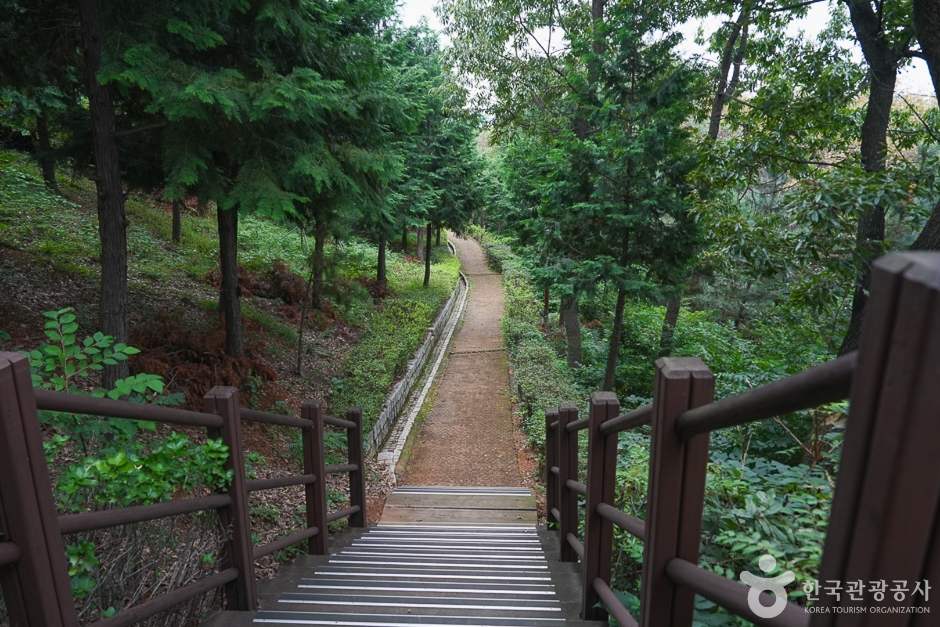
Located where the Gyeyangsan Trail begins, Gyeyangsan Forest Bathing Area covers a total area of 73,379㎡ and is a forest developed between 2012~2020. It consists of shrubs such as cypress, birch, and Japanese cypress, as well as various trees like Seomsiho. There is a natural ecological observation trail where you can observe the various aspects of Gyeyangsan according to seasonal changes, and a health acupressure trail improves blood circulation to help you achieve physical and mental stability. Along the walking trail, there are exercise facilities, pavilions, and wooden tables so you can customize your workout to your physical strength. All paths are lined with tree technology, and there are barrier-free sharing trails, so anyone including people with disabilities, the elderly, and pregnant women can enjoy forest bathing safely and conveniently. From the forest bathing area, the Gyeyangsan Dulle-gil begins and can be climbed to the mid-slope of Gyeyangsan.
Nature
Gyeyangsan Rose Garden
계양산장미원
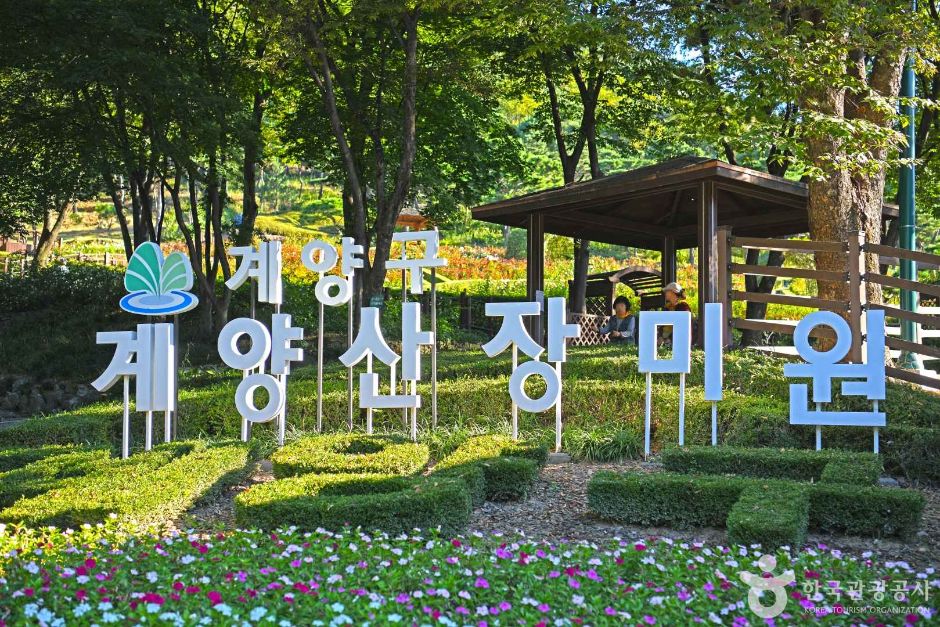
This large-scale rose park is located in the Gyeyangsan area of Gyesan-dong, Gyeyang-gu, Incheon, covering an area of 4,667㎡, planted with 11,366 rose trees of 67 species and 12,000 wildflowers of 13 species including Geumnanghua. Various facilities such as a wall fountain, waterwheel, cottage, and waterway have been installed, allowing visitors to leisurely stroll and fully enjoy the flower fields. There is a parking lot with 51 spaces at the entrance, and connections to public buses are also convenient.
Nature
Horyonggoksan
호룡곡산
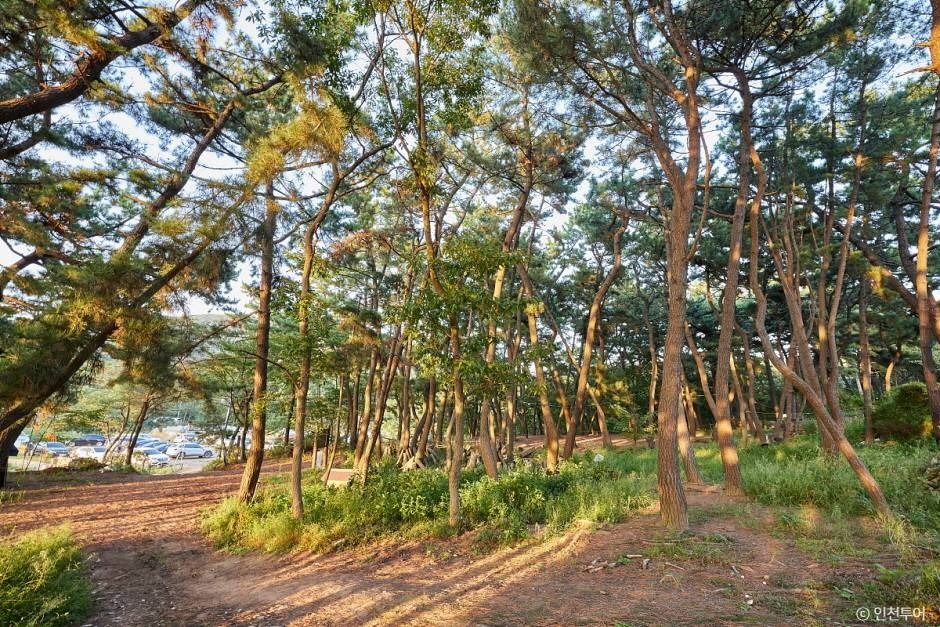
Named after the legend of a tiger and a dragon fighting long ago, Horyonggok Mountain is a low mountain at 244 meters, but it is the highest point in Muui-do. On a clear day, when you reach the mountain summit, the gateway to the West Sea, Incheon Port and Incheon International Airport, appear within reach. There is a hiking trail that passes Guksabong, Silmi Beach, and Horangbawi to Hanagae Beach. Along the way, you can see various unique rock formations such as Tiger Rock and Buddha Rock, and enjoy a panoramic view of the West Sea and surrounding islands. Descending from the summit toward Hanagae Beach, you can walk along the forest path on the coastal hill, encountering a magical path where the dazzling sea unfolds beneath your feet.
Nature
Hupo Port Forward Port
후포항 선수포구
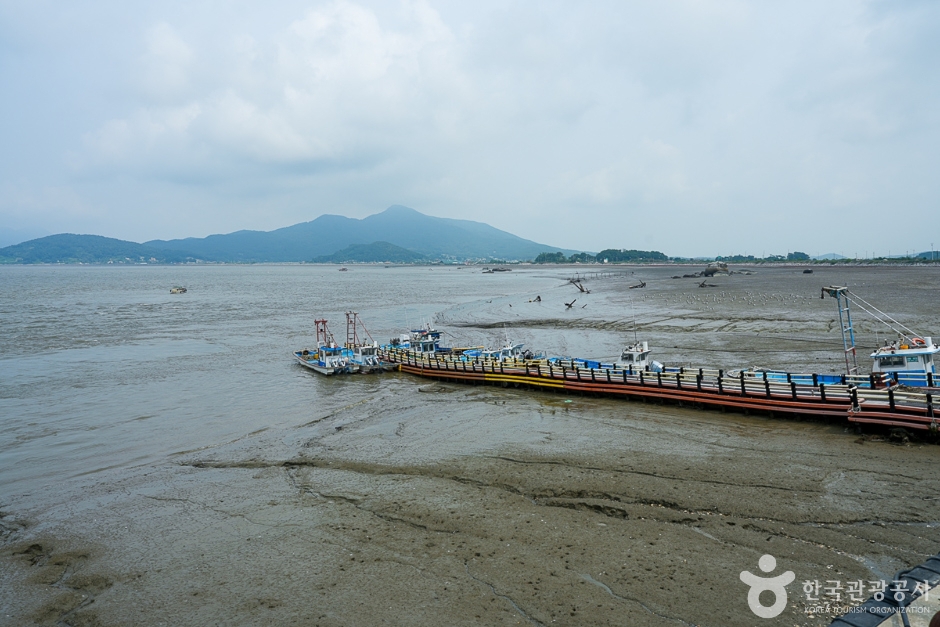
Located near Dongmak Beach on Ganghwa Island, Seonjeon Port is known as the largest port on the island. Although the official name was changed to 'Hupo Port,' it is still more commonly referred to as 'Seonseon Port.' This is a typical small fishing village where you can see mudflats, fishing boats, and flocks of seagulls. At Seonjeon Port, the strong currents and large tidal differences make the mudflats oily, earning it the nickname 'Anchovy Port' because many anchovies are caught. Every year from April to early July, many people visit the port to taste the local specialties of the bandit group. Most restaurants located in the fish market own their own fishing boats, so since they catch the anchovies themselves, prices are cheaper and fresher than in other areas. Nearby attractions include Jeondeungsa Temple and Dongmak Beach, and while driving along the coastal road, you can also enjoy stunning sunset views.
Nature
Incheon Children's Observatory
인천어린이천문대
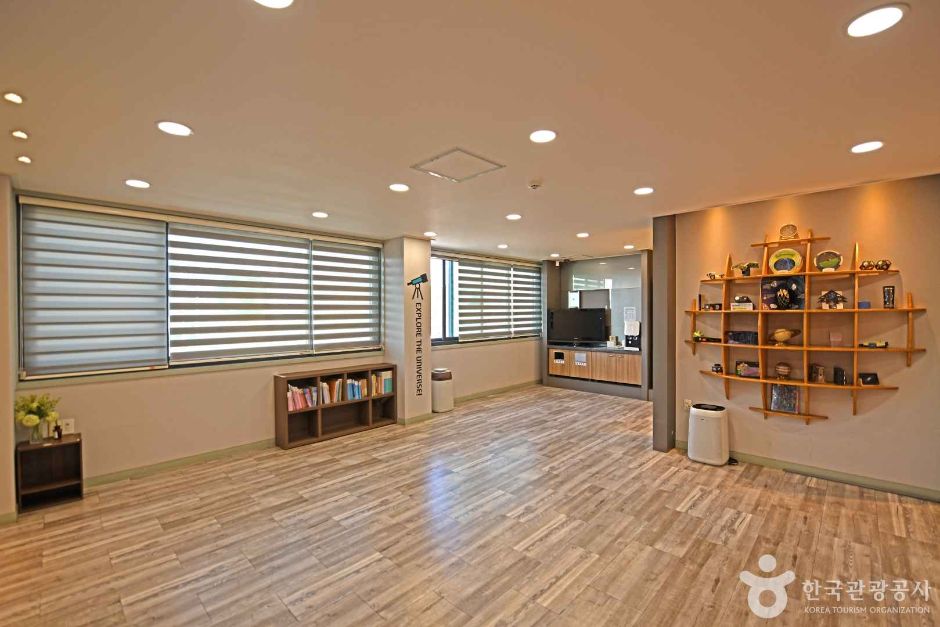
Incheon Children's Observatory is an educational space for children and youth located in Wanggil, Seo-gu, Incheon. This observatory offers a variety of programs that spark interest in space and stars, and foster scientific curiosity. In particular, with the latest astronomical equipment, astronomical observation is possible, allowing visitors to observe stars and planets up close. Additionally, various exhibits and hands-on learning activities help readers easily understand the principles of astronomy and the mysteries of the universe. Incheon Children's Observatory is a place suitable not only for children but also for families, offering a special experience that sparks dreams and imagination about space. This place serves as a space for science education, providing great inspiration to children who dream of becoming future scientists.
Nature