You've watched the dramas, streamed the albums, and learned the fanchants. Now you're standing in Seoul and wondering: how do I actually step inside the culture instead of just observing it from the outside? The good news is that Seoul is one of the most participatory cities on earth when it comes to cultural experiences. Within a single day you can learn to throw clay on a wheel in a centuries-old craft neighborhood, follow a certified instructor through the choreography of your favorite group's comeback track, and press your own kimchi to bring home as a souvenir that will outlast any plushie. This guide covers the experiences that matter — with real prices, real venue names, and the K-drama moments behind each one.
K-Pop Dance Classes: Learn the Moves
If there is one experience that defines Seoul for the new generation of K-culture travelers, it is this: walking into a mirrored dance studio in Hongdae, following a trained instructor through a full choreography breakdown, and leaving ninety minutes later genuinely able to perform a routine. K-pop cover dance culture is enormous in Seoul — studios run classes every day of the week precisely because demand from international visitors has exploded. You do not need dance experience. The classes are designed for fans who know the moves from watching fancams and need someone to slow them down and teach the muscle memory.
- Where: Hongdae (most concentrated), Sinchon, Seongsu — all reachable within 20 minutes from central Seoul
- Cost: ₩20,000–₩40,000 per 90-minute group class
- Book: Klook (Hongdae One-Day) · Klook (Fanxy Studio) · studios' own Instagram pages for direct booking
- What to bring: Comfortable clothes, indoor shoes or socks — studios provide water and often K-pop playlists you can request from
- Tip: Book 2–3 days in advance for weekend slots; weekday morning classes are almost always available same-day
Most studios offer a short professional photo or video session at the end of the class — the kind you can actually post without shame. Several also run idol-style costume rental alongside the class, which turns the whole thing into a low-key fancam shoot.
Hanbok Experience: Dress Like Korean Royalty
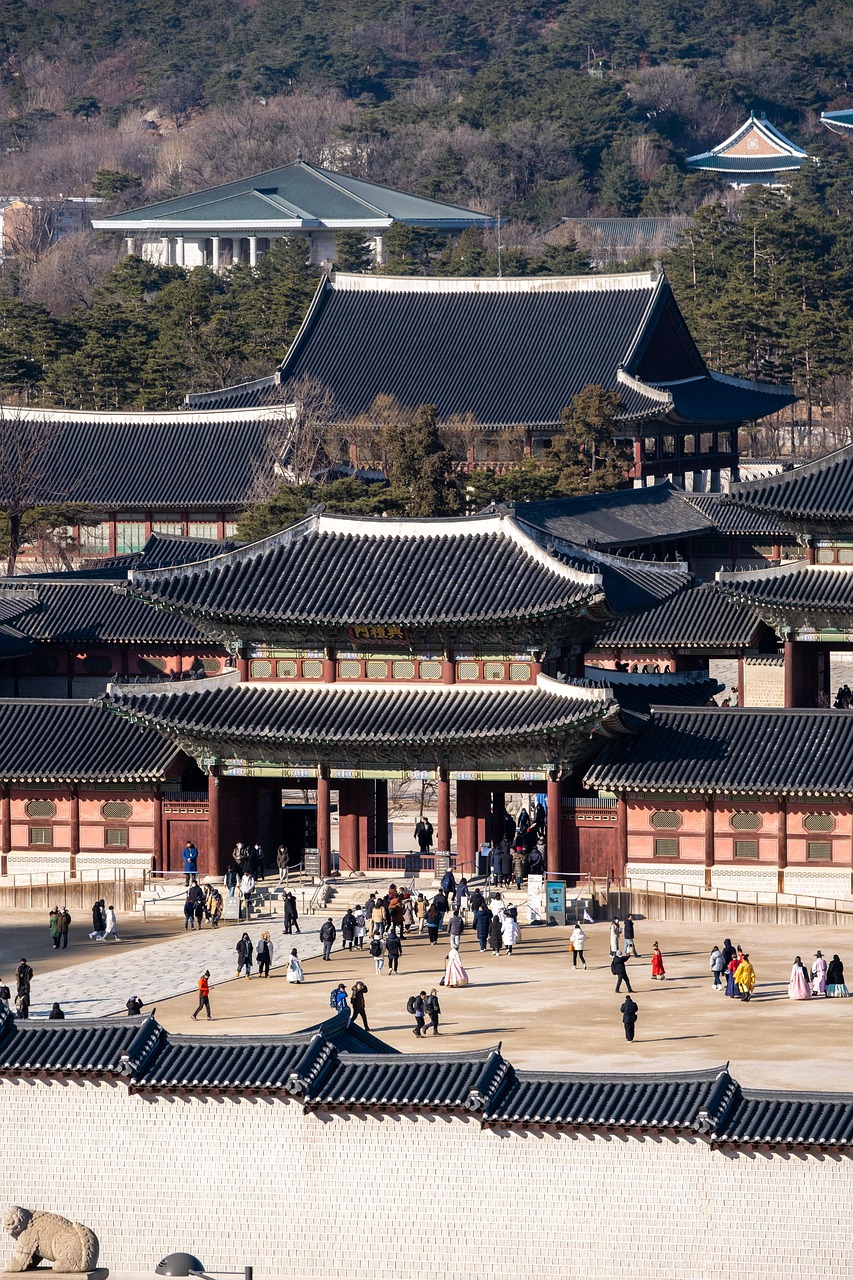
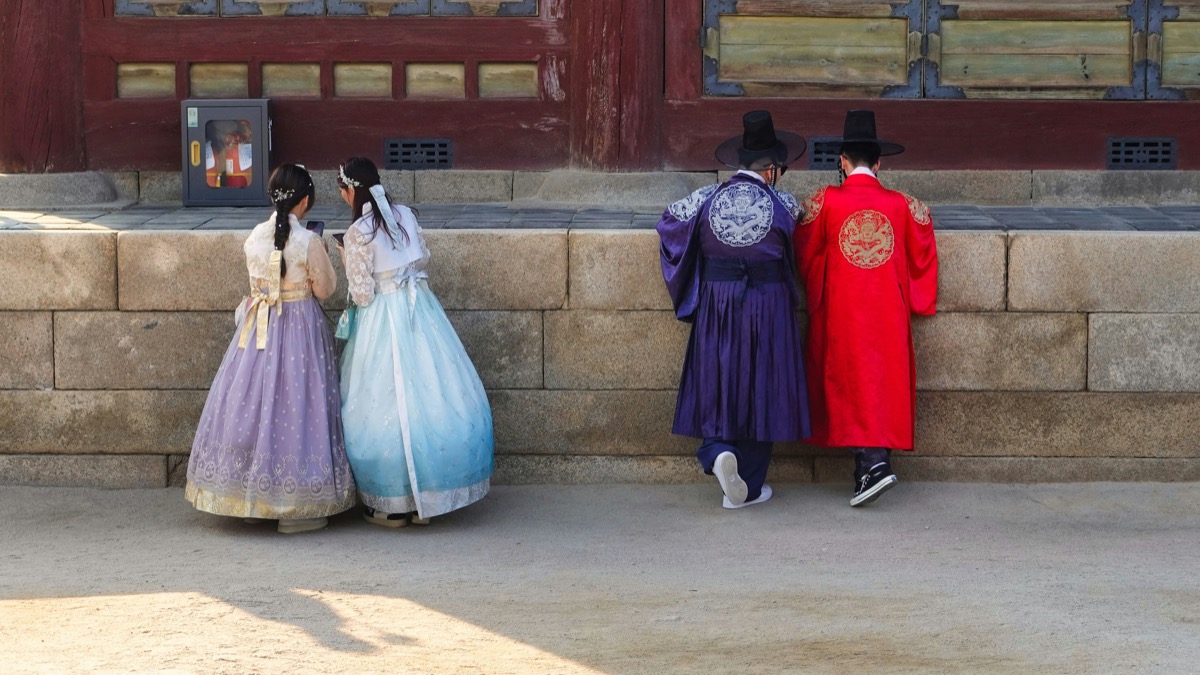
Wearing a hanbok in Seoul is not a tourist trap — it is a living tradition. On any given afternoon near Gyeongbokgung Palace, you will see Korean teenagers, grandparents, and international visitors all in rented hanbok together, walking through the same stone gates that Joseon royalty passed through five hundred years ago. The costume and the setting genuinely work on each other: the palace looks better with hanbok in frame, and the hanbok looks better with the palace behind it.
What makes hanbok rental in Seoul particularly good value is that admission to Gyeongbokgung, Changdeokgung, and Changgyeonggung is free when you are wearing a hanbok — effectively knocking the rental cost down to zero when you factor in palace entry. Most rentals run 2–4 hours, which is enough time for the palace, Bukchon Hanok Village, and lunch in between.
- Where to rent: Dozens of shops on Hyoja-ro and Bukchon-ro near Gyeongbokgung Exit 5
- Cost: ₩15,000–₩30,000 for 2–4 hours, accessories and hair styling often included
- Tip: Book the first slot of the day (9:00–9:30 AM) to get the palace before tour groups arrive
For a deeper look at hanbok rental spots, styles, and what to expect, see our full guide: Hanbok Rental in Seoul — Complete Experience Guide.
Kimchi Making and Korean Cooking Classes
Reply 1988 made Korean viewers cry with a kimchi-making scene between neighbors. That scene works because in Korea, making kimchi together — kimjang — is an act of community, a transfer of knowledge from one generation to the next, a way of saying we are going to take care of each other through the winter. You feel that weight even in a tourist cooking class, because the instructor is genuinely passing something along.
Kimchi classes in Seoul are concentrated around Insadong and the Jongno area, with some excellent options also in the Bukchon neighborhood. Most classes run 1.5–2.5 hours, cover the history and science of fermentation alongside the hands-on making, and let you take your finished kimchi home in a sealed container. Several also add extra dishes — pajeon (green onion pancake), tteokbokki — to make a full half-day cooking experience.
- Where: Insadong (most tourist-friendly), Bukchon, Seochon village
- Cost: ₩35,000–₩70,000 per person depending on class length and menu
- Book: Klook (Kimchi Culture Experience) · Klook (Hanok Kimchi Class) · O'ngo Food Communications
- What you take home: Your own jar of fresh kimchi (vacuum-sealed for travel) and usually a printed recipe card
- Tip: If you want a broader Korean cooking class rather than just kimchi, look for classes that include at least three dishes — they give a better sense of how Korean meals actually come together
Traditional Crafts: Pottery, Hanji and More
In K-drama after K-drama, the camera lingers on Korean ceramics: the rough-textured bowls, the celadon glazes, the moon jars that sit in every affluent character's living room as shorthand for taste and heritage. Pottery is not peripheral to Korean culture — it is central to it, running from the Goryeo celadon masters of the twelfth century through to the contemporary craft studios that line the streets of Bukchon and Insadong today.
A pottery workshop session (typically 1.5–2 hours) takes you through hand-building or wheel-throwing, glazing choices, and kiln firing — with the finished piece shipped to your address 2–3 weeks later once it has been properly fired. It is one of the few experiences where you leave Seoul with something genuinely made by your own hands that will last for decades.
Pottery Studios to Book in Advance
- Tossi Ceramic Studio — Near Bukchon-ro 37, Jongno-gu. ₩35,000–₩55,000. English-language classes taught by a bilingual ceramicist; small groups. Finished pieces can be shipped internationally (additional ₩15,000–₩30,000). Book: Klook (Traditional Pottery) — book at least 3 days ahead for weekend slots.
- Pottery Studio Owall — Changdeokgung-gil, Jongno-gu. ₩40,000–₩50,000. Maximum 6 participants per session, English-speaking instructor. Book: Airbnb Experiences (★4.99). Ideal if you want an intimate atmosphere within walking distance of Changdeokgung Palace.
Walk-In Pottery in Insadong
- Insadong-gil walk-in studios — Several studios along Insadong-daero and its side alleys accept walk-ins on weekdays, from ₩30,000 per person. Look for signage reading 도예 체험 (pottery experience). Same-day availability is common Monday through Thursday; weekends book up by midday.
- Celadon painting option: Some studios offer pre-formed bisque pieces to glaze yourself rather than throwing from scratch — a good option if 90 minutes on a wheel feels intimidating, and finished pieces are usually ready the same day for simpler glazes.
Hanji (Traditional Korean Paper) Workshops
- Paper Cozy — Inside Ssamziegil (쌈지길), Insadong-gil 44. ₩18,000–₩35,000. Walk-in friendly; open daily 10:30–20:30. You can make bookmarks, postcards, notebook covers, and small decorative frames using the traditional hand-pulping method. Finished pieces are dry and ready to take the same day.
- National Folk Museum of Korea — Hanji Program — Inside Gyeongbokgung grounds. Free to ₩3,000 materials fee. Weekend demonstrations (Saturday–Sunday 10:00–17:00) run short hands-on hanji sessions alongside calligraphy and knot-tying. No advance booking required; drop in at the craft experience zone near the main museum building.
Royal Palace Ceremonies and Cultural Programs
Every morning at 10:00 AM (with a second ceremony at 2:00 PM), the Royal Guard Changing Ceremony takes place at Gwanghwamun Gate — the main entrance to Gyeongbokgung Palace. Dozens of guards in full Joseon-era military uniform march, drum, and perform a precisely choreographed ceremony that has been running in reconstructed form since the 1990s. It is free, takes about 20 minutes, and operates every day except Tuesdays. For K-drama fans who have watched historical dramas set in the Joseon court, watching the ceremony in person creates an uncanny sense of recognition — these are the same colors, the same drums, the same gate.
- Gwanghwamun Guard Ceremony: Daily 10:00 AM and 2:00 PM (except Tuesdays). Free admission, no booking needed. In front of Gwanghwamun Gate, Gyeongbokgung Station (Line 3), Exit 4.
- Jongmyo Shrine Ancestral Rites (종묘 제례): Held on the first Sunday of May each year, the royal ancestral rites ceremony at Jongmyo is a UNESCO Intangible Cultural Heritage — one of the most significant traditional ceremonies still performed in South Korea. It is open to public observation and genuinely unlike anything else in Seoul.
- National Folk Museum of Korea: Inside Gyeongbokgung grounds. Free entry. Weekend hands-on demonstrations: calligraphy, knot-tying, folk games, and hanji (see above). Open daily except Tuesdays.
Korea House (한국의 집)
Korea House is the flagship government-run venue for traditional Korean performing arts — court music, mask dance (talchum), fan dance (buchaechum), and gayageum performance, staged nightly in a restored hanok compound that dates to the Joseon period. The production quality is high and the setting is genuinely atmospheric. It is the single best place in Seoul to see multiple traditional art forms in a single evening without specialist knowledge.
- Address: 10 Toegyero 36-gil, Jung-gu, Seoul (서울 중구 퇴계로 36길 10)
- Nearest station: Chungmuro Station (Line 3/4), Exit 4 — 10-minute walk
- Performance times: Nightly 19:00 and 20:30 (closed Sundays and public holidays)
- Show-only ticket: ₩35,000 per person
- Dinner + show package: ₩80,000–₩150,000 per person (traditional Korean royal court cuisine served before the performance)
- Book: Korea House Official Site · Viator (Dinner + Show) · Trazy — book at least 3–5 days ahead for Friday and Saturday shows.
- Tip: The 19:00 show is less crowded than 20:30. Dinner packages must be booked at least 24 hours in advance.
Ssamziegil (쌈지길) — Craft Hub in Insadong
Ssamziegil is a four-story spiral courtyard complex at the heart of Insadong housing over 70 independent craft studios, galleries, and workshops. It is not a single experience but a cluster of them — hanji, natural dyeing, ceramic painting, seal carving (도장), traditional embroidery, and more, all in walk-in format. The building itself is a design landmark: a ramp winds continuously upward around an open central atrium, connecting levels without stairs.
- Address: 44 Insadong-gil, Jongno-gu (인사동길 44)
- Nearest station: Anguk Station (Line 3), Exit 6 — 5-minute walk south
- Hours: Daily 10:30–20:30
- Entry: Free (individual workshops charge their own fees)
- Tip: Ground floor has cafes and snacks; upper floors have the most interesting craft workshops. Walk to the top first, then browse down.
Trending in 2026: New Cultural Experiences
Seoul's cultural experience landscape evolves fast. These three categories have emerged as standout new offerings for K-culture visitors in 2026 — each connecting contemporary Korean craft and lifestyle to the K-drama and K-pop aesthetic in ways that feel current rather than museum-piece traditional.
Dal-Hangari (Moon Jar) Pottery
The dal-hangari — a large, imperfect white moon jar — has become one of the defining visual symbols of contemporary Korean aesthetic identity, appearing in the homes of characters in Crash Landing on You, My Liberation Notes, and dozens of other dramas as shorthand for quiet wealth and refined taste. Premium pottery studios in Bukchon and Seochon now offer dedicated moon jar sessions where you build a large-form vessel using traditional coiling and smoothing techniques, learn the philosophy of biaekja (white porcelain), and watch your piece fired in a wood-kiln process.
- Where: Specialist studios in Bukchon (Jongno-gu) and Seochon (Jongno-gu west side)
- Cost: ₩50,000–₩80,000 per person; large pieces shipped to home address 3–4 weeks after firing
- Book: Klook (Moon Jar Pottery) · Airbnb Experiences — search "moon jar pottery Seoul" or "dal-hangari workshop Seoul"; sessions are small (4–6 people) and book out fast
- K-drama connection: If you have watched Crash Landing on You, the moon jar in Se-ri's apartment is the specific visual reference most instructors will recognize immediately
Makgeolli Brewing Experience
Makgeolli — Korea's milky, lightly sparkling rice wine — has undergone a full craft revival in Seoul. What was once dismissed as a cheap farmers' drink is now the focus of dedicated brewing studios in Seongsu and Seongbuk, where you learn to mix the nuruk (fermentation starter), prepare the rice base, and blend your own batch, tasting as you go and taking home a sealed bottle of your own brew.
- Where: Seongsu-dong (Seongdong-gu) and Seongbuk-dong (Seongbuk-gu)
- Cost: ₩40,000–₩65,000 per person; includes tasting flight of 4–6 varieties and a bottle of your brew to take home
- Duration: 2–2.5 hours
- Book: Klook (Makgeolli Brewing) · The Sool Company · KKday
- Note: All classes are 18+. Seongsu studios often combine the experience with a tour of the neighbourhood's artisan workshop scene — worth building a full afternoon around.
Natural Dyeing (쪽염색 — Jjok Dyeing)
Natural dyeing with Korean indigo (jjok) is one of the oldest textile traditions in Korea, producing a deep blue that appears throughout hanbok, royal robes, and the pojagi wrapping cloths that have become a major design export. Several workshops in Seochon (the quieter, more residential counterpart to Bukchon) offer hands-on dyeing sessions where you work with a pre-prepared tote bag, scarf, or length of cotton, learning the folding and binding techniques that create each pattern before submerging the fabric in the dye bath.
- Where: Seochon village (Jongno-gu west, near Gyeongbokgung Station Exit 2)
- Cost: ₩35,000–₩55,000 per person; finished textile item included in the price
- Duration: 1.5–2 hours; finished piece is dry and ready to take same day
- Book: Klook (Bukchon Dye Workshop) · Klook (Seoul Natural Dyeing) · Airbnb Experiences — search "natural dyeing Seoul" or "Korean indigo workshop Seoul"
- Tip: Wear clothes you do not mind getting stained — the indigo dye is permanent and very good at finding clothing it was not invited onto
Where to Book and Budget Guide
Seoul's cultural experience market is well organized and genuinely easy for English-speaking visitors to navigate. Here is a quick breakdown of the main booking channels and what each is best for:
- Klook — Largest selection, instant booking confirmation, English reviews, easy cancellation. Best for: K-pop dance classes, kimchi cooking classes, pottery workshops (Tossi Ceramic Studio listed here), Korea House show tickets, and day tours. Prices are often competitive with direct booking.
- Airbnb Experiences — Strong for smaller-group or private experiences hosted by individual Koreans. Best for: intimate cooking classes, natural dyeing, moon jar pottery, makgeolli brewing, neighborhood walking tours. Quality varies more than Klook but highs are exceptional.
- Korea House direct (koreahouse.or.kr) — Government-run, fixed schedule, highest production quality for traditional performing arts. English booking available on site; Klook also lists it for those who prefer that interface.
- Direct booking via Instagram — Most Hongdae dance studios and many craft studios maintain active Instagram accounts and accept DM booking. Good for flexibility; confirm 24 hours before to avoid no-show issues.
- Walk-in — Paper Cozy at Ssamziegil, National Folk Museum weekend programs, and most Insadong street studios require no advance booking. Excellent for spontaneous half-days.
A realistic budget for a full cultural experience day in Seoul — one hands-on activity, one palace visit in hanbok, one meal — runs ₩60,000–₩120,000 per person (approximately USD 45–90). The most expensive single item will typically be the cooking class, pottery workshop, or Korea House dinner package; the palace ceremonies and museum programs are free or under ₩3,000.
| Experience | Duration | Cost (per person) | Booking |
|---|---|---|---|
| K-pop dance class | 90 min | ₩20,000–₩40,000 | Klook / Instagram |
| Hanbok rental | 2–4 hrs | ₩15,000–₩30,000 | Walk-in / Klook |
| Kimchi making class | 1.5–2.5 hrs | ₩35,000–₩70,000 | Klook / Airbnb |
| Pottery — Tossi / Owall | 1.5–2 hrs | ₩35,000–₩55,000 | Klook / Airbnb |
| Moon jar (dal-hangari) pottery | 2–2.5 hrs | ₩50,000–₩80,000 | Klook / Airbnb |
| Hanji workshop — Paper Cozy | 1–1.5 hrs | ₩18,000–₩35,000 | Walk-in (Ssamziegil) |
| Makgeolli brewing class | 2–2.5 hrs | ₩40,000–₩65,000 | Klook / Airbnb |
| Natural dyeing (Seochon) | 1.5–2 hrs | ₩35,000–₩55,000 | Klook / Airbnb |
| Guard ceremony (Gwanghwamun) | 20 min | Free | No booking needed |
| Korea House show only | 1.5 hrs | ₩35,000 | koreahouse.or.kr / Klook |
| Korea House dinner + show | 3 hrs | ₩80,000–₩150,000 | koreahouse.or.kr / Klook |
| National Folk Museum programs | 30–60 min | Free–₩3,000 | Walk-in (weekends) |
Getting There
- Hongdae (K-pop dance classes): Hongik University Station (Line 2 / Airport Railroad / Gyeongui Line), Exit 9 — studios within 5-minute walk
- Gyeongbokgung area (hanbok, guard ceremony, National Folk Museum): Gyeongbokgung Station (Line 3), Exit 5 — hanbok shops and palace entrance immediately adjacent
- Insadong (cooking classes, Ssamziegil, Paper Cozy, walk-in pottery): Anguk Station (Line 3), Exit 6 — 5-minute walk south into Insadong-gil
- Bukchon / Seochon (Tossi Ceramic Studio, Owall, moon jar studios, natural dyeing): Anguk Station (Line 3), Exit 3 for Bukchon; Gyeongbokgung Station (Line 3), Exit 2 for Seochon
- Korea House: Chungmuro Station (Line 3/4), Exit 4 — 10-minute walk east on Toegyero
- Seongsu (makgeolli brewing): Seongsu Station (Line 2), Exit 3 — main strip of craft studios and cafes begins immediately
For a full overview of Seoul's public transit system — T-money cards, line maps, and airport connections — see our Korea Transportation Guide.