Find It on the Map
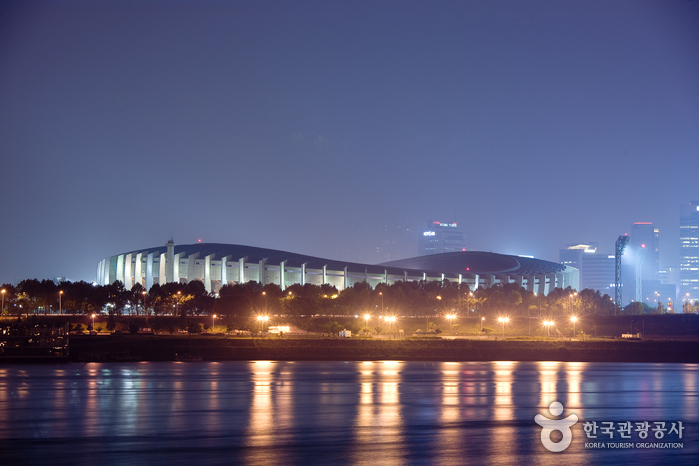
Iconic 70,000-seat stadium from the 1988 Olympics, now Korea's biggest K-pop concert venue
From Your Hotel Area
→ Seoul Olympic Stadium서울올림픽주경기장
Seoul Olympic Stadium (서울올림픽주경기장)
The 70,000-seat Seoul Olympic Stadium is where KPop Demon Hunters opens with a bang — Huntrix's sold-out concert that sets the entire story in motion.
As Korea's most iconic concert venue, it has hosted everyone from BTS to Coldplay, and now lives in animation history as the birthplace of Huntrix's legendary performances.
The KPop Demon Hunters Connection
- Opening Concert: The film begins with Huntrix performing to a packed stadium — the parachute entrance sequence was directly inspired by the venue's open-roof design
- Parachute Entrance: Huntrix members skydive into the stadium to open their concert — a nod to real K-pop groups' elaborate stage entrances
- Fan Ocean: The animated lightstick ocean perfectly recreates real K-pop concert culture
- First Demon Encounter: The initial supernatural disturbance happens during the concert, forcing Huntrix into action
What to See & Do
- Stadium Tour: Walk through the historic venue that hosted the 1988 Seoul Olympics opening ceremony
- Olympic Park: The surrounding park features sculpture gardens, walking paths, and the SOMA (Seoul Olympic Museum of Art)
- World Peace Gate: The iconic winged gate at the park entrance — a perfect photo spot
- K-pop Concerts: Check schedules for upcoming concerts — many top K-pop groups perform here annually
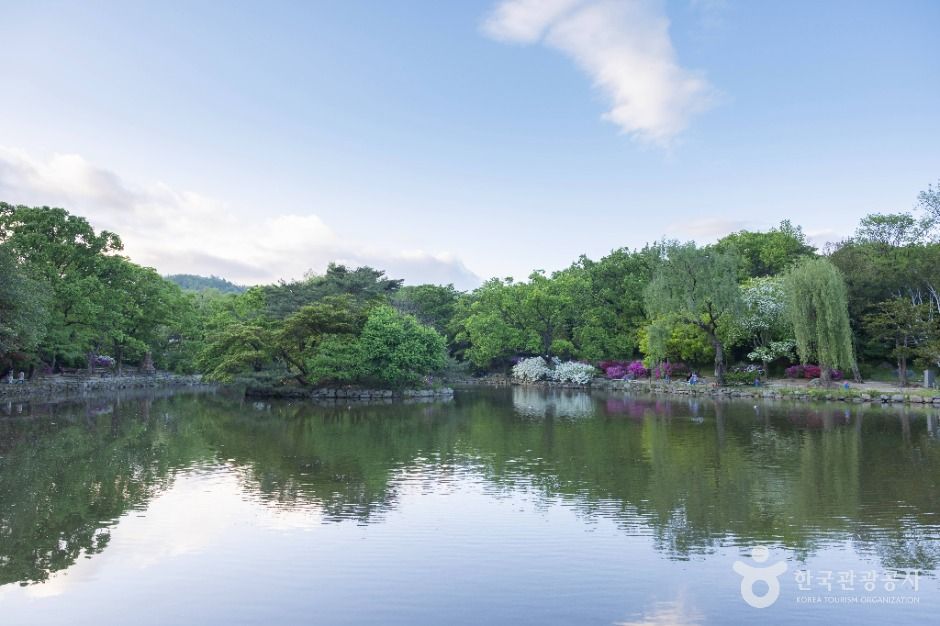
- 88 Lake: A peaceful lake area within Olympic Park for post-visit relaxation
Concert Culture Tips
If you're attending a real K-pop concert here:
- Fan Merchandise: Arrive 3-4 hours early for merch booths and fan photo zones
- Lightstick: Buy the official group lightstick — it syncs with the concert for a unified fan ocean effect
- Subway is Best: Roads get extremely congested after concerts — take Line 2 or 9 from Sports Complex Station
- Photo Cards: Trading photo cards with other fans before the concert is a beloved tradition
Practical Information
- Hours: Park open 5:00AM–10:00PM / Stadium access varies by event
- Admission: Free (park) / Varies (events)
- Duration: 1–2 hours (park exploration)
- Nearest Station: Sports Complex Station (Line 2/9, Exit 7) — 5 minute walk
- Tip: Even without a concert, the Olympic Park grounds are beautiful for walking, especially during cherry blossom season (April) and autumn foliage (November)
What It Actually Feels Like to Be Here
Most people arrive at Seoul Olympic Stadium expecting a landmark and find something bigger than expected — not just in scale, but in atmosphere. The 70,000-seat bowl sits inside Olympic Park, which itself spans 1.4 square kilometers of open green space, sculpture gardens, and walking paths. On a non-event day, the stadium exterior is quiet and photogenic. On concert day, the transformation is total.
The animated opening of KPop Demon Hunters captures this shift precisely. The stadium goes from empty to erupting in the space of a few frames — and anyone who has attended a K-pop concert here will recognize the feeling. Lines form hours before gates open. Fan goods tables appear on the surrounding paths. The whole park reorganizes itself around the event, and by the time you're inside watching 70,000 lightsticks pulse in unison, the word "concert" feels inadequate for what's happening.
K-Pop Concerts at the Olympic Stadium: What to Expect
The stadium hosts some of the biggest K-pop events in Korea — BLACKPINK, BTS, EXO, and now the fictional Huntrix have all "performed" on this stage. For real concerts, the logistics deserve respect:
- Fan Goods Lines: Official merchandise queues open 4–6 hours before the concert. Weekend shows can have 2–3 hour waits. Arrive early or designate one person to queue while others explore the park.
- Photo Card Trading: The grassy areas around the stadium fill with fans trading photo cards before doors open. This is one of the most genuine expressions of K-pop fan culture you can witness in person — bring cards to trade if you have them.
- Entry: Gates open 90 minutes before showtime. Security checks bags thoroughly. Sealed water bottles are generally allowed; outside food varies by event.
- Exiting: Plan for 45–60 minutes to clear the area after the show ends. The subway platform at Sports Complex Station gets very crowded. Walk slowly, stay with your group, and don't rush toward the exit immediately after the final encore.
Olympic Park: The Larger Picture
The stadium is just one piece of a much larger complex worth spending time in. Olympic Park was built for the 1988 Seoul Olympics and has aged well — the grounds are maintained, the sculpture collection is genuinely interesting (over 200 works by international artists), and the paths are wide enough that it never feels congested outside of events.
- World Peace Gate (세계평화의문): The winged ceremonial arch at the park's main entrance is one of Seoul's most photographed structures. The painted ceiling panels depict traditional Korean motifs on a dramatic scale.
- SOMA (Seoul Olympic Museum of Art): Small but well-curated rotating exhibitions inside the park. Free or low-cost admission depending on the current show.
- 88 Lake: The artificial lake at the park's center is ringed with benches and is a good spot for a rest between sights.
- Mongchontoseong Earthen Fortress: A 1,500-year-old Baekje-era earthen wall runs along the park's perimeter — a surprisingly ancient feature inside this modern complex.
Getting There and Around
Sports Complex Station on Line 2 and Line 9 is the standard approach. Exit 7 puts you on the path toward the main park entrance — it's a five-minute walk. On concert nights, the entire exit area is staffed with guides directing the crowd, so navigation is easier than it sounds.
If you're arriving early to explore the park before an event, consider entering from the Mongchon Toseong Station side (Line 8) for the east entrance — fewer people and a different angle on the park's sculpture garden.