地図で見る
個性的なスタイルが融合した宮殿。
Where Joseon Meets the Modern World
Deoksugung (Deoksugung, 덕수궁) is unlike any other Korean palace. Situated in the heart of downtown Seoul — literally across from City Hall and surrounded by glass skyscrapers — it served as the royal court during the turbulent final years of the Joseon Dynasty and the subsequent Korean Empire (1897–1910). Within its compact grounds, traditional Korean wooden palace halls stand directly alongside Western neoclassical stone buildings commissioned by Emperor Gojong as he sought to project a modern, internationally recognized Korean state. The resulting architectural contrast — dancheong-painted eaves beside Ionic columns — makes Deoksugung one of the most historically layered and visually unusual attractions in Seoul.
What to See Inside Deoksugung
Junghwajeon — The Throne Hall
Junghwajeon (중화전) is the main throne hall, rebuilt in single-story form after fire damage — the original two-story version was destroyed during the Japanese colonial period. The hall's interior preserves its original throne, screen, and ceiling phoenix medallion. The wide stone courtyard in front, flanked by rank-marker stones, provides an excellent photo composition with the traditional gate behind you and the palace buildings ahead.
Seokjojeon — Western-Style Stone Hall
Seokjojeon (석조전) is the most striking building in Deoksugung — a three-story neoclassical stone building completed in 1910 that would not look out of place in London or Brussels. Built by a British architect and intended as an audience hall and royal residence, it now houses the Daehan Empire History Museum (대한제국역사관), which documents the final years of Korean sovereignty. The Western interior — with its chandeliers, fireplaces, and period furniture — is a remarkable contrast to everything else in the palace. Admission to the museum is included in the palace ticket.
Dondeokjeon — The Open Veranda Hall
Dondeokjeon (돈덕전) is a restored Western-style building that originally served as a reception hall for foreign dignitaries. Destroyed in 1920, it was reconstructed and reopened in 2023 following years of archaeological excavation and restoration work (TourAPI contentid: 3023349). The restoration has returned it to something close to its original 1902 appearance and now hosts temporary cultural exhibitions.
Royal Guard-Changing Ceremony (수문장 교대의식)
The Royal Guard-Changing Ceremony at Deoksugung's Daehan Gate (대한문) is the most accessible royal guard performance in Seoul — the gate opens directly onto a busy pedestrian plaza in front of City Hall, so there is no admission required to watch. The ceremony runs three times daily at 11:00 AM, 2:00 PM, and 3:30 PM, except Mondays. Duration: approximately 20 minutes. Daytime ceremonies attract significant crowds; the 11:00 AM performance tends to be slightly less crowded.
Doldam-gil — The Famous Stone Wall Path
Doldam-gil (덕수궁 돌담길, "Stone Wall Street") is the tree-lined path that runs along the exterior stone wall of Deoksugung on its northern side, connecting Daehan Gate to the rear of the palace near Seoul City Hall. TourAPI records this as a separate heritage item (contentid: 129186, addr: 중구 세종대로 지하 101). The path is one of Seoul's most romantic urban walks — dappled shade in summer, golden ginkgo leaves in autumn — and completely free to walk at any time. A popular legend claims that couples who walk the path together will break up, though this has not measurably reduced foot traffic.
- Length: Approximately 900 meters (one way)
- Best season: Autumn (ginkgo trees turn bright yellow, typically late October)
- Access: Free, open 24 hours
Jeongdong-gil — The Historic Embassy District
The streets immediately surrounding Deoksugung form the Jeongdong (정동) district — one of Seoul's most historically significant neighborhoods. In the late 19th and early 20th centuries, this area housed the diplomatic legations of the United States, Russia, Britain, and France as Korea opened to foreign relations. Several of these original legation buildings still stand:
- Jeongdong Church (정동교회): Korea's first Methodist church (1897), still active
- Russian Legation Tower (아관파천 러시아 공사관): The only surviving tower from the building where King Gojong sought refuge in 1896; a short walk uphill from Doldam-gil
- Seoul Anglican Cathedral (대한성공회 서울주교좌성당): Romanesque-style cathedral begun in 1922, visible from Deoksugung's west side
- Jeongdong Theater (정동극장): Hosts traditional Korean performing arts — check the schedule for pansori, gayageum, and dance performances
Best Time to Visit
Deoksugung is an excellent all-seasons destination given its central location and compact size. Autumn (October–November) is the most visually dramatic time, when the ginkgo trees along Doldam-gil turn vivid yellow and the palace grounds fill with fallen leaves. Spring brings lighter crowds than the larger palaces. The central location means you can combine Deoksugung with a visit to Myeongdong (10-minute walk south) or Gwanghwamun (15-minute walk north) without any subway travel.
Getting There
- Subway: City Hall Station (시청역), Line 1 or Line 2, Exit 2 — Daehan Gate is directly visible on exit
- From Myeongdong: 10-minute walk north, or Line 4 one stop to City Hall
- From Hongdae: Line 2 direct to City Hall (~20 min)
- From Gangnam: Line 2 direct to City Hall (~25 min)
- Address: 99 Sejong-daero, Jung-gu, Seoul (서울특별시 중구 세종대로 99)
Practical Information
- Opening hours: 9:00 AM – 9:00 PM daily (last entry 8:30 PM)
- Closed: Every Monday
- Admission: Adults ₩1,000 / Ages 7–18 ₩500 / Under 7 free / Hanbok wearers free
- Seokjojeon Museum: Included in palace ticket
- Guard ceremony: Free, no ticket required, at Daehan Gate
- Nearest station: City Hall (Line 1/2, Exit 2)
- Recommended visit time: 1.5–2 hours for palace; add 30–45 min for Doldam-gil walk
Tips for First-Time Visitors
- Don't skip Seokjojeon: The Western-style stone palace is included in your ticket and provides essential context for understanding Korea's modernization period.
- Walk Doldam-gil both ways: The stone wall path looks different heading each direction — catch different tree canopy angles and lighting.
- Combine with Myeongdong: A 10-minute walk south puts you in Seoul's busiest shopping and street food district. Good for an afternoon deoksugung + myeongdong combination.
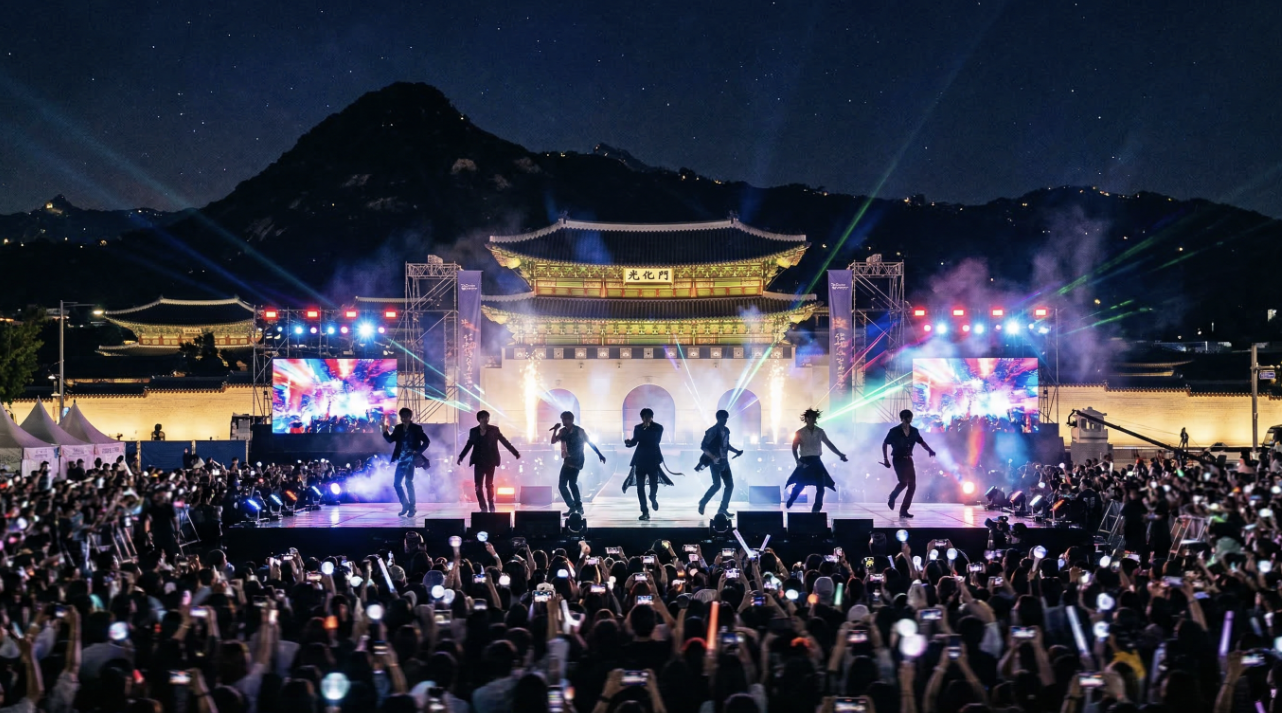
- Evening is excellent: Deoksugung is open until 9:00 PM, and the lit palace buildings against the night sky of a major urban center make for distinctive photography.
- Transportation note: See our Seoul transportation guide for T-money card setup and subway directions from your accommodation.