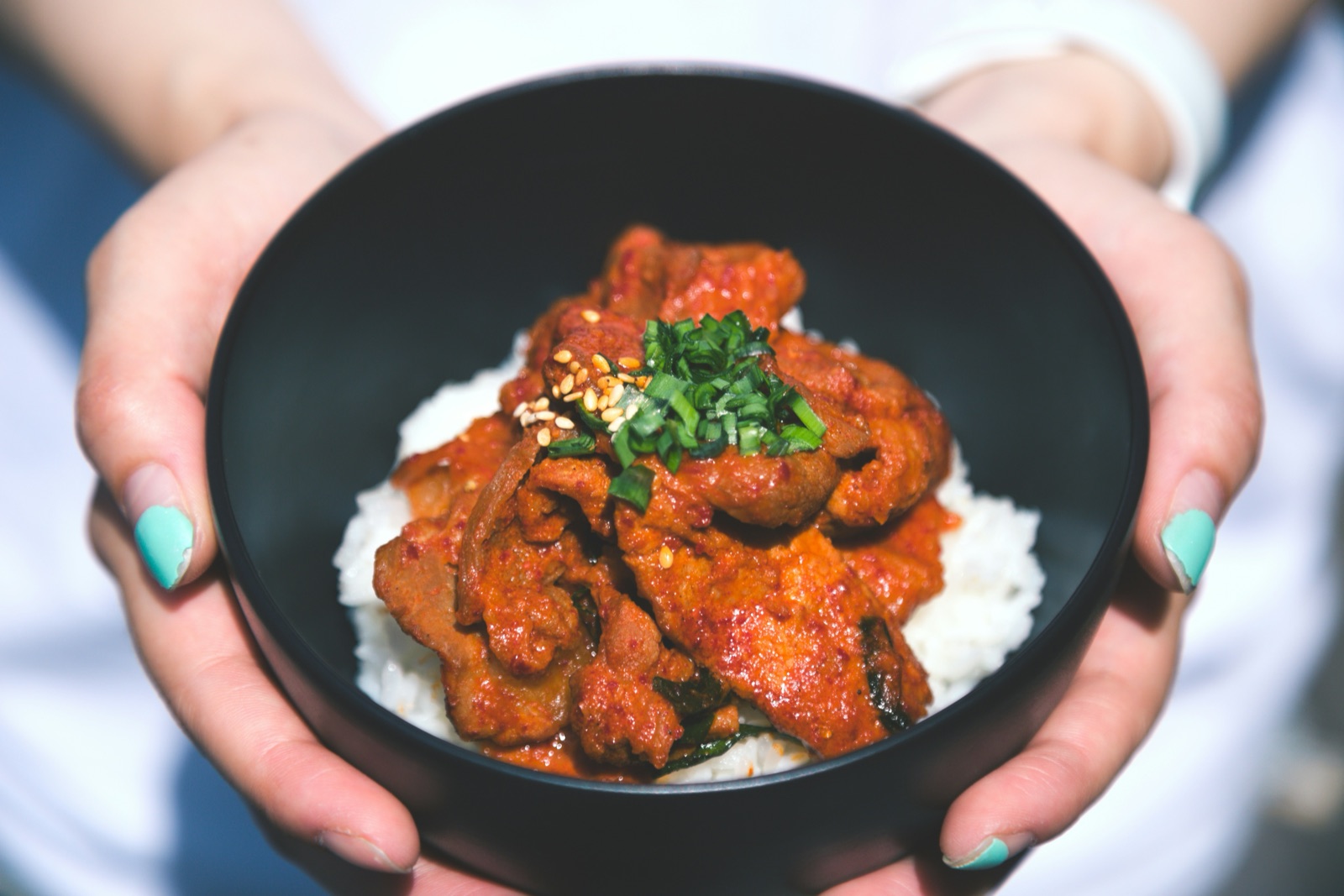
Bulgogi (불고기) translates literally as "fire meat" — two syllables that contain 2,000 years of Korean culinary history. What began as a royal court delicacy has become one of the most recognised Korean dishes in the world, the gateway dish that introduces millions of people every year to Korean cuisine. But the bulgogi you'll find at a proper Korean restaurant is a far more complex and satisfying thing than its friendly reputation might suggest.
A Brief History
Bulgogi traces its origins to maekjeok (맥적), a skewered grilled beef dish from the Goguryeo Kingdom (37 BC – 668 AD). By the Joseon Dynasty, a refined version had become standard at royal banquets, the quality of the meat — and the precision of the marinade — a measure of the kitchen's skill. The modern form, with its thin slices and soy-based marinade, became widespread during the twentieth century and is now eaten across Korea daily, from school canteen lunch trays to the tables of restaurants that have been perfecting a single recipe for three generations.
The Marinade: What Makes Bulgogi, Bulgogi
The defining element of bulgogi is its marinade, and at the heart of that marinade is a combination that produces something more than the sum of its parts. A classic bulgogi marinade contains:
- Soy sauce (간장, ganjang) — the savoury base
- Sesame oil (참기름, chamgireum) — rich, nutty depth
- Sugar or honey — sweetness that caramelises on the grill
- Garlic (마늘, maneul) — always fresh, always generous
- Ginger (생강, saenggang) — a small amount for warmth
- Asian pear or apple juice (배, bae) — the secret ingredient
The pear is not optional. Enzymes in Asian pear (and to a lesser extent apple) break down protein fibres in the beef, making the meat extraordinarily tender even when sliced thin. It also contributes a mild, natural sweetness that is distinct from sugar alone. Restaurants that make their marinade from scratch grate fresh pear directly into the mixture. Budget spots use pear juice. You can usually taste the difference.
The meat is left to marinate for a minimum of two hours, ideally overnight. The longer it sits, the deeper the flavour penetrates the fibres.
Types of Bulgogi
Bulgogi is not a single dish but a family of preparations, each with its own character:
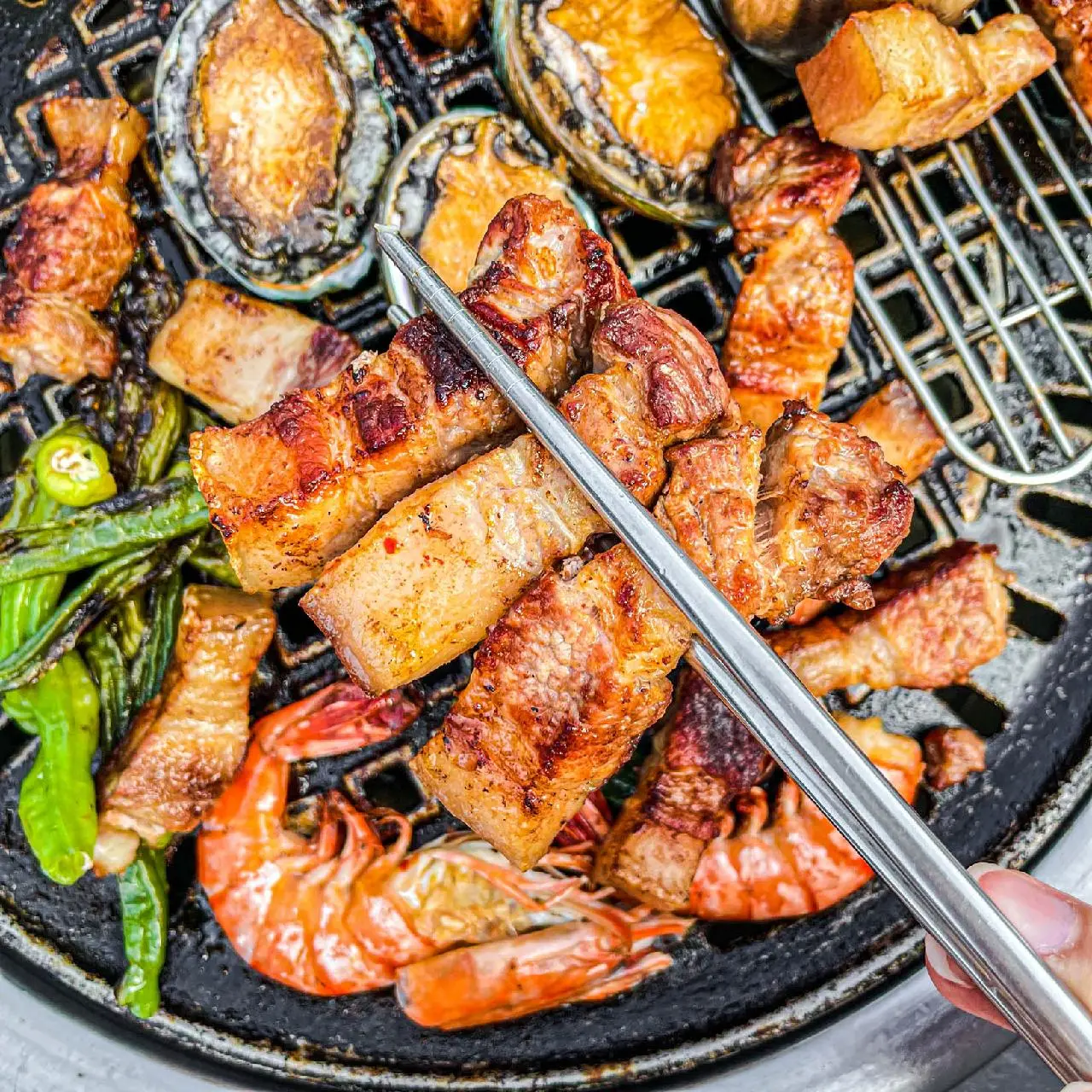
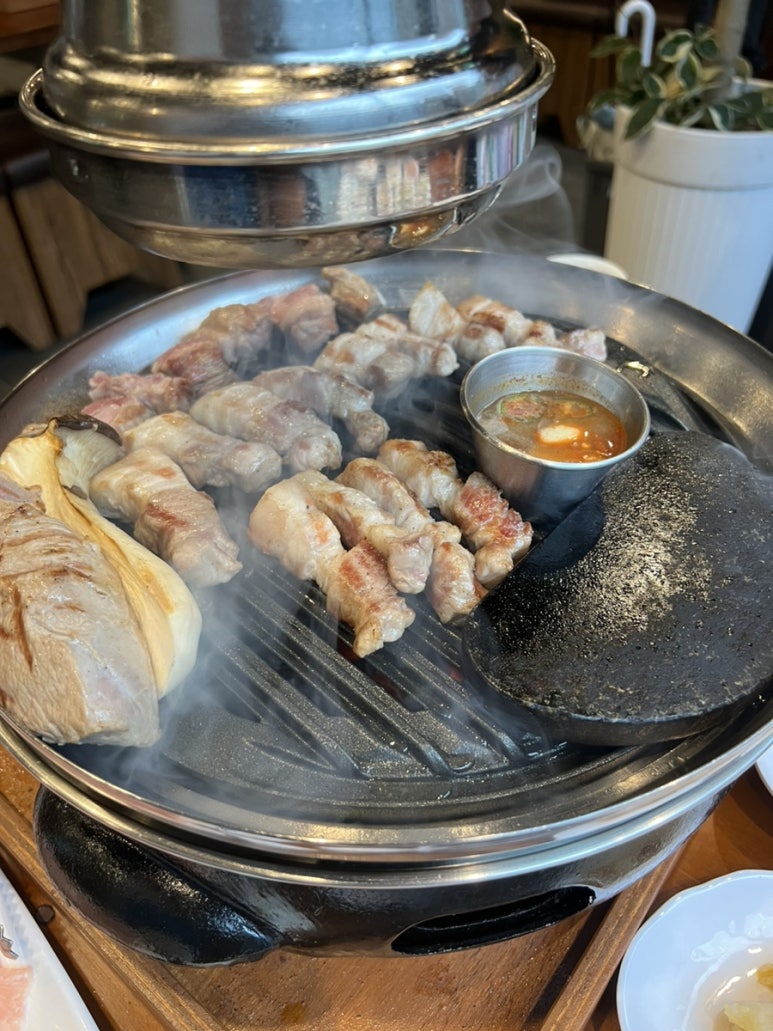
- Classic Beef Bulgogi — Thinly sliced sirloin or rib-eye, grilled on a domed iron pan (bulgogi pan) with onions, spring onions, and sometimes mushrooms. The pan's raised centre keeps the meat moving while the edges collect savoury juices. This is the version most people mean when they say "bulgogi."
- Daepa Bulgogi (대파 불고기) — Cooked in a shallow broth with large spring onions, closer to a braised dish than a grilled one. Common in home cooking and some regional restaurants.
- Chicken Bulgogi (닭불고기, dak bulgogi) — The same marinade applied to chicken thigh meat. Slightly smokier flavour, excellent value, and a great option if you want the bulgogi experience without beef.
- Pork Bulgogi / Jeok Gui (제육볶음, jeyuk bokkeum) — Technically a sibling rather than a direct variation: spicy marinated pork with gochujang (고추장) replacing the soy base. Stir-fried rather than grilled, bold and fiery. A staple on Korean lunch menus.
- Gwangyang Bulgogi (광양 불고기) — A regional style from South Jeolla Province, charcoal-grilled over pine needles, with a saltier and less sweet marinade. Considered by many Korean food enthusiasts to be the finest expression of the dish.
How It's Served
At a restaurant, bulgogi typically arrives at the table still cooking on a gas burner or brought out sizzling from the kitchen on a hot stone plate (dolsot). It is served with:
- Steamed rice (밥, bap) — the non-negotiable companion. Mix the meat juices into the rice at the end.
- Lettuce and perilla leaves — for wrapping, the same ssam tradition as Korean BBQ
- Ssamjang (쌈장) — fermented chilli-bean paste for the wraps
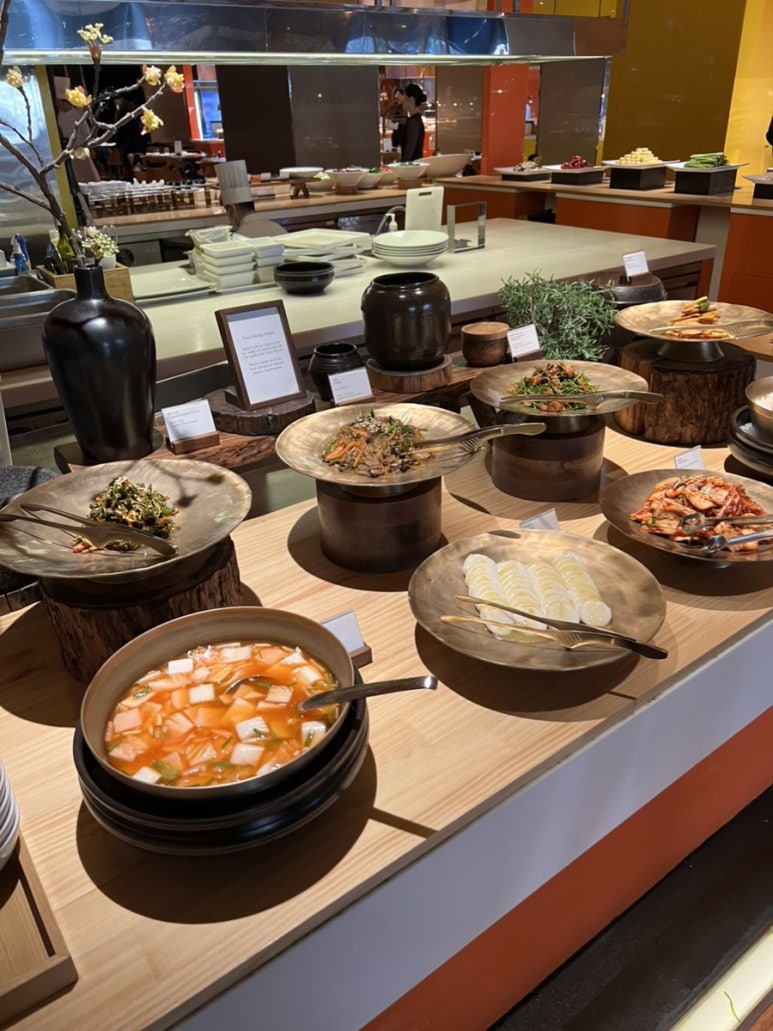
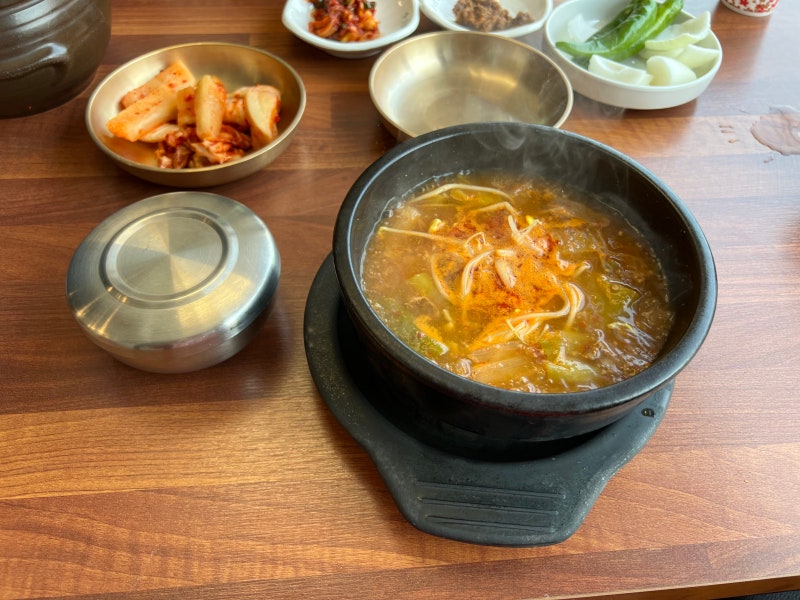
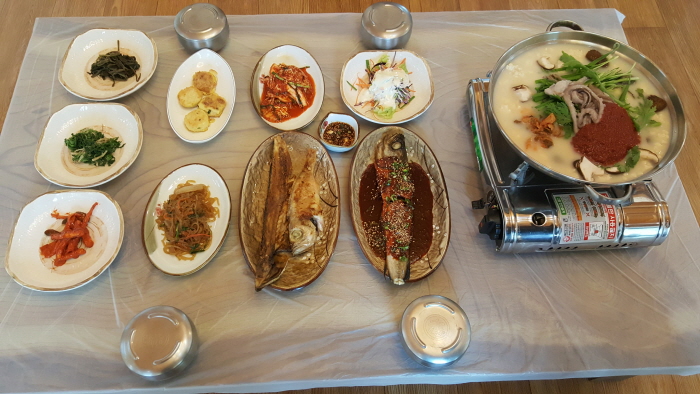
- Banchan — rotating side dishes: kimchi, pickled vegetables, seasoned spinach
Some restaurants bring the bulgogi in a broth-filled pan and let you add glass noodles (dangmyeon, 당면) toward the end of the meal — the noodles absorb the marinade and become arguably the best part of the dish.
Price Range
A bulgogi set meal — meat, rice, banchan, and soup — typically costs ₩12,000–20,000 at a neighbourhood Korean restaurant. Dedicated bulgogi specialists and Gwangyang-style restaurants run ₩18,000–30,000 per person. Premium hanwoo (한우) beef bulgogi can reach ₩40,000–60,000. Lunch specials at many restaurants offer a bulgogi rice bowl (bulgogi deopbap, 불고기 덮밥) for ₩9,000–13,000 — one of the best-value meals in Seoul.
How to Spot a Good Bulgogi Restaurant
- Look for places that list the cut of beef on the menu — sirloin (deungsim, 등심) or rib-eye (chadolbaegi for thin-cut) signals quality awareness.
- A good marinade should have visible pear or apple in the ingredients list. Ask the server: "Bae sseoyo?" (배 써요? — Do you use pear?)
- Restaurants that have been open for ten or more years and are full of Korean families at lunch are almost always reliable.
- If the bulgogi arrives pre-cooked and cold on a plate, you're at a more casual spot. If it arrives raw and sizzling on a burner, the kitchen is confident in its marinade.
Where to Try Bulgogi in Seoul
You could eat bulgogi every day in Seoul and never run out of options — but a few neighbourhoods and establishments consistently stand out. Mapo-gu and Mapo Station area has a cluster of old-school bulgogi houses serving marinated sirloin on tabletop burners. Insadong and the Insa-dong Suyeon Sanbang district attract diners who want a more traditional, quieter setting. The Jongno area — particularly around Gwangjang Market — has stalls that have been serving bulgogi wraps for decades, where the ritual of folding meat and kimchi into a perilla leaf feels unchanged by time.
- Bulgogi Brothers (불고기브라더스) — A popular upscale chain with locations in Myeongdong and Gangnam. Good entry point for first-timers: English menus, premium marbling, and a consistent result every visit. Around ₩22,000–32,000 per set.
- Gwangjang Market stalls — Sit at the counter, watch the vendor grill slices over charcoal, and wrap them yourself. Rough, real, and deeply satisfying. Under ₩15,000 for a generous portion.
- Local neighbourhood bulgogi restaurants (동네 불고기집) — The best bulgogi is often found at unmarked restaurants in residential alleys — look for handwritten signs, elderly regulars, and the scent of caramelising soy drifting into the street. These are the places that have been perfecting one marinade for thirty years.
Quick Tips Before You Go
- Order a bowl of rice separately if it doesn't come with the set — you'll want to stir the leftover marinade and juices into the rice at the end. Don't waste that sauce.
- If the restaurant offers glass noodles (당면, dangmyeon) as an add-in, say yes. They absorb the bulgogi marinade and become the most addictive part of the meal.
- Bulgogi wraps are eaten in one bite. Load the perilla leaf with meat, a smear of ssamjang, and a sliver of garlic — then fold and eat without hesitation.
- Lunch sets (점심 특선) at bulgogi restaurants often include soup, banchan, and a generous portion of meat for ₩10,000–14,000 — one of the best-value meals in Seoul.