Find It on the Map
Urban oasis with deer feeding
From Your Hotel Area
→ Seoul Forest서울숲
Why Seoul Forest Keeps Appearing on Your Screen
There is a particular kind of scene that K-dramas return to again and again: two people walking down a tree-lined path, the light filtering through leaves, autumn colours or spring blossoms making everything look like a photograph. Seoul Forest (Seoul Sup, 서울숲) is one of the places those scenes actually come from. The metasequoia-lined paths in autumn, the deer enclosure in the early morning, the wide grass meadows that catch the golden hour light — this is a park that was practically designed to appear beautiful on a screen.
The practical details make it even better: it is free to enter, open every day, and a ten-minute walk from one of Seoul''s best café streets. It covers 1.16 square kilometres of former racetrack land along the Han River in Seongdong-gu, and it manages to feel genuinely spacious even on a busy weekend afternoon. Bring a picnic blanket, charge your camera, and plan for at least half a day.
The Deer Experience: What to Expect
The deer enclosure in Zone 3 (자연체험학습원, Nature Experience Zone) is probably why you are reading this guide. It is, without question, one of the more surreal and delightful things you can do for free in a major city. A small herd of Sika deer (꽃사슴) roams a large fenced meadow, and visitors can enter a feeding area to interact with them up close.
A few things to know before you arrive:
- Deer feed is available from vending machines near the enclosure entrance for a small fee. Do not bring your own food — only the designated feed.
- The deer are used to people but they are still animals. Hold the feed flat on your palm rather than in your fingers, and let the deer come to you.
- Early morning on weekdays is the best time. The deer are more active, the light is better for photos, and you will not be competing with school groups for space.
- The enclosure is most photogenic in autumn when the surrounding trees turn red and gold, and the deer move through the coloured leaves. This is the shot you have seen on Instagram.
Fawn season in late spring sometimes means baby deer visible in the enclosure. If you are visiting between April and June, this is worth checking.
K-Drama Photo Spots
Seoul Forest has appeared in numerous Korean productions over the years, and even when a specific scene was not filmed here, the park has the quality of feeling like it was. Part of this is the four-season drama-readiness of the location — every time of year produces a completely different visual landscape.
📍 The Metasequoia Path (메타세쿼이아 길)
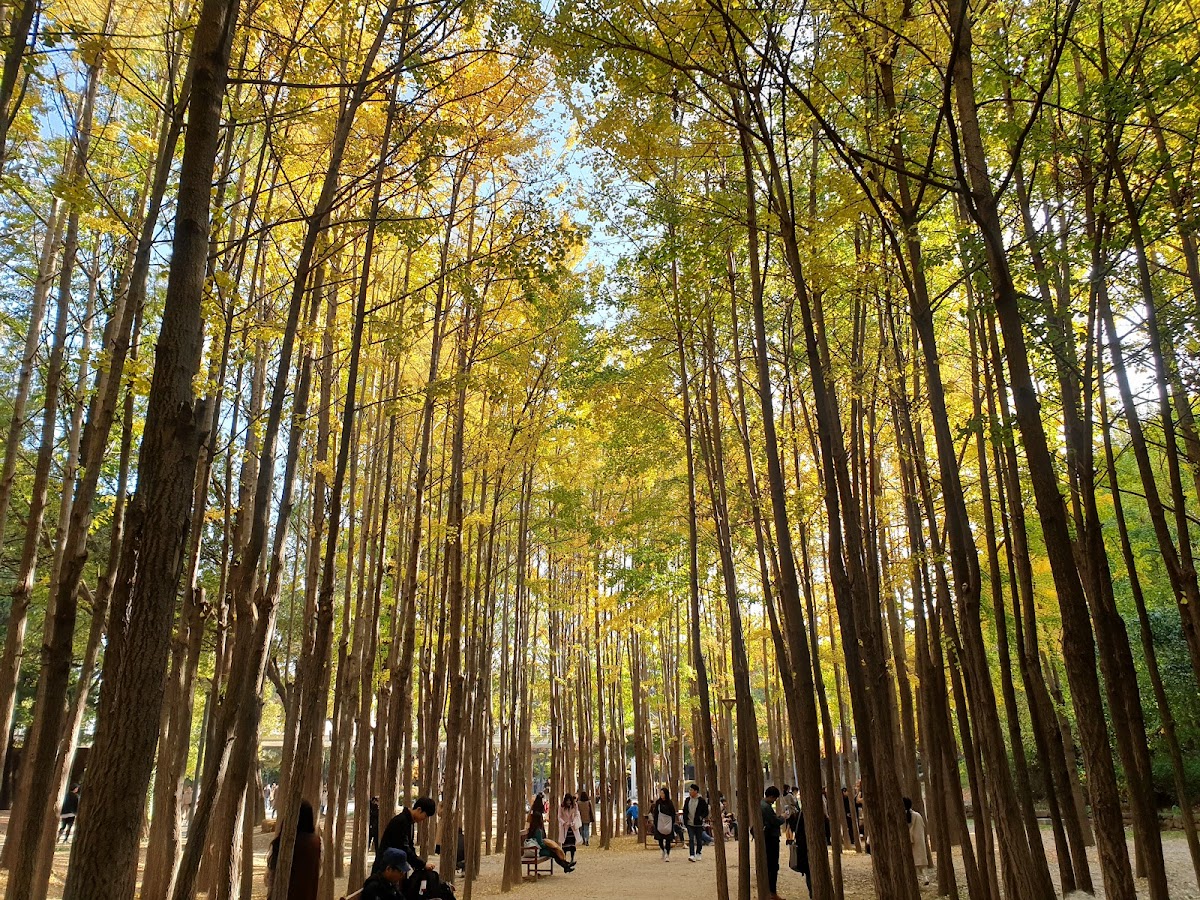
The long avenue of metasequoia trees running through the ecological forest zone is the park''s signature visual. In autumn (October–November), the trees turn a deep burnt orange and the fallen leaves carpet the path. Our Beloved Summer (그 해 우리는, 2021) featured this path in its autumn scenes — the warm light and the tunnel of colour make it one of the most cinematic spots in Seoul.
📸 Photo Spot: Stand at the southern end of the avenue and shoot toward the north in the early afternoon for the best light. In autumn, arrive before 11am on weekdays to have the path relatively clear.
⏱ Suggested Time: 20–30 minutes to walk the full length and back.
📍 Zone 1 Grass Meadow and Fountain (문화예술공원)
The large open meadow in Zone 1 is where families picnic, couples spread blankets, and everyone gravitates when the weather is good. The central fountain operates seasonally and provides a good focal point for wide-angle shots. This zone also contains the butterfly garden — a greenhouse space running from approximately April to October, where dozens of species fly freely around visitors.
📸 Photo Spot: Shoot toward the treeline from the meadow center at golden hour (roughly 5–7pm in summer, 4–6pm in autumn). The light catches the tree canopy in a way that photographs very well.
⏱ Suggested Time: 45–60 minutes including the butterfly garden.
📍 Zone 4 Wetland Ecological Field (습지생태원)
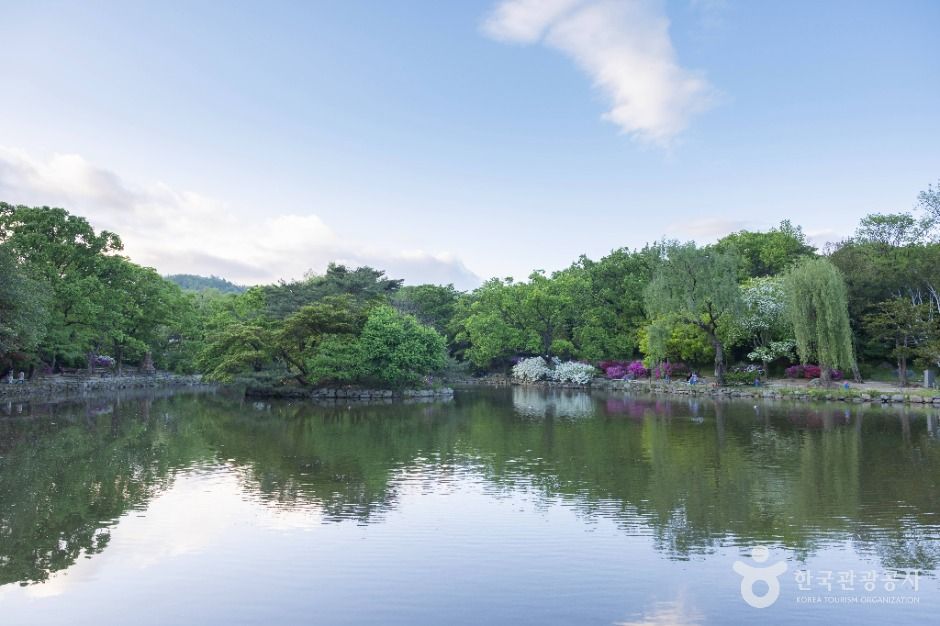
The quietest and least-visited section of the park, the wetland zone has wooden boardwalks over shallow water and seasonal reeds. It is a serious birdwatching spot during migration season (March–April and September–October), and in summer the water lilies are in bloom. The mood is completely different from the rest of the park — slower, more contemplative.
📸 Photo Spot: The wooden bridge over the central pond, particularly in early morning when mist is sometimes visible on the water.
⏱ Suggested Time: 20–30 minutes.
Seasonal Guide
| Season | Highlight | Best Zone |
|---|---|---|
| Spring (Mar–Apr) | Cherry blossoms along Zone 1 entrance path; tulips in the flower garden; baby deer possible | Zone 1 entrance, Zone 3 |
| Summer (Jun–Aug) | Dense green canopy; fountain open; butterfly garden at peak; wetland water lilies | Zone 1, Zone 4 |
| Autumn (Oct–Nov) | Metasequoia turning orange; the park''s most photogenic season | Zone 2 metasequoia path |
| Winter (Dec–Feb) | Quiet and uncrowded; deer enclosure easier to approach; stark tree silhouettes | Zone 3, Zone 2 |
Getting There
- Suinbundang Line → Seoul Forest Station (서울숲역), Exit 3 — 5-minute walk to the main entrance. This is the easiest route.
- Subway Line 2 → Ttukseom Station (뚝섬역), Exit 8 — 10-minute walk, passing through a pleasant riverside area. Good option if you are coming from Hongdae or Sinchon.
- Bicycle: Ttareungi (따릉이, Seoul''s public bike share) has docking stations at the park entrance. A one-hour rental costs ₩1,000 — worthwhile if you want to cycle the full park and then continue to Seongsu-dong.
After Seoul Forest: Seongsu-dong Café Street
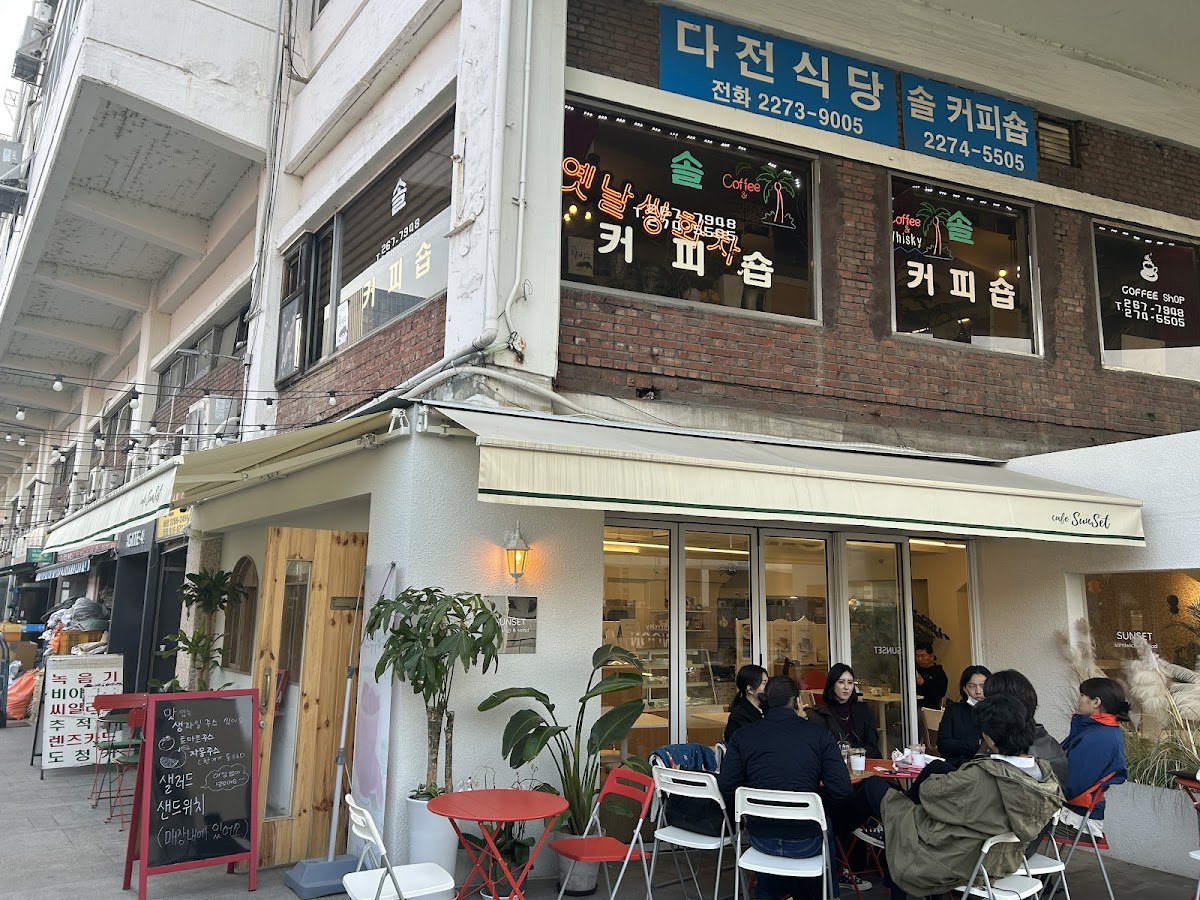
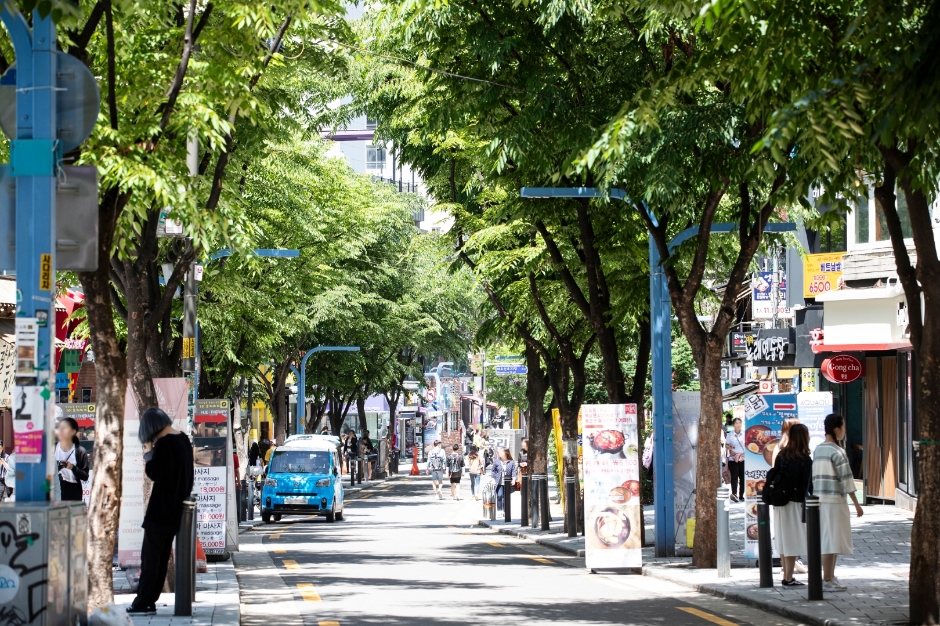
Exit the park from the Ttukseom Station side and walk ten minutes east. This brings you into Seongsu-dong (성수동), the neighbourhood that has replaced Hongdae as Seoul''s most discussed café destination. The contrast is part of the appeal: old leather tanneries and printing workshops converted into sprawling industrial-chic cafés, with exposed concrete ceilings and enormous windows onto what used to be factory floors.
You do not need a specific recommendation to enjoy Seongsu-dong. The café density is high enough that you can simply walk down Yeonmujang-gil (연무장길) and step into whatever catches you. The neighbourhood rewards wandering over planning. Allow ninety minutes to two hours, especially on weekends when pop-up shops appear between the permanent spaces.
The Seoul Forest to Seongsu-dong route — park in the morning, café in the afternoon — is one of the better half-days you can design for yourself in Seoul.
Practical Tips
- Free entry, no closing time. The park technically does not close. You can visit at any hour, though the deer enclosure and butterfly garden have their own operating schedules — arrive by 5pm to be safe.
- Dogs welcome. Leashes required. The park is popular with Seoul dog owners, especially on weekend mornings.
- Bring water and snacks. There are some vendors near Zone 1 but the park is large. Buying food in Seongsu-dong before you enter (or at the convenience store near Seoul Forest Station) is easier.
- Weekend timing. Weekday mornings between 9am and 11am are the quietest. Saturday and Sunday afternoons in spring and autumn are the busiest — still manageable, but expect company at the metasequoia path.
- Bike share is worth it. The park is large enough that walking every zone takes two to three hours. A Ttareungi bicycle lets you cover the ground efficiently and continue to Seongsu-dong without retracing your steps.