Find It on the Map
Seoul's oldest hanok neighborhood transformed into a trendy district with retro cafes, restaurants, and boutiques. A perfect blend of old and new Korea.
From Your Hotel Area
→ Ikseon-dong Hanok Alley익선동 한옥골목
Seoul's Oldest Hanok Alley — And Its Most Atmospheric
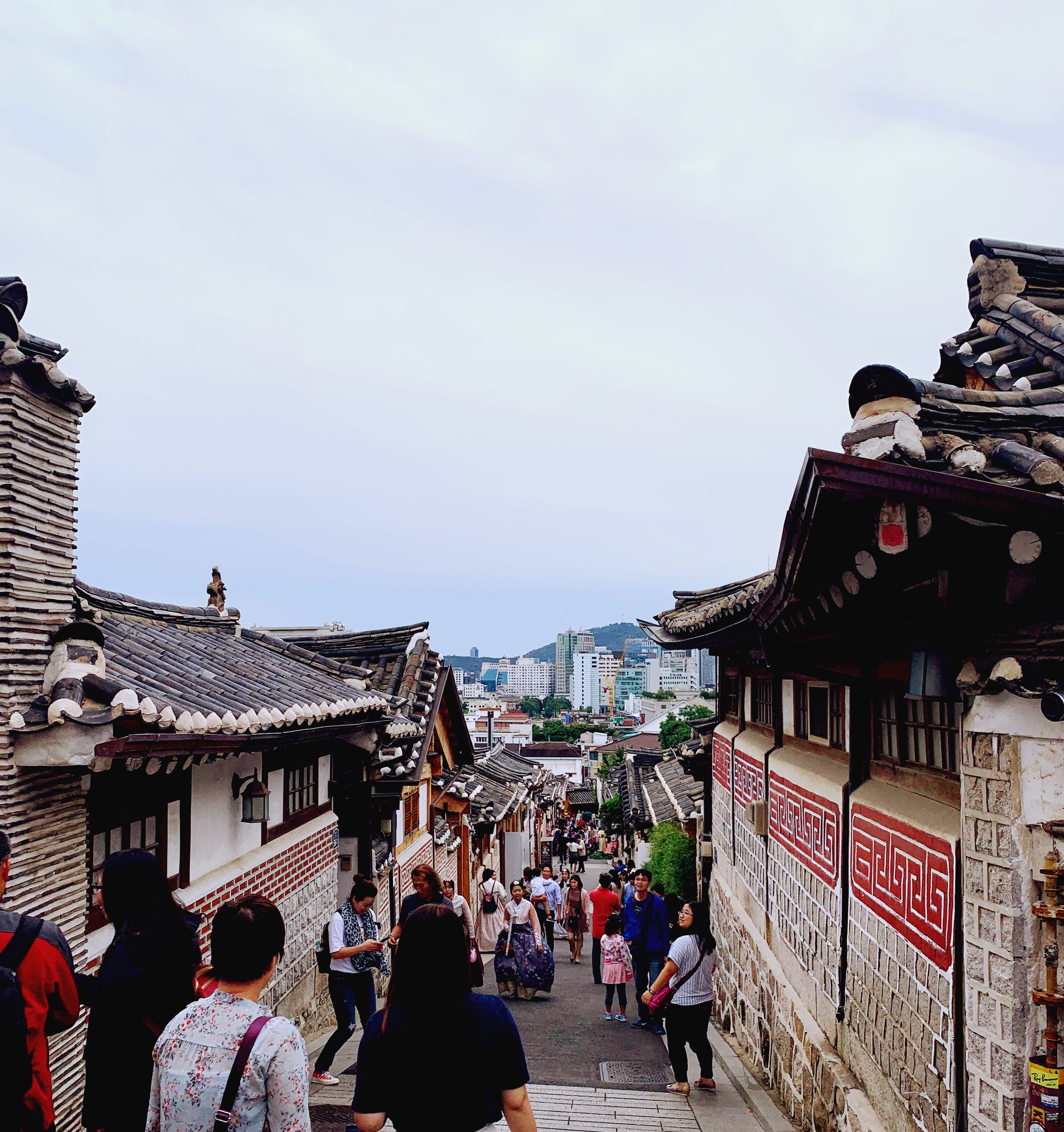
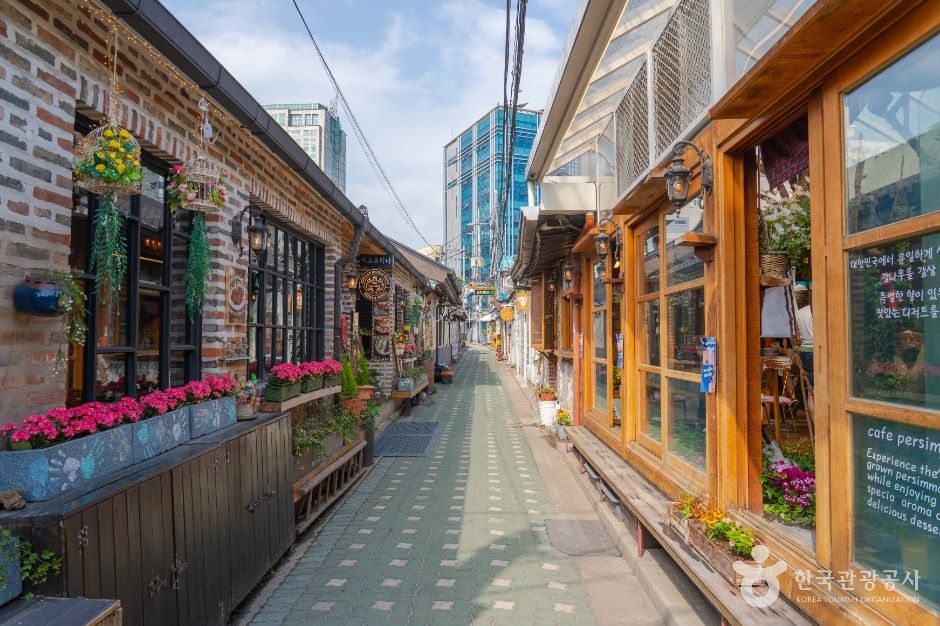
Picture a neighborhood where a century-old tiled roof shelters a cocktail bar, where the alley you're walking down hasn't changed its dimensions since 1920 — but the music drifting out of the door ahead of you is distinctly contemporary. That's Ikseon-dong (익선동), Seoul's oldest surviving hanok district, and one of the city's most quietly magnetic corners. It doesn't announce itself loudly. Half the pleasure is finding it tucked behind Jongno's busy avenue, suddenly quiet and low-slung, the air smelling faintly of tea and old timber.
The neighborhood dates to the Japanese colonial era of the 1920s and 1930s, when land developer Jeong Se-gwon converted rice paddies into dense rows of small hanok houses for the urban middle class. Unlike Bukchon — which preserved its hanok as a showcase of upper-class Joseon culture — Ikseon-dong was built as working-class housing and stayed that way for most of the 20th century. By the 2000s it was earmarked for redevelopment. Local resistance saved it. By the 2010s, young Koreans had discovered that the cramped floor plans and courtyard layouts made perfect boutique cafe and bar interiors. The neighborhood reinvented itself without losing its bones.
What Makes It Different from Bukchon
Both Ikseon-dong and Bukchon Hanok Village offer traditional Korean architecture, but the experience is entirely different. Bukchon is a residential hillside neighborhood; walking it can feel like passing through someone's garden. Ikseon-dong is a commercial district built for socializing — the hanok were always meant to be entered, occupied, animated by people. Where Bukchon is best at 8am when it's empty, Ikseon-dong comes into its own after 4pm when the cafes open properly and the evening crowd begins to drift in.
The streets here are also flatter, the lanes less steep, and the atmosphere more relaxed. Nobody is shushing you. Street food carts appear in the early evening. It is, by design, a place to linger.
What to Do and See
Hanok Cafes and Tea Houses
The defining activity in Ikseon-dong is simply choosing a door and going in. Most of the cafes occupy converted hanok with original wooden beams, ondol-style low seating, and small interior courtyards. The contrast between ancient shell and carefully curated interior — specialty coffee equipment, handmade ceramics, minimal signage — is what draws photographers and design lovers.
- Ikseon Hyang (익선향): One of the most beloved tea houses in the district. Traditional Korean teas served in lacquered cups, floor seating, paper screen windows. The setting is as close to Joseon-era as you will find in central Seoul. A pot of citron tea or ssanghwa-tang (medicinal herbal tea) here costs around ₩8,000–12,000.
- Cafe Layered: A multi-floor hanok conversion that became famous on Korean social media for its architectural layering — courtyard, mezzanine, rooftop. The coffee is solid; the space is the main event.
- Ikseon Jip (익선집): Focused on traditional Korean desserts — bingsu (shaved ice), tteok (rice cakes), and seasonal grain drinks. The kind of spot where you sit for an hour without noticing.
Fusion Restaurants in Hanok Buildings
The restaurant scene in Ikseon-dong leans heavily into fusion — Thai, Vietnamese, and French cooking tucked into buildings that are decidedly Korean. It is a peculiarly Seoul combination and it works. Reservation apps (Naver, Catch Table) are useful on weekends; on weekdays most places seat walk-ins.
- Thai restaurants: Several well-regarded Thai restaurants have set up in the district, their herb-heavy cooking contrasting pleasantly with the old-wood interiors.
- Tteokbokki and pojangmacha: Street-level stalls near the main alleys sell classic Korean street snacks for ₩3,000–6,000. A good option if you want to eat while walking.
Cocktail Bars — The Night Side of Ikseon-dong
After 7pm, Ikseon-dong transforms. The cafe crowd gives way to a bar crowd, and the neighborhood's best-kept secret emerges: it has some of Seoul's most atmospheric cocktail bars, all operating inside century-old buildings. Low lighting, exposed beams, courtyard seating under string lights. Budget ₩15,000–25,000 per cocktail, with menus that often incorporate Korean ingredients — omija berry, ginseng, nuruk grain.
Photo Spots
- The main alley junction: Where Ikseon-ro forks into two narrower lanes. Classic overhead shot of tiled rooftops converging.
- Doorways and courtyards: Many cafes allow photos inside; check for signs. Some of the most striking images come from half-open wooden doors framing interiors.
- Late afternoon light: The low sun hits the west-facing walls of the hanok from around 4:30–5:30pm, turning the tiles golden. This window is worth planning your visit around.
Getting There
Take Line 1, 3, or 5 to Jongno 3-ga Station and use Exit 4. Ikseon-dong is a 3-minute walk north. The lane entrance appears on your left just before the convenience store on the corner. No signage marks it dramatically — that's part of the appeal. Google Maps navigation to "Ikseon-dong" works reliably.
Hours and Admission
- Admission: Free. The neighborhood is public street space.
- Best hours: 4pm–10pm on weekdays; 2pm–11pm on weekends when bars stay open later.
- Individual cafes: Typically open noon–10pm; bars open from 6pm.
- Quietest time: Weekday afternoons before 5pm. Weekend mornings before noon.
Nearby — Make It a Full Day
Ikseon-dong sits at the center of Seoul's most walkable historic cluster. From Exit 4 of Jongno 3-ga Station:
- Insadong (인사동): 8-minute walk south. Gallery street, traditional crafts, the Ssamziegil courtyard shopping complex. Good for afternoon browsing before Ikseon-dong bars open.
- Changdeokgung Palace (창덕궁): 12-minute walk north. A UNESCO World Heritage Site. Combine with Ikseon-dong for a history-focused day.
- Bukchon Hanok Village: 15-minute walk northwest. If you want to compare Ikseon-dong's commercial hanok with Bukchon's residential version, do Bukchon in the morning (before crowds) and Ikseon-dong from late afternoon.
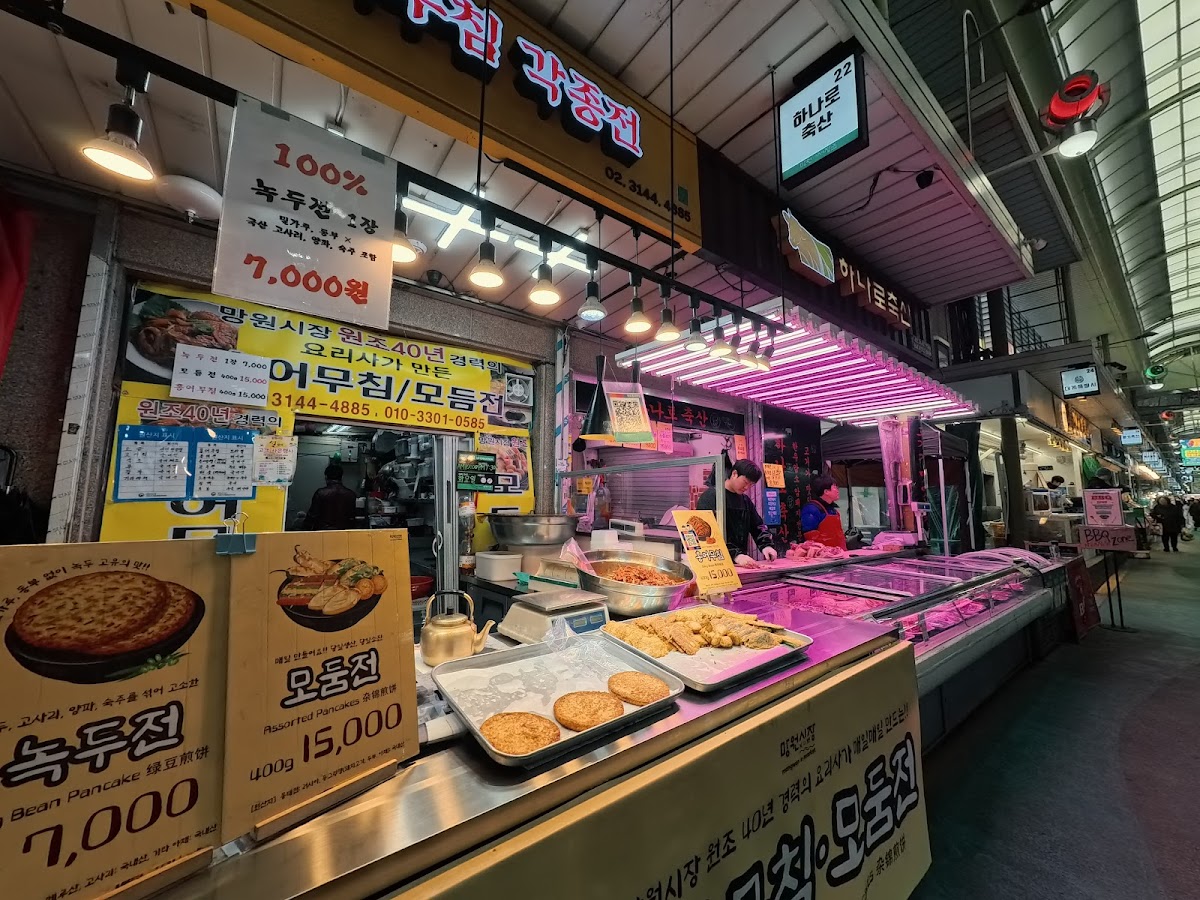
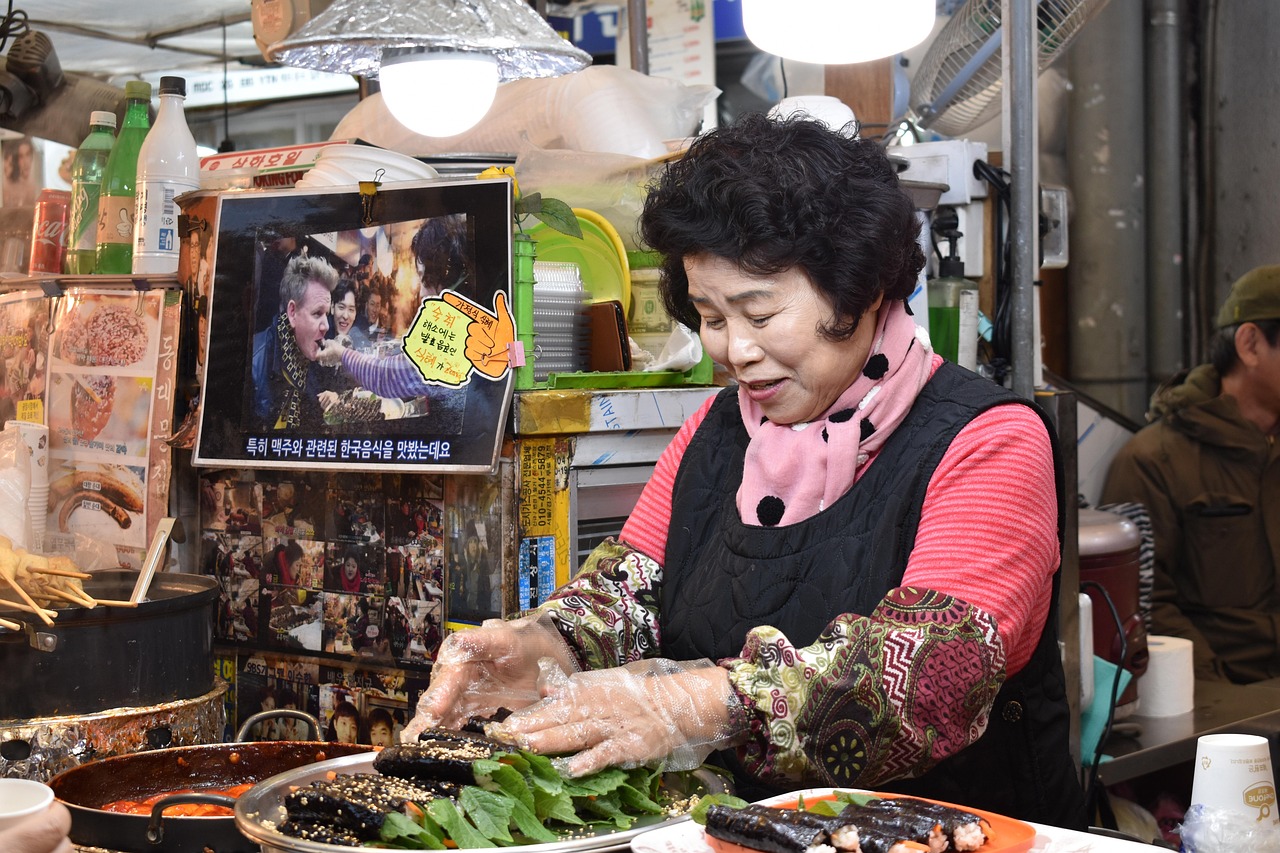
- Gwangjang Market (광장시장): 10-minute walk east. One of Seoul's oldest traditional markets. Bindaetteok (mung bean pancakes) and mayak gimbap are the must-orders.
Tips for First-Time Visitors
- Come after 4pm: Most cafes don't open until noon, but the neighborhood reaches its best form in the late afternoon and evening when the light is flattering and the bars are warming up.
- Weekdays are significantly quieter: Weekend afternoons bring crowds thick enough to make the narrow lanes uncomfortable. Tuesday–Thursday is ideal.
- Budget ₩10,000–30,000: A tea or coffee runs ₩8,000–12,000; cocktails ₩15,000–25,000; a fusion meal ₩15,000–30,000 per person.
- No need to plan tightly: The neighborhood is small (15 minutes to walk end to end at a stroll) and designed for wandering. Pick a direction and follow what looks interesting.
- Cash and card: Most cafes and bars accept card. Street food stalls are cash only. Keep ₩10,000 in small bills.