Essentials
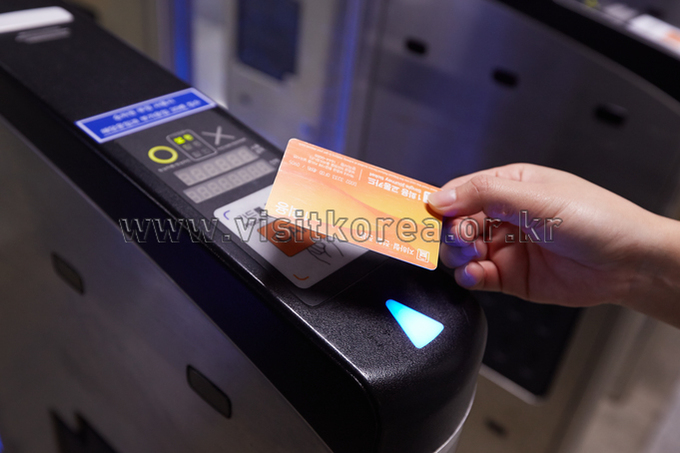
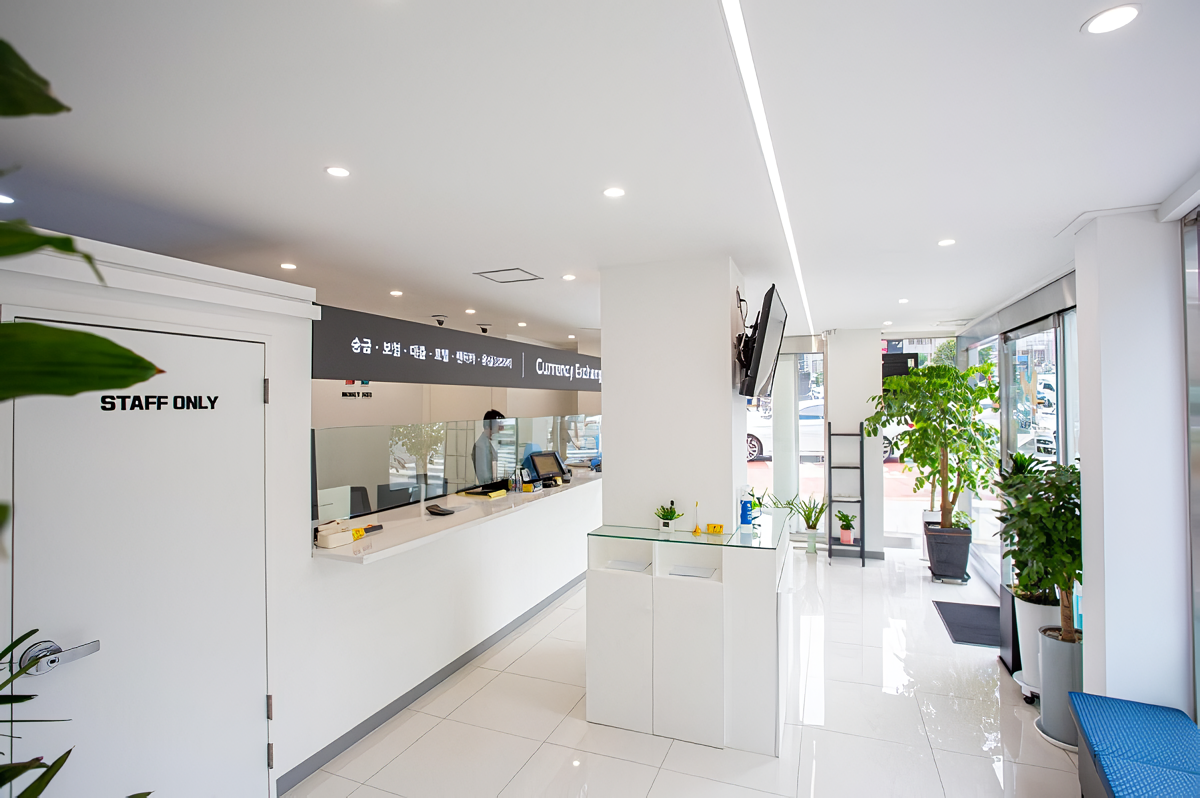
韓国のお金と支払い
両替・ATM・支払い方法の完全ガイド
Read guide →Korean cuisine (hansik) is built around balance — fermented sides (banchan), a steaming bowl of rice, and a main dish that changes with the season. Meals are served all at once rather than in courses, and sharing dishes at the table is the norm. The depth of flavor comes from slow-fermented pastes like doenjang (soybean) and gochujang (chili), which form the backbone of soups, stews, and marinades across the country.
Mapo-gu — home to Hongdae, Sinchon, and Hapjeong — is Seoul's youth and arts district, defined by its university population, live music venues, and creative energy. The food scene is diverse, affordable, and experimental: trendy cafés, late-night pojangmacha, global street food, and boundary-pushing restaurants all compete for attention in this perpetually buzzing neighbourhood.
good, healthy, various, nice owners :)
The owner recommended today's menu: oyster pancake (pickled in perilla leaves). It was amazing, as well as the seasoned dried pollack, pollack roe, fish cake soup, and cockle bibimbap. They were all delicious. The recommended wine was also delicious, and the friendly explanations and service were great. It's a great place to chat with friends. The food was delicious. The pollack roe changed the recipe depending on the customer's request for texture, so it was chewy. The atmosphere was great, and the food was great, and it was a wonderful day to chat with family.
Korean blogger posts. Links open original posts on Naver.