Essentials
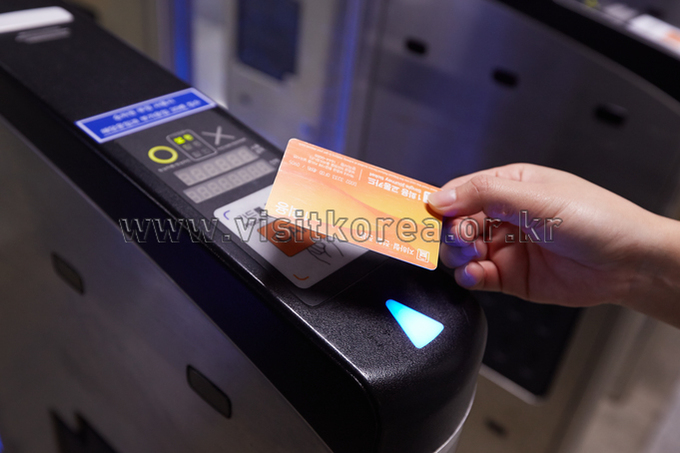
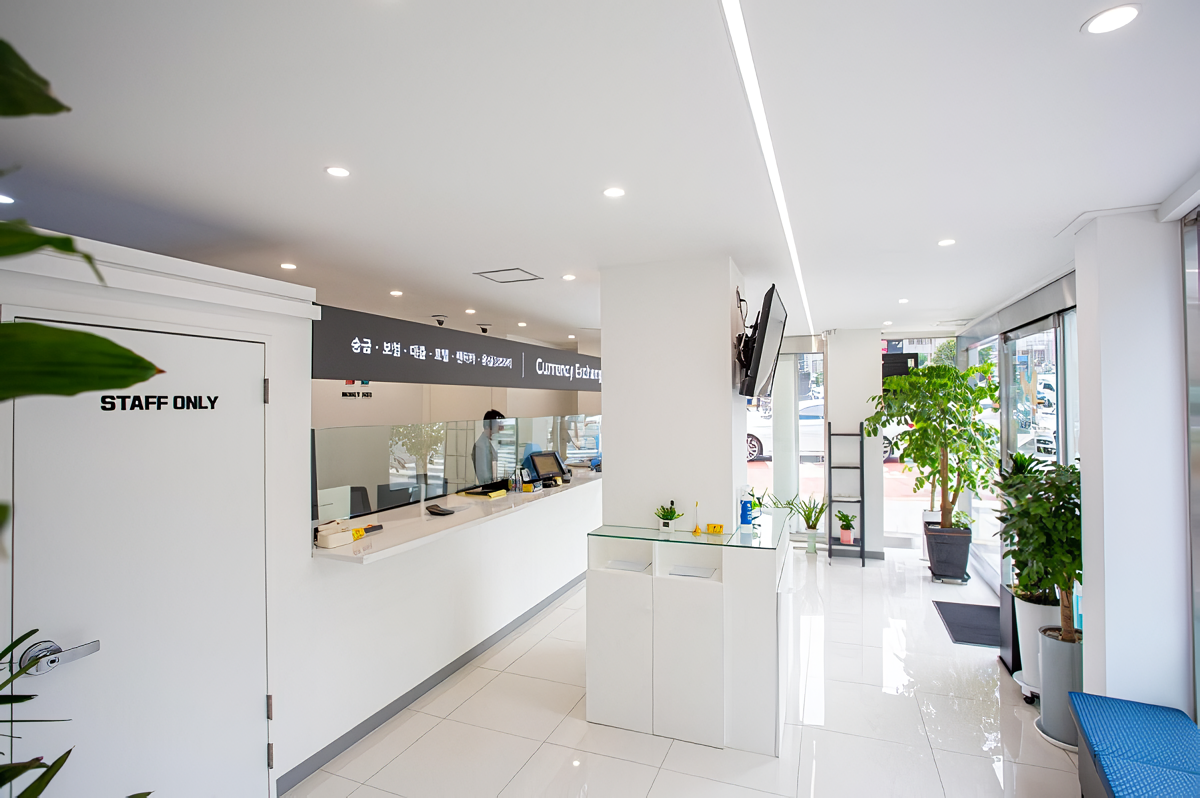
韓国のお金と支払い
両替・ATM・支払い方法の完全ガイド
Read guide →Korean cuisine (hansik) is built around balance — fermented sides (banchan), a steaming bowl of rice, and a main dish that changes with the season. Meals are served all at once rather than in courses, and sharing dishes at the table is the norm. The depth of flavor comes from slow-fermented pastes like doenjang (soybean) and gochujang (chili), which form the backbone of soups, stews, and marinades across the country.
Mapo-gu — home to Hongdae, Sinchon, and Hapjeong — is Seoul's youth and arts district, defined by its university population, live music venues, and creative energy. The food scene is diverse, affordable, and experimental: trendy cafés, late-night pojangmacha, global street food, and boundary-pushing restaurants all compete for attention in this perpetually buzzing neighbourhood.
THE BEST GIMBAP I'VE EVER HAD IN MY LIFE (not *in-life, yet, there's plenty of time still but it's a start). Jumping off the plane, dusty eyed and joints aching, I look to the locals to lead the way! Hongdae is saturated part of town as far as tourism though but Koreans still very much work here and thise that build the city appear to know where to go. I followed the lead of a gang of construction workers clocking off the job. Who's stomach better than some disgruntled and labour worn individuals?
Korean blogger posts. Links open original posts on Naver.
Vegetarian and (one) vegan option, the chef and owner was super nice and very flexible as he managed to transform some of the dishes so they would be vegetarian! Everything was extremely fresh and tasteful, we highly recommend this place (especially for vegetarians searching for meatfree food options that are korean!!) on top of that; it was really budget friendly!