Essentials
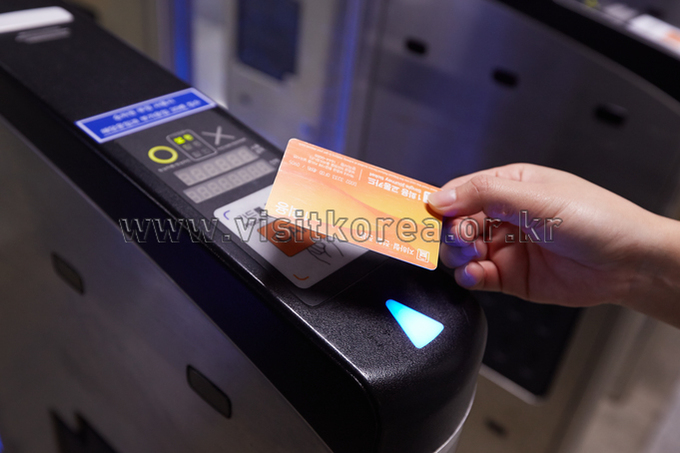
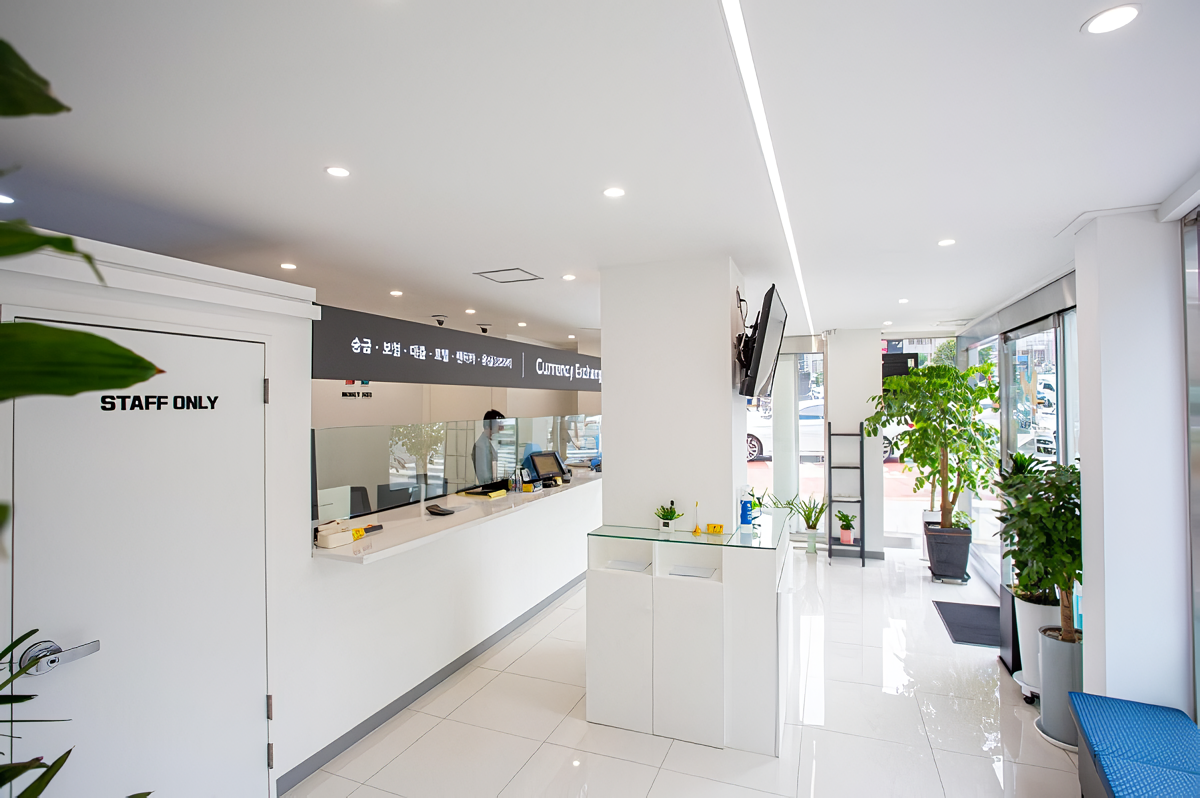
韓国のお金と支払い
両替・ATM・支払い方法の完全ガイド
Read guide →Korean cuisine (hansik) is built around balance — fermented sides (banchan), a steaming bowl of rice, and a main dish that changes with the season. Meals are served all at once rather than in courses, and sharing dishes at the table is the norm. The depth of flavor comes from slow-fermented pastes like doenjang (soybean) and gochujang (chili), which form the backbone of soups, stews, and marinades across the country.
Jongno-gu is the historic heart of Seoul, containing Gyeongbokgung Palace, Bukchon Hanok Village, and Insadong's antique street. The area balances ancient and modern — traditional Korean restaurants, teahouses, and street food vendors operate alongside contemporary galleries and specialty coffee shops. Eating here feels like a connection to centuries of Seoul food culture.
The chicken soup is very yummy. You should eat with noodle.
The chicken is boiled at your table and the service was very friendly and explained us (with hand signs) what to do. Taste was amazing.
Korean blogger posts. Links open original posts on Naver.
The traditional chicken soup didn’t look good but we were so surprised when actually tasted it. We had no idea how to eat it but we just read the instruction on the wall. The dipping sauce was so amazing and we couldn’t stop eating them. This is not a fancy place but if you want to eat the authentic Takkanmari, I highly recommend this place!!!