Essentials
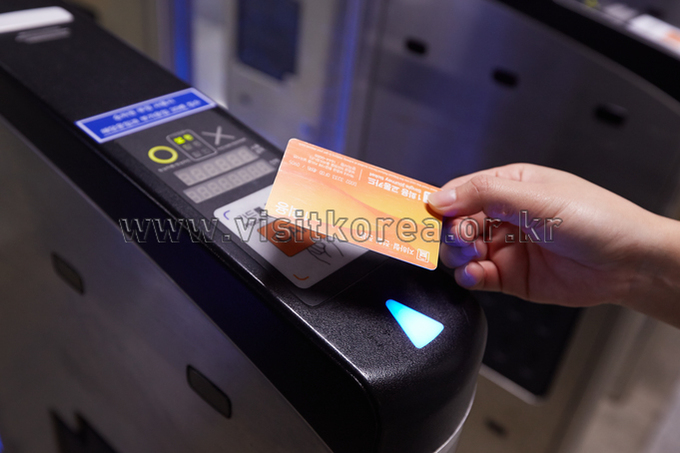
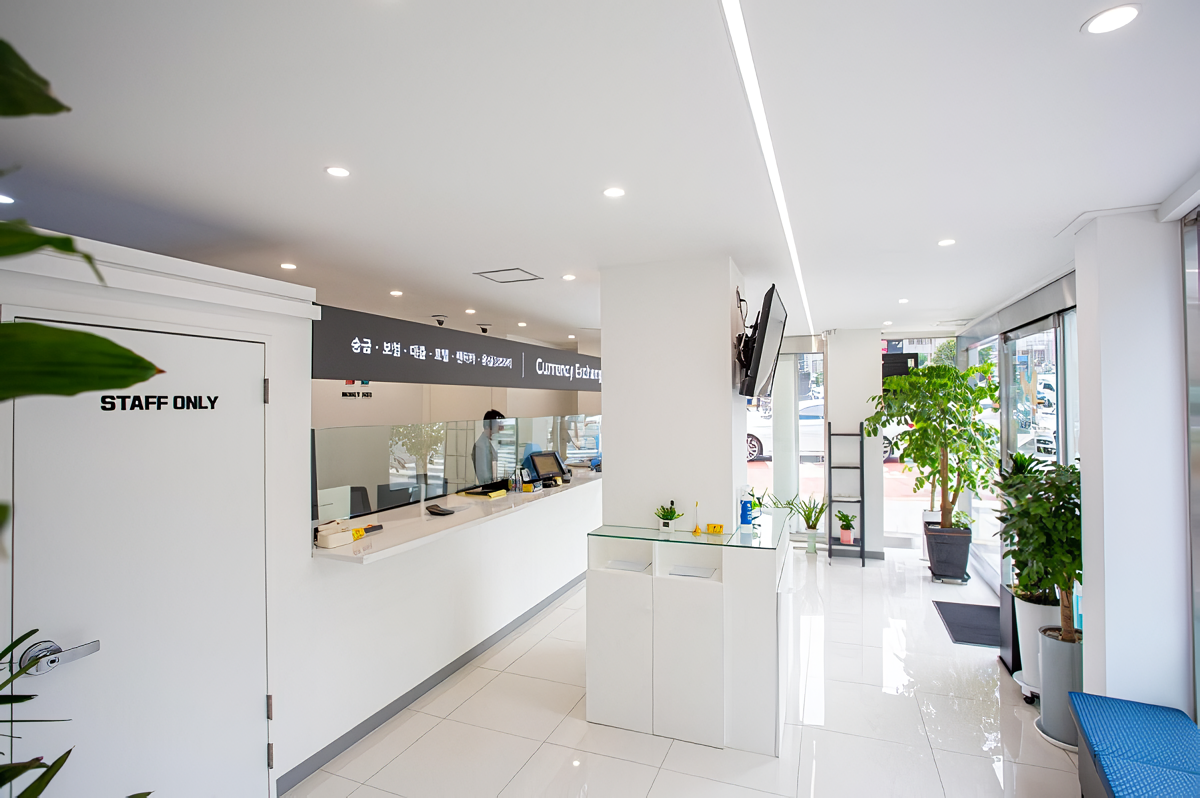
韓国のお金と支払い
両替・ATM・支払い方法の完全ガイド
Read guide →Korean cuisine (hansik) is built around balance — fermented sides (banchan), a steaming bowl of rice, and a main dish that changes with the season. Meals are served all at once rather than in courses, and sharing dishes at the table is the norm. The depth of flavor comes from slow-fermented pastes like doenjang (soybean) and gochujang (chili), which form the backbone of soups, stews, and marinades across the country.
Gangdong-gu in southeastern Seoul is a family-oriented district known for its community markets and traditional Korean restaurants. Cheonho Market offers one of Seoul's best selections of traditional banchan, grilled fish, and home-style Korean cooking away from the tourist circuit.
My family member was hospitalized, and I was taking care of various things when I went out for a late lunch, but the female owner refused to cook for me. "I visited during business hours and took my order, but she kept responding with an uncomfortable tone, saying, 'The staff needs to rest.' I felt so uncomfortable that I couldn't eat, so I canceled my order and left. I wish they would post a notice saying their break time starts at 2:30. I was so offended that I refused to come, but she was like, 'What?' and even sarcastically mocked me. It seems like they think they have a monopoly because they're doing business inside the hospital. I'm going to Bonjuk across the street. Before the food, I was disappointed with the service.
Korean blogger posts. Links open original posts on Naver.