Essentials
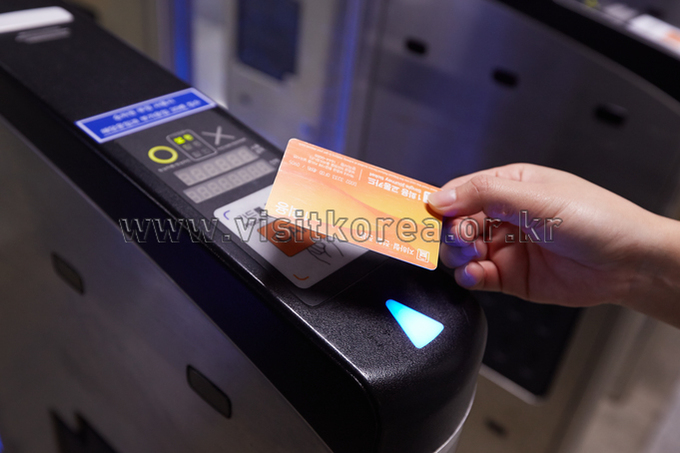
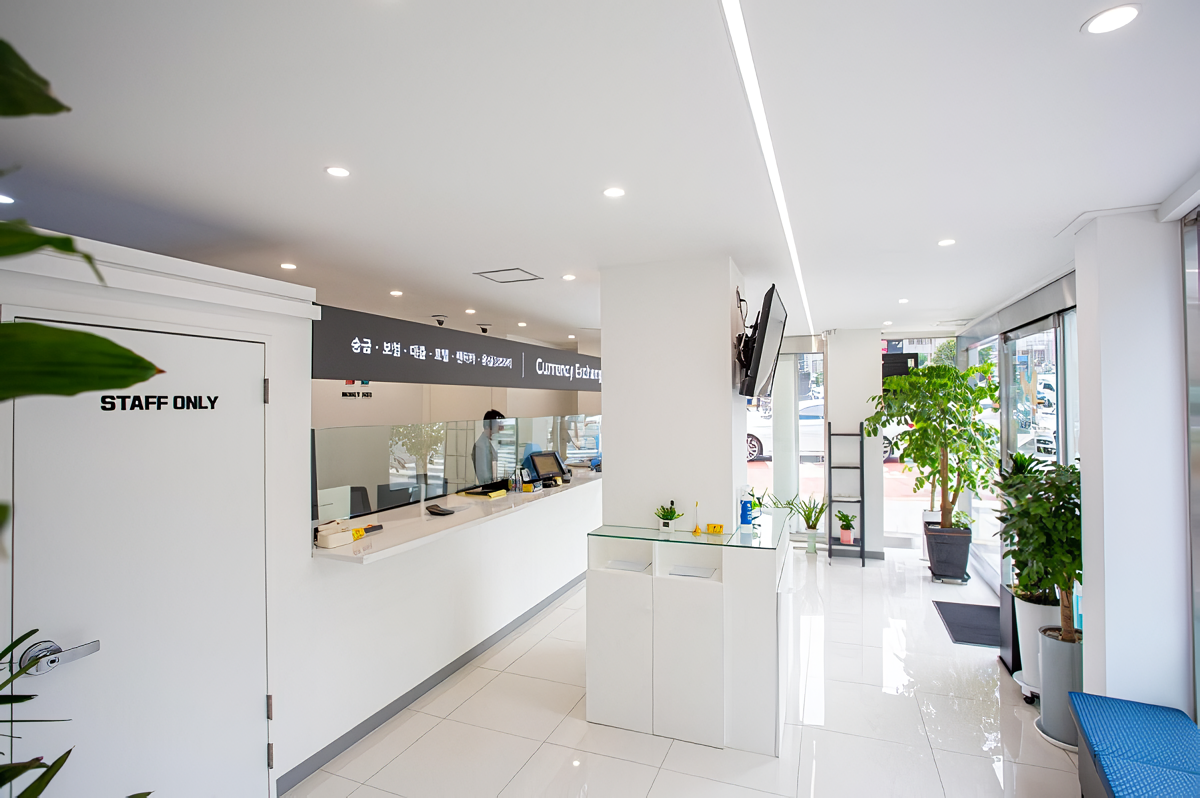
韓国のお金と支払い
両替・ATM・支払い方法の完全ガイド
Read guide →Korean cuisine (hansik) is built around balance — fermented sides (banchan), a steaming bowl of rice, and a main dish that changes with the season. Meals are served all at once rather than in courses, and sharing dishes at the table is the norm. The depth of flavor comes from slow-fermented pastes like doenjang (soybean) and gochujang (chili), which form the backbone of soups, stews, and marinades across the country.
Gangdong-gu in southeastern Seoul is a family-oriented district known for its community markets and traditional Korean restaurants. Cheonho Market offers one of Seoul's best selections of traditional banchan, grilled fish, and home-style Korean cooking away from the tourist circuit.
I was a little hungry today, but this was the most delicious jjajangmyeon I've had in a while. It had a lot of meat and was generous, so I didn't feel hungry after eating it all. Compared to other Chinese restaurants, the noodles were thinner and the sauce was well-stir-fried, so I enjoyed the noodles and sauce together throughout my meal. The photo came to mind after I had a few bites.
Korean blogger posts. Links open original posts on Naver.