Introduction: Seoul's Vegan Revolution
Seoul was not always an easy city for vegan travelers. Korean food is famous for vegetables, fermented side dishes, and rice-based meals, but everyday cooking often relies on hidden animal ingredients such as anchovy broth, fish sauce, shrimp paste, or meat-based stock. For years, that meant visitors had to research every meal carefully and accept that many restaurants would not understand the difference between vegetarian and fully vegan. That reality has changed dramatically. Over the past decade, Seoul has become one of Asia's most interesting plant-based cities, with vegan bakeries, specialty coffee shops, dessert cafes, and fully vegan restaurants opening across the capital.
The roots of this change are not entirely new. Korea already had a long culinary tradition of temple food, known as sachal eumsik (사찰음식). Developed in Buddhist temples, temple food emphasizes seasonal vegetables, tofu, mushrooms, mountain herbs, grains, and careful seasoning without the heaviness of meat. It is not identical to modern global vegan culture, but it gave Korea a deep plant-forward foundation long before oat milk flat whites and vegan croissants appeared in Seoul's trendiest neighborhoods. Today's vegan cafe movement builds on that history while adding contemporary baking, brunch culture, and international flavors.
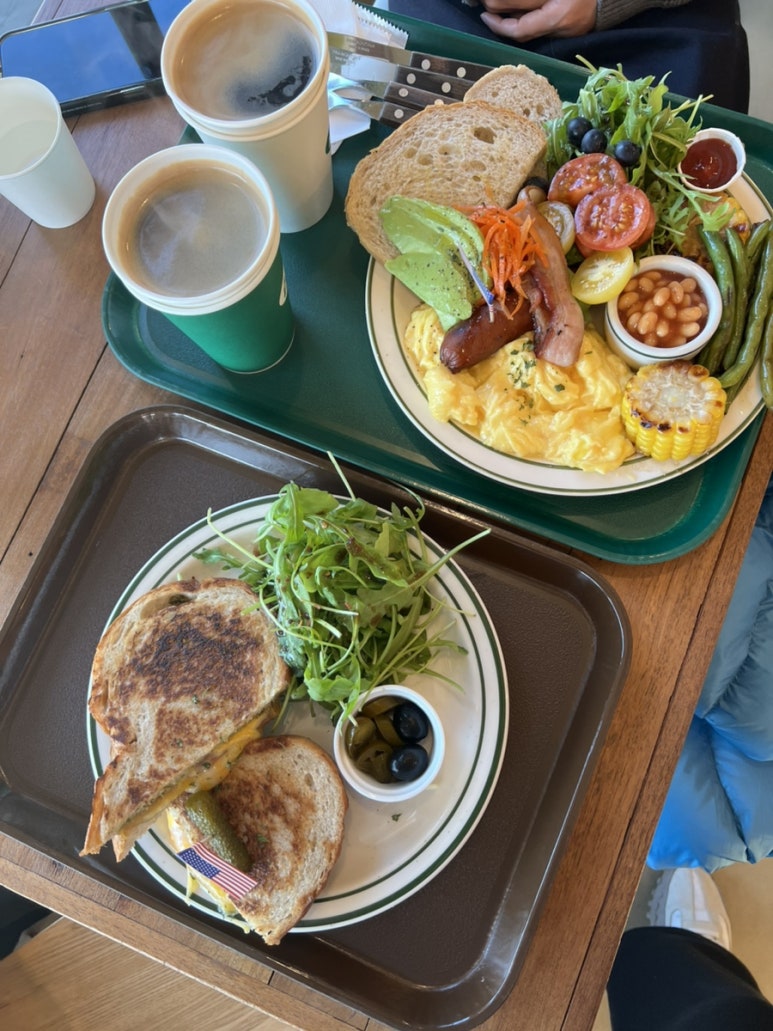
For travelers, that means Seoul is now a city where you can start your morning with vegan pastries and coffee, have a nourishing Korean lunch, stop for cake in the afternoon, and finish with creative plant-based comfort food at dinner. The scene is still smaller than in London, Berlin, or Los Angeles, but it is growing fast, and the quality is much better than many visitors expect.
Best Neighborhoods for Vegan Food
Itaewon (이태원)
Itaewon remains the most internationally accessible area for vegan dining in Seoul. Because the neighborhood has long attracted expats, global restaurants, and travelers, many cafes and bakeries here were among the first to experiment with fully vegan menus and English-friendly service. It is a good starting point if you are new to Korea and want a low-stress first vegan meal.
- Plant Cafe Seoul (Itaewon) is one of Seoul's best-known all-vegan names, serving colorful bowls, burgers, desserts, and baked goods in a stylish, English-friendly setting.
- Nuldam Space Haebangchon (널담은공간 해방촌점) adds a softer cafe experience, with vegan drinks and desserts plus rooftop views toward Namsan.
- The Bread Blue (더브레드블루) remains one of Seoul's most recognizable vegan bakery brands, especially useful if you want breads, cookies, and giftable sweets rather than a full meal.
Itaewon also has the advantage of flexibility. If you are traveling with non-vegan friends, this is one of the easiest neighborhoods to split up briefly and reunite, since there are many international dining options within walking distance. Expect slightly higher prices than in more local neighborhoods, but also better English support and clearer menu labeling.
Jongno / Insadong (종로 / 인사동)
Jongno and Insadong offer a different side of Seoul's vegan culture. This area connects traditional Seoul with a younger creative crowd, so vegan cafes here often mix Korean ingredients, hanok aesthetics, and slower, more reflective dining. It is also the part of the city where temple food culture feels conceptually closest.
- Osegyehyang (오세계향) is one of the most useful classics in Insadong, especially if you want Korean dishes like vegan sweet-and-sour plates, jjajangmyeon, and other familiar comfort foods adapted for plant-based travelers.
- Nuldam Space Gyeongbokgung (널담은공간 경복궁점) is ideal for vegan coffee and dessert breaks when you are visiting the palace, Bukchon, or nearby galleries.
If your Seoul itinerary includes Bukchon Hanok Village, Insadong, Gyeongbokgung, or Jogyesa Temple, this district is an excellent place to plan a vegan meal break. The atmosphere is slower than Itaewon or Gangnam, and many visitors appreciate that these cafes feel connected to Seoul's older identity rather than isolated from it.
Mapo / Yeonnam / Hapjeong (마포 / 연남 / 합정)
Mapo-gu helped push vegan food from niche to cool. Around Yeonnam, Hongdae, and Hapjeong, younger Seoul diners, designers, and cafe enthusiasts normalized plant-based desserts, coffee culture, and casual vegan comfort food. Even people who do not identify as vegan often visit because the spaces feel trendy and the food photographs well.
- Plant Cafe Seoul (Yeonnam) gives Mapo one of its strongest fully vegan anchors, with internationally styled mains, cakes, and a menu that works well for groups with mixed tastes.
- The Bread Blue Sinchon is close enough to fit naturally into a Mapo cafe route if you want to add pastries and takeaway bakery items to the day.
Hapjeong still deserves a place in any Seoul vegan guide because it offers a relaxed pace compared with the busiest sections of Hongdae, but the wider Mapo area now makes more sense than focusing on one micro-neighborhood alone. For travelers who like creative districts, this part of Seoul often feels the most naturally aligned with plant-based culture.
Seocho / Gangnam (서초 / 강남)
South of the Han River, vegan cafes become more polished, design-conscious, and brunch-oriented. Gangnam and neighboring Seocho are not always the first districts that visitors associate with vegan food, but the area now includes excellent plant-based bakeries and cafes that fit the modern, image-driven style of the district.
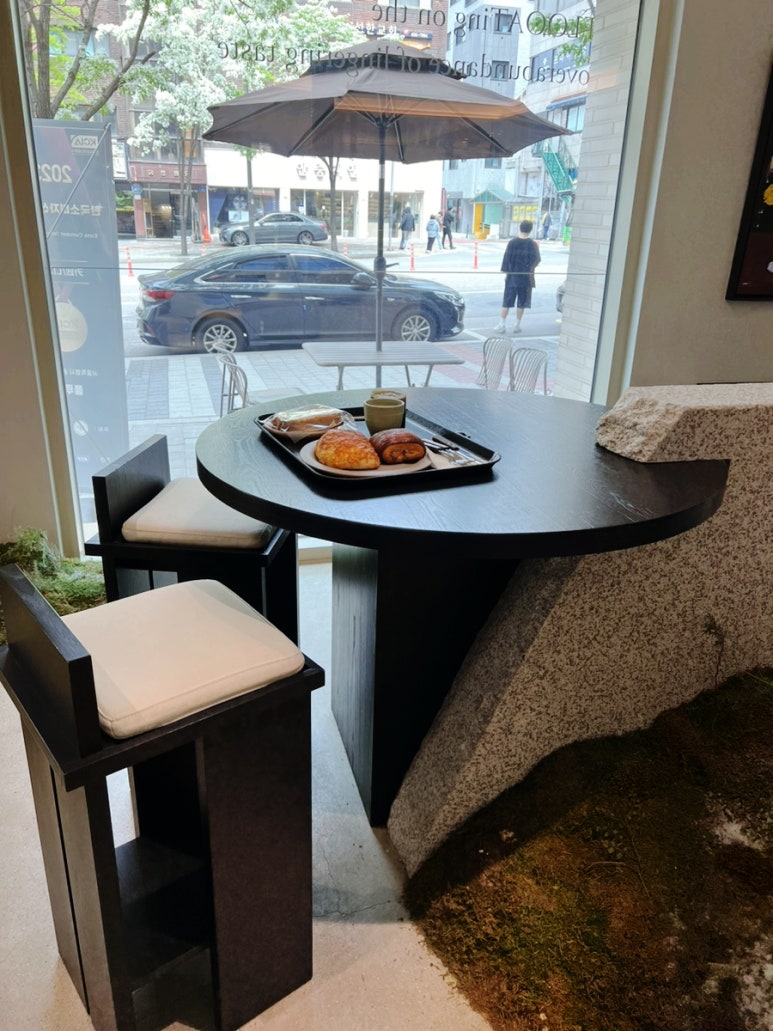
- Plantude (플랜튜드) at COEX shows how mainstream Seoul's vegan dining has become, with polished interiors and a fully plant-based menu designed for shoppers, office workers, and first-time vegan diners alike.
This side of Seoul is useful if you are staying near Express Bus Terminal, visiting COEX, shopping in Gangnam, or simply want to see how vegan cafe culture adapts to a more polished commercial environment. It can feel less bohemian than Mapo and less overtly international than Itaewon, but it proves that vegan dining in Seoul is no longer limited to one social scene.
What to Order: Vegan Menu Guide
Even when you are not eating at a fully vegan cafe, several Korean dishes can work well if you know what to ask. The safest approach is still to choose restaurants with clear vegan labeling, but understanding core dishes helps you build more options into your trip.
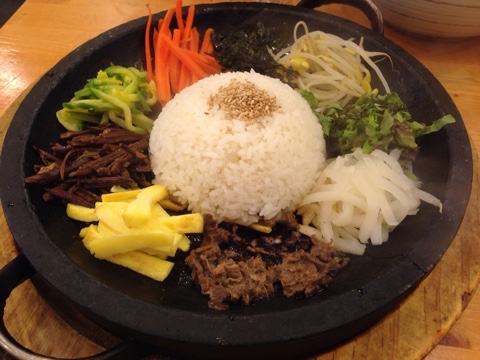
- Bibimbap (비빔밥) can be a very good vegan meal when ordered without meat and without egg. Always check whether the gochujang sauce or side soup contains fish or meat stock.
- Tofu jjigae (두부찌개) sounds naturally vegan, but many versions use anchovy or seafood broth. Ask whether the soup base is fully plant-based before ordering.
- Japchae (잡채), the sweet-savory glass noodle dish, is often close to vegan, but some restaurants add beef or use non-vegan seasoning. It is worth checking rather than assuming.
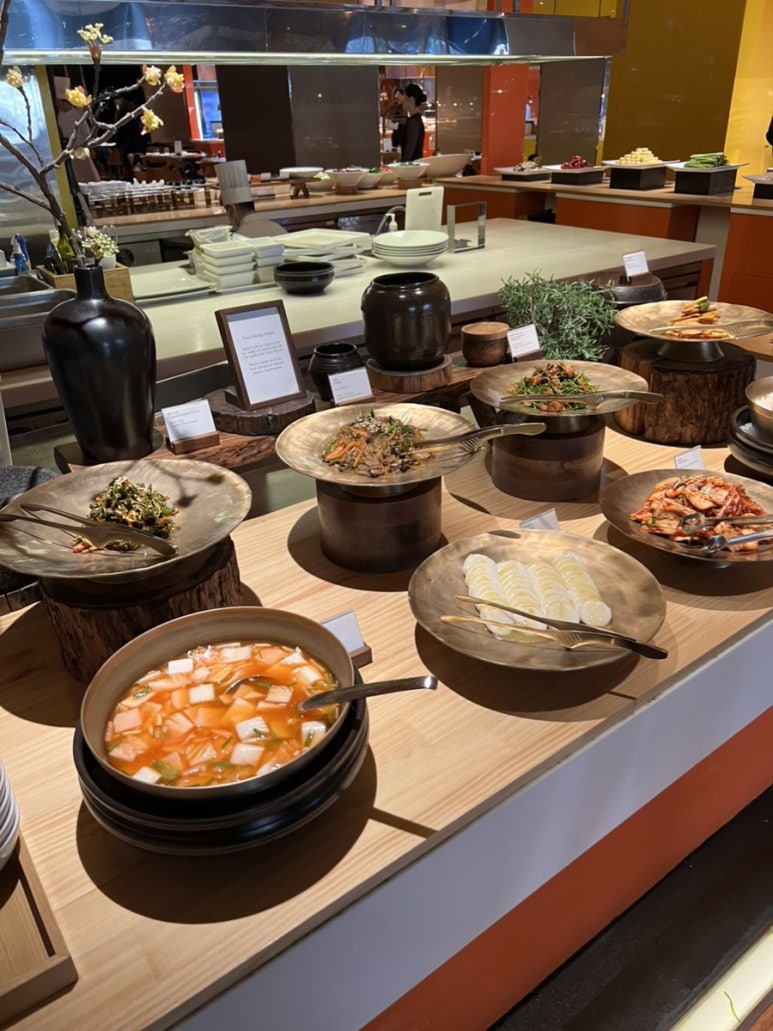
- Temple food is the most reliable traditional framework for vegan eating in Korea. Meals built around vegetables, tofu, mushrooms, lotus root, mountain greens, and fermented sauces can be some of the most memorable food experiences in Seoul.
At vegan cafes, you will also find Seoul-specific strengths: dairy-free cakes, black sesame desserts, soy milk or oat milk lattes, vegan cookies, chestnut-based pastries, and reinterpretations of Korean bakery classics. Do not limit yourself to savory food. Seoul's best vegan cafes are especially strong when it comes to sweets.
Tips for Vegan Travelers in Korea
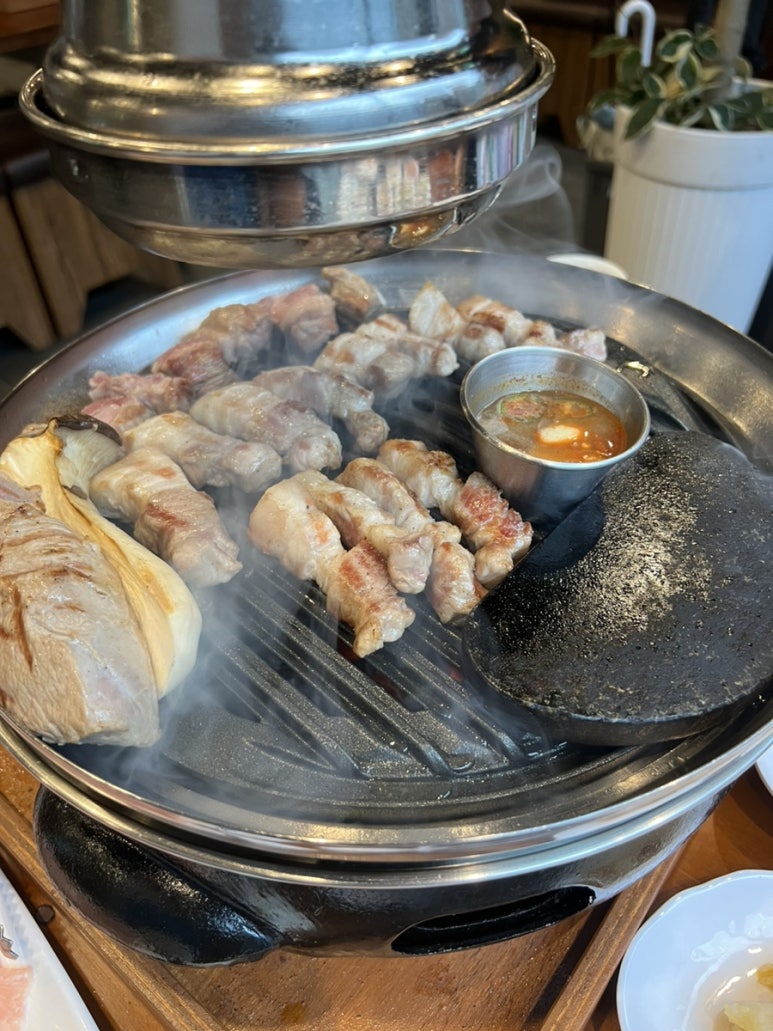
The most important thing to understand is that vegetable does not automatically mean vegan in Korea. A soup may look meat-free but still contain anchovy stock. Kimchi may include fish sauce or salted shrimp. Stir-fried greens may be seasoned with oyster sauce. This does not mean traveling vegan in Seoul is impossible; it simply means clarity matters.
- Useful phrase: "I don't eat meat, fish, eggs, milk, or butter." A simple translation note on your phone helps a lot.
- Watch for hidden ingredients: anchovy broth, fish sauce, shrimp paste, egg wash on bread, butter in pastries, and mayonnaise-based sauces.
- Choose dedicated vegan cafes when possible: they reduce uncertainty and make ordering much easier.
- Use neighborhood planning: group your sightseeing around vegan-friendly districts like Itaewon, Jongno, Mapo, and Gangnam instead of searching randomly when you are hungry.
- Check hours carefully: many independent cafes in Seoul close earlier than restaurants, and some do not open every day.
Korean staff are often helpful even if they are unfamiliar with strict vegan definitions, so a polite and specific explanation usually works better than asking only, "Is this vegetarian?" If you prepare a few phrases and target the right neighborhoods, Seoul becomes much easier to navigate.
Price Range
Most vegan cafes and casual plant-based restaurants in Seoul fall within a comfortable mid-range for travelers. Expect coffee, pastries, cake, or a light dessert stop to cost around ₩8,000–₩15,000 per person, while a fuller brunch plate, sandwich set, or cafe meal usually lands between ₩12,000–₩20,000. Premium desserts in trendier neighborhoods may sit at the upper end of that range, especially in Itaewon and Gangnam, but Seoul still offers strong value compared with many major global cities.
In practical terms, a vegan traveler can comfortably build a full day of cafe stops and one substantial meal without overspending. That is one reason Seoul's vegan scene is becoming easier to recommend: the options are broader, the quality is high, and the city now offers enough plant-based variety that vegan dining can be part of the travel experience rather than a daily logistical problem.