Knowaboutkorea
FoodPlacesEssentialsUsefulLocal ReviewsAbout
ENJA
Dobong-guDongdaemun-guDongjak-guEunpyeong-guGangbuk-guGangdong-guGangnam-guGangseo-guGeumcheon-guGuro-guGwanak-guGwangjin-guJongno-guJung-guJungnang-guMapo-guNowon-guSeocho-guSeodaemun-guSeongbuk-guSeongdong-guSongpa-guYangcheon-guYeongdeungpo-guYongsan-gu
MichelinHanwooBBQKoreanJapaneseCafeStreet FoodBuffetSteakHalalChickenSnacksChineseSeafood
๐Ÿ”ฅ TrendingEating Alone in Korea: The Complete Honbap Guide โ€” Solo BBQ, Minimum Orders & Best SpotsK-Drama Filming Locations Tour: Seoul's Best Spots in One DayBukhansan Hiking Guide: Seoul's Mountain Escape (Trails, Tips & Getting There)HYBE INSIGHT: The Ultimate BTS & K-Pop MuseumMoney in Korea: Currency, Cards & Exchange Tips10 Must-Have Apps for Traveling in Korea
Knowaboutkorea
EssentialsยทPrivacy PolicyยทTerms of ServiceยทAboutยทContact
ยฉ 2026 Knowaboutkorea
  1. Korean Brunch Culture: Where Locals Eat on Weekends
Food Guide

Korean Brunch Culture: Where Locals Eat on Weekends

By Knowaboutkorea Team ยท March 1, 2025

Discover Seoul's best brunch cafes in Seongsu, Yeonnam and Apgujeong. Where locals eat on weekends โ€” menus, prices, and tips.

Korean Brunch Culture: Where Locals Eat on Weekends 1
Korean Brunch Culture: Where Locals Eat on Weekends 2
Korean Brunch Culture: Where Locals Eat on Weekends 5
1 / 5
BrunchAesthetic CafeSeongsuYeonnamBreakfast
Quick Facts

What You Need to Know

๐ŸŒก๏ธ
Best Season
Year-round
All seasons
๐Ÿ’ฐ
Price Range
โ‚ฉ12,000โ€“25,000
per person
๐Ÿ“
Origin
Seoul
Overview

What Is It?

Weekend brunch in Seoul has exploded over the past decade. From the industrial-chic cafes of Seongsu-dong to the tree-lined streets of Yeonnam-dong, the city offers a world-class brunch scene that rivals any major city.

What to Expect

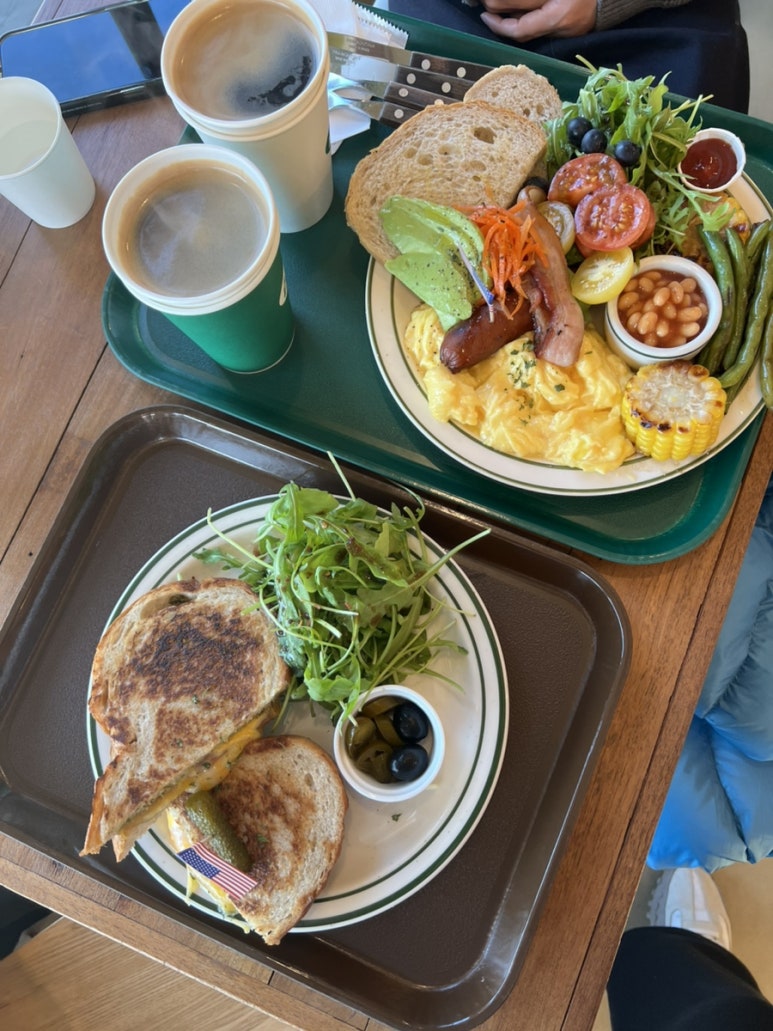
Korean brunch menus typically feature eggs benedict with ganjang hollandaise, ricotta pancakes with honey butter, and cold brew lattes. Lines form early โ€” arrive before noon on weekends.

Top Brunch Neighbourhoods

  • Seongsu-dong โ€” Seoul's Brooklyn, industrial warehouses turned into stunning cafes
  • Yeonnam-dong โ€” Bohemian lanes with cosy independent cafes
  • Apgujeong โ€” Upscale brunch spots popular with K-pop celebrities
  • Mangwon-dong โ€” Neighbourhood charm, local crowd, great value

Must-Order Dishes

Egg sandwich (๋‹ฌ๊ฑ€์ƒŒ๋“œ์œ„์น˜), croffle (croissant-waffle), shrimp pasta, and the iconic Korean egg toast from street vendors for โ‚ฉ2,000.

Cafe Tips

Most specialty cafes are cash-free. Seating is first-come. Many have a one-drink minimum per person.

Why Brunch Took Over Seoul

Seoul's brunch culture did not emerge in isolation โ€” it is the product of specific social and economic forces that converged around 2015โ€“2020. Understanding these forces helps explain why the scene is so intense, so visual, and so uniquely Korean in character even when the dishes themselves are Western in origin.

The Instagram accelerant. Korea has some of the world's highest smartphone penetration and social media engagement rates. A beautiful brunch plate photographed at the right cafe in Seongsu-dong could reach hundreds of thousands of feeds within hours. This created a self-reinforcing cycle: cafes invested in plating and interior design knowing that customers were photographers first and diners second. By 2018, the "cafe tour" (์นดํŽ˜ ํˆฌ์–ด) had become a standalone weekend activity โ€” visiting three to five photogenic cafes in a single day, ordering one item at each, primarily for content creation. Owners began hiring interior designers before they hired chefs.

The workweek pressure valve. Korea's work culture โ€” historically defined by long hours and limited leisure โ€” created intense demand for visible weekend leisure. Brunch became a marker of a different kind of Saturday: unhurried, aesthetic, self-curating. The social signal of posting a brunch photo is distinct from a dinner photo โ€” it communicates "I have time, I have taste, and I chose this." This is not an accident. It is a deliberate performance of a lifestyle that the workweek makes impossible.

The cafe industry boom. Between 2015 and 2023, Korea became one of the world's most coffee-saturated markets. Seoul has more cafes per capita than any other major city. The competition forced differentiation: coffee alone was not enough, and full brunch menus became a way for specialty cafes to justify higher price points and longer dwell times. A cafe serving only coffee can turn a table in twenty minutes. A cafe serving eggs Benedict holds a table for ninety minutes โ€” but charges three times as much.

K-drama and webtoon normalisation. Brunch cafe scenes appear regularly in Korean romantic comedies and dramas, establishing the brunch date as a culturally recognisable romantic or social ritual. Characters in Because This Is My First Life (์ด๋ฒˆ ์ƒ์€ ์ฒ˜์Œ์ด๋ผ), Something in the Rain (๋ฐฅ ์ž˜ ์‚ฌ์ฃผ๋Š” ์˜ˆ์œ ๋ˆ„๋‚˜), and many other dramas are shown in brunch cafe settings โ€” creating aspirational associations for younger viewers who then actively seek out the same experience when they visit Seoul.

Neighbourhood Deep Dives

The top-level neighbourhood list gives you a starting point, but each area has a distinct character that determines what kind of brunch visitor it suits best. Here is the extended picture.

Seongsu-dong (์„ฑ์ˆ˜๋™) โ€” For Design Lovers and Serious Coffee

Seongsu has evolved past its "Brooklyn of Seoul" label into something more specific: Korea's centre for concept-driven hospitality. The best Seongsu cafes are almost always concept-first โ€” a cafe inside a former tire repair shop, a brunch spot designed around a specific ceramic artist's work, a roastery that changes its interior seasonally. The food quality is high but secondary to the concept. Menus rotate regularly; if you visited six months ago, the experience may be substantially different now.

The practical advice: visit on a weekday. Weekend Seongsu is genuinely overwhelming โ€” multiple one-hour queues, standing-room-only interiors, and a significant tourist presence that has shifted the atmosphere from discovery to spectacle. Weekday Seongsu retains the original character: quieter, more exploratory, with staff who have time to talk about the coffee. Take Line 2 to Seongsu Station (์„ฑ์ˆ˜์—ญ), Exit 4; or Line 2 to Ttukseom Station (๋š์„ฌ์—ญ), Exit 1 for the forest-side cluster near Seoulsup.

Yeonnam-dong (์—ฐ๋‚จ๋™) โ€” For Long, Lazy Mornings

Yeonnam's strength is pace. The neighbourhood has resisted the full commercialisation that overtook Seongsu. Many cafes here have no formal brunch menu โ€” they open with whatever the owner felt like making that morning, serve it until it sells out, and close when they feel like it. This informality is the appeal. The Gyeongui-Seon Forest Park (๊ฒฝ์˜์„ ์ˆฒ๊ธธ) running through the middle of Yeonnam creates a natural walking circuit between cafes, and it is one of the few Seoul neighbourhood walks that feels genuinely pleasant on a mild morning.

Ideal for: visitors who want a neighbourhood experience rather than a destination experience. You are not going to Yeonnam to visit a specific cafe; you are going to wander until something looks right. Line 2 to Hongik University Station (ํ™๋Œ€์ž…๊ตฌ์—ญ), Exit 3.

Apgujeong (์••๊ตฌ์ •) โ€” For Maximum Production Value

Apgujeong brunch is theatrical. Tables are designed for photography. The menu is engineered around premium ingredients โ€” black truffle, Wagyu, burrata sourced from import specialists โ€” rather than Korean comfort food. The clientele skews older than Seongsu (late 20s to 40s) and the atmosphere is more reserved. This is where off-duty celebrities and executives take weekend brunch, which means the people-watching has its own distinct quality.

Prices reflect this positioning: expect โ‚ฉ35,000โ€“60,000 per person for a full brunch with specialty drinks. Reservations are advisable at the top spots. Line 3 to Apgujeong Station (์••๊ตฌ์ •์—ญ), Exit 2.

Mangwon-dong (๋ง์›๋™) โ€” Best Value Brunch in Seoul

Mangwon is the most underrated brunch neighbourhood for value-conscious visitors. The cafes are smaller, less photographed, and charge 20โ€“40% less than comparable places in Seongsu or Apgujeong. The local-to-tourist ratio is still heavily local, which keeps the atmosphere unpretentious. The weekend market โ€” Mangwon Market (๋ง์›์‹œ์žฅ) โ€” nearby adds a practical morning activity: buy seasonal fruit at the market stalls, then settle into a cafe for coffee and eggs. Line 6 to Mangwon Station (๋ง์›์—ญ), Exit 2.

Ikseon-dong (์ต์„ ๋™) โ€” The Hanok Brunch Experience

Ikseon-dong is a neighbourhood of converted hanok (traditional Korean houses) tucked between Jongno and Insadong. Several cafes here serve brunch in low-ceiling, courtyard-style spaces that create a specific aesthetic: traditional timber-beam architecture with contemporary plating. The contrast of hanok interiors with avocado toast or grain bowls is uniquely Seoul โ€” old and new compressed into the same table. If you are visiting Gyeongbokgung Palace or the nearby Bukchon Hanok Village anyway, Ikseon-dong is ten minutes away and makes an ideal brunch stop. Line 3 to Anguk Station (์•ˆ๊ตญ์—ญ), Exit 2, then a five-minute walk south.

Distinctly Korean Brunch Items

Beyond the dishes already covered โ€” egg sandwiches, croffles, ricotta pancakes โ€” there is a category of brunch food in Seoul that draws more directly from Korean culinary tradition. These items appear at a smaller subset of cafes but represent some of the most interesting eating available at brunch hour.

Gyeran Bap (๊ณ„๋ž€๋ฐฅ) โ€” Egg Rice Bowl

A Korean home-cooking staple elevated into cafe format. Warm short-grain rice is topped with a soft-cooked egg, a generous pour of seasoned soy sauce (ganjang, ๊ฐ„์žฅ), sesame oil, and crispy dried seaweed (gim, ๊น€). The diner breaks the yolk and mixes everything together at the table. The result is deeply savoury, comforting, and complete in about three minutes of eating. Cafes that do this well โ€” using high-quality aged rice and single-origin soy sauce โ€” charge โ‚ฉ10,000โ€“14,000. It is the most uniquely Korean brunch option available and requires no culinary risk: the flavours are immediately familiar to anyone who has eaten soy sauce and egg before.

Hotteok (ํ˜ธ๋–ก) as Brunch

Street-stall hotteok โ€” sweet, pan-fried dough filled with brown sugar, cinnamon, and crushed nuts โ€” has been absorbed into the cafe brunch repertoire. Some Yeonnam and Mangwon cafes serve an elevated version: larger, crispier, with fillings like cream cheese and honey or sweet red bean and black sesame. It arrives warm, slightly caramelised on the outside, molten in the middle, and pairs well with an Americano in a way that feels entirely natural. Price: โ‚ฉ5,000โ€“8,000 for the cafe version versus โ‚ฉ1,500 at a street stall.

Sikhye (์‹ํ˜œ) as Brunch Drink

Traditional Korean sweet rice punch โ€” normally served as a dessert drink at holidays โ€” appears at some hanok cafes as a brunch beverage alternative to coffee. It is mildly sweet, slightly fermented, served cold, and has a gentle carbonation from the fermentation process. If you see it on a menu, order it alongside your meal. Most visitors to Seoul try sikhye at a traditional restaurant; trying it in a brunch cafe context is a different experience and worth having.

Grain Bowls with Korean Ferments (์žก๊ณก๋ฐฅ ๋ธŒ๋Ÿฐ์น˜)

A category that emerged post-2020, concentrated at health-focused cafes in Hannam-dong and Seongsu-dong. Western-style grain bowls โ€” quinoa, farro, or multi-grain rice โ€” are topped with traditional Korean fermented sides: kimchi, gochujang-marinated vegetables, doenjang dressing. The combination sounds like a fusion experiment but works consistently well. The fermented depth of Korean condiments pairs with grain textures in a way that standard Western grain bowl dressings do not. If you are trying to eat well without giving up Seoul cafe culture, these bowls are the answer.

Bingsu as Brunch Dessert (๋น™์ˆ˜)

In summer (June through September), many brunch cafes add shaved ice dessert (bingsu, ๋น™์ˆ˜) as a meal finisher. Korean bingsu is not crushed ice โ€” it is finely shaved milk ice with a texture closer to snow, topped with sweetened red beans, condensed milk, and seasonal fruit or rice cake. At a mid-priced cafe it is a natural end to a brunch meal. At a dedicated dessert specialist it is a standalone two-person experience. Price: โ‚ฉ12,000โ€“22,000 for premium versions. Available at most brunch cafes during summer months without a separate visit.

Reservations and Queue Systems

Most brunch cafes in Seoul operate on a walk-in basis, but the exceptions matter โ€” especially if you are visiting during peak weekend hours or targeting a specific highly-rated spot. Here is the full picture of how booking and queuing actually work.

Cafes That Accept Reservations

Reservation-accepting cafes are concentrated in Apgujeong and Hannam. The booking channels:

  • Naver Smart Order (๋„ค์ด๋ฒ„ ์˜ˆ์•ฝ): Search the cafe name on Naver Maps, look for the "์˜ˆ์•ฝ" (reservation) tab. Select date, time, and party size. This is the most common reservation system among Korean cafes. A Korean phone number is needed for the SMS verification step โ€” if you do not have a local SIM, ask your accommodation to assist or use a Korean friend's number.
  • Catch Table (์บ์น˜ํ…Œ์ด๋ธ”): A dedicated restaurant reservation app used by higher-end and newer brunch spots. English-language support is limited but improving steadily. Worth downloading if you are targeting specific premium cafes in Apgujeong or Cheongdam.
  • Instagram DM reservations: Small owner-operated cafes occasionally take reservations by direct message on Instagram โ€” an informal but common approach. Check the cafe's Instagram bio for reservation instructions before visiting.

Digital Queue Systems (์›จ์ดํŒ… ์•ฑ)

  • Naver Waiting (๋„ค์ด๋ฒ„ ์›จ์ดํŒ…): The most widely used system. Scan a QR code at the cafe entrance, join a virtual queue, and receive a KakaoTalk or SMS notification when your table is ready. You can leave the area โ€” explore the neighbourhood, visit a nearby shop โ€” and return within the notified window. A significant practical improvement over standing in a physical line.
  • TableCheck: Used by some internationally facing cafes and brunch restaurants. English-language interface available. Less common than Naver Waiting but worth knowing for Itaewon-area spots.

Walk-In Strategy

For walk-in cafes โ€” the majority of brunch spots โ€” the optimal arrival windows are: before 9:30am (often no wait at all), after 2pm (post-lunch lull, noticeably shorter waits than midday), or any weekday (rarely more than 10โ€“15 minutes even at popular places). The worst arrival window is 11:00amโ€“1:00pm on Saturday or Sunday, which is consistently the longest queue period across all neighbourhoods.

Useful Korean Phrases for Brunch

Most Seoul brunch cafes have English menus or photo menus, but these phrases help for reservations, queues, and special requests.

Yeya-gi isseo-yo
์˜ˆ์•ฝ์ด ์žˆ์–ด์š”
I have a reservation.
Say this at the entrance with your name.
Daegi deung-rok hae-do dwae-yo?
๋Œ€๊ธฐ ๋“ฑ๋ก ํ•ด๋„ ๋ผ์š”?
Can I join the waiting list?
Use when the cafe is full and you want to queue.
Chang-ga jari isseo-yo?
์ฐฝ๊ฐ€ ์ž๋ฆฌ ์žˆ์–ด์š”?
Is there a window seat?
Window seats have the best natural light for photos.
Ige mwo-ye-yo?
์ด๊ฒŒ ๋ญ์˜ˆ์š”?
What is this?
Point at the menu. Staff will often explain or show a photo.
Gyesan-seo juseyo
๊ณ„์‚ฐ์„œ ์ฃผ์„ธ์š”
The bill, please.
Most cafes pay at the counter โ€” ask where to pay if unsure.

The Case for Weekday Brunch

The practical timing differences between weekday and weekend brunch are already covered above, but the qualitative difference is worth expanding for visitors who have schedule flexibility.

Weekday-only menus. Several cafes reserve their most elaborate brunch items โ€” multi-component dishes requiring extended prep time โ€” for weekdays only, when kitchen workload is lighter. Weekend service moves fast; the kitchen is optimised for throughput. Weekday service allows craft. Ask specifically whether there is a "weekday menu" (ํ‰์ผ ๋ฉ”๋‰ด) when you arrive โ€” the answer is sometimes yes, and the items available are often the most interesting things on the board.

Staff interaction. On weekdays, cafe staff have time to explain dishes, describe the coffee sourcing, and take photographs for you if you ask. Weekend service means managing fifteen tables simultaneously โ€” staff are professional but stretched. If you want the full hospitality experience โ€” recommendations, stories about why the owner opened the cafe, suggestions based on what is fresh that morning โ€” visit on a Tuesday or Wednesday.

Same price, less pressure. Prices are identical on weekdays. The entire cafe experience improves without any additional cost. The only trade-off is that some cafes operate reduced hours or close one extra day (often Monday) during the week. Check Naver Maps for operating hours before visiting.

Remote work integration. Seoul's cafe culture increasingly overlaps with remote work culture. Many cafes that feel saturated on weekends function as quiet co-working spaces on Tuesday mornings. If you are working remotely during your trip and want coffee and a light brunch without the social intensity of a weekend crowd, weekday mornings at a Seongsu or Yeonnam cafe are close to ideal โ€” provided you observe the cafe's laptop policy (usually posted at the entrance).

Photography at Seoul Cafes

Photography in Seoul cafes is normalised and expected โ€” staff are accustomed to customers photographing their food, and most cafes are designed with photography in mind. However, there are unwritten rules that separate a welcome customer from an awkward visitor.

When You Can Photograph Freely

  • You have ordered food or drinks. Table photography of your own order is entirely expected โ€” no permission needed.
  • You are photographing your own food and immediate table space. Move the cup to catch the window light, adjust the plate angle, take your time. This is normal behaviour.
  • Natural light windows are available and you want to sit near them. Staff understand this preference and will often offer you a window seat without being asked.

When to Ask Permission First

  • Photographing other customers โ€” even in the background. Koreans are notably privacy-conscious about appearing in strangers' photographs. If someone is in your frame, either reframe the shot or ask briefly. A simple "๊ดœ์ฐฎ์•„์š”?" (is that okay?) is sufficient.
  • External photography equipment โ€” tripods, ring lights, large mirrorless camera setups. Some cafes have explicit policies against these. Check the entrance notice or Naver Maps listing before bringing gear.
  • Photographing staff or kitchen areas. Always ask first. Most staff will agree if asked politely, but assuming permission is a cultural misstep.

Types of Cafes That Photograph Best

  • Concept cafes (์ปจ์…‰ ์นดํŽ˜): Entire interior designed around a single theme โ€” a bookshop aesthetic, a greenhouse, a minimalist gallery. The interior itself is the primary subject; the food and drinks create context within it.
  • Floor-to-ceiling window cafes: Natural light plus the street below creates strong composition with depth. Common in Yeonnam's converted residential buildings and Seongsu's repurposed factories.
  • Hanok cafes in Ikseon-dong: Wooden beam ceilings, traditional clay roof tiles visible through the courtyard, low tables. The architectural elements do most of the compositional work.
  • Rooftop cafes: Seoul's building density means rooftop cafes offer skyline context unavailable at street level. Best photographed in late afternoon when the light is directional and the cityscape has depth.

Food styling note. Korean cafes typically plate for photography already โ€” the food arrives presentation-ready. Your main task is choosing the right light angle. Window light from the left or right side (not overhead) gives depth and shadow. The most common mistake visitors make: shooting under indoor fluorescent light, which makes Korean brunch food appear flat and orange-toned. If the natural light table is taken, wait briefly โ€” turnover at brunch cafes is typically 60โ€“90 minutes.

The practical rule. Order before you photograph. Placing an order at the counter before sitting signals you are a customer. Most cafes in Seoul use counter-service ordering โ€” you pay first, collect a number, and sit. Sitting down with a camera before ordering is the one behaviour that cafe staff notice and dislike.

What You Get at Each Price Tier

The price range overview earlier gives the numbers; here is what those numbers actually translate to in terms of the experience you receive.

Budget Brunch (โ‚ฉ5,000โ€“15,000 per person)

At the lower end: street-stall egg toast (๊ณ„๋ž€ ํ† ์ŠคํŠธ) at โ‚ฉ2,000โ€“4,000, eaten standing near the cart. No seating, no ambience, outstanding flavour. This is not a diminished brunch โ€” it is a different category of eating that happens to occur at brunch hour. At the upper end of this tier: university-area cafe brunch sets (one main dish plus coffee) at โ‚ฉ10,000โ€“14,000, typically near Hongik University, Konkuk University, or Korea University. Simple plating, functional interiors, zero waiting. Also within this tier: the convenience store assembled meal โ€” triangle kimbap, canned iced coffee, and a fruit cup โ€” at โ‚ฉ6,000โ€“9,000. Nutritionally complete and a genuinely useful option on days when you need to eat fast and move.

Mid-Range Brunch (โ‚ฉ15,000โ€“28,000 per person, including one drink)

This is the core Seoul brunch experience. One main dish โ€” egg sandwich, ricotta pancake, grain bowl, or avocado toast โ€” plus one specialty coffee or drink. Interior quality is typically high: designed spaces, good natural light, photographable plating. Wait time on weekends runs 15โ€“40 minutes at popular spots. This tier covers the majority of cafes in Yeonnam-dong, Mangwon-dong, and the mid-range cluster within Seongsu-dong. If you are visiting Seoul specifically for the brunch scene, most of your meals will land in this range and you will leave satisfied.

Upper Mid-Range (โ‚ฉ28,000โ€“42,000 per person)

Restaurant-grade brunch: multi-component dishes with composed sides, a specialty coffee program that takes single-origin extraction seriously, and occasionally full table service โ€” rare in Korean cafes but present at this tier. Reservations are sometimes available and worth making. The experience is closer to a Western brunch restaurant than a Korean cafe. Concentrated in Hannam-dong, upper Seongsu, and Itaewon. The value proposition is strong: you are paying 20โ€“30% more than mid-range for a meaningfully more composed meal and a quieter, more intentional setting.

Premium Brunch (โ‚ฉ42,000+ per person)

Import ingredients โ€” Wagyu beef, burrata from specialist importers, black truffle โ€” served in tasting-menu format with cocktails or natural wine available alongside. Full table service, reservation required, dress code implied if not stated. Primarily Apgujeong and Cheongdam. This is the closest Seoul comes to a New York or Tokyo brunch price point, and the quality of ingredients at the best spots justifies it. If you are budgeting for one elevated meal during a Seoul trip and prefer a daytime setting, this tier is worth considering over a premium dinner โ€” the experience is more social, the atmosphere less pressured, and the light in those well-designed Apgujeong interiors is worth arriving before noon for.

๐Ÿ“– Brief History

Seoul's brunch scene blends Western cafe culture with Korean flavours โ€” avocado toasts, egg sandwiches, and matcha lattes inside minimalist spaces.

By Neighborhood

Restaurants by District

๐Ÿ“
Maji
๋งˆ์ง€
๐Ÿš‡Jongno 3-ga Station ยท 2.0km
View โ†’
๐Ÿ“
Deojinguk Seoul Sicheong Branch
๋”์ง„๊ตญ ์„œ์šธ์‹œ์ฒญ์ 
๐Ÿš‡Jongno 3-ga Station ยท 1.3km
View โ†’
๐Ÿ“
Starbucks Seodaemunjeoksipja Branch
์Šคํƒ€๋ฒ…์Šค ์„œ๋Œ€๋ฌธ์ ์‹ญ์ž์ 
๐Ÿš‡Seodaemun Station ยท 492m
View โ†’
๐Ÿ“
Starbucks Insa Branch
์Šคํƒ€๋ฒ…์Šค ์ธ์‚ฌ์ 
๐Ÿš‡Tapeogong Park Station ยท 454m
View โ†’
๐Ÿ“
Starbucks Gyeongbokgung Intersection Branch
์Šคํƒ€๋ฒ…์Šค ๊ฒฝ๋ณต๊ถ์‚ฌ๊ฑฐ๋ฆฌ์ 
๐Ÿš‡Anguk Station ยท 438m
View โ†’
๐Ÿ“
Starbucks Geurang Seoul Branch
์Šคํƒ€๋ฒ…์Šค ๊ทธ๋ž‘์„œ์šธ์ 
๐Ÿš‡Jonggak Station ยท 102m
View โ†’
๐Ÿ“
Starbucks Seongdaeipgu Branch
์Šคํƒ€๋ฒ…์Šค ์„ฑ๋Œ€์ž…๊ตฌ์ 
๐Ÿš‡Hyehwa Station ยท 286m
View โ†’

๐Ÿณ Try the Recipe at Home

Government-certified healthy Korean recipes you can make yourself.

Gyeran-jjim (Korean Steamed Egg)
Side DishSteamed

Gyeran-jjim (Korean Steamed Egg)

๐Ÿ”ฅ 220 kcal๐Ÿง‚ Na 99mg๐Ÿ’ช Protein 14g

Ingredients: ์ƒˆ์šฐ๋‘๋ถ€๊ณ„๋ž€์ฐœ ์—ฐ๋‘๋ถ€ 75g(3/4๋ชจ), ์นตํ…Œ์ผ์ƒˆ์šฐ 20g(5๋งˆ๋ฆฌ), ๋‹ฌ๊ฑ€ 30g(1/2๊ฐœ), ์ƒํฌ๋ฆผ 13g(1ํฐ์ˆ ), ์„คํƒ• 5g(1์ž‘์€์ˆ ), ๋ฌด์—ผ๋ฒ„ํ„ฐ 5g(1์ž‘์€์ˆ ) ๊ณ ๋ช… ์‹œ๊ธˆ์น˜ 10g(3์ค„๊ธฐ)

  1. 1. ์†์งˆ๋œ ์ƒˆ์šฐ๋ฅผ ๋“๋Š” ๋ฌผ์— ๋ฐ์ณ ๊ฑด์ง„๋‹ค.a
  2. 2. ์—ฐ๋‘๋ถ€, ๋‹ฌ๊ฑ€, ์ƒํฌ๋ฆผ, ์„คํƒ•์— ๋…น์ธ ๋ฌด์—ผ๋ฒ„ํ„ฐ๋ฅผ ๋ฏน์„œ์— ๋„ฃ๊ณ  ๊ฐ„ ๋’ค ์ƒˆ์šฐ(1)๋ฅผ ํ•จ๊ป˜ ์„ž์–ด ๊ทธ๋ฆ‡์— ๋‹ด๋Š”๋‹ค.b
  3. 3. ์‹œ๊ธˆ์น˜๋ฅผ ์ž˜๊ฒŒ ๋‹ค์ ธ ํ˜ผํ•ฉ๋ฌผ ๊ทธ๋ฆ‡(2)์— ๋ฟŒ๋ฆฌ๊ณ  ์ฐœ๊ธฐ์— ๋„ฃ๊ณ  ์ค‘๊ฐ„ ๋ถˆ์—์„œ 10๋ถ„ ์ •๋„ ์ฐ๋‹ค.c
๊ณ„๋ž€์ˆ™์ƒ๋Ÿฌ๋“œ
Side DishSteamed

๊ณ„๋ž€์ˆ™์ƒ๋Ÿฌ๋“œ

๐Ÿ”ฅ 96.2 kcal๐Ÿง‚ Na 112.5mg๐Ÿ’ช Protein 53.9g
Watch & Explore

See It in Action

Discover More

Ready to explore Cafe restaurants?

Browse our full list of Cafe spots across Seoul.

Share

Ingredients: ๋‹ฌ๊ฑ€ 120g, ์‡ ๊ณ ๊ธฐ 50g, ๊ฒŒ๋ง›์‚ด 20g, ๊ฐ์ž 1๊ฐœ, ์ฒœ์—ฐ์กฐ๋ฏธ๋ฃŒ 5g, ๋ฌผ 200g ๋ธŒ๋กœ์ฝœ๋ฆฌ 50g, ๋ฐฉ์šธํ† ๋งˆํ†  60g, ๋ฏธ๋‹ˆํŒŒํ”„๋ฆฌ์นด 25g, ์˜์–‘๋ถ€์ถ” 5g ์†Œ์Šค : ๋งค์‹ค์ฒญ 30g, ๋ฐœ์‚ฌ๋ฏน์‹์ดˆ 15g, ์˜ฌ๋ฆฌ๋ธŒ์˜ค์ผ 15g, ํ›„์ถ” 1g, ์‹์ดˆ 15g

  1. 1. ์†Œ๊ณ ๊ธฐ์— ๋ฌผ์„ ๋„ฃ์–ด ์œก์ˆ˜๋ฅผ ๋ฝ‘์•„์ค€ ํ›„ ์ฒœ์—ฐ ์กฐ๋ฏธ๋ฃŒ๋กœ ๊ฐ„์„ ํ•ด์ค€๋‹ค.
  2. 2. ์†Œ๊ณ ๊ธฐ๋Š” ๊ณฑ๊ฒŒ ๋‹ค์ ธ์ค€ ๋’ค ๋ณถ์•„์ค€๋‹ค.
  3. 3. ๊ฐ์ž๋ฅผ ์‚ถ์•„์„œ ์ฒด์— ๋‚ด๋ ค์ค€๋‹ค.
  4. 4. ๊ณ„๋ž€์„ ํ’€๊ณ  ์†Œ๊ณ ๊ธฐ ๋‹ค์ง„ ๊ฒƒ๊ณผ ๊ฒŒ๋ง›์‚ด, ๋ฌผ์„ ๋„ฃ๊ณ  ์„ž์€ ๋’ค ์ฐœ๊ธฐ์— ์ช„์ค€๋‹ค.
  5. 5. ๋ถ€์ถ”์™€ ๋ธŒ๋กœ์ฝœ๋ฆฌ๋Š” ๋œจ๊ฑฐ์šด ๋ฌผ์— ๋ฐ์ณ ๋จน๊ธฐ ์ข‹๊ฒŒ ์ž˜๋ผ์ฃผ๊ณ , ๋ฐฉ์šธํ† ๋งˆํ† ์™€ ๋ฏธ๋‹ˆํŒŒํ”„๋ฆฌ์นด๋„ ๋จน๊ธฐ ์ข‹๊ฒŒ ์ž˜๋ผ์ค€๋‹ค.
Gyeran (Korean Egg Dish)
Rice DishBoiled

Gyeran (Korean Egg Dish)

๐Ÿ”ฅ 669.4 kcal๐Ÿง‚ Na 311.6mg๐Ÿ’ช Protein 3.91g

Ingredients: ์žฌ๋ฃŒ ๋‘๋ถ€(50g), ๊ฐ€์ง€(20g), ํ‘œ๊ณ ๋ฒ„์„ฏ(30g), ์–‘ํŒŒ(10g), ๋‹ฌ๊ฑ€(15g) ๋ฐฅ(200g), ๊ฐ€๋‹ค๋ž‘์–ดํฌ(1g) ์œก์ˆ˜ ์žฌ๋ฃŒ ๋ฌผ(200g), ๋‹ค์‹œ๋งˆ(1g), ๊ฐ€๋‹ค๋ž‘์–ดํฌ(1g) ์–‘๋… ํ›„์ถง๊ฐ€๋ฃจ(0.1g), ๋…น๋ง๊ฐ€๋ฃจ(1g), ์ฒญ์ฃผ(1g), ์„คํƒ•(1g), ๊ฐ„์žฅ(2g), ๋…น๋ง๋ฌผ(18g)

  1. 1. ์ฐฌ๋ฌผ์— ๋‹ค์‹œ๋งˆ๋ฅผ ๋„ฃ๊ณ  ๋“์—ฌ ๊ฑด์ ธ ๋‚ด๊ณ  ๋ถˆ์„ ๋ˆ ํ›„ ๊ฐ€๋‹ค๋ž‘์–ดํฌ๋ฅผ ๋„ฃ์–ด ์šฐ๋ ค ์œก์ˆ˜๋ฅผ ๋งŒ๋“ ๋‹ค.
  2. 2. ๋‘๋ถ€, ๊ฐ€์ง€๋Š” ๊น๋‘‘ ์ฐ๊ณ , ํ‘œ๊ณ ๋ฒ„์„ฏ, ์–‘ํŒŒ๋Š” ์ฑ„ ์ฐ๊ณ , ๋‹ฌ๊ฑ€์€ ๊ณฑ๊ฒŒ ํ‘ผ๋‹ค.
  3. 3. ๋‘๋ถ€, ๊ฐ€์ง€๋Š” ๋ฌผ๊ธฐ๋ฅผ ์ œ๊ฑฐํ•œ ๋’ค ํ›„์ถง๊ฐ€๋ฃจ๋กœ ๋ฐ‘๊ฐ„ํ•˜๊ณ  ๋…น๋ง๊ฐ€๋ฃจ๋ฅผ ์–‡๊ฒŒ ์ž…ํ˜€ ์‹์šฉ์œ ๋ฅผ ๋‘๋ฅธ ํŒฌ์—์„œ ๊ตฌ์›Œ ๊ฑด์ง„๋‹ค.
  4. 4. ์œก์ˆ˜(1์ปต)์— ์ฒญ์ฃผ, ์„คํƒ•, ๊ฐ„์žฅ์„ ๋„ฃ๊ณ  ํ‘œ๊ณ ๋ฒ„์„ฏ, ์–‘ํŒŒ๋ฅผ ๋„ฃ๊ณ  ์กฐ๋ ค ๋ฎ๋ฐฅ ์†Œ์Šค๋ฅผ ๋งŒ๋“ ๋‹ค.
  5. 5. ๋‹ฌ๊ฑ€๋ฌผ์„ ๋ถ“๊ณ  ์ต์„ ๋•Œ๊นŒ์ง€ ์ €์€ ํ›„ ๋…น๋ง๋ฌผ์„ ๋„ฃ์–ด ๋˜์งํ•˜๊ฒŒ ๋“์ธ๋‹ค.
Explore All Cafe Restaurants โ†’
Home
Food

Related Guides

Solo Travel Korea: The Complete Female Solo Dining Guide โ€” Safe Spots, Counter Seating & Confidence Tips
Seoul
Solo Drinking in Korea 2026: Honsul Bars, Pojangmacha & Tips
Seoul
Korean Fried Chicken: Crispier, Saucier, Better
Seoul
Samgyetang: Korea's Healing Ginseng Chicken Soup
Seoul

Explore More on Knowaboutkorea

๐Ÿฏ

Places to Visit

K-Drama spots, palaces & hidden gems.

Explore โ†’
๐Ÿงณ

Travel Essentials

SIM cards, T-money, visas & practical tips.

Explore โ†’
๐Ÿ—บ๏ธ

Useful Places

Pharmacies, ATMs & traveler services in Seoul.

Explore โ†’
โœ๏ธ

Local Reviews

Honest food picks from people who live in Seoul.

Explore โ†’