Money & Services in Seoul
Exchange money, find ATMs, and take care of daily needs.
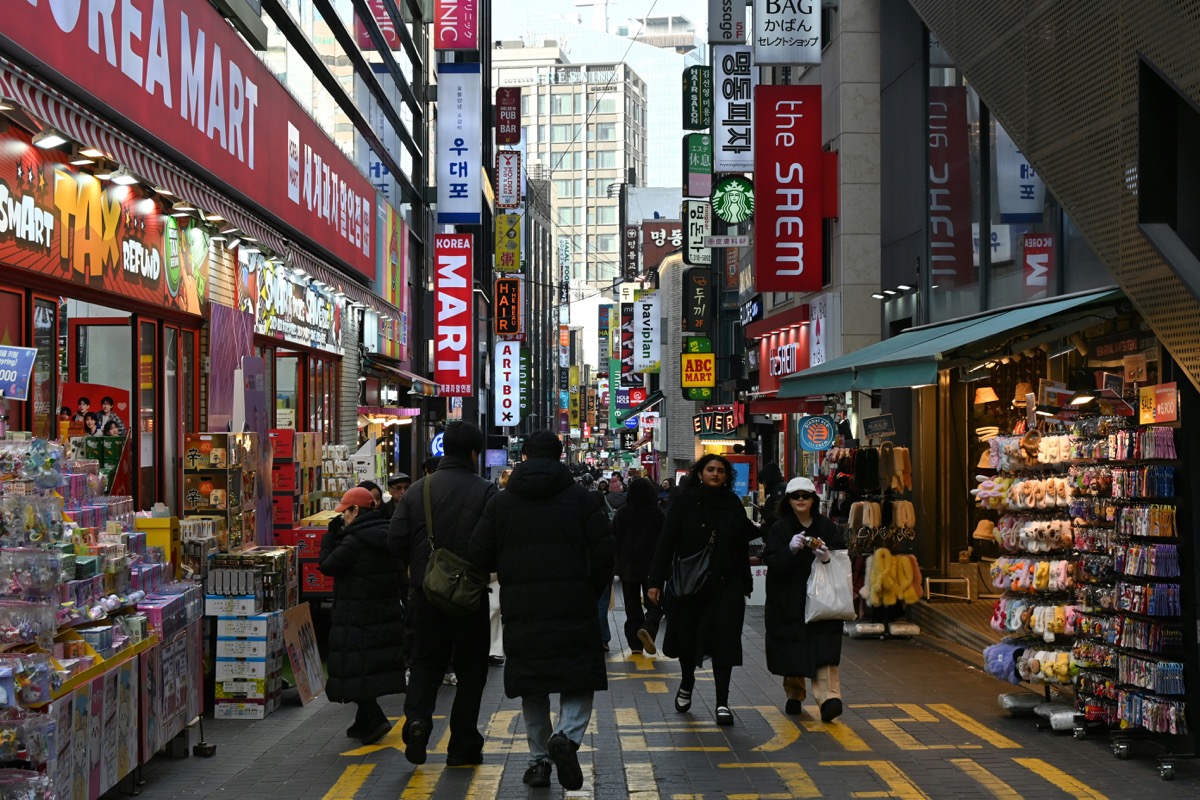
Korea is increasingly cashless, but cash still matters — especially for smaller restaurants, markets, and transport. The best exchange rates in Seoul are in Myeongdong, not the airport. Foreign cards work at most post office and 7-Eleven ATMs across the city.
Tip: Myeongdong and Hongdae consistently offer the best exchange rates in Seoul.
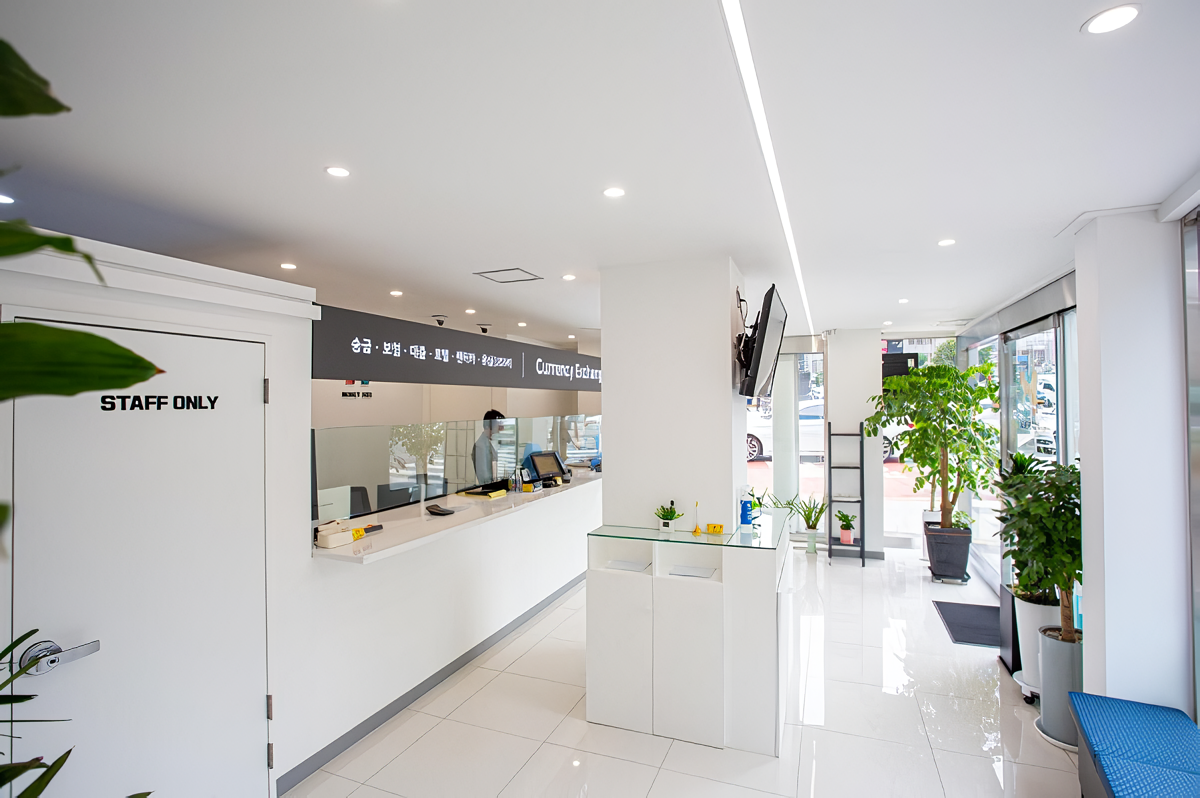
Money Exchange
Best exchange rates in Seoul
ATM
ATMs that accept foreign cards across Seoul
Coin Laundry
Self-service wash & dry near tourist areas
Read Before You Go
Common Questions
Where has the best currency exchange rates in Seoul?
The downtown exchange shops in Myeongdong consistently offer the best rates — typically 1.5–2.5% better than Incheon Airport counters and significantly better than bank branches. The main Myeongdong pedestrian street has dozens of competing exchange booths, so it pays to compare 2–3 boards before committing. Rates are posted publicly and negotiation is possible for large amounts. Most exchange shops accept major currencies (USD, EUR, GBP, JPY, CNY, HKD, AUD) without a fee. Bring your passport; it's required at some shops and often speeds up the process.
Which ATMs in Seoul accept foreign cards?
Post office (우체국) ATMs and 7-Eleven ATMs are the most consistently reliable for Visa, Mastercard, and other international cards. Global ATM signs indicate foreign card compatibility. Most machines have an English language option — press "English" or "외국어" on the screen. Withdrawal fees range from ₩2,000–5,000 per transaction, charged by the Korean bank; your home bank may add its own fee on top. Tip: check your bank's international withdrawal settings before travel and notify them of your destination to avoid blocks. Woori Bank and KEB Hana Bank branches near tourist areas also have reliable international ATMs.
Is Korea becoming cashless? Do I need Korean won?
Korea is one of Asia's most cashless societies — the vast majority of restaurants, cafes, shops, and convenience stores accept Visa/Mastercard and local payment apps (KakaoPay, NaverPay). However, cash is still preferred or required at: street food stalls and pojangmacha (tent restaurants), traditional markets (Gwangjang, Namdaemun), smaller local restaurants outside tourist areas, temple admission, and some taxis. A practical approach is to exchange ₩100,000–200,000 for day-to-day cash and rely on your card for larger purchases. Notify your home bank before travel to prevent card blocks.
How does coin laundry work in Korea?
Korean coin laundromats (코인세탁소) are clean, modern, and open 24 hours — a standout convenience for travelers on multi-week trips. A wash cycle costs ₩3,000–5,000 (about 30–40 minutes) and drying costs ₩3,000–4,500. Most machines have basic English instructions alongside Korean. Detergent sachets are sold from a vending machine inside for ₩500–1,000. Larger capacity washers (for sleeping bags, blankets) are available at some locations for ₩5,000–8,000. You'll find them in most residential neighborhoods — use Naver Map with the search term 코인세탁소 to find the nearest one.