Getting Around in Seoul
Practical spots to make your trip smoother.
Seoul's subway covers the whole city and runs until just after midnight. Coin lockers at major stations let you explore hands-free, and tourist information centers near the main attractions offer free maps and English-speaking staff.
Tip: Store luggage at subway station coin lockers (₩1,000–3,000/day) before check-in.
Luggage Storage
Store your bags and explore hands-free
Tourist Info
Tourist information centers across Seoul
Read Before You Go
Common Questions
Can I store luggage before hotel check-in in Seoul?
Yes, and it's easy. Most major subway stations have coin-operated lockers (코인 라커) that cost ₩1,000–3,000 per day depending on size. Small lockers (carry-on sized) are most common; large lockers fit one checked bag. You pay on exit with cash or T-money card. Beyond lockers, luggage storage services near Myeongdong, Hongdae, and Insadong offer flexible hours and will take oversize bags for ₩3,000–6,000 per item. Some hotels will also hold bags for arriving guests even before check-in — it's worth calling ahead to ask.
What do tourist information centers offer?
Seoul's tourist information centers (관광안내소) are completely free, multilingual, and more useful than most travelers expect. Staff speak English, Japanese, and Chinese. They provide free printed city maps (better than digital for orientation), district walking guides, attraction brochures, and personalized recommendations based on your interests and schedule. They can also help with transport directions and, in some cases, phone local businesses on your behalf. Centers are located at Myeongdong, Hongdae, Insadong, Dongdaemun, COEX, and Gyeongbokgung, among others. The Korea Tourism Organization also runs a 24/7 hotline at 1330.
How does the Seoul subway work, and is it easy to use?
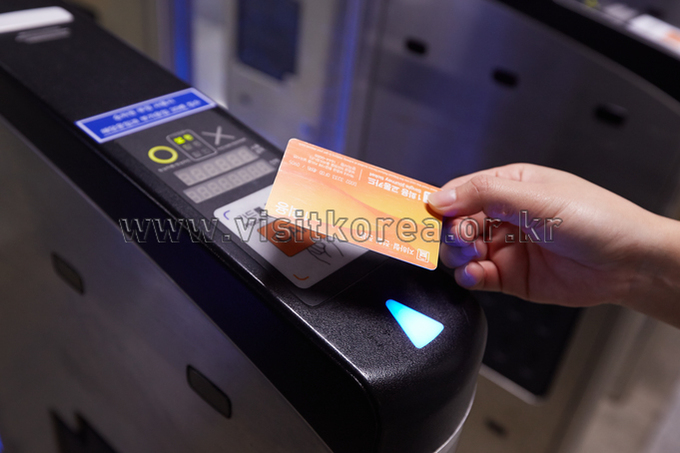
The Seoul Metro is fast, clean, safe, and covers the entire city. Fares start at ₩1,400 for trips under 10km and increase slightly after that. Buy a T-money card at any convenience store (deposit ₩2,500 + load credit) and tap in and out at the gates — it's more convenient and slightly cheaper than single-use tickets. The system runs from around 05:30 to 00:30 daily. Google Maps and Naver Map both give accurate real-time route guidance including the correct platform to stand on. Station signs and announcements are in Korean, English, Japanese, and Chinese.
Is Seoul safe for solo travelers, including women?
Seoul consistently ranks among the safest major cities in the world for solo travelers. Street crime is rare, and the city is well-lit and active late into the night in most tourist areas. Solo women travelers from around the world report feeling very safe. Late-night taxis are generally trustworthy and use metered fares. The tourist information hotline (1330) is available 24/7 in multiple languages for any situation. Emergency call boxes are positioned throughout the subway system. Exercise normal urban common sense — be aware of your surroundings, keep your phone secure, and avoid sharing personal plans with strangers.