Getting from Incheon Airport to Seoul
Incheon International Airport (ICN) is about 60 km west of central Seoul. Don't worry — Korea has some of the best airport-to-city connections in Asia.
Whether you prefer speed, comfort, or budget, there's a perfect option for you.
Option 1: AREX (Airport Railroad Express)
The AREX is the most popular choice among travelers, and for good reason. There are two services:
AREX Express (Direct)
- Route: Incheon Airport Terminal 1 → Seoul Station (non-stop)
- Duration: 43 minutes
- Cost: ₩11,000 (about $8 USD)
- Frequency: Every 30–40 minutes
- Hours: First train ~5:20 AM, last train ~10:50 PM
The Express train has wide leather seats, luggage racks, and free WiFi. It's comfortable, fast, and affordable — the best all-around option for most travelers.
AREX All-Stop (Local)
- Duration: About 66 minutes to Seoul Station
- Cost: ₩4,750 (~$3.50 USD)
- Frequency: Every 6–12 minutes
The All-Stop train is cheaper and connects to the Seoul Metro system. If your hotel is near Hongik University (Hongdae) or Digital Media City, this train stops right there — no need to go all the way to Seoul Station.
Pro Tip: T-money Card
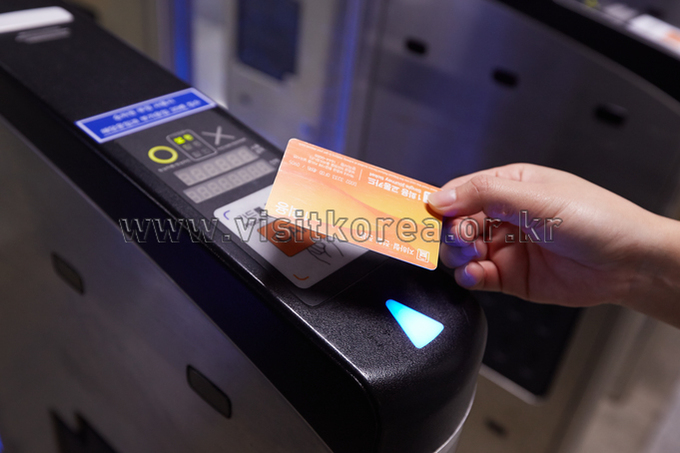
Buy a T-money card at the convenience store (GS25, CU, or 7-Eleven) in the arrivals hall before heading to the train.
You can use it for the All-Stop train and all public transport in Seoul. It costs ₩2,500 for the card itself, then load it with ₩20,000–₩30,000 to start.
Option 2: Airport Limousine Bus
Airport buses are a great option if your hotel is far from a subway station or if you have heavy luggage.
- Duration: 60–90 minutes (depending on traffic and destination)
- Cost: ₩10,000–₩18,000
- Frequency: Every 15–30 minutes
- Hours: ~4:30 AM to ~11:00 PM
Key routes include:
- 6001: Myeongdong, Namdaemun
- 6002: Hongdae, Sinchon
- 6005: Gangnam, COEX
- 6015: Myeongdong, Seoul Station
Buy tickets at the bus ticket counters on the 1st floor (arrivals), or pay with your T-money card directly when boarding. Buses have luggage compartments underneath.
Option 3: Taxi
Taxis are the most convenient but priciest option.
- Regular taxi: ₩65,000–₩85,000 to central Seoul
- Deluxe (black) taxi: ₩85,000–₩120,000
- Duration: 60–90 minutes
Use the official taxi stand outside the arrivals hall. Avoid people approaching you inside the terminal offering rides — they're unlicensed. All official taxis use meters. Late-night surcharges (midnight–4 AM) add about 20%.
Tip: If your driver doesn't speak English, show your hotel address in Korean on your phone. The Kakao Map or Naver Map app works perfectly for this.
Option 4: Private Transfer / Shuttle
Services like Klook and KKday offer private car transfers starting from around ₩70,000. Great for groups of 3–4 travelers since you can split the cost. Book online before your trip for the best rates.
Late Night Arrivals (After 11 PM)
If you arrive after the last trains and buses:
- Night bus N6001: Runs until ~4 AM to Myeongdong area
- Taxi: Always available 24/7
- Consider staying near the airport: Hotels like Nest Hotel or Grand Hyatt Incheon are connected to the terminal
Which Option Should You Choose?
| Option | Cost | Time | Best For |
|---|---|---|---|
| AREX Express | ₩11,000 | 43 min | Speed + value |
| AREX All-Stop | ₩4,750 | 66 min | Budget travelers |
| Airport Bus | ₩10,000–18,000 | 60–90 min | Door-to-door convenience |
| Taxi | ₩65,000+ | 60–90 min | Groups, late arrivals, heavy luggage |
Quick Checklist Before Leaving the Airport
- ✅ Buy a T-money card and load it
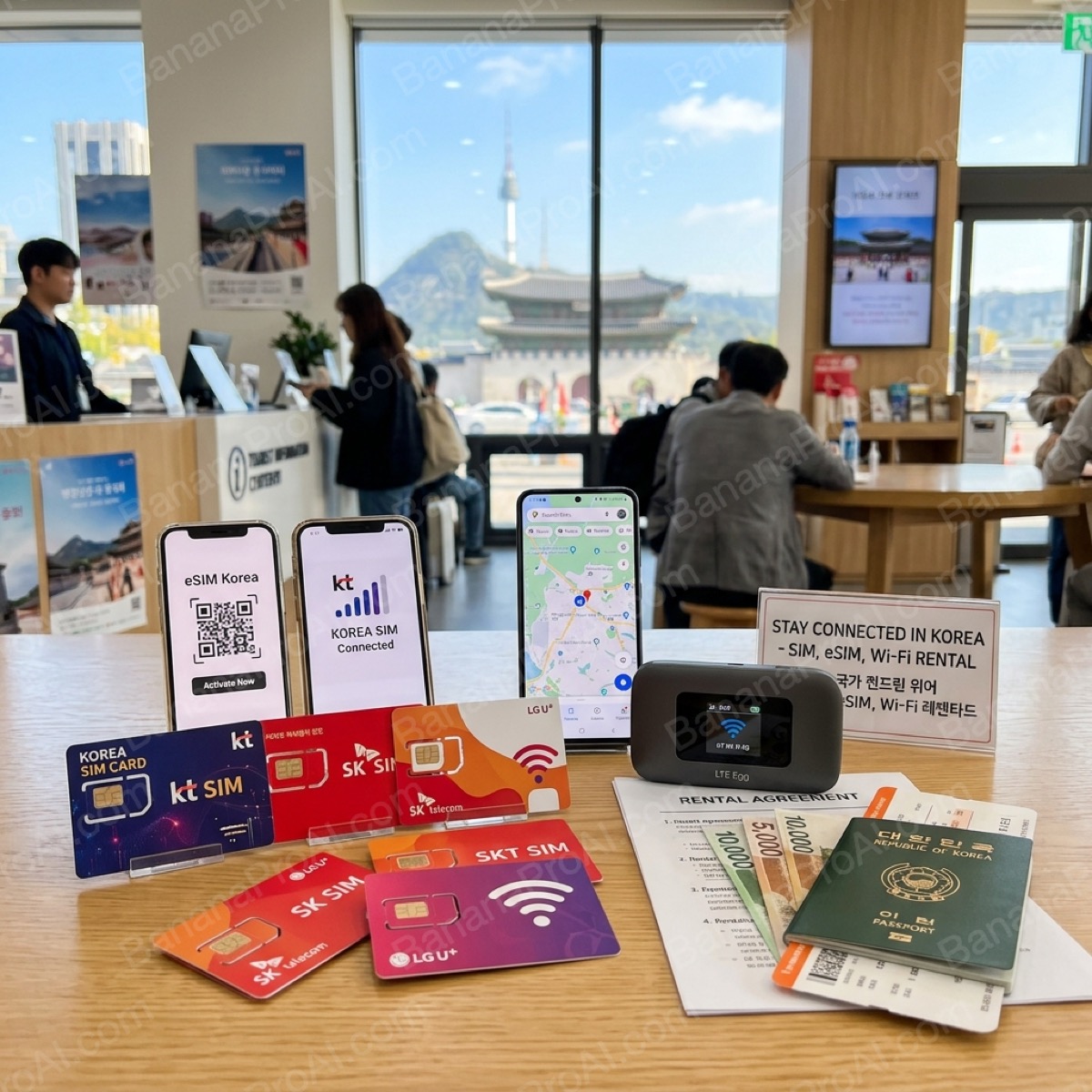
- ✅ Pick up a SIM card or portable WiFi (see our SIM card guide)
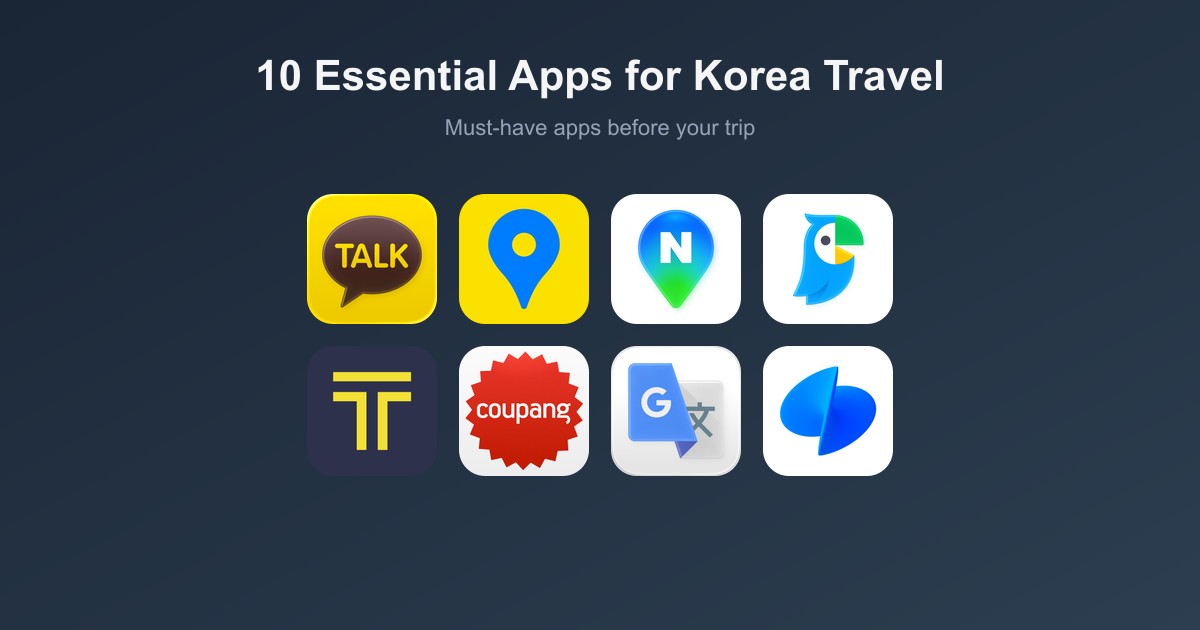
- ✅ Download Kakao Map and Naver Map
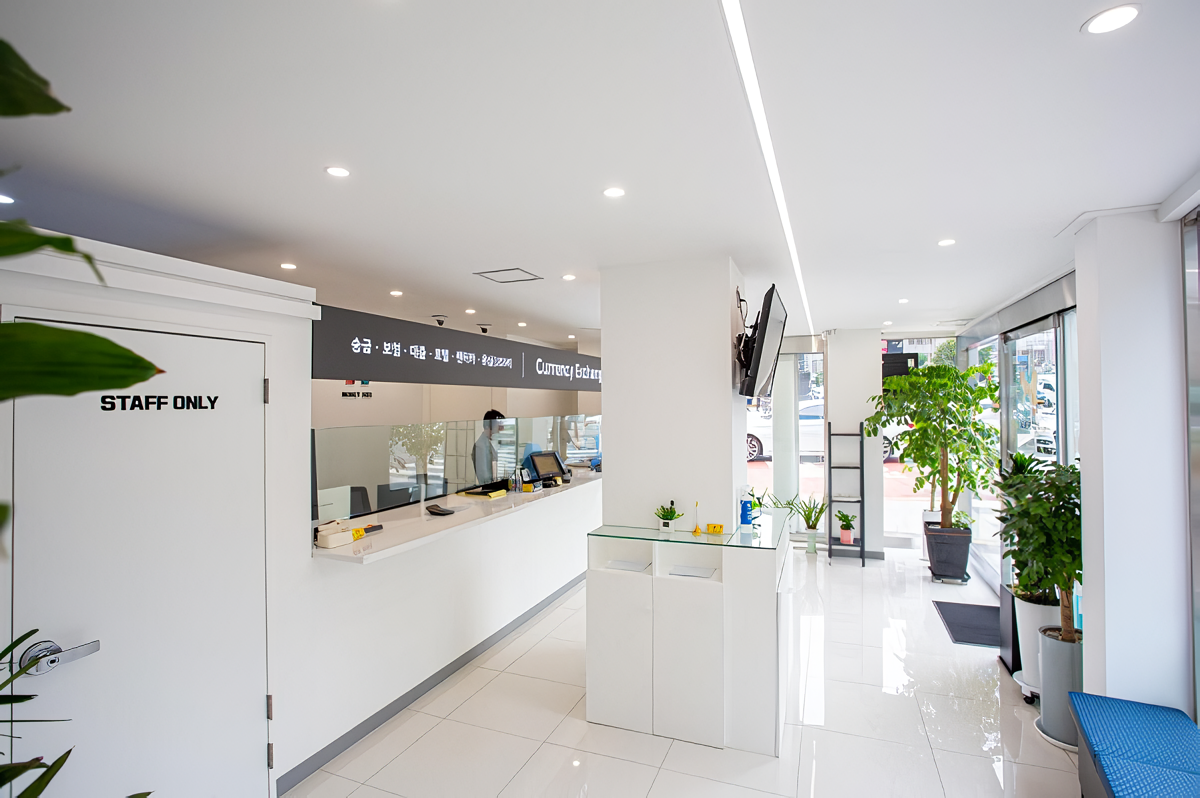
- ✅ Exchange a small amount of cash (₩50,000–100,000) — you can do more in the city at better rates
Immigration: Step-by-Step
Incheon processes millions of passengers per year across two terminals. The system is efficient when you know the sequence — disorienting when you don't.
- Disembark and follow "Arrivals" signs. The walk from the gate to immigration can be 10–20 minutes in Terminal 1 — it's a large building. Follow the yellow footprints and overhead signs; they don't mislead you.
- Health declaration (if required). As of 2025, most travelers no longer need paper health forms, but seasonal requirements can change. Check South Korea's Korea Disease Control and Prevention Agency website before flying.
- Immigration Hall. Separate queues for Korean citizens, E-Gate users, and foreign nationals. Most international visitors join the foreign nationals queue. Have your passport open to the photo page and your return flight or onward ticket information accessible — immigration officers occasionally ask.
- Automated E-Gate option. Citizens of countries with bilateral E-Gate agreements (including the US, UK, Canada, Australia, and most EU states) can use the self-service gates. Scan your passport, place your fingers on the biometric reader, confirm the photo match. Takes 60–90 seconds versus a potentially long staffed queue.
- Baggage claim. Screens at the top of the escalators show which carousel your flight number maps to. Luggage from most long-haul flights arrives 20–35 minutes after you clear immigration — enough time to use the bathroom and check your phone.
- Customs. Green channel for nothing to declare; red channel if you're carrying items over the duty-free limit (₩800,000 in goods for returning residents; $800 USD equivalent for tourists with specific category limits). Customs officers occasionally stop travelers at random in the green channel for a brief check.
Luggage Storage
Both terminals have staffed luggage storage counters and self-service lockers. Options:
- Staffed storage (수하물 보관소): On the arrivals floor, operated by Airport Logistics. Open 24 hours. Standard bags run ₩4,000–₩8,000 per day depending on size. The most secure option for overnight storage or if you're heading into Seoul before check-in.
- Self-service coin lockers: Scattered throughout both terminals. Sizes from small (camera bags) to large (full-size roller suitcase). Payment by card or T-money. Found near the exit to the AREX train platform in both terminals.
- Hotel luggage storage: If your hotel allows early bag drop before check-in, coordinate this in advance — many Seoul hotels offer it. Faster than waiting for a room, especially on morning arrivals.
Airport Shopping and Duty Free
Incheon's duty-free shopping is among the best-stocked in Asia — a genuine attraction rather than just a way to kill time before a flight. The arrivals-floor stores are technically "bonded" shops operating under duty-free rules for departing international travelers, but Incheon has a dedicated arrivals duty-free pickup system: pre-order online, collect on the way in. If you planned ahead, swing by the collection counter (clearly signed, arrivals level) before leaving the terminal.
For browsing on arrival, the area between baggage claim and the exit has K-beauty counters, Korean snack shops (Lotte, Haitai, Samyang — useful for stocking up before gifts to take home become an afterthought), and a branch of the beloved Korean convenience chain GS25 that carries local food items not available at the city outlets.
The Terminal 2 duty-free mall on the departures level is more expansive, with luxury brands, a dedicated K-pop merchandise floor, and a food hall — worth a visit on your departure day if you arrive at the airport early.
Transit Hotel Options
If you have a long layover or arrive late and have an early outbound flight, sleeping inside Incheon is sensible:
- Grand Hyatt Incheon: Connected to Terminal 1. Full-service hotel, rooms available by the night or by a daytime rest period. Pricier but genuinely comfortable.
- Yotel Air Incheon: Airside (past security) in Terminal 2. Smart-room format, bookable in 4-hour blocks from around ₩50,000. Ideal for the 6–10 hour layover when you just need a flat surface.
- Rest zones (무료 휴게실): Free padded recliners scattered through both terminals, in dedicated quiet areas. Not glamorous but functional for a few hours of sleep during a long overnight transit.
Getting Into Seoul
- AREX Express Train: Fastest option. Terminal 1 and Terminal 2 both have platforms. Non-stop to Seoul Station takes 43 minutes (Terminal 2) or 51 minutes (Terminal 1). Runs every 30 minutes. Tickets purchased at machines on the platform — T-money card works.
- AREX All-Stop Train: Slower (approximately 66 minutes to Seoul Station) but stops at intermediate stations. Useful if your destination is not near central Seoul.
- Airport Limousine Bus (공항버스): Routes to major hotel clusters and neighborhoods. Check the destination board at the bus plaza on the arrivals level. Takes 60–90 minutes depending on traffic; costs ₩15,000–₩18,000. Good for heavy luggage travelers heading to specific districts.
- Kakao T taxi (카카오 T): Available at the taxi plaza. Rates to central Seoul run ₩70,000–₩100,000 depending on traffic and destination. Not the cheapest, but door-to-door convenience for late-night arrivals or those with a lot of bags.