Essentials
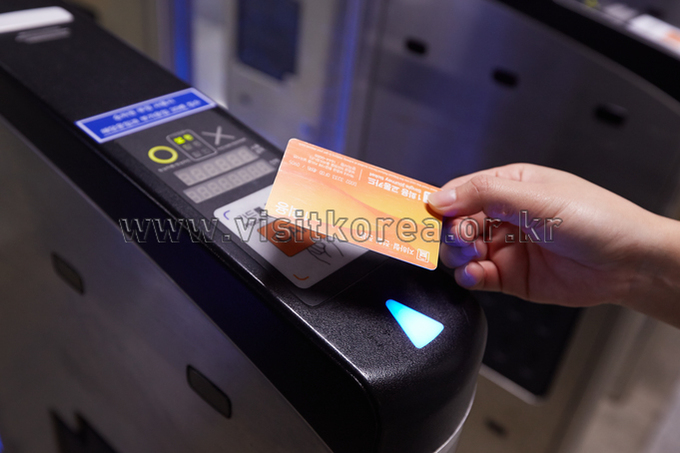
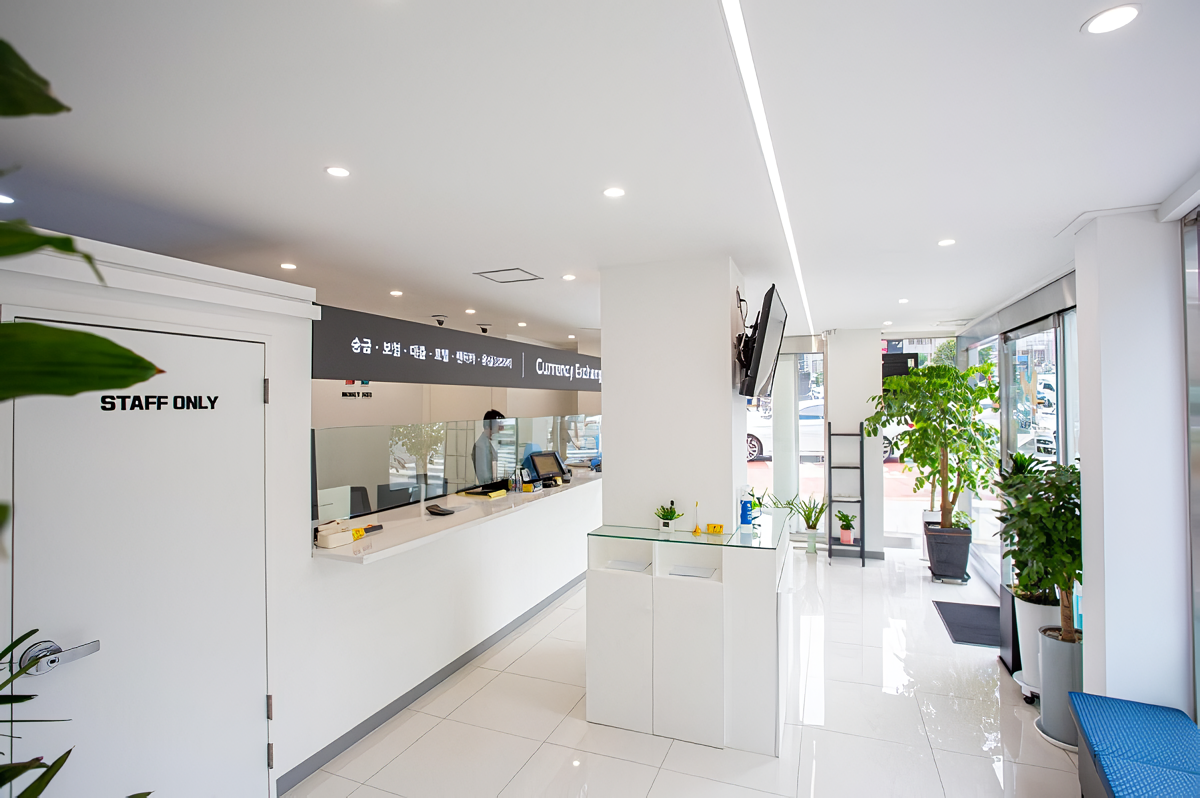
Money in Korea
Best exchange rates, ATMs & how to pay
Read guide →Korean cuisine (hansik) is built around balance — fermented sides (banchan), a steaming bowl of rice, and a main dish that changes with the season. Meals are served all at once rather than in courses, and sharing dishes at the table is the norm. The depth of flavor comes from slow-fermented pastes like doenjang (soybean) and gochujang (chili), which form the backbone of soups, stews, and marinades across the country.
Gangdong-gu in southeastern Seoul is a family-oriented district known for its community markets and traditional Korean restaurants. Cheonho Market offers one of Seoul's best selections of traditional banchan, grilled fish, and home-style Korean cooking away from the tourist circuit.
Being able to drink soju and beer at a snack bar is definitely a huge advantage... but it's neither more nor less... since it's fried food, if you start eating a lot, you start to get sick of it... The price seems reasonable but it's not... ambiguous... about the price of snack bars these days... It's a snack bar, not a pocha (of course, even pochas have narrow spaces...) so there's no space... (Let's just say this is a fact, since any snack bar can be narrow, rather than an inconvenience.)
Korean blogger posts. Links open original posts on Naver.