Seoul has 25 districts and roughly 10 million people. If you've just opened a hotel search for the first time, the options can feel paralyzing. The city is enormous, the neighborhoods have wildly different personalities, and "close to the subway" can mean anything when there are 300+ stations.
Here's what actually matters: where you stay in Seoul shapes the entire texture of your trip. The right neighborhood puts you walking distance from your priorities — whether that's a music show taping, a hanbok photo shoot near Gyeongbokgung, or a café that goes viral every other week. The wrong one means daily 40-minute subway rides eating into your itinerary. This guide cuts through the noise.
For help getting around once you're settled, see our Korea Transportation Guide — Seoul's subway makes nearly every area accessible.
Pick Your Neighborhood in 30 Seconds
Know what you're mainly there for? Start here:
| Your Priority | Best Base | Runner-Up |
|---|---|---|
| Music show tapings (KBS, MBC, SBS) | Hongdae / Mapo | Yeouido |
| K-drama palaces & hanbok experience | Jongno / Bukchon | Insadong |
| K-beauty shopping & easy transit | Myeongdong / Jung-gu | Hongdae |
| Idol entertainment district, upscale dining | Gangnam / Apgujeong | Hannam |
| Trendy cafes & K-pop brand pop-ups | Seongsu | Hongdae |
| International food & nightlife | Itaewon / Hannam | Hongdae |
| Budget-friendly first-time visit | Hongdae | Myeongdong |
Most first-time visitors do well in Hongdae or Myeongdong — both are transit hubs with dense accommodation options at every price point. Returning visitors often gravitate toward Jongno, Seongsu, or Hannam for a more textured experience.
Neighborhood Profiles
Hongdae & Mapo — The K-Pop Fan's Home Base
Hongdae is where Seoul's youth culture lives. Named after Hongik University, the area has been the city's center of indie music, street performance, and subcultural energy for decades — and it's also the neighborhood most directly connected to K-pop broadcast culture. KBS, MBC, and SBS — the three major broadcasters that air music shows like Music Bank, Show! Music Core, and Inkigayo — all have studios within a manageable distance of Hongdae. Fan club queues for show tapings typically form near these venues early in the morning. Being based in Hongdae means you can join the queue, attend the taping, and be back for lunch without a cross-city commute.
Beyond broadcasting, Hongdae has fansite merchandise stalls, idol fan cafes, and the dense cluster of street performances near Hongdae Park that's been a Seoul institution since the 2000s. At night the area becomes one of Seoul's most active entertainment zones. The AREX Airport Railroad stops at Hongik University Station, making the airport connection as simple as it gets.
- Vibe: Young, loud, creative, never quiet after 9pm
- Best for: K-pop fans, budget to mid-range accommodation, first-time visitors who want energy
- Transport: Hongik University Station (Line 2, AREX, Gyeongui-Jungang Line) — excellent connectivity
- Accommodation range: Hostels ~₩20,000–₩40,000/night; mid-range hotels ~₩80,000–₩130,000/night (verify current rates at booking)
- Note: Broadcast schedules and taping access policies change — check official broadcaster websites and fan cafe announcements before your trip.
Myeongdong & Jung-gu — Maximum Convenience
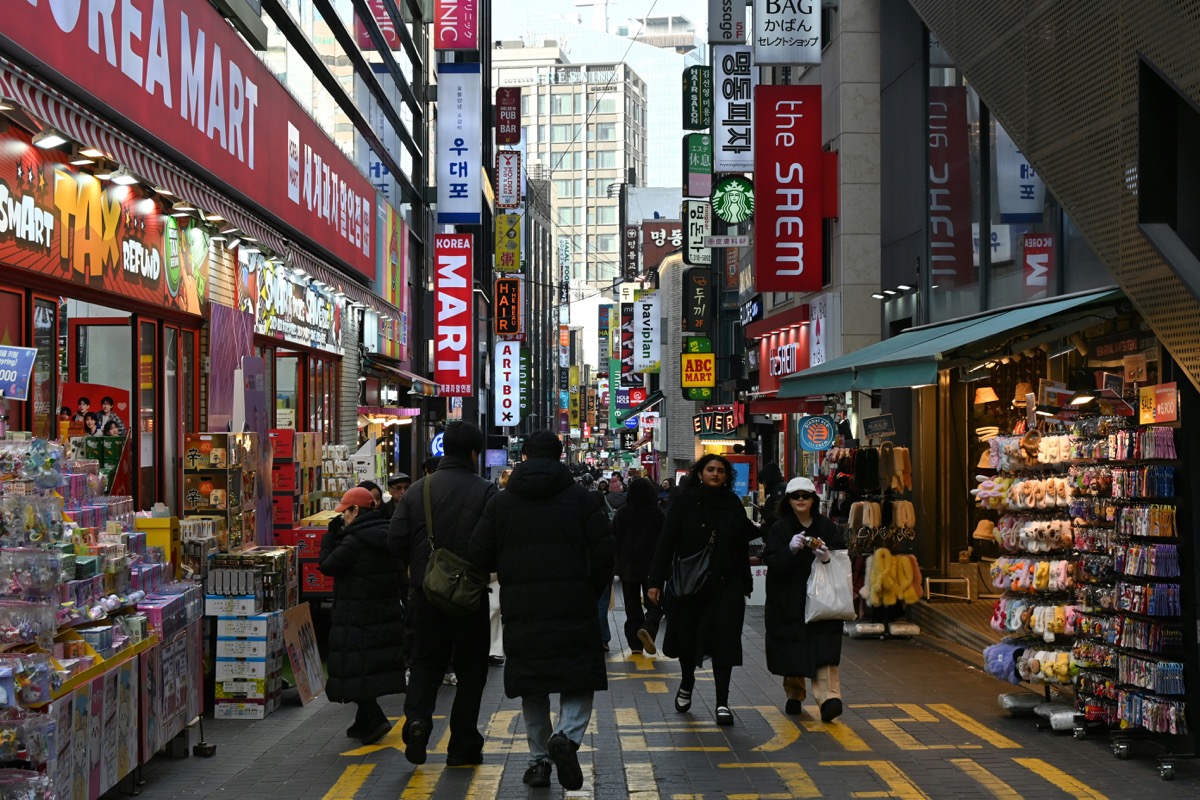
Myeongdong is the most visitor-friendly neighborhood in Seoul, and that's both its greatest strength and its most obvious limitation. The streets are lined with K-beauty flagships — Innisfree, COSRX, SKIN1004, Laneige — and the density of accommodation options means you'll almost always find a reasonable rate. Getting anywhere in Seoul by subway from Myeongdong is fast.
The honest reality: Myeongdong is a tourist district. It's not the Seoul that Koreans in their 20s choose for a night out. If your trip is primarily K-beauty shopping or you simply want the path of least resistance on your first Seoul visit, Myeongdong delivers. If you want to feel immersed in the city's actual daily rhythm, Hongdae, Seongsu, or Jongno will serve you better.
- Vibe: Busy, international, commercial — more Times Square than Greenwich Village
- Best for: K-beauty shopping, first-time visitors, business travelers who prioritize transit convenience
- Transport: Myeongdong Station (Line 4); City Hall Station (Lines 1, 2)
- Accommodation range: Business hotels ~₩80,000–₩180,000/night; luxury options ₩250,000+/night (verify current rates)
Jongno & Bukchon — K-Drama's Favorite Backdrop
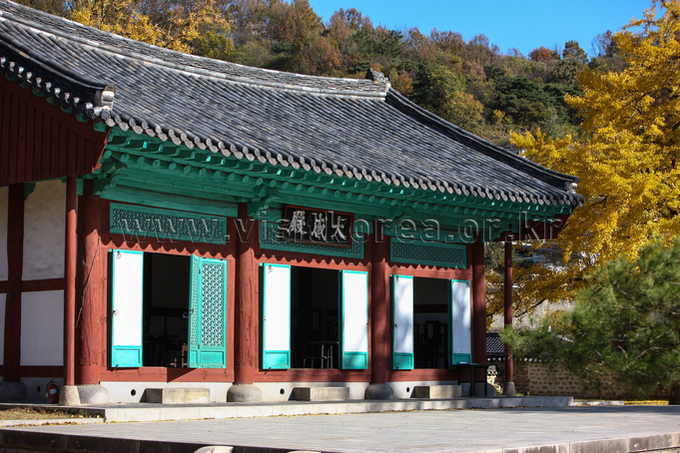
If you've watched a Korean historical drama — Mr. Sunshine, My Dearest, Under the Queen's Umbrella — you've seen the architecture of Jongno district. Gyeongbokgung Palace, Changdeokgung, Bukchon Hanok Village, and Insadong are all concentrated here. Staying in this neighborhood means stepping out your door into streets that look like living set design.
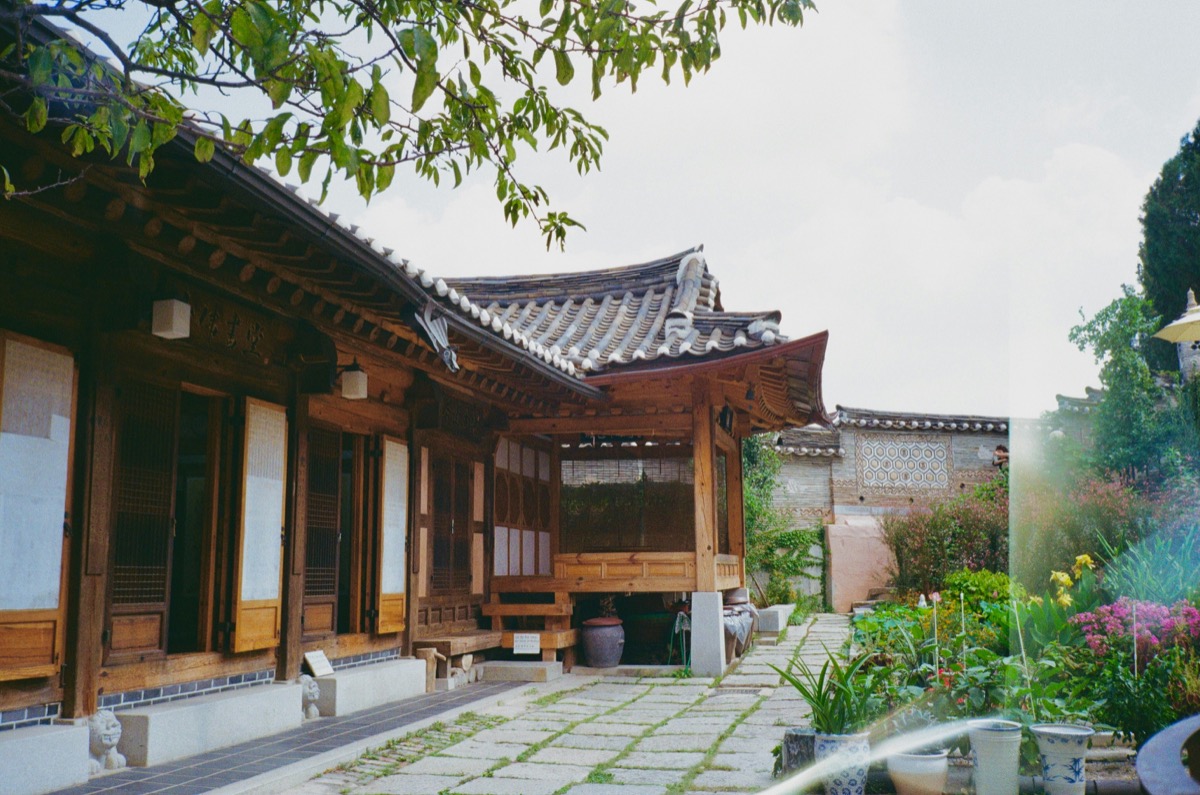
Hanbok rental shops cluster around the palace gates — rent a traditional outfit, walk the palace grounds, and be back at your guesthouse in half a day. Several hanok-style guesthouses operate in the area, letting you sleep in a traditional courtyard house. Jongno also connects to Ikseon-dong, a renovated alleyway of traditional houses turned into cafes and boutiques that Seoul's food and design community has been obsessed with for several years.
- Vibe: Historical, calm during the day, quieter at night — not a nightlife zone
- Best for: K-drama fans, history lovers, hanbok experience, a quieter residential atmosphere
- Transport: Anguk Station (Line 3); Gyeongbokgung Station (Line 3); Jongno 3-ga (Lines 1, 3, 5)
- Accommodation range: Hanok stays ~₩80,000–₩200,000/night; guesthouses from ~₩30,000/night (verify availability — hanok stays book out quickly)
Pro Tip: Book hanok stays 2–3 months ahead for spring (cherry blossom, late March–mid-April) and autumn foliage (mid-October–early November). Wearing hanbok inside Gyeongbokgung grants free entry to the palace.
Gangnam, Apgujeong & Sinsa — Where Idols Shop
Gangnam is the most internationally famous neighborhood in Seoul — partly because of a certain song — and partly because it is genuinely the city's wealthiest commercial district. The entertainment industry has significant infrastructure here. The streets of Apgujeong and Sinsa are where you're statistically most likely to spot an idol on a day off. Major K-entertainment companies maintain offices in the broader Gangnam area — verify current locations via official company websites if fan site visits are planned, as addresses have been subject to reported relocations in recent years.
The Gangnam experience is upscale: concept stores, high-end Korean skincare brands, restaurant reservations that take weeks to secure, and hotel prices to match. For travelers whose main interest is the contemporary, luxury-adjacent side of Korean pop culture — fashion, fine dining, the idol industry's geography — Gangnam is the right choice.
- Vibe: Polished, wealthy, quieter streets than northern Seoul, world-class dining
- Best for: Luxury travelers, idol industry geography, Korean fashion, longer stays
- Transport: Gangnam Station (Line 2); Apgujeong Rodeo Station (Bundang Line); Sinsa Station (Line 3)
- Accommodation range: Business hotels ~₩120,000–₩200,000/night; luxury hotels ₩300,000–₩600,000+/night (verify current rates)
Seongsu — Seoul's Pop-Up Capital
Seongsu has become the neighborhood that K-pop fandoms plan entire days around. What was once an industrial area of leather workshops has transformed into Seoul's most dynamic pop-up destination. Major idol groups choose Seongsu for flagship fan events and limited-run pop-up stores that draw hundreds of fans per day during opening weekends. Beyond fandom events, Seongsu has the city's most interesting cafe culture right now — architectural spaces, seasonal menu concepts, exposed brick and warehouse ceilings that create a visual texture unlike anywhere else in Seoul.
- Vibe: Trendy, creative, industrial-chic — the neighborhood Seoul is most excited about right now
- Best for: K-pop pop-up events, cafe culture, design and architecture, repeat Seoul visitors
- Transport: Seongsu Station (Line 2); Ttukseom Station (Line 2)
- Accommodation range: Limited hotel options in the core area; many visitors base in Hongdae or Jongno and visit by subway
Itaewon & Hannam — International Seoul
Itaewon has the most diverse food scene in Seoul — Lebanese, Ethiopian, Mexican, Turkish, Indian — all within a 15-minute walk of each other. It's also where many international residents live, giving it a different energy from more homogenous Korean neighborhoods. Hannam-dong, adjacent to Itaewon, has excellent boutique restaurants and a calmer, upscale residential atmosphere. Itaewon has been rebuilding its identity since 2022, with new businesses opening alongside established institutions — assess the current atmosphere via recent travel forums and Google Maps reviews before your trip.
- Vibe: International, evolving, eclectic — Hannam is quieter and more residential
- Best for: International food lovers, upscale dining, Han River access
- Transport: Itaewon Station (Line 6); Hangangjin Station (Line 6)
- Accommodation range: Boutique hotels ~₩100,000–₩250,000/night (verify current rates)
Seoul Accommodation Types & Price Comparison
| Type | Price Range (per night) | Best For | Booking Tip |
|---|---|---|---|
| Hostel / Guesthouse | ₩20,000–₩60,000 (~$15–$45) | Solo travelers, budget trips | Dorms to private rooms; Hongdae has the best selection |
| Hanok Guesthouse | ₩80,000–₩200,000 (~$60–$150) | K-drama fans, cultural experience | Book 2–4 months ahead for peak seasons; limited rooms |
| Business Hotel | ₩80,000–₩180,000 (~$60–$135) | Comfort travelers, business visitors | Chains like Travelodge, L7, Ibis widely available; Agoda often beats Booking.com for Korean chains |
| Boutique Hotel | ₩150,000–₩300,000 (~$112–$225) | Design-conscious travelers | Strong options in Seongsu, Hannam, Jongno |
| Luxury Hotel | ₩300,000–₩800,000+ (~$225+) | Special occasions, luxury travelers | Four Seasons, Lotte, Shilla — Gangnam and central Seoul |
Price ranges are approximate and vary significantly by season and availability. Verify current rates at time of booking.
Booking Tips for K-Pop Fans & Peak Season Travelers
- Book accommodation the same day as concert tickets. When major idol groups announce Korean dates, Hongdae and Mapo hotels sell out within days. Do not wait.
- Spring (late March–mid-May) and autumn (September–November) are peak seasons. Prices run 20–40% higher and availability drops fast. Book 2–3 months ahead.
- Agoda often has better rates than Booking.com for mid-range Korean hotel chains. Check both before confirming.
- Read the fine print on cancellation. Festival and concert weekends often have non-refundable conditions.
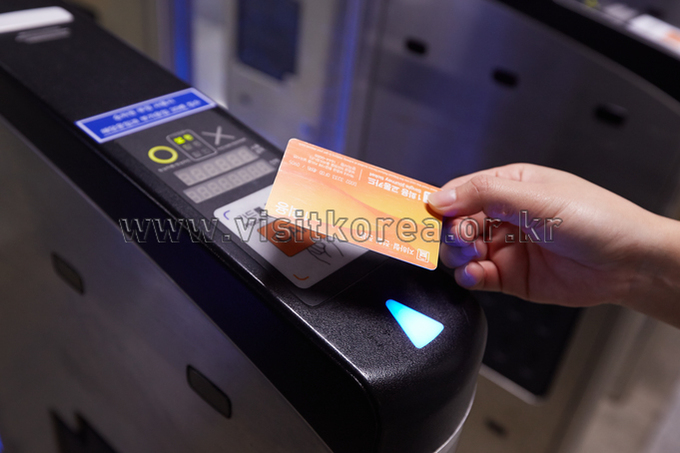
- Subway proximity matters more than you think. "10 minutes from Hongik University Station" on foot is very different from "10 minutes by taxi." Look for properties within a 10-minute walk of a subway entrance.
- Airport transfer is easiest from Hongdae. Hongik University Station is served directly by the AREX All-Stop Airport Railroad — no transfers from Incheon. See the Incheon Airport Arrival Guide for all transport options.