Korean Culture: A Quick Overview
Korea has a rich culture built on Confucian values of respect, hierarchy, and harmony. While Koreans are very forgiving of foreign visitors' mistakes, knowing basic etiquette will earn you genuine appreciation and warmer interactions.
Greeting & Social Etiquette
Bowing
- A slight bow (15°) is the standard greeting — like a polite nod
- A deeper bow (45°) shows great respect (meeting elders, formal situations)
- Handshakes are common in business but not typical in casual settings
Age & Hierarchy
- Koreans often ask your age early — this isn't rude, it's how they determine the appropriate level of formality
- Use both hands when giving or receiving anything (business cards, gifts, money, drinks)
- Elders eat first at meals — wait for the oldest person to start
Shoes Off
- Always remove shoes when entering a Korean home
- Many traditional restaurants (with floor seating) require shoes off too — look for a shoe area at the entrance
- Some guesthouses and temples also have this rule
Dining Etiquette
Korean dining culture has its own set of customs that might surprise first-time visitors.
The Basics
- Don't stick chopsticks upright in rice — this resembles funeral incense and is considered very bad luck
- Don't lift your bowl to eat from it (unlike Japan or China) — leave it on the table
- Side dishes (반찬, banchan) are shared — they're free and refillable at most restaurants
- Tipping is not expected and can sometimes be seen as rude
Drinking Culture
- When someone older pours you a drink, hold your glass with both hands
- Pour for others first, never pour your own drink
- Turn slightly away from elders when drinking — don't drink facing them directly
- It's polite to accept at least the first drink offered to you
- "건배!" (geonbae) means "cheers!" — you'll hear it a lot
Paying the Bill
- Splitting the bill is less common — usually one person pays for everyone
- Friends and couples often take turns treating each other
- The bill is typically paid at the counter near the exit, not at the table
Public Behavior
On Public Transportation
- Keep phone conversations quiet or use text instead
- Don't eat on the subway (drinks are okay)
- Priority seats (usually pink/marked) are for elderly, pregnant, and disabled — never sit there even if empty
- Let passengers exit before boarding
General
- Blowing your nose loudly in public is considered rude — go to a restroom
- Public displays of affection are common among younger couples but still modest by Western standards
- Littering is taken seriously — fines can be up to ₩100,000
- Smoking is restricted to designated areas in most public places
Temple Etiquette
- Dress modestly — avoid shorts, tank tops, and revealing clothing
- Remove shoes before entering temple buildings
- Ask before taking photos, especially during ceremonies
- Speak quietly and walk gently on temple grounds
Useful Korean Phrases
| English | Korean | Pronunciation |
|---|---|---|
| Hello | 안녕하세요 | Annyeonghaseyo |
| Thank you | 감사합니다 | Gamsahamnida |
| Excuse me | 실례합니다 | Sillyehamnida |
| Sorry | 죄송합니다 | Joesonghamnida |
| How much? | 얼마예요? | Eolmayeyo? |
| Delicious! | 맛있어요! | Masisseoyo! |
| Please give me... | ...주세요 | ...juseyo |
| The bill please | 계산해 주세요 | Gyesanhae juseyo |
Don't Worry Too Much!
Koreans are incredibly welcoming to international visitors. If you make a cultural faux pas, a smile and "죄송합니다" (I'm sorry) goes a long way. The effort to learn even basic etiquette is always appreciated.
The Shoes-Off Culture
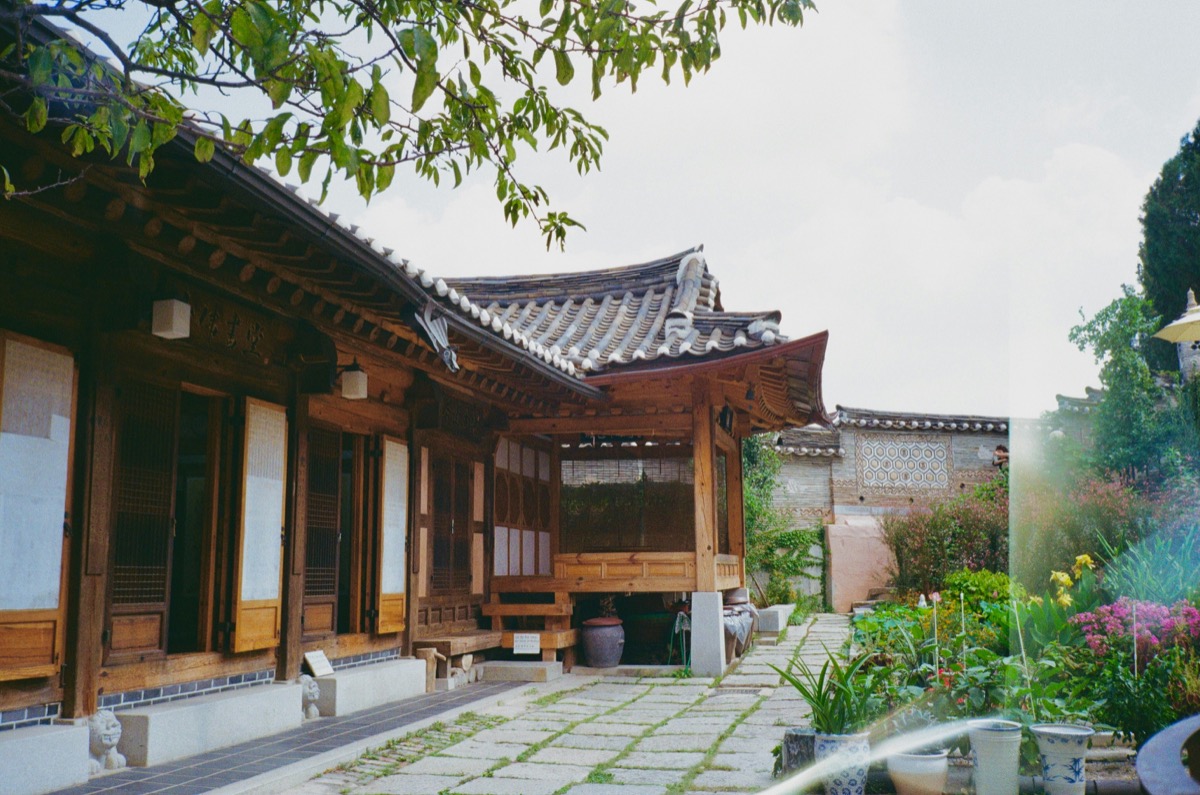
Removing shoes before entering a home is non-negotiable in Korea — and the instinct extends beyond private residences. Traditional restaurants with floor seating (온돌방, ondol rooms), some Buddhist temples, and many guesthouses expect shoes to be left at the entrance. You'll know immediately: a step-up at the threshold, a collection of shoes in the entryway, sometimes a row of indoor slippers.
The practical checklist: wear socks without holes (this matters more than you'd expect — Koreans notice, and being caught in holey socks at a floor-seating restaurant is a memorable kind of embarrassment). Place your shoes neatly, toes pointing toward the door. Don't pile them haphazardly. The care you show with your shoes signals something about your character in Korean social reading.
Drinking Etiquette: The Two-Hand Rule and Pouring for Others
Korean drinking culture has a structure that feels formal until you internalize it — then it becomes second nature and actually quite enjoyable.
- Always pour for others, not yourself. Pouring your own glass is considered slightly rude, implying your companions aren't paying attention to you. Keep your glass available and watch others' glasses — topping up when someone is running low is a way of saying you're paying attention.
- Receive and offer drinks with two hands, or with one hand touching your wrist or forearm. This applies especially when the pourer is older than you. The two-hand gesture signals respect — a thread running through much of Korean social etiquette.
- The eldest person at the table drinks first. Once the senior person has taken a sip, the table flows freely. If someone is clearly the honored guest or the most senior person, wait for them.
- Don't refuse the first drink. A first toast from a host is a gesture of welcome. Accepting it — even with just a small sip — acknowledges the hospitality. If you genuinely don't drink alcohol, say so politely before the toast; most Koreans will offer a non-alcoholic alternative without a second thought.
- Soju bombers (소맥): Mixing beer and soju is the national pastime of Korean social drinking. The ratio, the stir technique, and which straw to flick the foam with are subjects of genuine debate. Embrace the chaos.
Temple Visit Etiquette
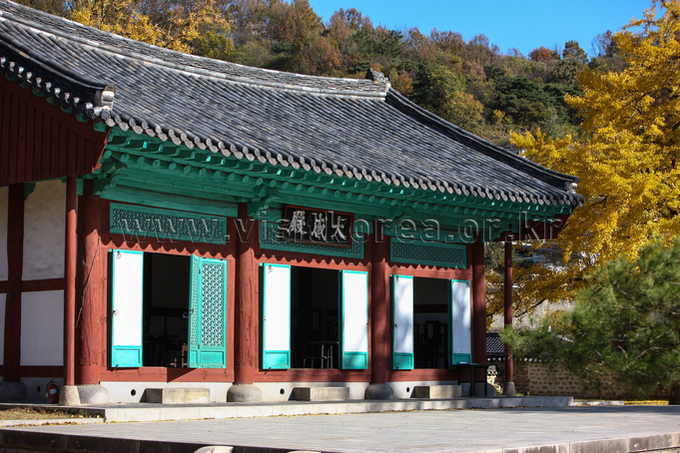
Korea's Buddhist temples — from Jogyesa in central Seoul to Haeinsa deep in the Gayasan mountains — are active places of worship, not simply historical monuments. The etiquette is straightforward but worth knowing:
- Dress modestly. Shoulders and knees covered. Some temples provide wraps for visitors who arrive underdressed; using one rather than ignoring the suggestion is the right call.
- Bow when passing through the main gate and when entering the main hall. A shallow bow (about 15 degrees) is appropriate; the deep 90-degree bow is for formal religious practice.
- Be quiet in the main hall. If monks are chanting or a ceremony is in progress, stay at the back and observe without speaking. Photography during active ceremonies is generally inappropriate — read the room.
- Walk around stupas and stone lanterns clockwise. This is a Buddhist directional convention; following it costs nothing and shows awareness.
- Temple stays (템플 스테이) — overnight programs at working temples — are genuinely transformative for travelers who want depth over ticking boxes. Jogyesa and Bulguksa both run well-organized English programs.
Subway and Public Transport Etiquette
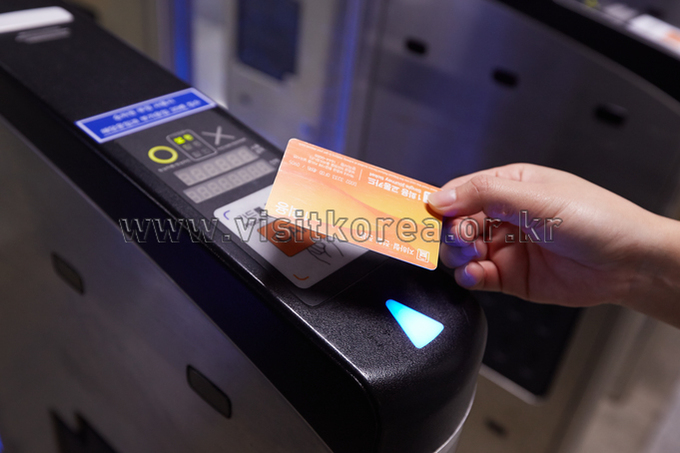
Seoul Metro carries over 7 million passengers daily. The system only functions because of strong shared behavioral norms — and foreign visitors who ignore them create real friction.
- Priority seats (노약자석) are genuinely reserved. The pink seats at the ends of each car are for the elderly, pregnant women, and people with disabilities. Do not sit in them even if the car is empty and a long-distance stop is coming. Koreans will notice, and an elderly person boarding at the next stop will face a social awkwardness you caused.
- Phone calls on the subway are frowned upon. Texting and silent browsing are universal; talking on a call — particularly at volume — draws looks. Step off at a station if you need to take a call.
- Stand to the right on escalators, leaving the left lane for people who want to walk up or down. This is observed with military precision in Seoul.
- Let passengers exit before boarding. There are marked foot-positions on the platform showing where to stand while waiting. Using them makes you immediately readable as someone who understands the system.
- Eating on the subway is technically discouraged, though less strictly enforced than in Tokyo. Strong-smelling food (instant noodles from the vending machine, convenience store fried chicken) will attract quiet disapproval.
Dining Table Manners
- Wait for the eldest to start eating before picking up your chopsticks — same logic as the drinking rule.
- Never stick chopsticks upright in a bowl of rice. This resembles incense sticks burned at funerals and carries the same symbolic weight as crossing chopsticks in Japanese culture.
- Slurping noodles is fine. The no-slurping rule many Western diners grew up with does not apply here. Noodle dishes are eaten noisily without embarrassment.
- Sharing dishes is the default. Banchan (side dishes) are communal — use the serving chopsticks provided or, absent those, the non-eating end of your chopsticks when serving others from a shared dish.
- Pay at the counter, not at the table. Most Korean restaurants handle payment at a register near the exit. Leaving money on the table and walking out is confusing for staff.