Korean Won (₩) Basics
The Korean currency is the Won (₩, KRW). The numbers can seem large at first — ₩10,000 is roughly $7.50 USD.
Quick Mental Math
- Divide by 1,300 to get approximate USD
- ₩1,000 ≈ $0.75
- ₩10,000 ≈ $7.50
- ₩50,000 ≈ $37.50
Bills & Coins
- Bills: ₩1,000 (blue), ₩5,000 (red), ₩10,000 (green), ₩50,000 (yellow)
- Coins: ₩10, ₩50, ₩100, ₩500
- The ₩50,000 bill is the largest — great for exchange, but small shops may not have change
Korea Is (Almost) Cashless
Korea is one of the most cashless societies in the world. Credit and debit cards are accepted almost everywhere — from department stores to tiny street food stalls.
Cards That Work
- Visa and Mastercard: Accepted virtually everywhere
- Amex: Accepted at larger stores and hotels, but not small restaurants
- Samsung Pay: Works with Korean NFC terminals
- Apple Pay: Now accepted at most terminals (launched in Korea 2023)
Tip: Bring a card with no foreign transaction fees if possible (e.g., Wise, Revolut, or a travel-focused credit card). The 1–3% fee adds up over a trip.
When You Still Need Cash
While cards work almost everywhere, keep some cash for:
- Traditional markets (Gwangjang, Namdaemun) — some vendors are cash-only
- Small street food stalls
- T-money card recharging (some machines are cash-only)
- Jjimjilbangs (Korean spas) — lockers and snacks inside are often cash
- Temple stays and rural areas
Recommended cash to carry: ₩50,000–₩100,000 ($37–75 USD) at a time.
Where to Exchange Money
Best Rates
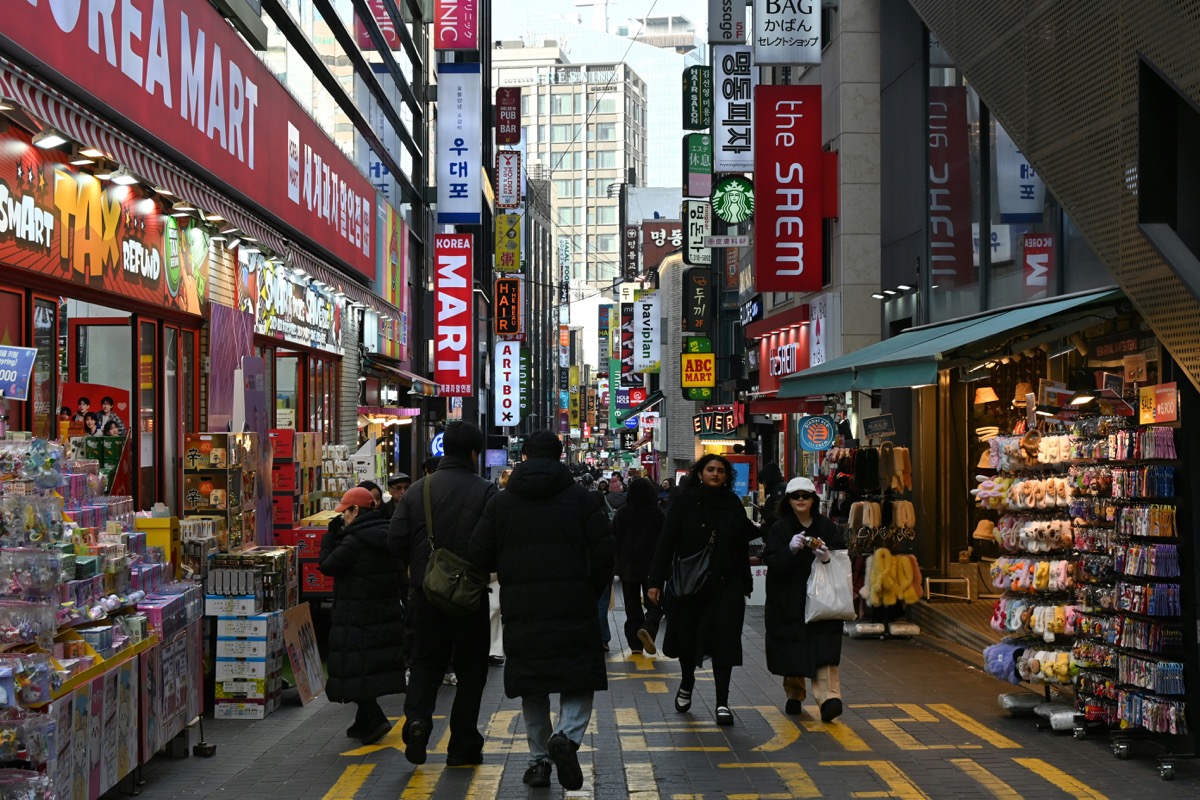
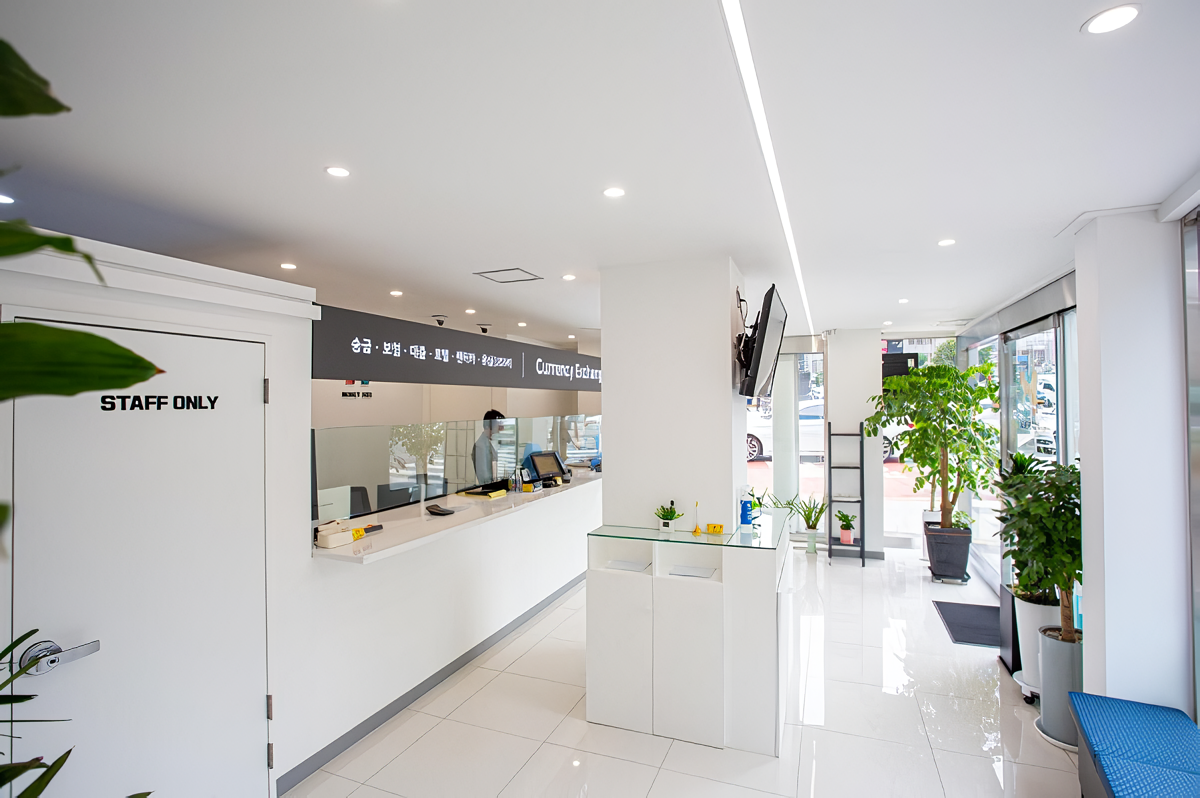
- Myeongdong money exchanges — Best rates in Seoul, no commission. Look for small exchange booths on the main street.
- Hongdae/Itaewon exchanges — Also competitive rates
- Banks — Decent rates but may charge commission
Avoid
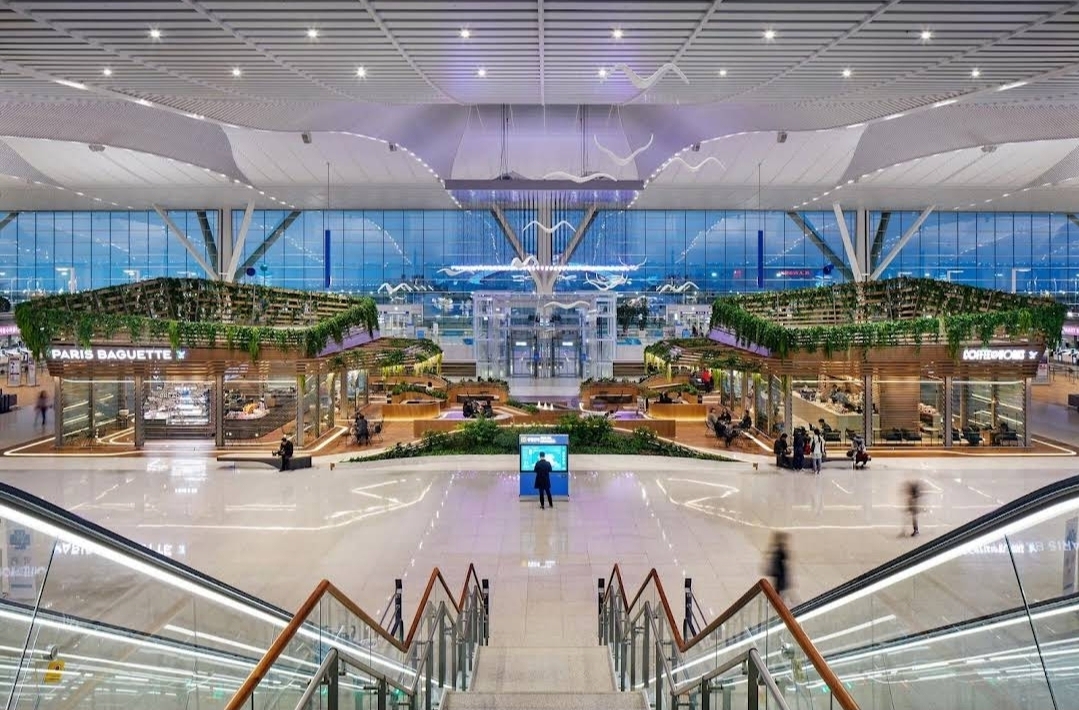
- Airport exchanges — Worst rates (exchange only what you need for the first day)
- Hotel exchanges — High markup
- ATM withdrawals with home bank card — Often hit with double fees (your bank's + the Korean ATM's)
ATMs
If you need to withdraw Won from a foreign card:
- Use Global ATMs at convenience stores (GS25, CU) or subway stations
- Look for the "Global ATM" or "Foreign Card" label
- Citibank and Hana Bank ATMs have the best compatibility
- Always choose "without conversion" when the ATM asks — let your bank do the conversion for a better rate
Tipping in Korea
Tipping is not part of Korean culture. Do not tip at:
- Restaurants
- Cafes
- Taxis
- Hotels (except luxury hotels where bellhops may expect it)
- Hair salons / beauty services
Some high-end restaurants in tourist areas may add a service charge, but this is rare.
Tax Refund
Visitors can get a VAT refund (up to 10%) on purchases over ₩30,000 at participating stores.
- Look for "Tax Free" signs
- Get a tax refund receipt at the store
- Claim your refund at the airport before departure (KIOSK machines or counter)
- Refund can be cash, card, or Alipay/WeChat
Cash-Only Situations: Where Cards Won't Work
Korea is a remarkably cashless society for most daily transactions, but a meaningful category of businesses still operates cash-only — and stumbling into one without won in your pocket is genuinely stressful.
Common cash-only situations:
- Traditional markets (재래시장): Gwangjang Market, Namdaemun Market, and most neighborhood wet markets. Individual stall vendors rarely have card terminals, though the markets themselves sometimes have ATMs nearby.
- Small neighborhood restaurants: Family-run kimbap shops, pojangmacha (street food tents), and many lunch-set restaurants under ₩10,000 per person. If there's no card reader visible at the counter, assume cash.
- Coin lockers and some vending machines: Subway station lockers at older stations still take cash only. Carry ₩500 and ₩1,000 coins when exploring.
- Some temple entrance fees: Smaller temples outside major tourist circuits often have unmanned entrance boxes expecting cash donations.
- Tipping envelopes at salons: Korea doesn't have a tipping culture (see below), but cash tips at hair and nail salons — if you choose to leave one — are handled discreetly in cash.
A practical rule: carry ₩50,000–₩100,000 in cash at all times. It covers a market meal, a coin locker, and a taxi when your phone dies.
Finding ATMs That Accept Foreign Cards
Not every Korean ATM accepts international cards. The trick is knowing which networks to target:
- Global ATM (글로벌 ATM): Look for the blue Global ATM sign or the Cirrus/Maestro/Plus logo. These accept Visa, Mastercard, and most international bank cards.
- 7-Eleven and GS25 convenience store ATMs: The most reliable option for foreign cards in urban areas — open 24 hours, English interface available.
- Woori Bank and Hana Bank branch ATMs: Both have strong foreign card acceptance records and English menus.
- Post Office (우체국) ATMs: Underrated option — excellent foreign card acceptance, found in every neighborhood.
- KEB Hana Bank at Incheon Airport: Withdraw a working amount on arrival rather than scrambling later.
Machines that don't take foreign cards will display an error immediately — no money is deducted. Standard international ATM fees apply; your home bank's foreign transaction fee is usually the bigger cost.
Kakao Pay and Naver Pay: Can Foreigners Use Them?
Korea's dominant mobile payment platforms — Kakao Pay (카카오페이) and Naver Pay (네이버페이) — are heavily integrated into daily Korean commerce. The short answer for foreigners: limited but improving.
- Kakao Pay: As of 2025, foreign Visa and Mastercard can be registered in the Kakao Pay app after downloading and completing identity verification. Acceptance in smaller shops is still uneven — major chains work reliably, small independents may not.
- Naver Pay: Primarily useful for online Korean shopping platforms. In-person use requires a Korean phone number for verification, which is a barrier for most short-term visitors.
- Samsung Pay / Apple Pay: Apple Pay launched in Korea in 2023 and now works at most modern payment terminals. Samsung Pay has had Korean market presence longer. If your phone supports either and you have a linked Visa/Mastercard, these are often the easiest contactless options.
For practical day-to-day use, a Visa or Mastercard contactless card paired with cash remains the most reliable setup for tourists.
Tipping Culture in Korea: Don't
This is one of the most important etiquette notes in this entire guide: tipping is not practiced in Korea, and in some contexts it can cause embarrassment or confusion for the recipient.
Restaurant service charges are included in menu prices (there is no gratuity line on the bill). Hotel porters, taxi drivers, and tour guides do not expect tips. At beauty salons and spas — where tipping might feel more natural to visitors from the US or Australia — a sincere verbal thank-you carries more weight than cash.
The one partial exception: if you use a private guide service for a multi-day tour, a small cash gift at the end is understood in the context of international tourism norms. But even here, it's optional, not expected.
Currency Exchange: Where to Get the Best Rate
- Myeongdong exchange booths: The best rates in Seoul. The street has dozens of competing booths — compare the rate boards before committing. No fees, rate is the rate.
- Incheon Airport exchange counters: Convenient but offer rates 2–5% worse than city booths. Change just enough to get through the first day.
- Hotel front desks: Worst rates of all. Avoid.
- Wise or Revolut app: For those who pre-load a card before travel, these apps convert at near-interbank rates — better than any physical exchange counter.