Essentials
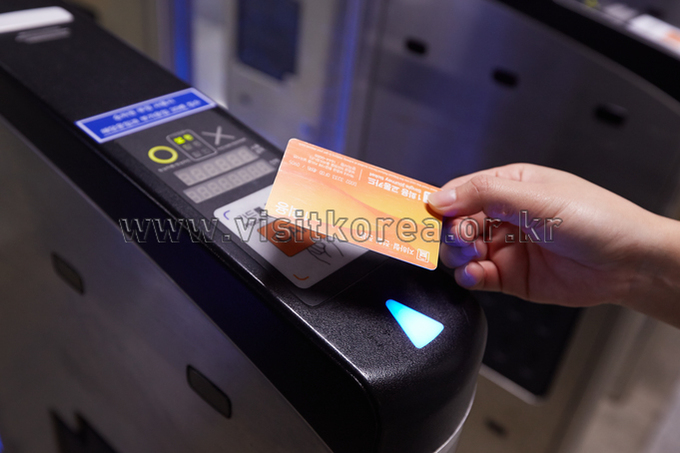
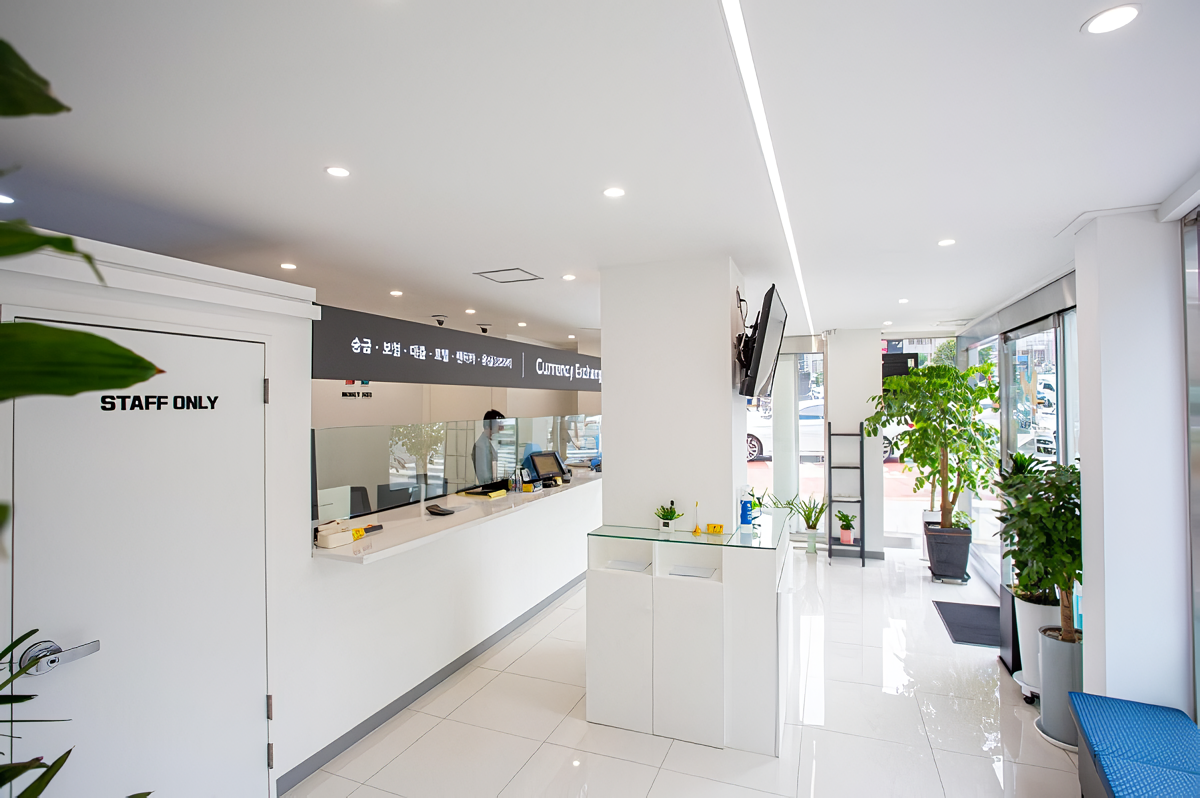
韓国のお金と支払い
両替・ATM・支払い方法の完全ガイド
Read guide →Korean cuisine (hansik) is built around balance — fermented sides (banchan), a steaming bowl of rice, and a main dish that changes with the season. Meals are served all at once rather than in courses, and sharing dishes at the table is the norm. The depth of flavor comes from slow-fermented pastes like doenjang (soybean) and gochujang (chili), which form the backbone of soups, stews, and marinades across the country.
Yangcheon-gu's Mok-dong district is known for its sports facilities and family-focused dining culture. Restaurants here cater to families and local residents with comfort-focused menus — Korean BBQ, jjajangmyeon, and Japanese-style pork cutlets are neighbourhood staples.
It's delicious. The broth isn't white; it's more of a dark color. There's a lot of meat in it, and they give you plenty if you ask for more, but the portions consisting only of sundae feel a bit sparse.
식당에 들어서는 순간 아~~순대국집 이구나 하는 느낌이 든다. 보통순대국 주문 고기양이 어마무시하다. 순대도 일반순대와는 맛이 다르다. 담백한 국물에 기본적이 간은 맞춰서 나온다. 테이블에도 다른 순대국집과는 다르게 추가 양념이 없다. 이집 김치는 무채김치가 맛이 좋다. 맛있게 잘 먹었습니다.
Korean blogger posts. Links open original posts on Naver.