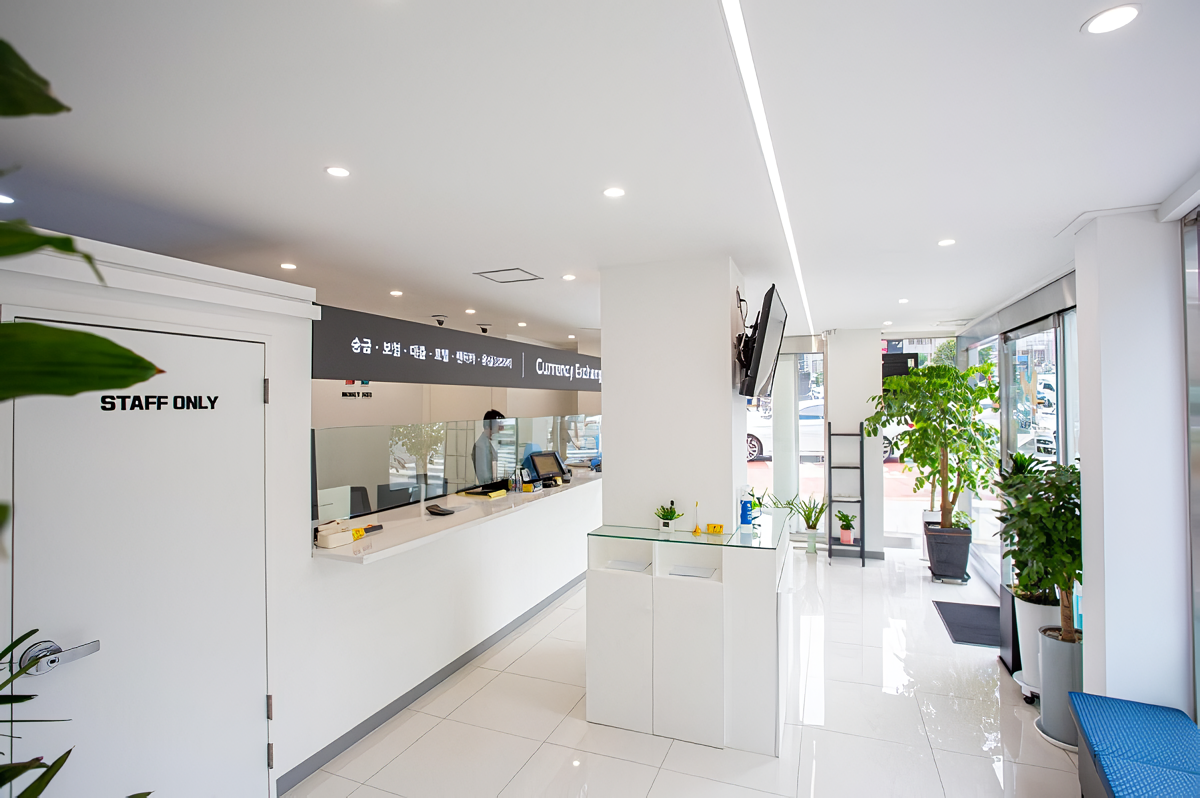
Essentials
韓国のお金と支払い
両替・ATM・支払い方法の完全ガイド
Read guide →Korean cuisine (hansik) is built around balance — fermented sides (banchan), a steaming bowl of rice, and a main dish that changes with the season. Meals are served all at once rather than in courses, and sharing dishes at the table is the norm. The depth of flavor comes from slow-fermented pastes like doenjang (soybean) and gochujang (chili), which form the backbone of soups, stews, and marinades across the country.
Gwanak-gu's university population (Seoul National University is the dominant anchor) drives a food scene of affordable restaurants, study cafés, and late-night delivery options. The local food culture is young, budget-conscious, and diverse — students from across Korea bring their regional food preferences and the restaurant scene reflects this variety.
I didn't know this place had left a review. The photo shows two karaage, but I ordered both. It was so delicious, I ordered another. The sashimi was pretty average. It's definitely not a sashimi restaurant. The karaage is definitely a restaurant. The okonomiyaki is also quite tasty. The okonomiyaki is Hiroshima-style, so I'm sure there will be quite a few people trying it for the first time. The taste is decent. There doesn't seem to be a bad dish, and it's above average. Tsukemono: Unlike the price range, they serve pickled batarazuke and lotus root, which is a real hit. The standard side dish is shrimp chips, which are super delicious. 1 star: Trust me and skip it. 2 stars: Bad. 3 stars: Average. 4 stars: I'm not sure I'd give it a 5-star rating, but I plan to visit again. 5 stars: Perfect. This place is Destiny.
Korean blogger posts. Links open original posts on Naver.