Essentials
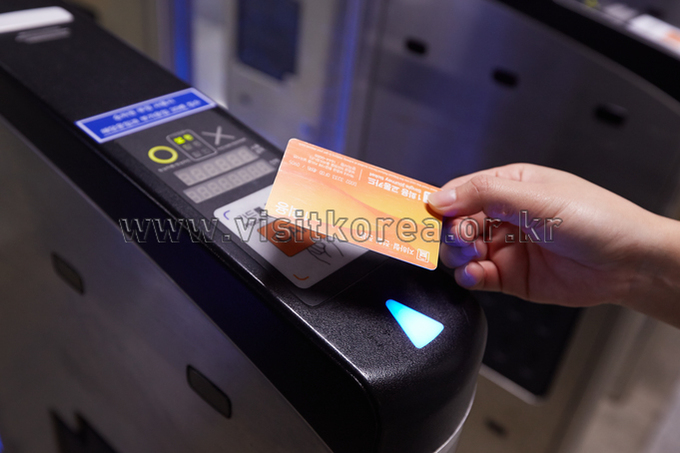
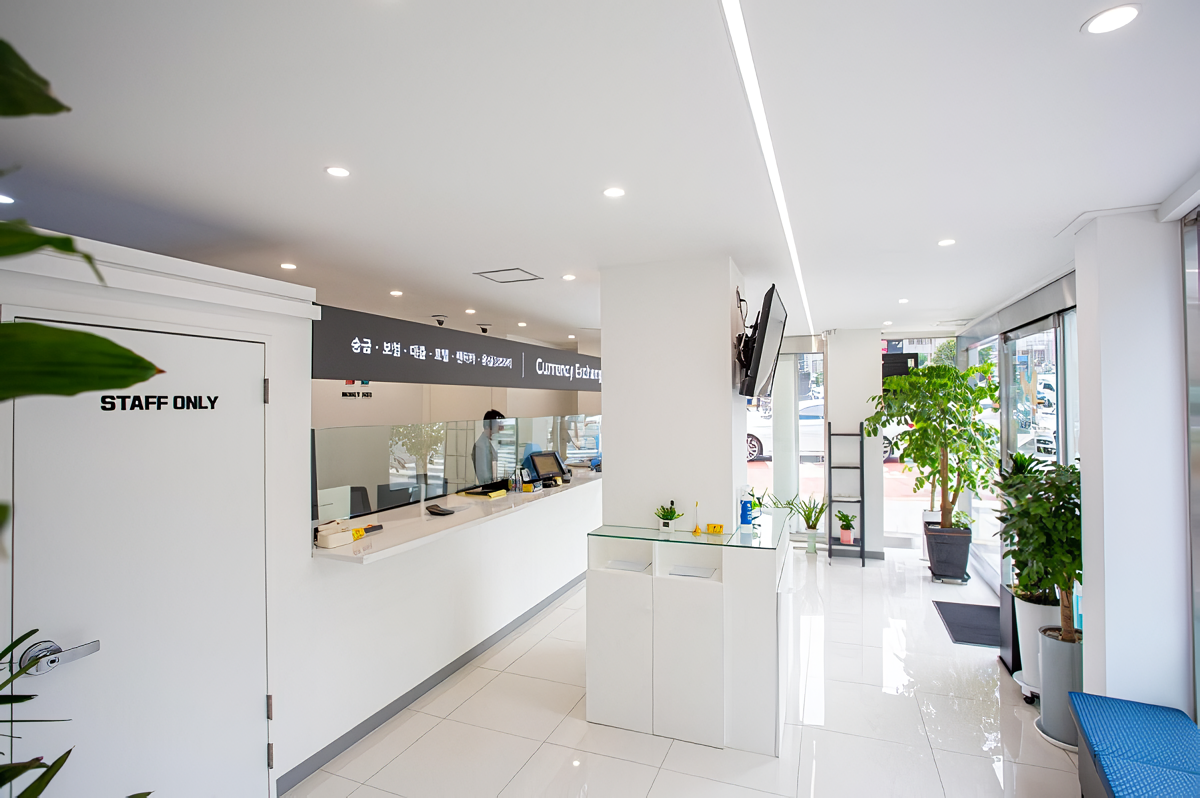
韓国のお金と支払い
両替・ATM・支払い方法の完全ガイド
Read guide →Korean cuisine (hansik) is built around balance — fermented sides (banchan), a steaming bowl of rice, and a main dish that changes with the season. Meals are served all at once rather than in courses, and sharing dishes at the table is the norm. The depth of flavor comes from slow-fermented pastes like doenjang (soybean) and gochujang (chili), which form the backbone of soups, stews, and marinades across the country.
Jongno-gu is the historic heart of Seoul, containing Gyeongbokgung Palace, Bukchon Hanok Village, and Insadong's antique street. The area balances ancient and modern — traditional Korean restaurants, teahouses, and street food vendors operate alongside contemporary galleries and specialty coffee shops. Eating here feels like a connection to centuries of Seoul food culture.
If you are near Seo-chon or Kyungbok palace area and experience Bulgogi or Korean BBQ on Sutbul fire, I cannot think up a better restaurant than Sopoong(means picnic in Korean) the best meat you can eat in Han-ok!!😍
It's nice to go on a weekday because it's quiet. The bulgogi is delicious for lunch, and it's the perfect neighborhood beef restaurant to bring your favorite wine and grill sirloin for dinner. The owner is a bit chic, but I like that kind of professionalism. Above all, the side dishes are simple and the quality of the meat is extraordinary..!!! They're good, they're good.
Korean blogger posts. Links open original posts on Naver.