Essentials
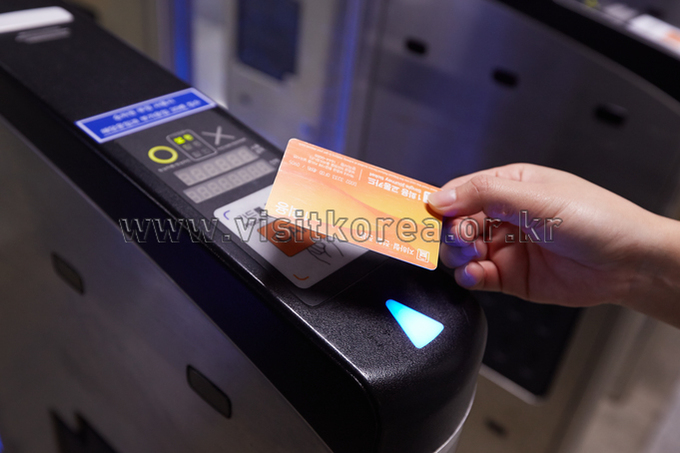
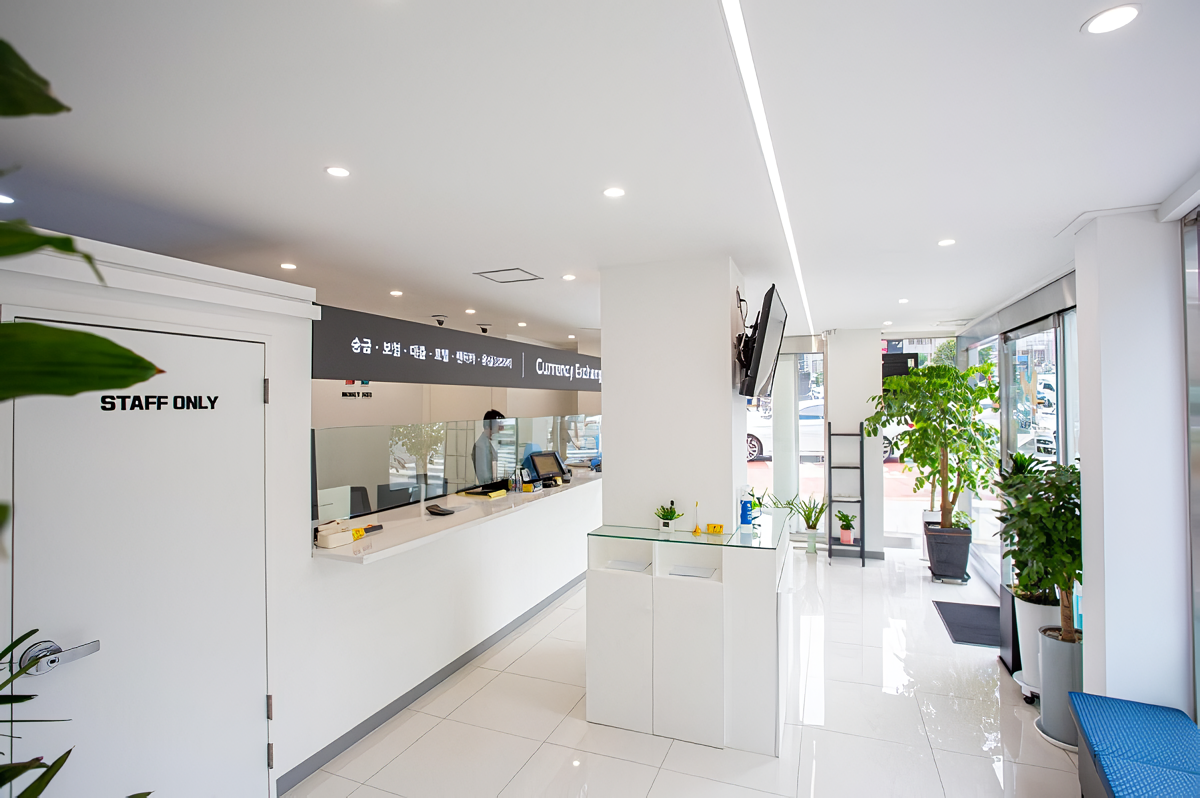
韓国のお金と支払い
両替・ATM・支払い方法の完全ガイド
Read guide →Korean cuisine (hansik) is built around balance — fermented sides (banchan), a steaming bowl of rice, and a main dish that changes with the season. Meals are served all at once rather than in courses, and sharing dishes at the table is the norm. The depth of flavor comes from slow-fermented pastes like doenjang (soybean) and gochujang (chili), which form the backbone of soups, stews, and marinades across the country.
Seongbuk-gu is home to Bukchon's quieter neighbour and Seoul's most literary neighbourhood, with independent bookshops and traditional restaurants tucked between old residential alleys. Ssangmun-dong's street food markets and the traditional teahouses of Samcheong-dong are highlights of this culturally rich but less-touristed district.
Even though I visited on a weekend, the turnover was fast and I didn't have to wait long, which was nice. The food was made with care, and the attention to detail was evident from the first bite. The staff also constantly checked on the table and attended to any needs, which was a great touch, and I was very satisfied with the service. Overall, it's definitely worth a return visit.
Korean blogger posts. Links open original posts on Naver.