Essentials
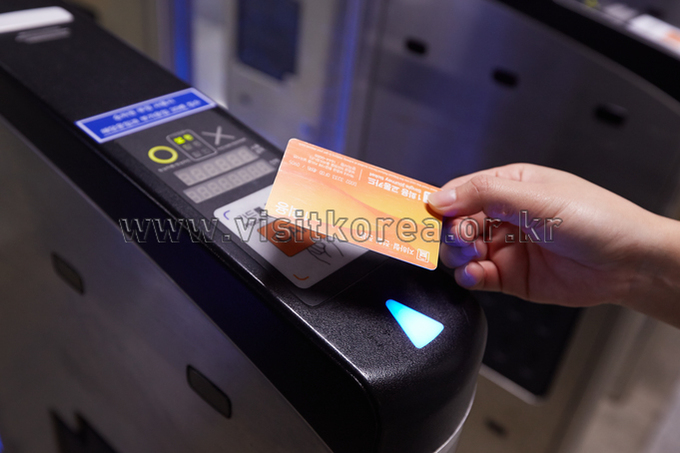
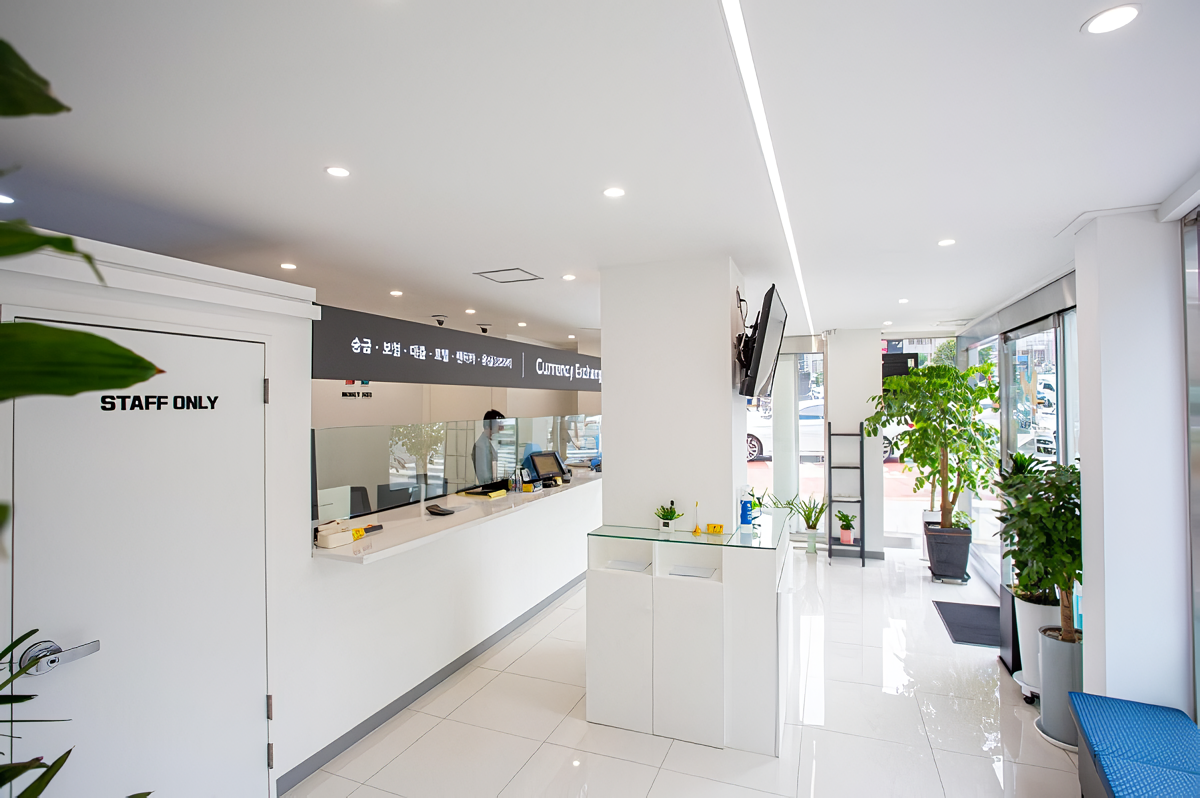
韓国のお金と支払い
両替・ATM・支払い方法の完全ガイド
Read guide →Korean cuisine (hansik) is built around balance — fermented sides (banchan), a steaming bowl of rice, and a main dish that changes with the season. Meals are served all at once rather than in courses, and sharing dishes at the table is the norm. The depth of flavor comes from slow-fermented pastes like doenjang (soybean) and gochujang (chili), which form the backbone of soups, stews, and marinades across the country.
Seocho-gu — home to Seoul's arts corridor, the Supreme Court, and upscale residential areas — has a refined dining culture to match its address. Garosugil in Seocho is particularly known for its café-lined tree canopy street. Restaurants here tend toward the polished and premium, often with outdoor terraces and wine lists to match.
I had some raw fish, raw fish soup, and two bottles of beer. I was looking forward to the summer delicacy of raw fish, raw fish, for dinner with my wife, but it was a complete disappointment. The raw fish was pre-seasoned, and it didn't taste like the delicious raw fish I know. My wife didn't want to ruin the mood of our first dinner together in a while, so she just ate it, but she was still disappointed. The soup was better. I paid a little over 150,000 won, and I don't think I'll be going back.
I went there on a recommendation, and it was the old Yuseon Restaurant. We ordered raw minnow, pancaked minnow, braised hairtail, and clear minnow soup. Considering the amount of food served for the price, it felt a bit inadequate. A fishhook came out while I was eating the minnow soup, but the owner's nonchalant attitude was disappointing. I could see from my room that he handed the fishhook to an employee and then immediately gave it to the owner. When it came time to pay, he lied, saying it was in the store next door and only found out when I was paying, trying to gloss over it. Is it really that hard to say sorry?
Korean blogger posts. Links open original posts on Naver.