Essentials
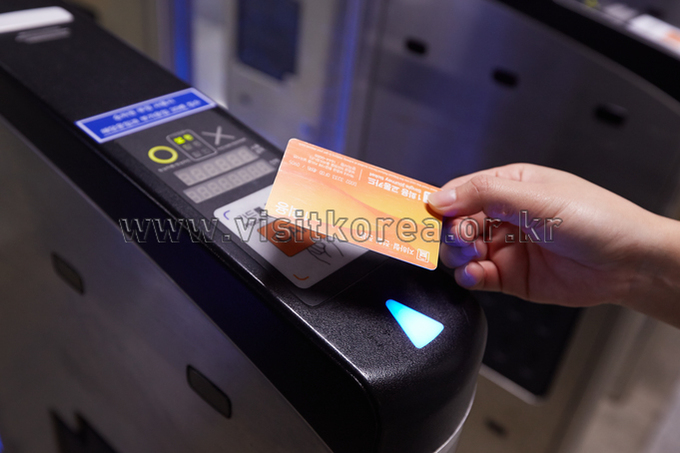
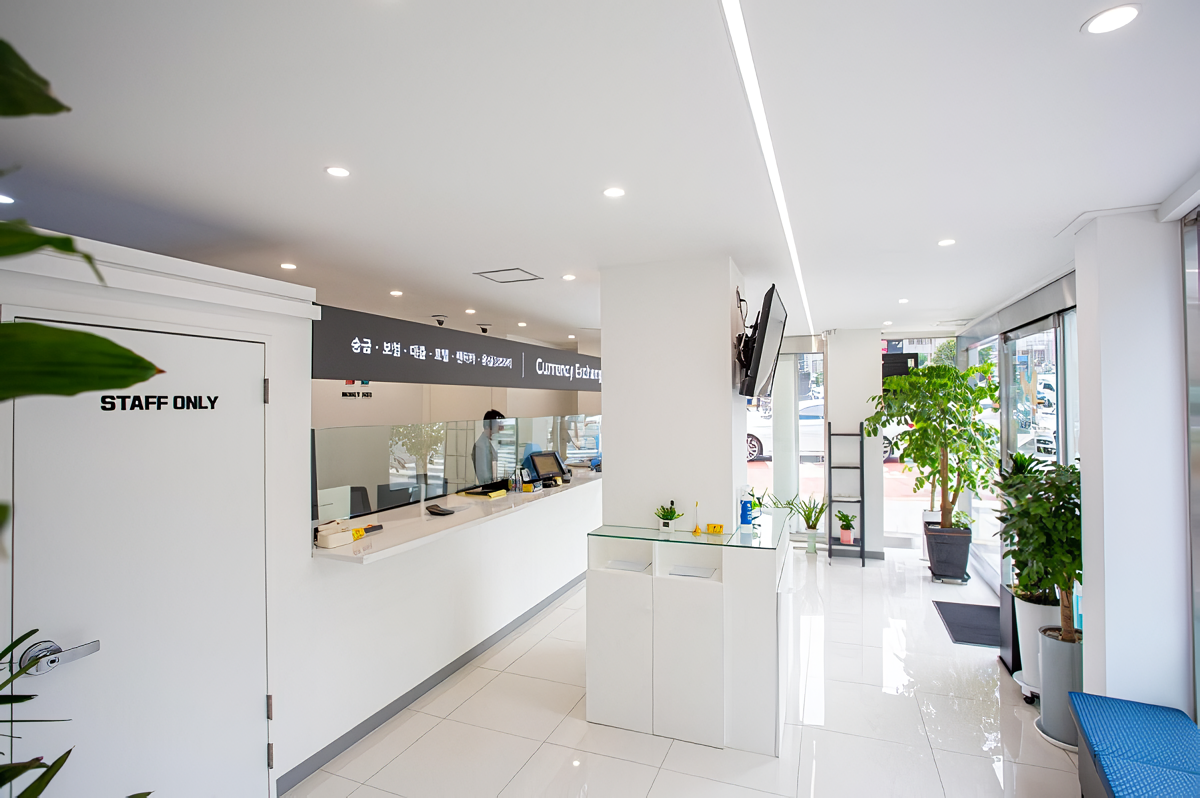
韓国のお金と支払い
両替・ATM・支払い方法の完全ガイド
Read guide →Korean cuisine (hansik) is built around balance — fermented sides (banchan), a steaming bowl of rice, and a main dish that changes with the season. Meals are served all at once rather than in courses, and sharing dishes at the table is the norm. The depth of flavor comes from slow-fermented pastes like doenjang (soybean) and gochujang (chili), which form the backbone of soups, stews, and marinades across the country.
Mapo-gu — home to Hongdae, Sinchon, and Hapjeong — is Seoul's youth and arts district, defined by its university population, live music venues, and creative energy. The food scene is diverse, affordable, and experimental: trendy cafés, late-night pojangmacha, global street food, and boundary-pushing restaurants all compete for attention in this perpetually buzzing neighbourhood.
The Lajoyuk덮밥 (spicy braised pork rice bowl) was delicious. It isn't on the regular menu, but is listed as an additional item on the wall. I really enjoyed the meal.
Korean blogger posts. Links open original posts on Naver.