韓国料理
Korean cuisine (hansik) is built around balance — fermented sides (banchan), a steaming bowl of rice, and a main dish that changes with the season. Meals are served all at once rather than in courses, and sharing dishes at the table is the norm. The depth of flavor comes from slow-fermented pastes like doenjang (soybean) and gochujang (chili), which form the backbone of soups, stews, and marinades across the country.
鍾路区
Jongno-gu is the historic heart of Seoul, containing Gyeongbokgung Palace, Bukchon Hanok Village, and Insadong's antique street. The area balances ancient and modern — traditional Korean restaurants, teahouses, and street food vendors operate alongside contemporary galleries and specialty coffee shops. Eating here feels like a connection to centuries of Seoul food culture.
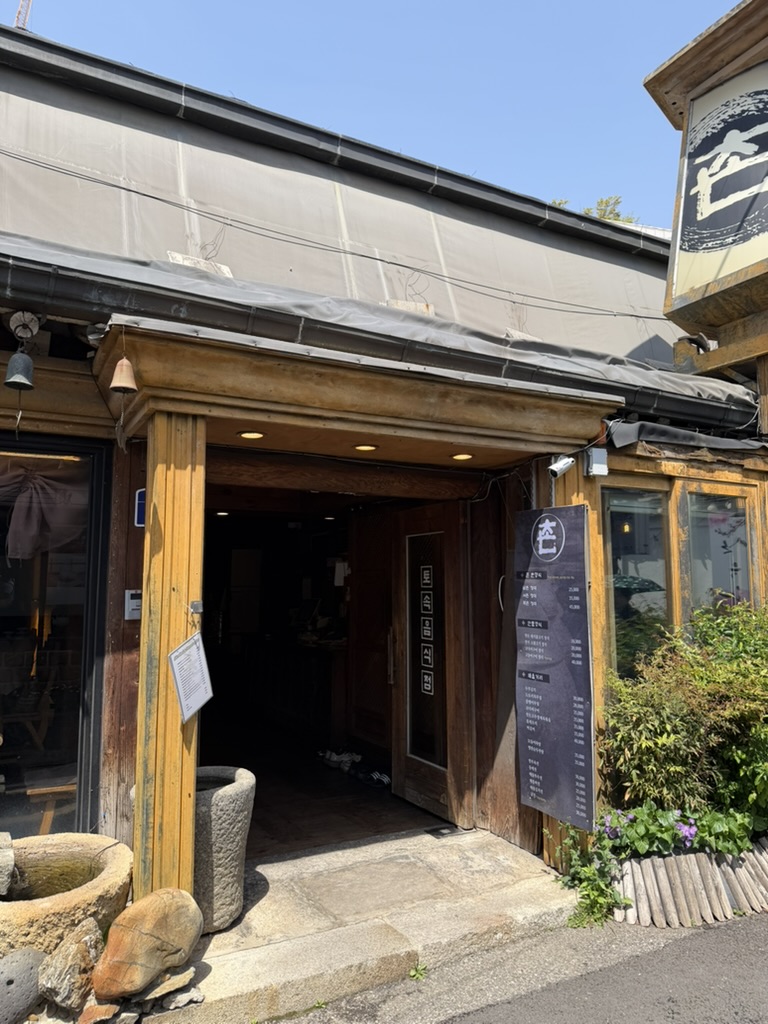
While making our way to Insadong, we happened to find this gem. Chon has a clean rustic feel filled with friendly staff. The food is reasonably priced for the amount of delicious dishes you receive. The owner helped us out and explained the menu along with drink recommendations, they didn’t disappoint. This is a great eatery for family, friends, date, or even a solo trip. Come hungry because the food is unreal. Get here quick!!!
Would recommend the set menus. Very reasonably priced and tasty food. Our meal included pork bulgogi, fried sole, rock fish stew, vegetables, black bean rice, glass noodles and more.
Korean blogger posts. Links open original posts on Naver.