Essentials
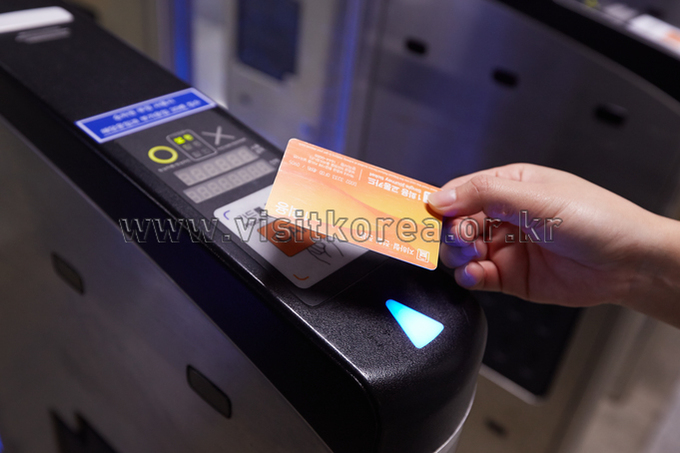
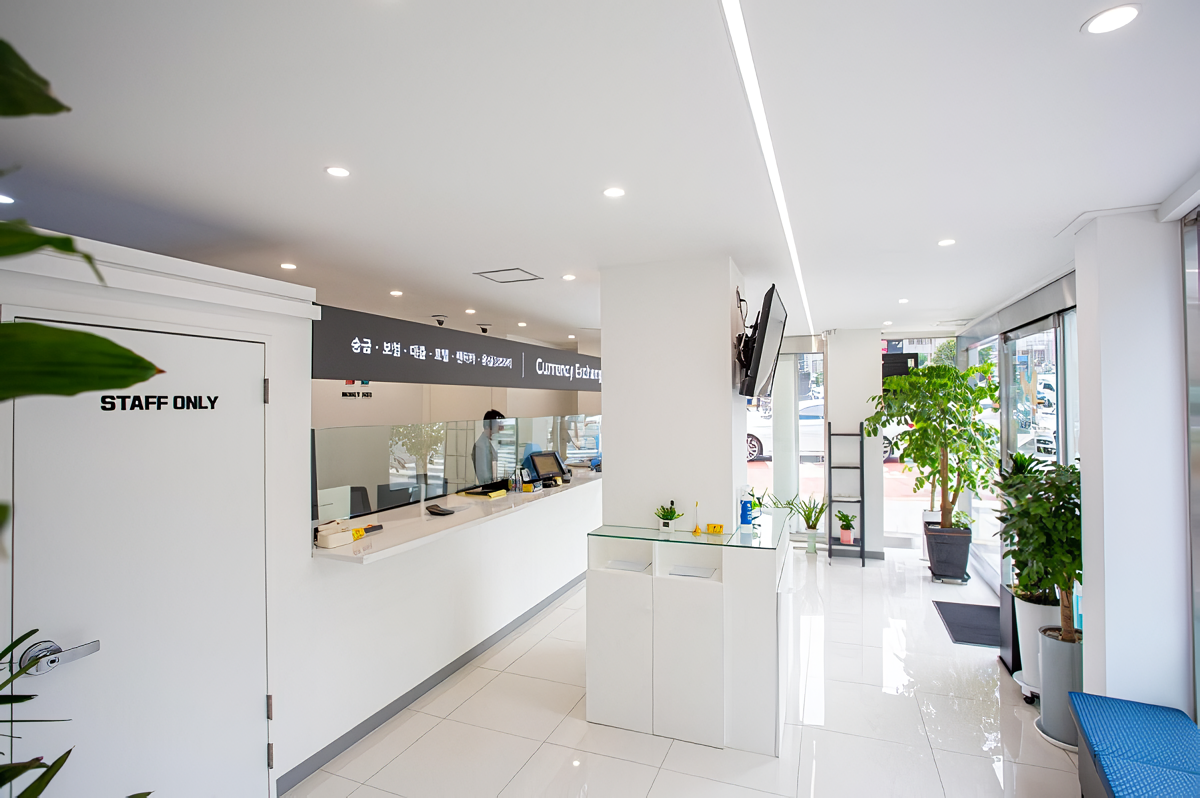
韓国のお金と支払い
両替・ATM・支払い方法の完全ガイド
Read guide →Korean cuisine (hansik) is built around balance — fermented sides (banchan), a steaming bowl of rice, and a main dish that changes with the season. Meals are served all at once rather than in courses, and sharing dishes at the table is the norm. The depth of flavor comes from slow-fermented pastes like doenjang (soybean) and gochujang (chili), which form the backbone of soups, stews, and marinades across the country.
Nowon-gu in northeastern Seoul is a large residential district known for its community-focused dining culture. Local restaurants here serve the kinds of meals families eat daily — doenjang jjigae, guk-based soups, grilled fish — without the theatrics of trendier areas. It's a neighbourhood that rewards those looking for genuine everyday Korean food at prices that haven't been adjusted for tourists.
This is a 24-hour gamjatang restaurant. I love the aged kimchi bone haejangguk. The food comes out quickly and they're friendly. Being a 24-hour restaurant, there are some areas where hygiene is a bit lacking. However, the taste, price, and friendliness are all great, so I keep going.
The radish and barley bibimbap was 5,000 won, and I was very satisfied with the soybean paste stew. The owner was very friendly. It was delicious and healthy, which was nice.
Korean blogger posts. Links open original posts on Naver.
I go there occasionally when I crave hangover soup. On this day, I had the Special Beef Brisket Hangover Soup.