Essentials
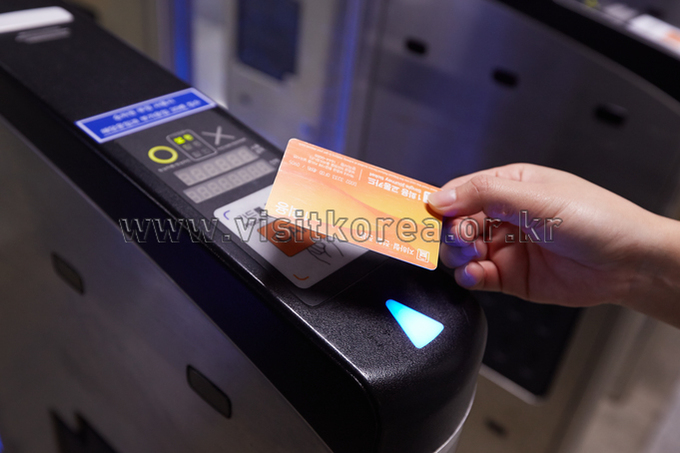
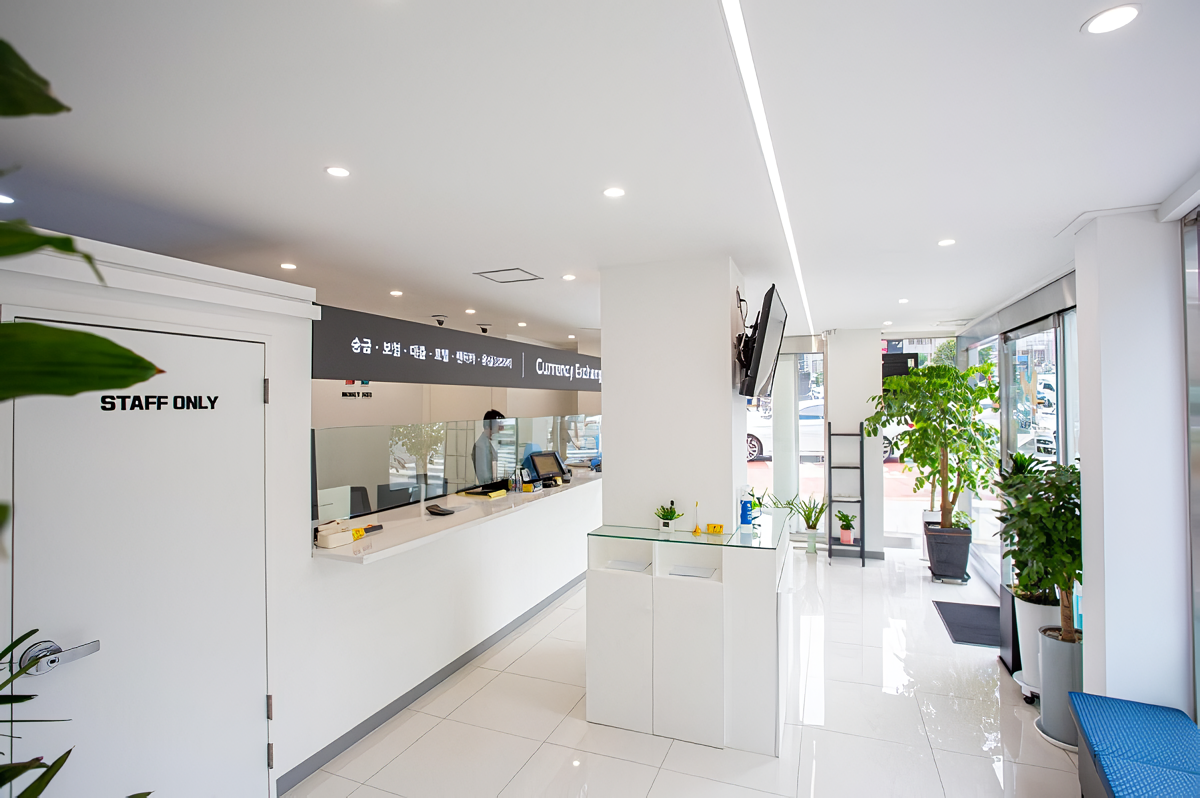
韓国のお金と支払い
両替・ATM・支払い方法の完全ガイド
Read guide →Korean cuisine (hansik) is built around balance — fermented sides (banchan), a steaming bowl of rice, and a main dish that changes with the season. Meals are served all at once rather than in courses, and sharing dishes at the table is the norm. The depth of flavor comes from slow-fermented pastes like doenjang (soybean) and gochujang (chili), which form the backbone of soups, stews, and marinades across the country.
Gwangjin-gu's Konkuk University area has a dense concentration of restaurants catering to students — affordable, diverse, and open late. The area is a reliable destination for budget Korean dining: tteokbokki, kimbap, and pork cutlet restaurants line the streets near the university gates.
I ordered the braised seafood, and it seemed tasty at first, but as I kept eating, I realized there was too much sesame oil and it was extremely greasy due to the MSG taste. Even the fried rice was greasy. Overall, it was just okay, but there were a lot of customers considering it was Saturday evening.
Even if you order just one serving, they serve it with care and it's very delicious.
Korean blogger posts. Links open original posts on Naver.