Essentials
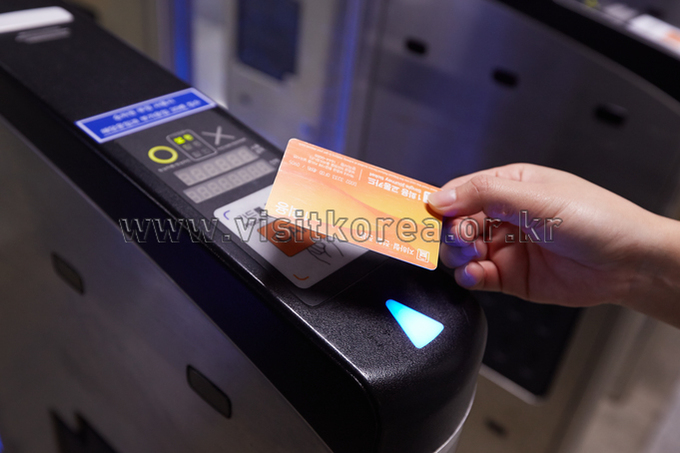
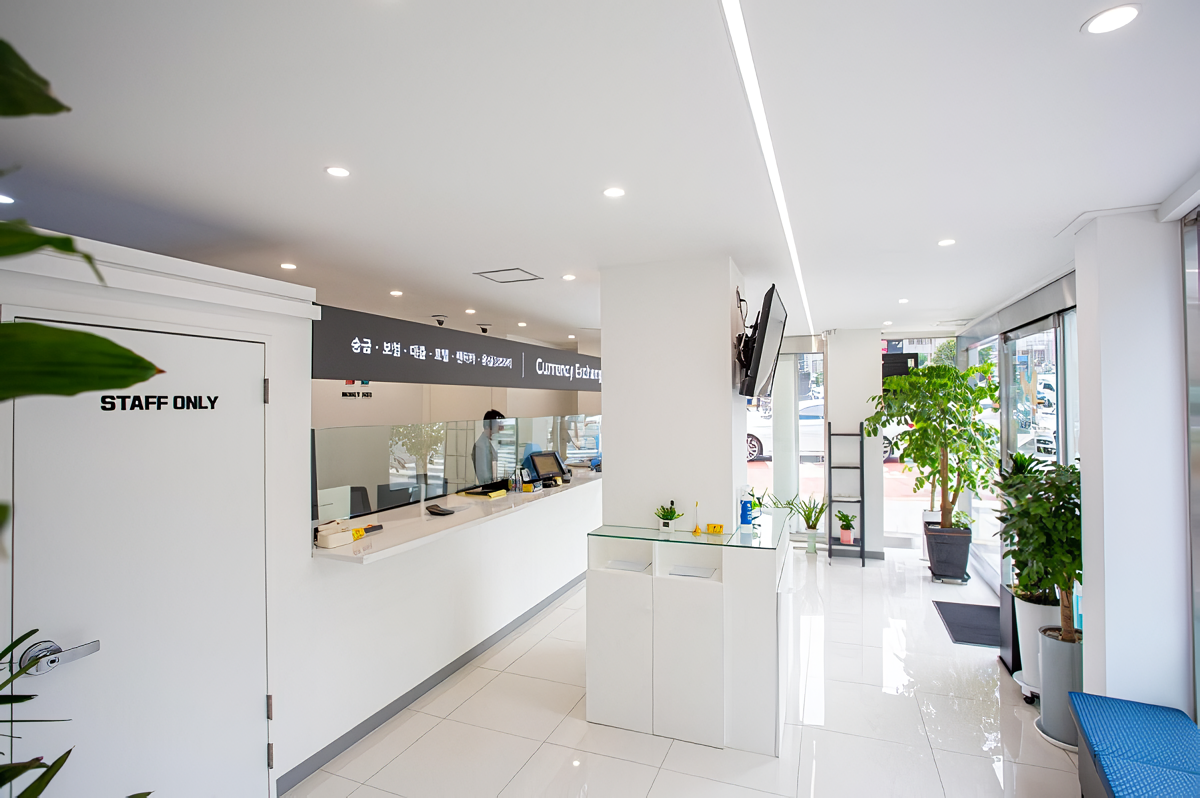
韓国のお金と支払い
両替・ATM・支払い方法の完全ガイド
Read guide →Korean cuisine (hansik) is built around balance — fermented sides (banchan), a steaming bowl of rice, and a main dish that changes with the season. Meals are served all at once rather than in courses, and sharing dishes at the table is the norm. The depth of flavor comes from slow-fermented pastes like doenjang (soybean) and gochujang (chili), which form the backbone of soups, stews, and marinades across the country.
Guro-gu is home to the Guro Digital Complex — a major tech employment hub — which has generated a vibrant lunch culture of Korean restaurants, Japanese ramen shops, and multi-cuisine food courts serving the district's daytime worker population.
The food isn't bad. The problem is that the waitstaff are very poor. With so many people and a lot of middle-aged men, it can be tiring, but they treat customers with a rough service mindset. Someone pointed this out, and it seemed to be improving for a while, but it's the same again. Even if two people go, they're sometimes turned away. Sometimes, they're told to leave if there's only room for four. Because there are so many middle-aged men, the restaurant is very noisy. They smoke in front of the restaurant, and they park recklessly nearby. The owner needs to be aware of the problem and provide service-minded training to his employees, and even the customers need to improve.
Korean blogger posts. Links open original posts on Naver.