Essentials
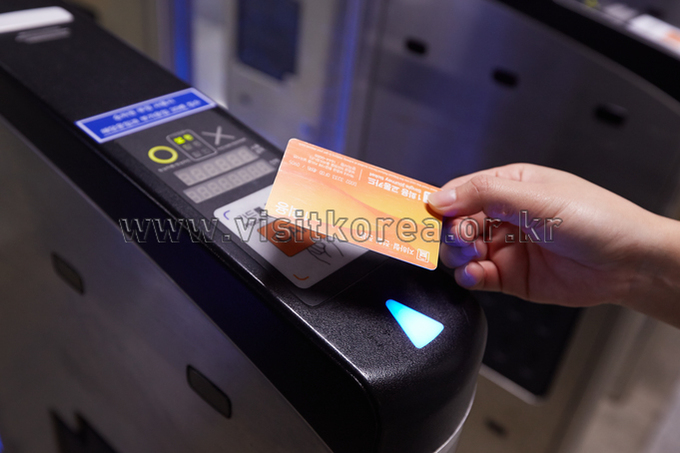
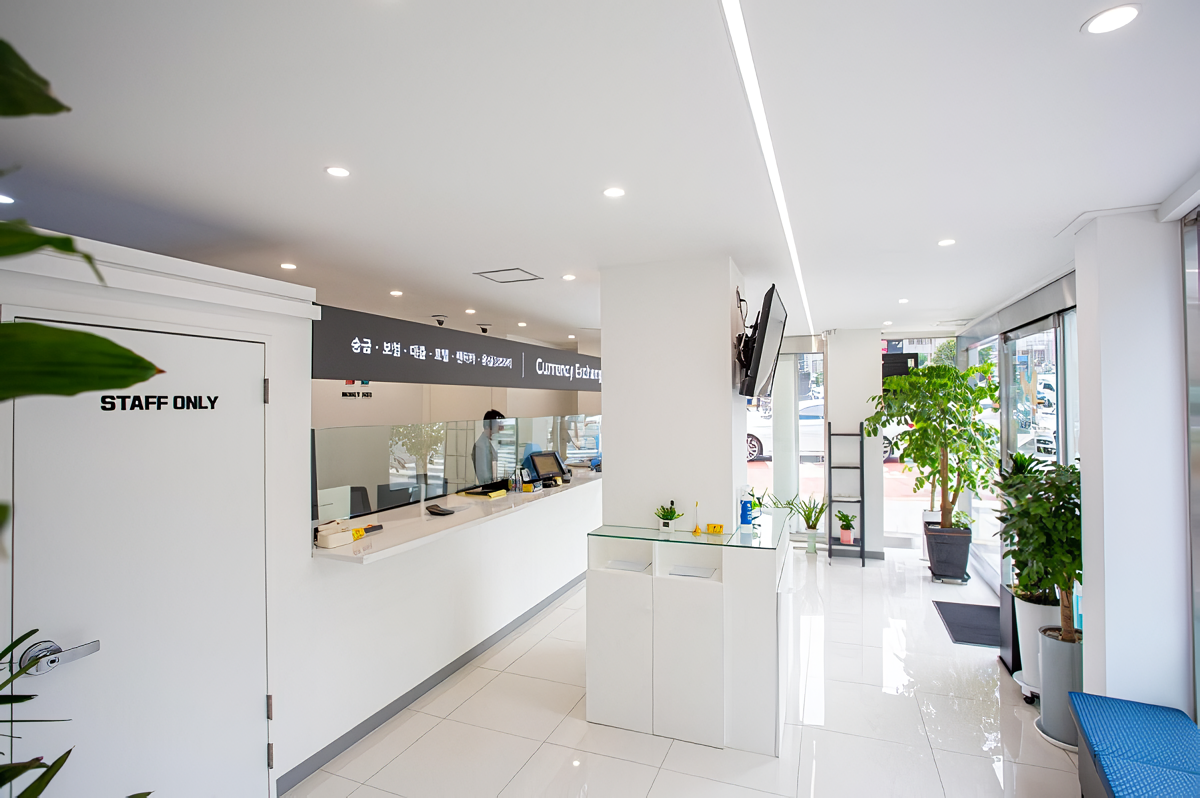
韓国のお金と支払い
両替・ATM・支払い方法の完全ガイド
Read guide →Korean cuisine (hansik) is built around balance — fermented sides (banchan), a steaming bowl of rice, and a main dish that changes with the season. Meals are served all at once rather than in courses, and sharing dishes at the table is the norm. The depth of flavor comes from slow-fermented pastes like doenjang (soybean) and gochujang (chili), which form the backbone of soups, stews, and marinades across the country.
Gangnam-gu is Seoul's upscale business and entertainment district south of the Han River. Home to K-pop entertainment companies, COEX Mall, and the Apgujeong-Rodeo shopping strip, it attracts young professionals, tourists, and K-drama fans. Restaurants here tend toward the polished and premium, with a density of international cuisine, high-end Korean dining, and trendy cafés.
This was my first time trying Hanwoo. I chose this traditional restaurant, hoping for some authenticity. It seems that only ribeye was available on the menu. Some items were written on the wall in Korean, and we had difficulty translating them accurately with an app. The ajumma seemed impatient and rudely handed us a simple English menu to order from. Maybe I had high expectations, but the meat quality was not as good as I had imagined. The fried rice at the end was quite delicious though. The ajumma seemed very rushed and rude throughout the meal. Since it was our first day arriving in Seoul, the overall experience felt even more negative. Definitely not a place for tourists like me who want to slowly digest the menu or take photos of the food. The environment felt tense. Next time, I will definitely avoid places like this and opt for a more modern restaurant for Hanwoo beef instead.