Essentials
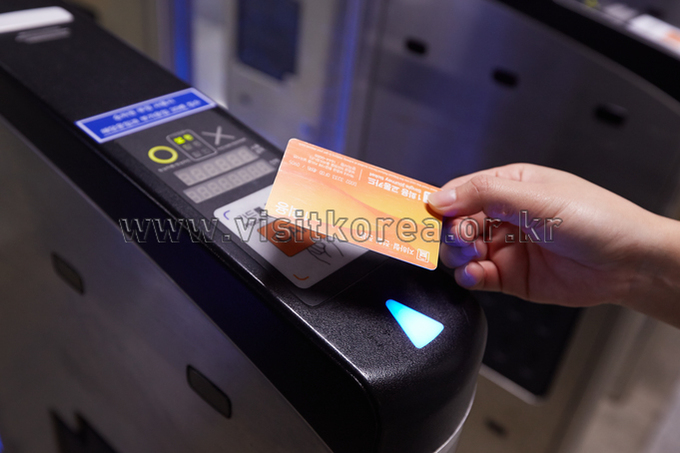
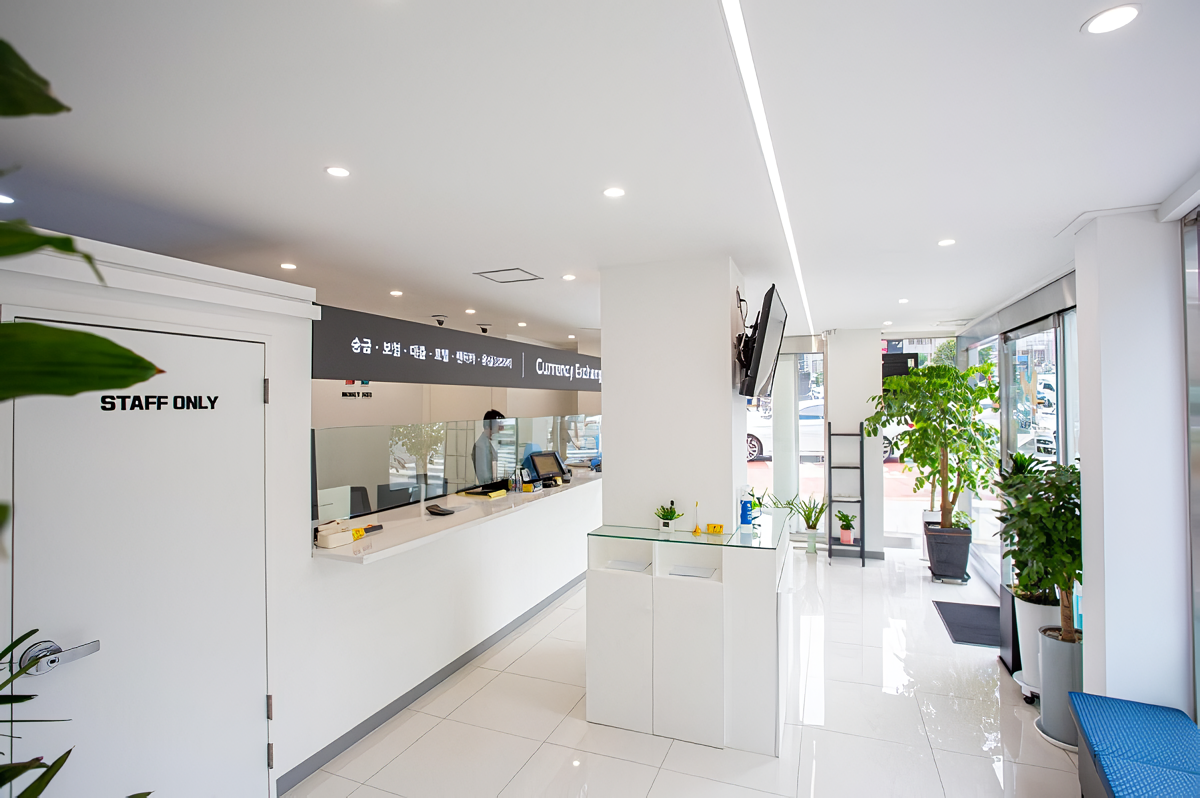
韓国のお金と支払い
両替・ATM・支払い方法の完全ガイド
Read guide →Korean cuisine (hansik) is built around balance — fermented sides (banchan), a steaming bowl of rice, and a main dish that changes with the season. Meals are served all at once rather than in courses, and sharing dishes at the table is the norm. The depth of flavor comes from slow-fermented pastes like doenjang (soybean) and gochujang (chili), which form the backbone of soups, stews, and marinades across the country.
Dongjak-gu spans the southern bank of the Han River, with Noryangjin Fish Market — one of Seoul's largest wholesale and retail seafood markets — as its defining food landmark. Eating fresh sashimi at the market itself, surrounded by tanks of live seafood, is a quintessential Seoul experience available around the clock.
When I visited the Seominjun Milbat main branch, it was so delicious that I wanted to try it again. I heard it was close to my house, so I decided to visit. The restaurant had a nice, long-established feel, and I ordered the Seoraetae Kongguksu, which looked like cement, but was incredibly rich and delicious. I'll be eating there often!
The kongguksu (noodles with soybeans) is delicious. The soybean soup is just as good as Jinju Restaurant's. The clam kalguksu (noodles with clams) is also full of savory flavor.