Essentials
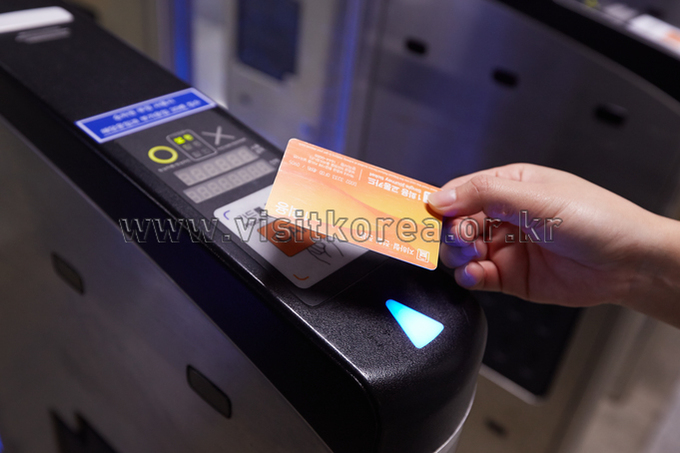
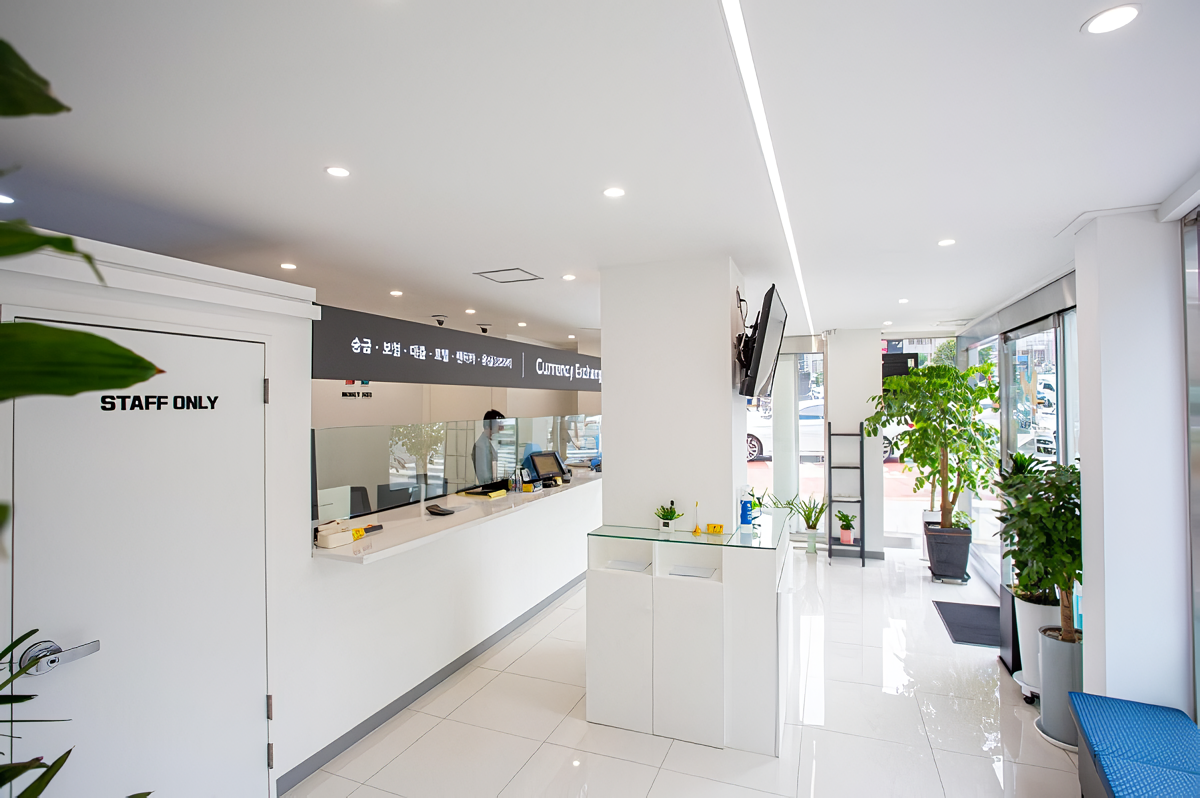
韓国のお金と支払い
両替・ATM・支払い方法の完全ガイド
Read guide →Korean cuisine (hansik) is built around balance — fermented sides (banchan), a steaming bowl of rice, and a main dish that changes with the season. Meals are served all at once rather than in courses, and sharing dishes at the table is the norm. The depth of flavor comes from slow-fermented pastes like doenjang (soybean) and gochujang (chili), which form the backbone of soups, stews, and marinades across the country.
Dongdaemun-gu is a 24-hour neighbourhood defined by its massive fashion markets, which draw wholesale buyers and night shoppers around the clock. The food scene is fast, cheap, and designed for people who eat at unconventional hours — naengmyeon restaurants that open at midnight, pojangmacha that come alive at 3am, and kalguksu shops that have served the same recipe for fifty years.
The rice tastes great, the small intestines are packed with fat, and the large intestines aren't greasy at all, so the portion of fried rice at the end is amazing.
This offal specialty restaurant is located just 10 seconds from Exit 1 of Sinseol-dong Station. They offer sets with offal such as Gopchang and Daechang, along with bean sprouts and mushrooms. The Gopchang has a nice sweetness to it, and the vegetables go well with it. The Daechang is also juicy and has a nice chewy texture. For the finale, we had red fried rice, which was delicious as it was cooked piping hot on the griddle. Sets are available for two people or more, and you can get refills of bean sprouts. You can also order additional offal. They also have cold noodles and sundubu jjigae. Thank you for the meal!
Korean blogger posts. Links open original posts on Naver.