Essentials
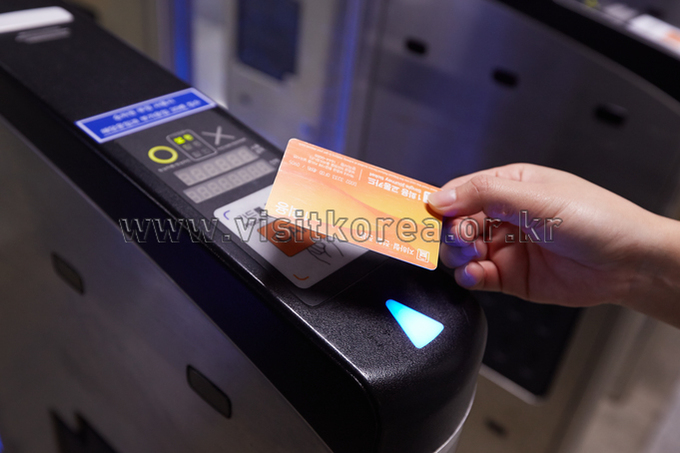
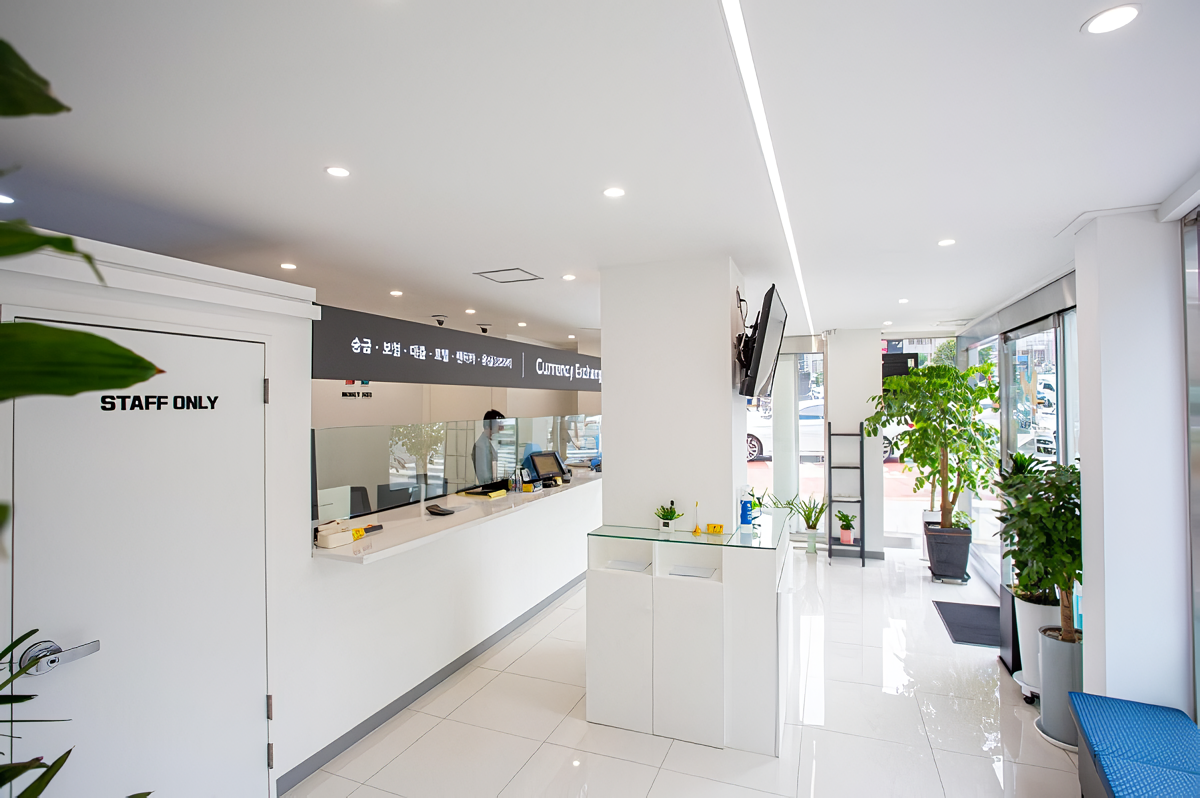
韓国のお金と支払い
両替・ATM・支払い方法の完全ガイド
Read guide →Korean cuisine (hansik) is built around balance — fermented sides (banchan), a steaming bowl of rice, and a main dish that changes with the season. Meals are served all at once rather than in courses, and sharing dishes at the table is the norm. The depth of flavor comes from slow-fermented pastes like doenjang (soybean) and gochujang (chili), which form the backbone of soups, stews, and marinades across the country.
Dobong-gu in northern Seoul is a predominantly residential district adjacent to Dobongsan Mountain. The local food scene centres on community restaurants and street food vendors rather than tourist-facing establishments, offering an authentic view of how Seoul residents actually eat on a daily basis.
The complimentary refillable beef soup was a standout; rich, flavorful, and surprisingly generous with beef chunks. Easily better than similar soups I’ve had elsewhere. The lady who helped me was also very kind and welcoming, which made the experience even more pleasant. The Tang Tang Yukhoe and Bibimbap were both enjoyable, though the beef could benefit from a touch of sesame oil for deeper flavor. Asking for gochujang (available upon request) helped elevate the bibimbap nicely. For the best bite, make wraps with the Tang Tang Yukhoe with seaweed laver, garlic, peppers, and samjang; the flavour combination is out of this world. With no wait time and a satisfying meal overall, this spot is definitely worth visiting.
Korean blogger posts. Links open original posts on Naver.
Local Korean Food. 🍱 Bibimbap quite delicious. It might be crowded during peak hours but next to head branch, they have second restaurant as well. 👍
Again another super friendly place....great testing beef tartare... The free soup was even more fantastic.... Bimbimbab was also on point.... Sorry we used the bowls for the magoli for our beef.... Haha.... Not to be missed.....