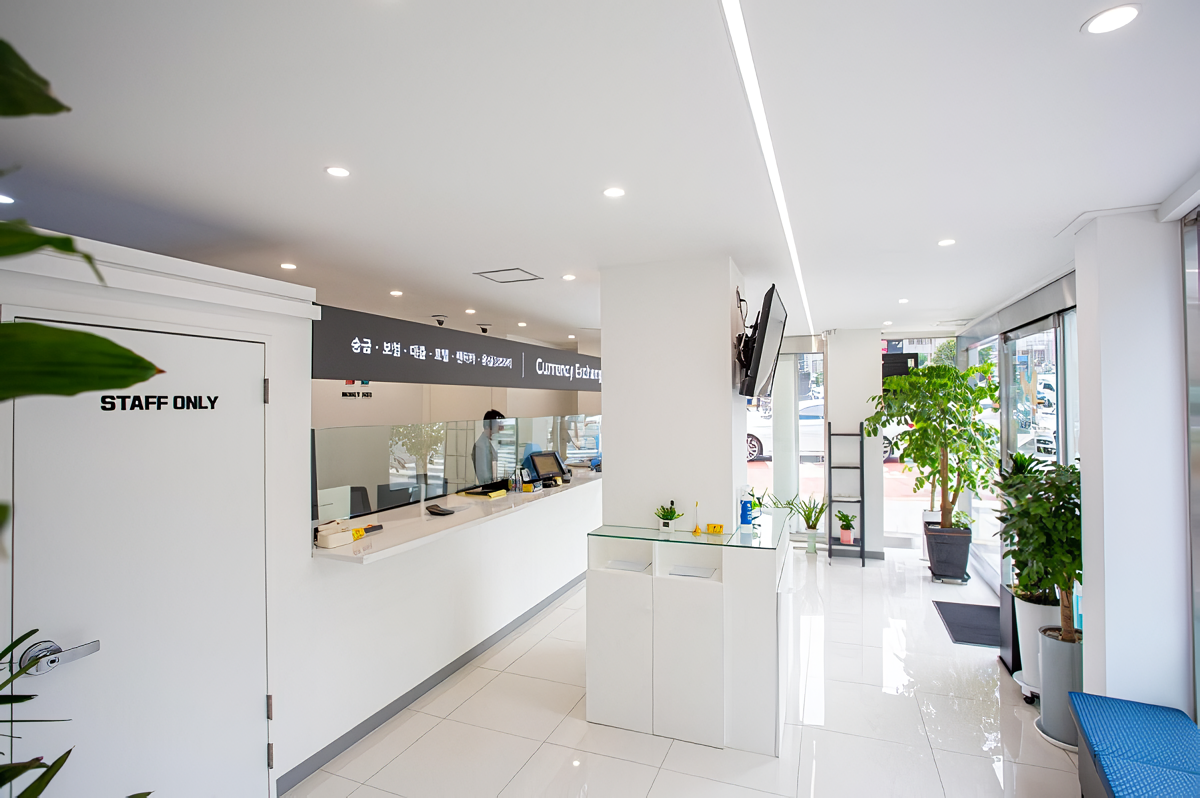
Essentials
Money in Korea
Best exchange rates, ATMs & how to pay
Read guide →Korean cuisine (hansik) is built around balance — fermented sides (banchan), a steaming bowl of rice, and a main dish that changes with the season. Meals are served all at once rather than in courses, and sharing dishes at the table is the norm. The depth of flavor comes from slow-fermented pastes like doenjang (soybean) and gochujang (chili), which form the backbone of soups, stews, and marinades across the country.
Gwanak-gu's university population (Seoul National University is the dominant anchor) drives a food scene of affordable restaurants, study cafés, and late-night delivery options. The local food culture is young, budget-conscious, and diverse — students from across Korea bring their regional food preferences and the restaurant scene reflects this variety.
A variety of sashimi and side dishes are available. The flounder sashimi is recommended. The owner's speech is really off-putting. It's not like he's tsundere, but rather seems to be hurtful and hurtful. The customers are mostly friendly twenty-somethings. I wouldn't go back.
The owner answers customers' questions about the menu with great pride Taste is average Restaurant for people in their 20s Atmosphere is good
Korean blogger posts. Links open original posts on Naver.