Best Historic Sites in Busan
Historic Palaces, Temples & Ancient Ruins
Explore Busan's most significant historic palaces, temples & ancient ruins. Learn about Korea's rich heritage and plan your visit.
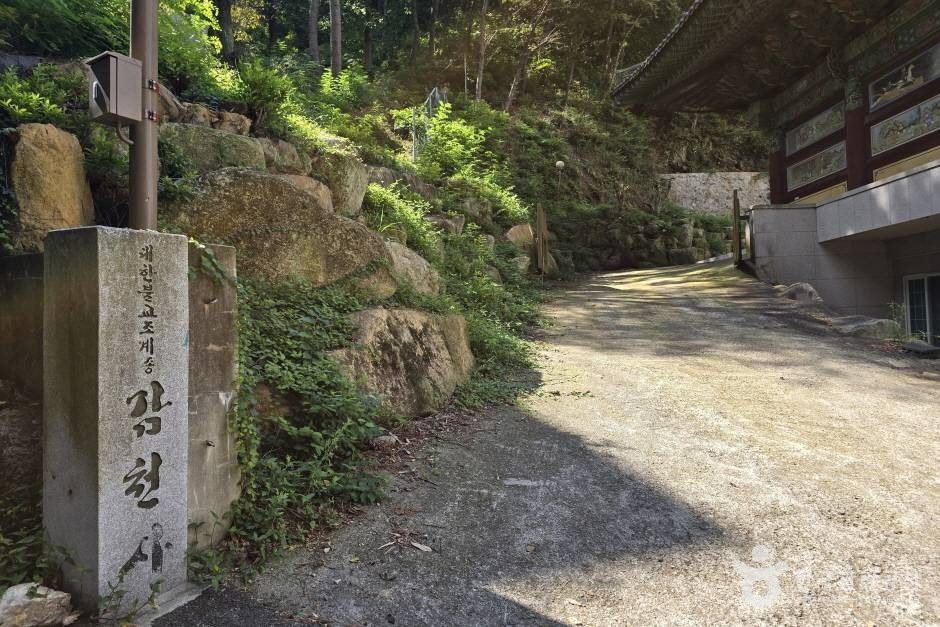
Gamcheonsa Temple
감천사(부산)
Gamcheonsa, a small nuns' practice temple below Myobongsan in Yeonsan-dong, is known for spring water that never dries even in drought, certified as a local mineral spring, and is also famed as a Gwaneum prayer site for the Avalokitesvara enshrined in its main hall.
Historic SiteCultural
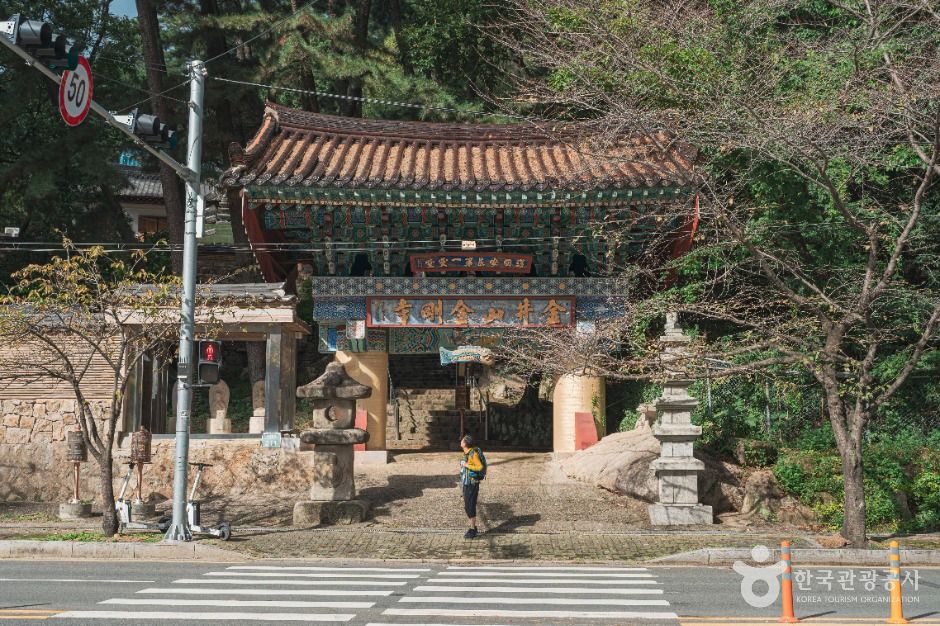
Geumgangsa Temple
금강사(부산)
Geumgangsa, founded in 1951 by the monk Wolmyeong on the southern slope of Geumjeongsan, grew under Hyeseong from 1964 into a center of international Buddhist outreach, set amid old pines and the Chabatgol tea-garden culture where visitors can rest over a cup of tea.
Historic SiteCultural
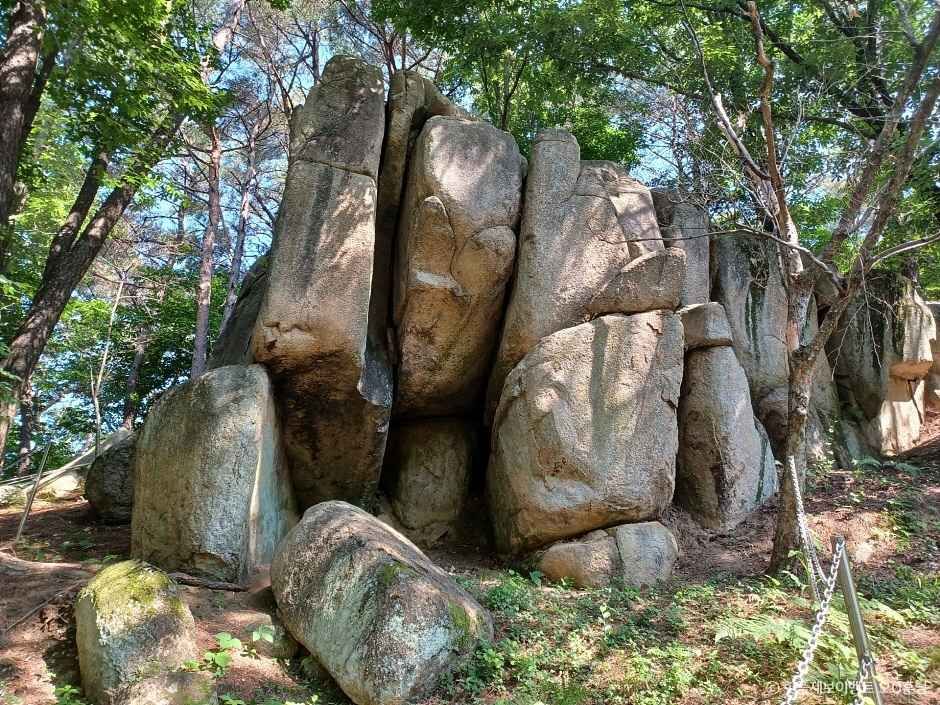
Geumgok-dong Yulli Rock Shelter Site
금곡동 율리 바위그늘유적
The Yulli rock shelter, set below the western ridge of Geumjeongsan facing the Gimhae plain across the Nakdonggang, was excavated in 1972-73, yielding late Neolithic to Bronze Age pottery and stone tools; it is a uniquely well-preserved inland mountain shelter among Busan's many shell-mound sites. (Source: Korea Heritage Service)
Historic SiteCultural
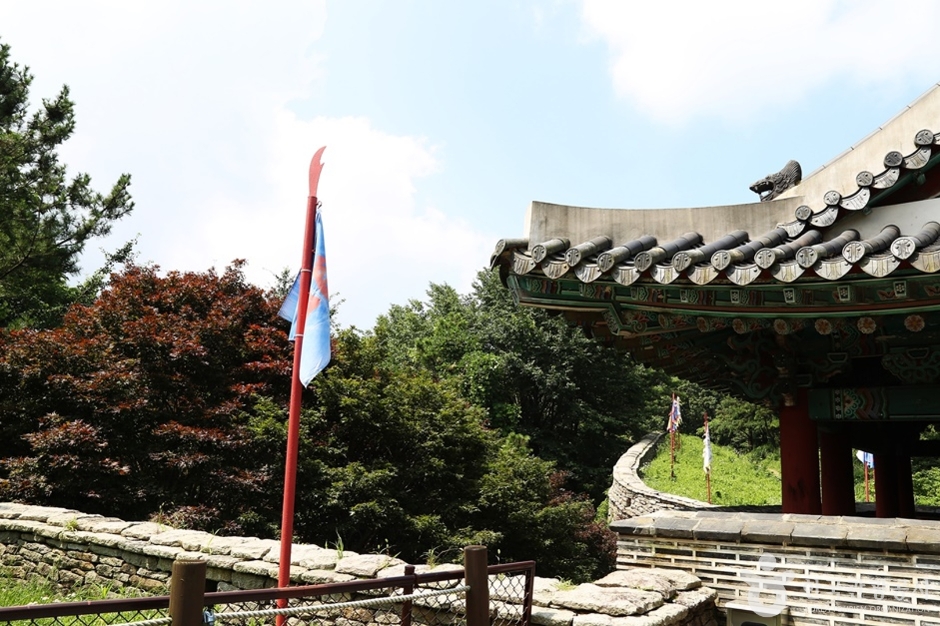
Geumjeong Fortress East Gate
금정산성 동문
The East Gate, the largest and most scenic of Geumjeong Fortress's four gatehouses, sits on a 415m ridge of Geumjeongsan and is the most accessible to visitors; an arched single-story gatehouse, it was completed in about a month in late 1807 according to the fortress construction record.
Historic SiteCultural
Geumsusa Temple
금수사(부산)
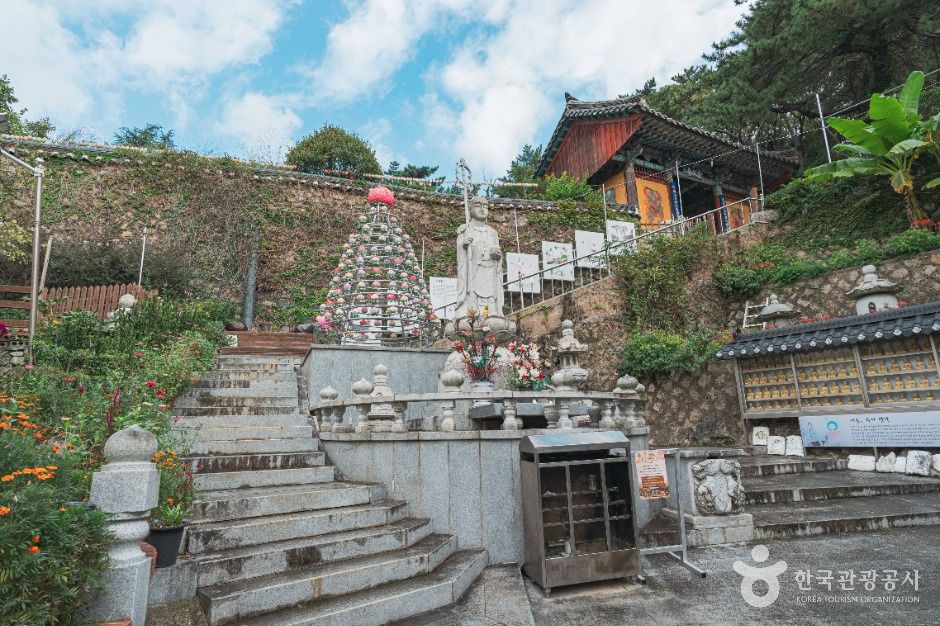
Geumsusa, a small temple below Gubongsan reachable right by a bus stop on the hillside road, is the head temple of Korea's Wonhyo Order and honors the legacy of Wonhyo; its Hoguk Yeonggak shrine holds memorial tablets of independence patriots, marking it as a patriotic temple.
Historic SiteCultural
Geumyongam Hermitage
금용암(부산)
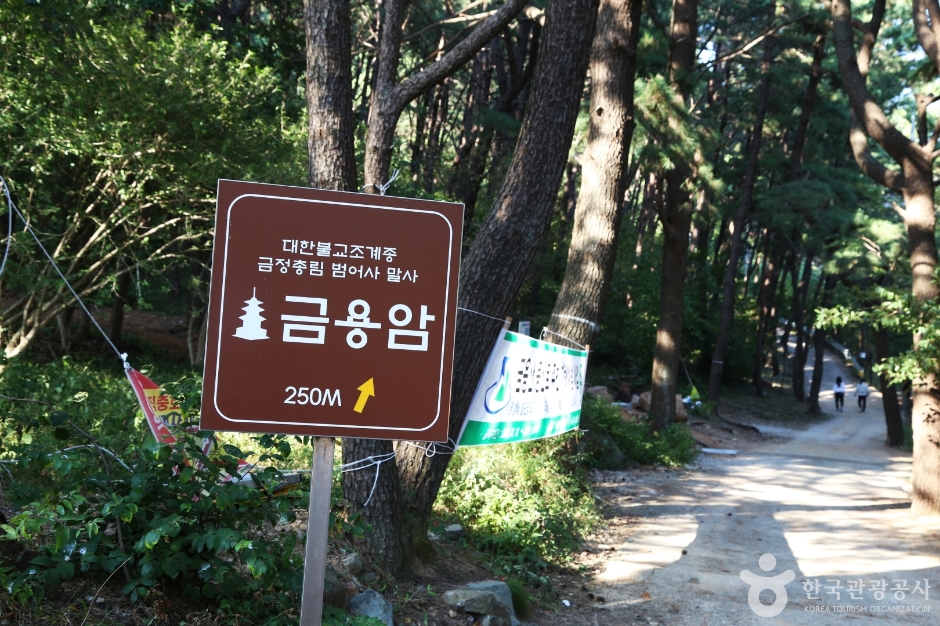
Geumyongam, a small hermitage on Soemisan named for the "golden lotus," was founded around 1919 by a Buddhist nun who built a three-bay hall here; it has a Yeomhwajeon main hall rebuilt in 1992 and a Samseonggak whose painting of three goddesses is long known for answering prayers for sons.
Historic SiteCultural
Gijang Hyanggyo Confucian School
기장향교
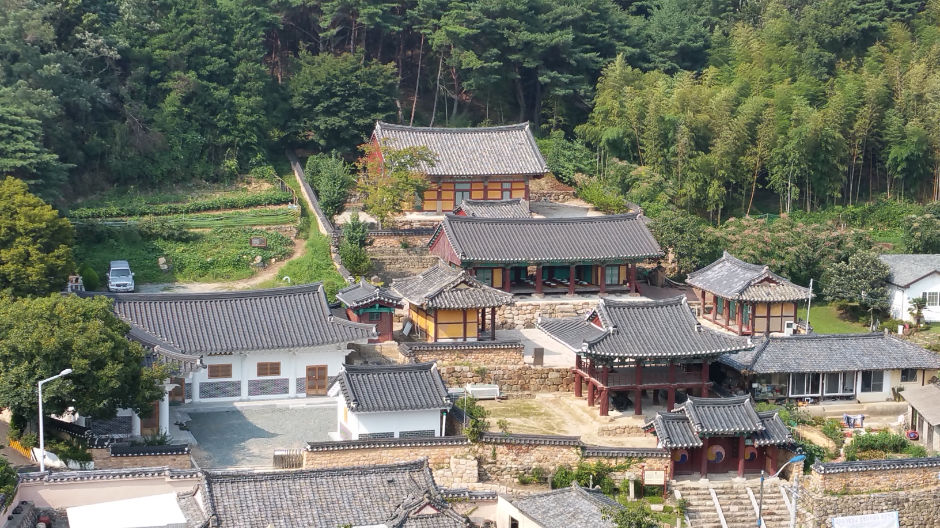
Gijang Hyanggyo, first built in 1617, has most of its present buildings dating to an 1855 restoration, laid out with the Myeongnyundang lecture hall in front and the Daeseongjeon shrine behind; once a state-supported school, it now keeps only its ancestral-rite function.
Historic SiteCultural
Gukcheongsa Temple
국청사(부산)
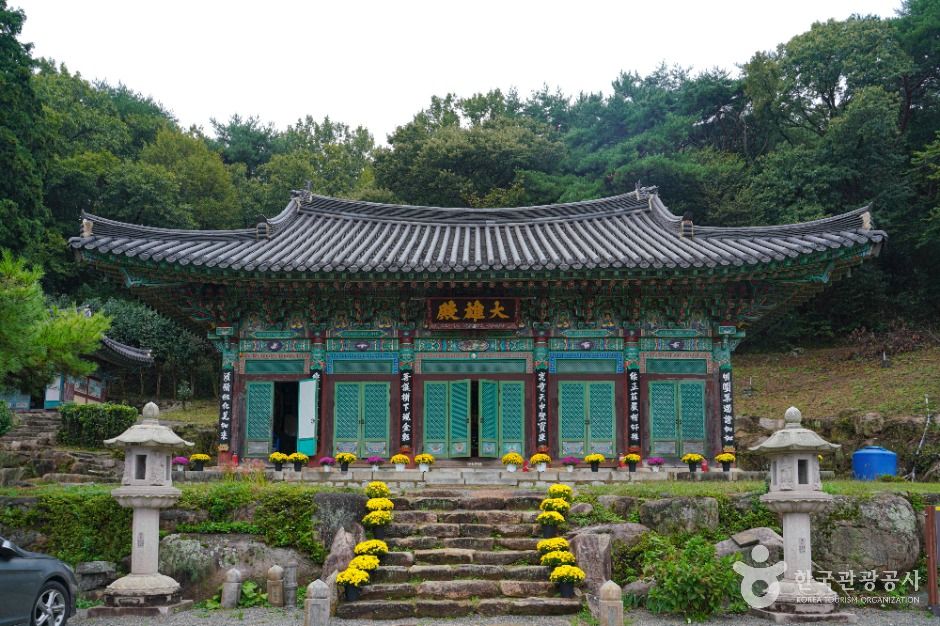
Gukcheongsa, said to be founded by Uisang and rebuilt in 1703 with the construction of Geumjeong Fortress, served as a fortress-defending temple housing a monk-soldier command; records and a preserved iron seal of the monk-general point to its role as a base of the righteous monk army.
Historic SiteCultural
Gwaneumsa Temple
관음사(부산)
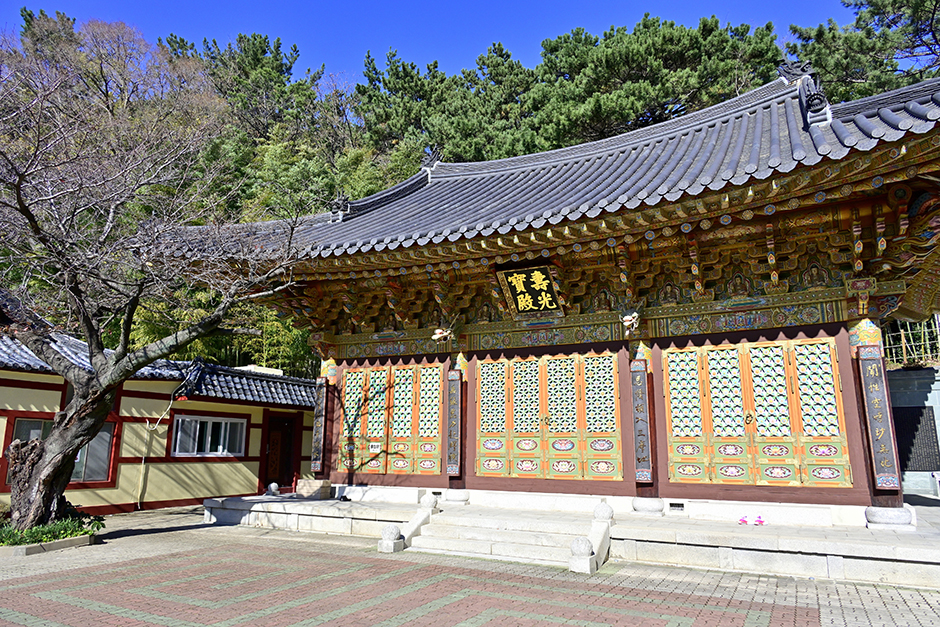
Gwaneumsa, a downtown Busan branch of Songgwangsa, was begun in 1940 by the monk Illyeon on Seunghaksan and registered as a branch in 1984; it holds the city-designated Lotus Sutra volumes 4-7, a Joseon-period reprint of a 1405 woodblock edition valued in Buddhist and bibliographic studies.
Historic SiteCultural
Gwansuok and Choryang Waegwan Site
관수옥과 초량왜관 터
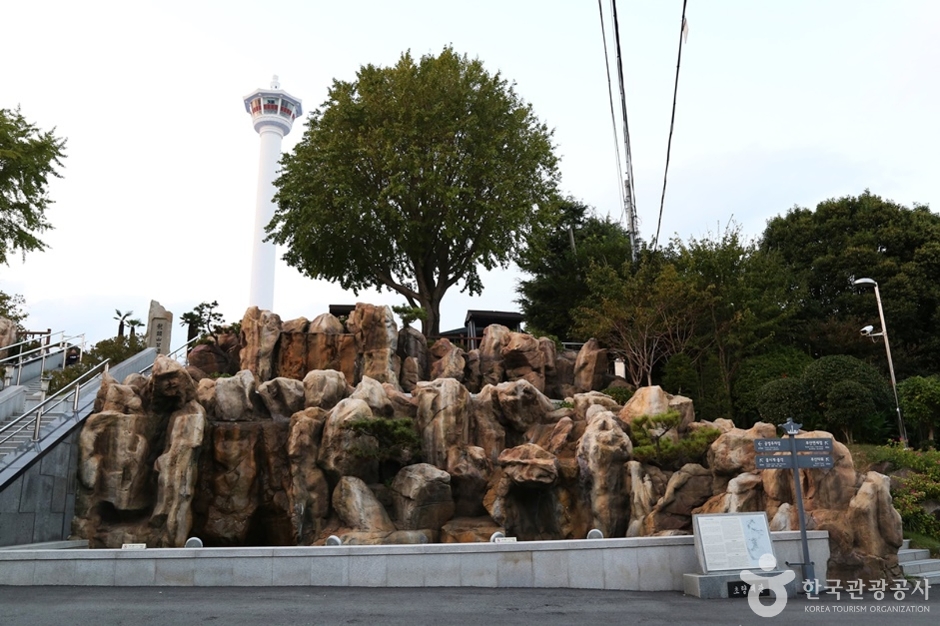
Gwansuok was the residence of the gwansu, head of the Choryang Waegwan, the Japanese trading quarter around Yongdusan that handled Korea-Japan commerce; stone steps still remain at the house site, and a marker now stands where the Waegwan once was.
Historic SiteCultural
Gyeongsang Jwasuyeong Fortress Site
경상좌수영성지
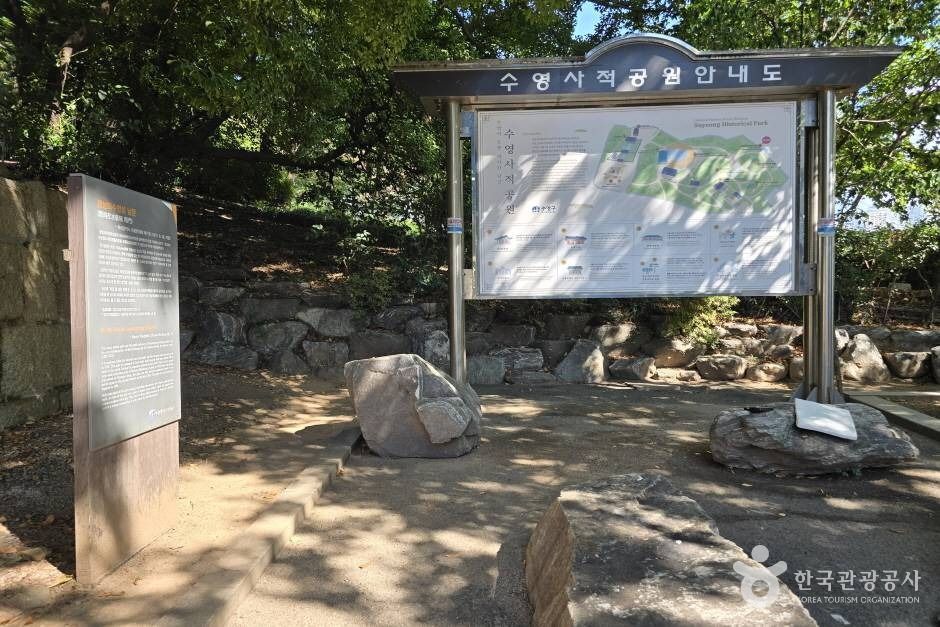
This was the base of the Gyeongsang Left Navy that guarded the southeastern coast against Japanese raids; moved to present-day Suyeong-dong before the Imjin War and rebuilt in 1692, the fortress once had four gates but now retains mainly its south gate, an arched gate, and stretches of wall.
Historic SiteCultural
Haedong Seongchwisa Temple
해동성취사
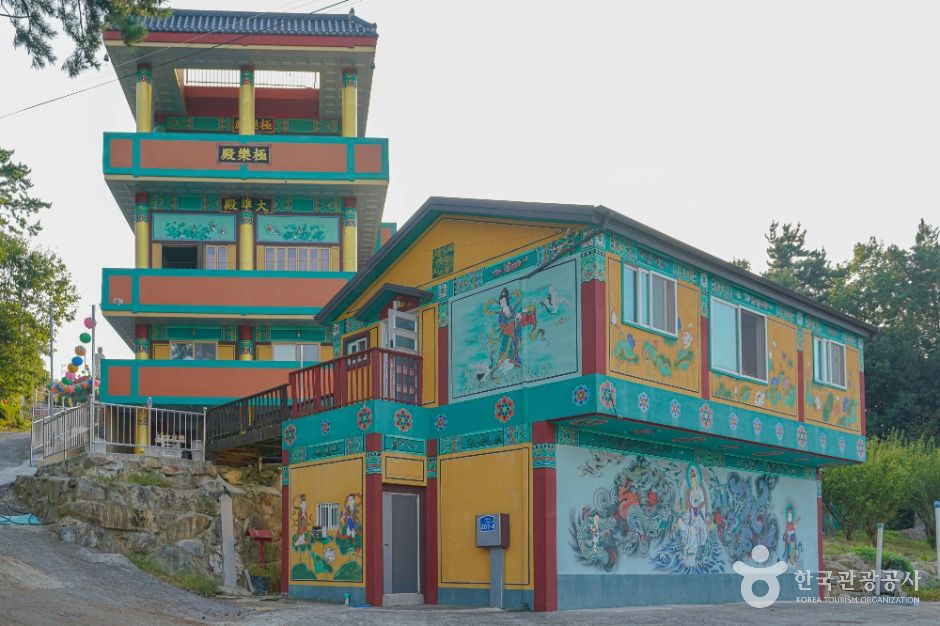
Haedong Seongchwisa in Gijang-gun, founded in 2000, has a Daeungjeon, a Jijangjeon, a monks' quarters, and a cave-shaped mountain-spirit shrine, where the resident monk preserves the Korean Buddhist chant tradition of beomeum beompae heard during rituals.
Historic SiteCultural