Best Nature Spots in Busan
Mountains, Parks & Rivers
Explore Busan's most significant mountains, parks & rivers. Learn about Korea's rich heritage and plan your visit.
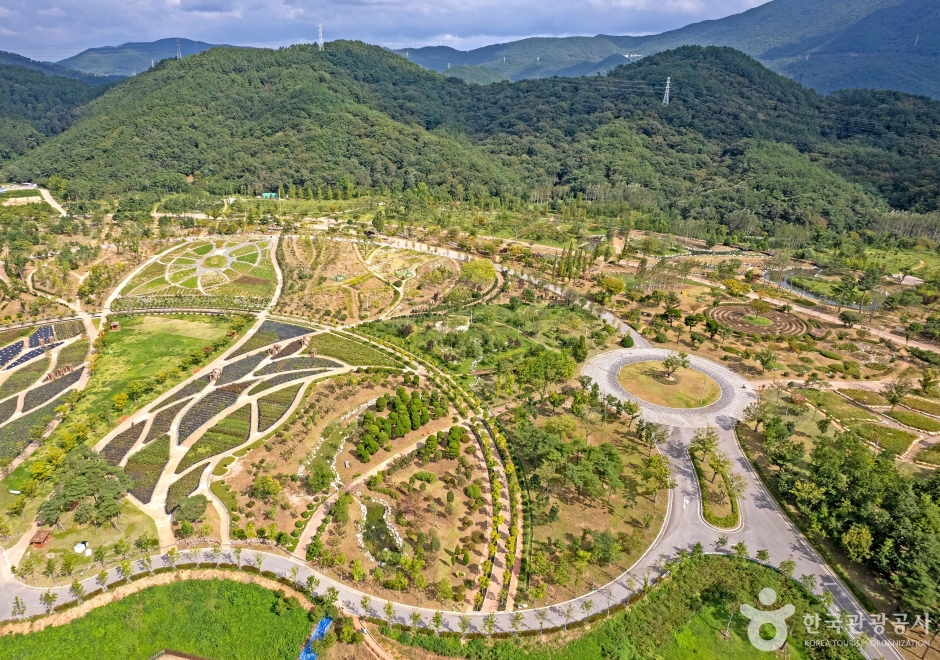
Haeundae Arboretum
해운대수목원
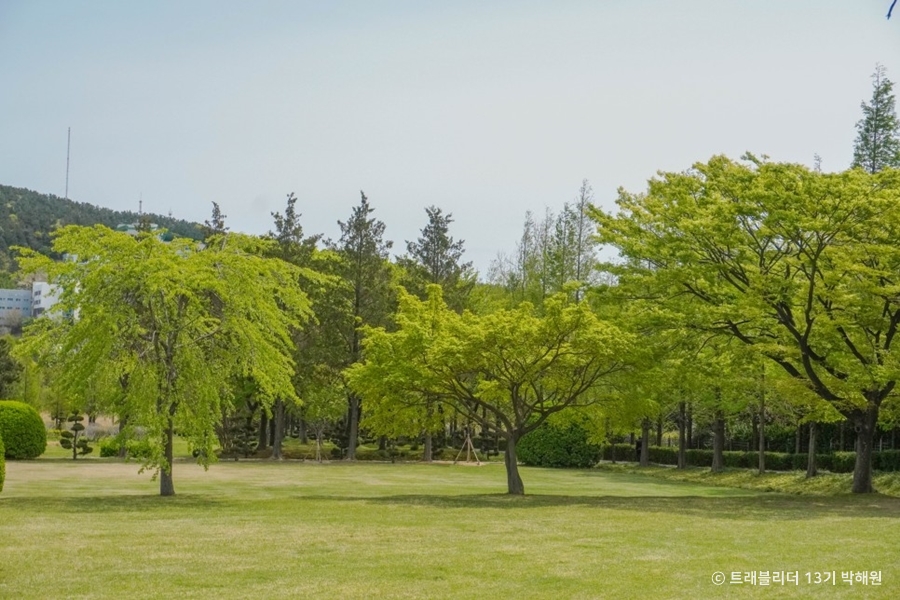
A landfill at Seokdae used from 1987 to 1993 and redeveloped into what is described as Korea's largest public arboretum, with themed areas including a Forest of Life, an herbivore zoo of donkeys and ostriches, an ecological wetland garden and a grassy lawn for families.
Nature
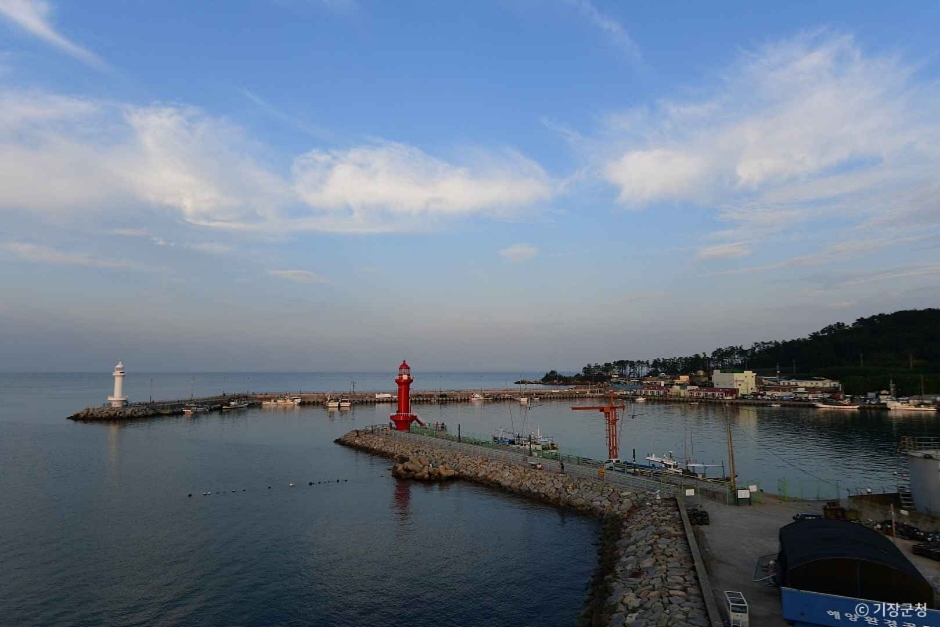
Hakri Port (Hakri Breakwater)
학리항(학리방파제)
An old fishing port in Ilgwang-myeon, Gijang-gun, the area's third-largest after Daebyeon and Chilam, with a breakwater protecting its boats, live-fish trade, a shoreline walk linking Hakri village to Ilgwang Beach, and a history as the first place in Korea to farm seaweed and kelp seedlings.
Nature
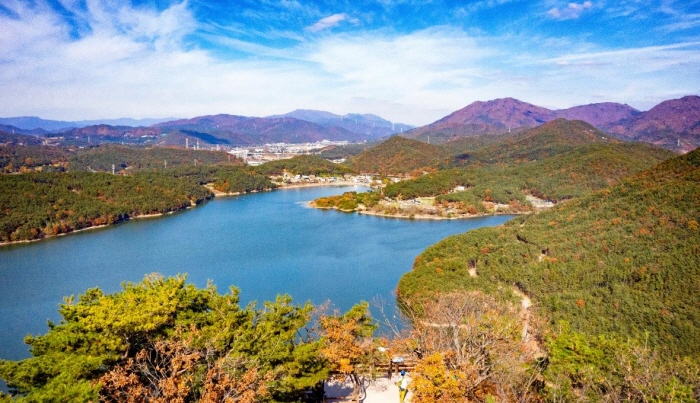
Hoedong Reservoir
회동수원지
An artificial reservoir built in the late 1930s to ease drought-driven water shortages, designated a water-source protection zone in 1964 and opened to the public in 2010, now fringed by the flat 1km Ttangmoesan ochre-forest trail on the Busan Galmaetgil 8-1 section.
Nature🥾Hiking⛰️Mountain
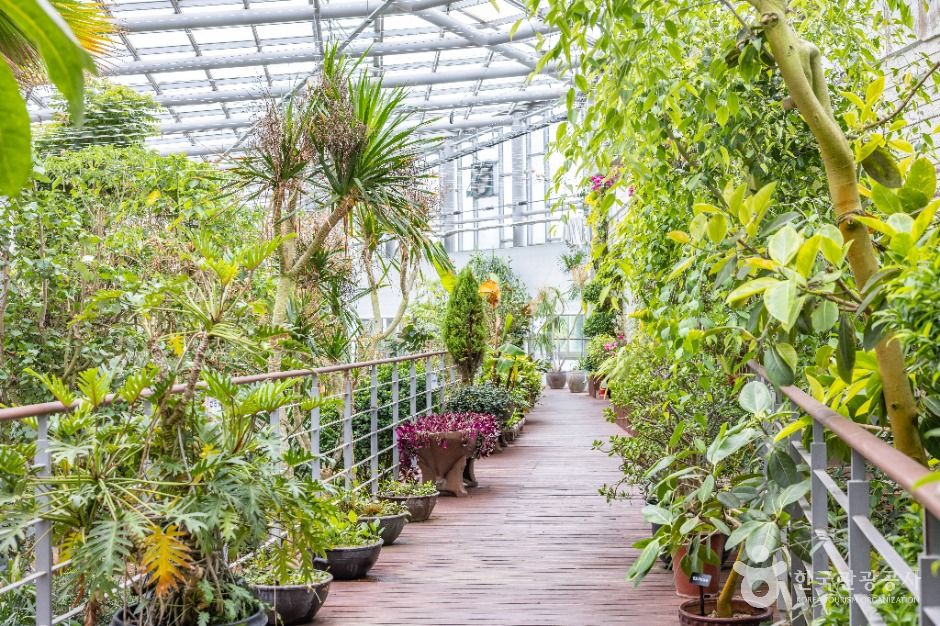
Hwamyeong Arboretum
화명수목원
Busan's first public arboretum, set on the slopes of Geumjeongsan to conserve and display tree genetic resources, with nine themed gardens plus a forest exhibition hall, greenhouse and rest areas alongside hands-on programs and visitor facilities.
Nature
Hwangnyeongsan Mountain
황령산
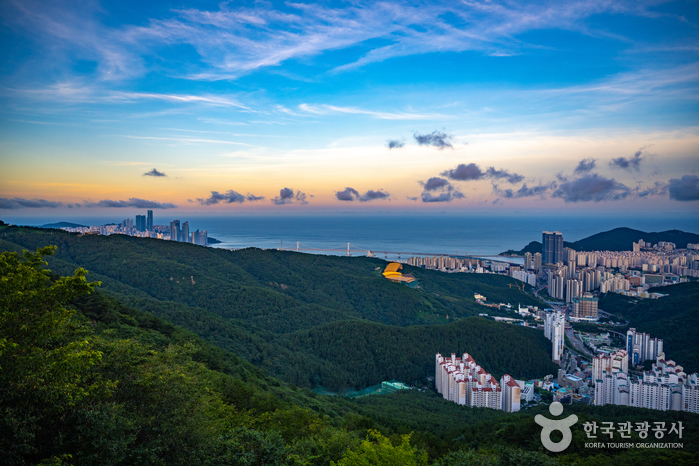
A typical city mountain rising 427m at the borders of Busanjin-gu, Nam-gu and Suyeong-gu, the second-highest in the Geumnyeon range, offering forest trails and celebrated night views and climbable in two to three hours from neighborhoods like Mangmi, Yeonsan and Jeonpo.
Nature🌃Night View🥾Hiking
Jangansa Valley
장안사계곡
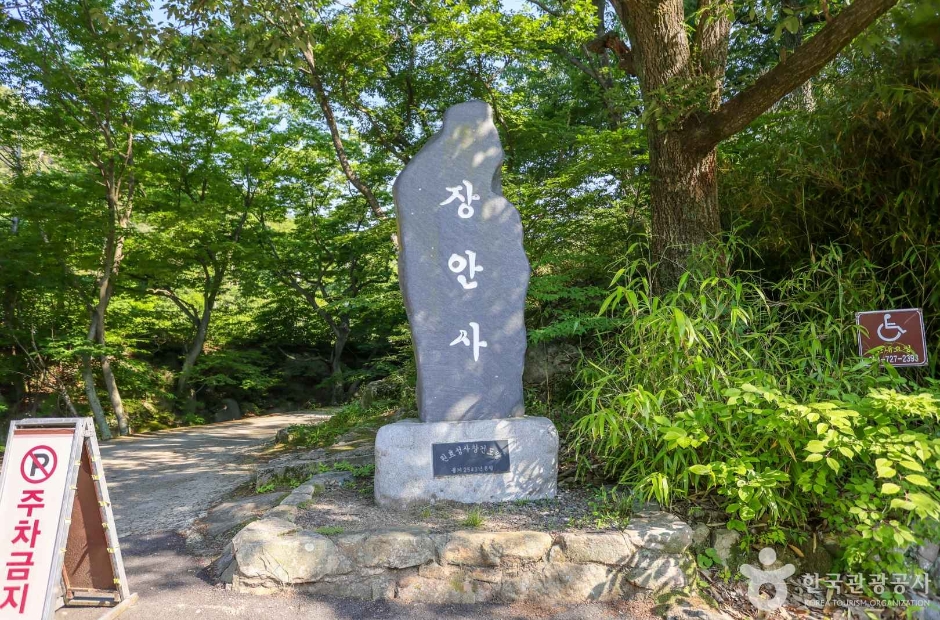
A valley below the thousand-year-old Jangansa temple, founded in 673 by the monk Wonhyo in Gijang-gun, home to fireflies that keep streetlights off until late July, where camping and cooking are banned but mat-resting under the trees and quiet forest walks on Bulgwangsan are welcomed.
Nature
Jangsan Mountain (Busan National Geopark)
장산 (부산 국가지질공원)
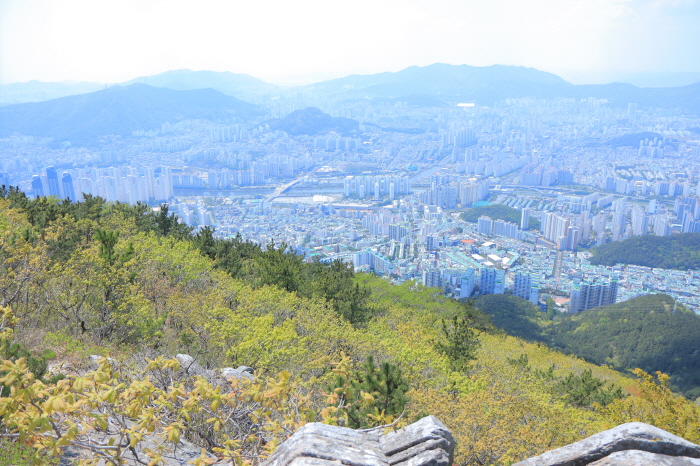
A mountain of volcanic ash, lava and pyroclastic flows rising over central Busan with views of Marine City, Gwangan Bridge and the South Sea, prized for its Cretaceous caldera collapse structure, Jangsan Falls and nine block-stream rock fields linked by the Jaesong neodeol trail.
Nature🥾Hiking⛰️Mountain
Mipo Port
미포항
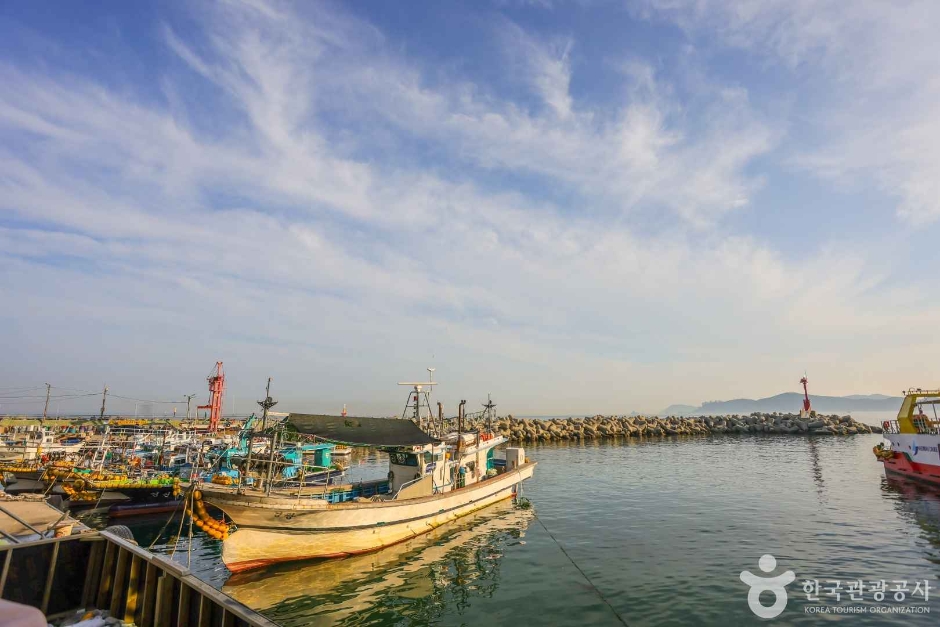
A small port at the east end of Haeundae Beach, lively from dawn with fishing boats landing their catch, known as the film "Haeundae" setting and a place to enjoy raw fish and soju by the sea, with a Donghae Nambu rail walk above and a sightseeing-cruise pier.
Nature🌃Night View
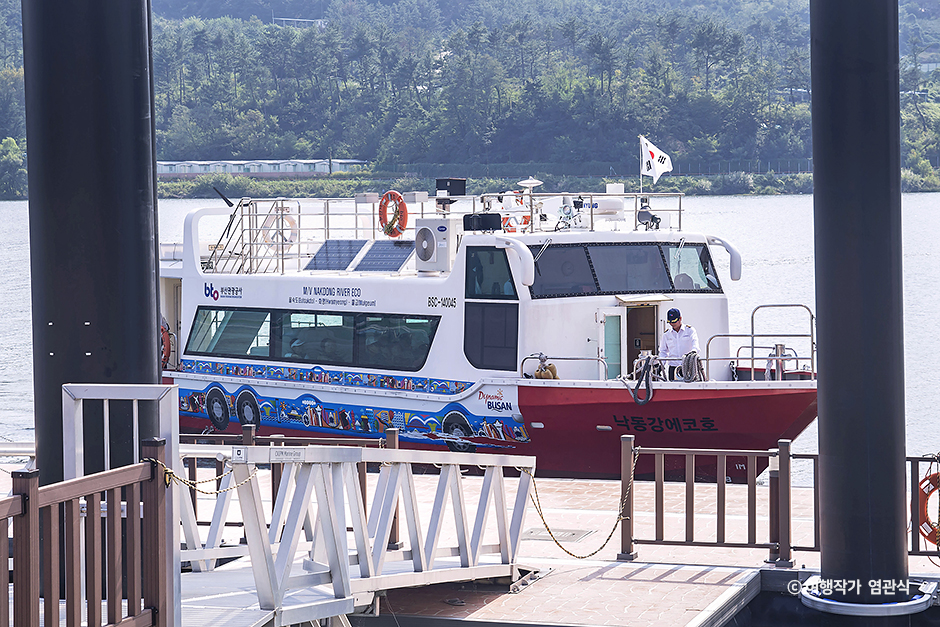
Nakdong River Eco-Tour Boat
낙동강 생태탐방선
An eco-tour boat program following the Nakdong River on Mulgeum-Daedong, Eulsukdo and Hwamyeong-Mulgeum courses, where a guide explains the river's ecology and history while the vessel runs on solar and wind power and carries telescopes for closer viewing.
Nature
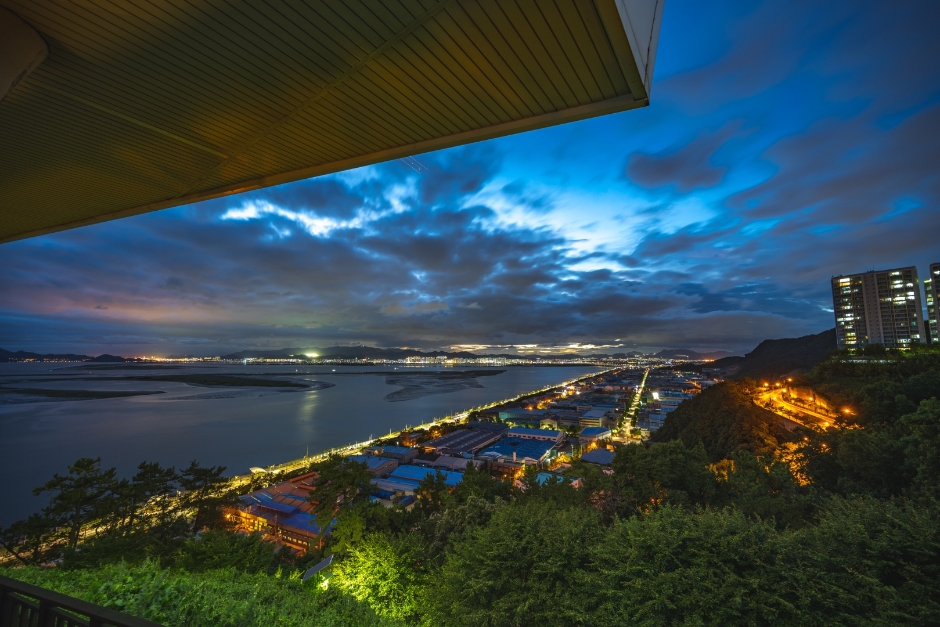
Nakdong River Estuary (Busan National Geopark)
낙동강하구 (부산 국가지질공원)
A natural-monument geosite in Saha-gu where sand and gravel barrier islands and broad tidal flats spread across the largest delta in Korea, running from the Eulsukdo eco-center through the estuary barrage, Jangrim and Hongti ports to the Amisan observatory and Dadaepo Beach.
Nature🔭Observation Deck
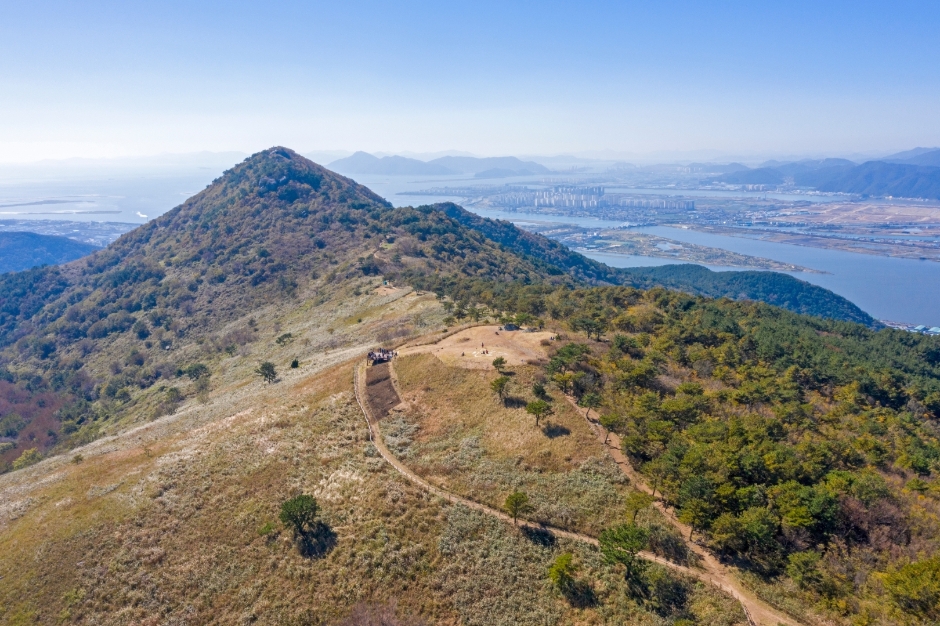
Seunghaksan Mountain
승학산
A mountain behind Dangni-dong dividing Saha-gu and Sasang-gu, named by the late-Goryeo monk Muhak for terrain said to resemble a soaring crane, famed for its autumn silver-grass fields plus cypress and cedar healing forests, observation decks and a ridge route overlooking the city.
Nature🔭Observation Deck🥾Hiking
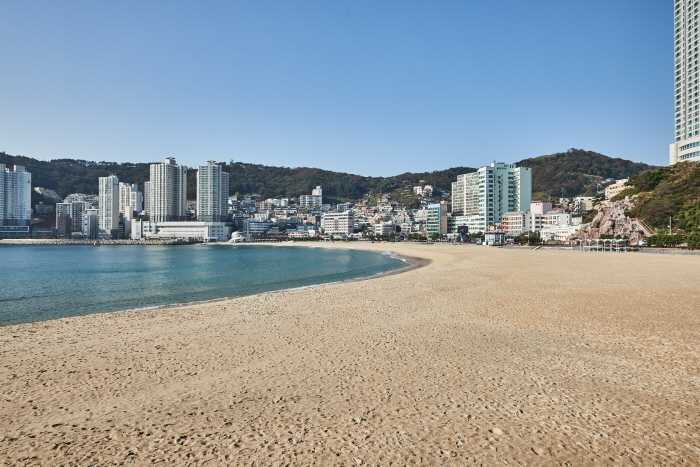
Songdo Beach
부산 송도해수욕장
Busan's first beach, opened in 1913 about 3km from Jagalchi Market and rebuilt into a seaside park through restoration from 2000, set against pristine forest, preserved rock formations and Yeongdo, with a skywalk, walking paths, a boat dock and links to Amnam and Dudo parks.
Nature🔭Observation Deck