Essentials
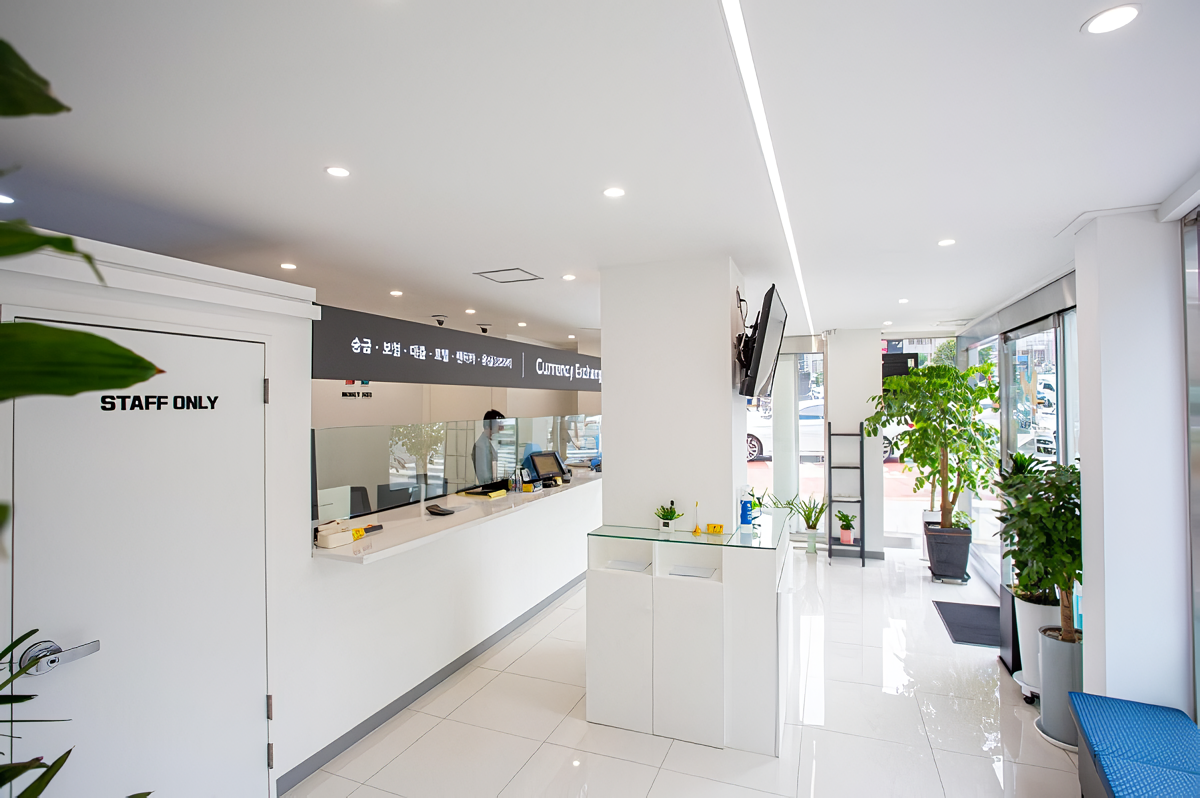
Money in Korea
Best exchange rates, ATMs & how to pay
Read guide →Korean cuisine (hansik) is built around balance — fermented sides (banchan), a steaming bowl of rice, and a main dish that changes with the season. Meals are served all at once rather than in courses, and sharing dishes at the table is the norm. The depth of flavor comes from slow-fermented pastes like doenjang (soybean) and gochujang (chili), which form the backbone of soups, stews, and marinades across the country.
Gangbuk-gu includes the scenic Bukhansan National Park foothills and is known for hiking culture and the restaurants that serve hikers before and after their climbs — hearty soups, makgeolli, and Korean pancakes have been the fuel of choice for generations of weekend walkers.
This long-established gamjatang restaurant opened in 1974. Its menu is unique. While regular gamjatang is standard, they also offer a unique siraegi gamjatang. They also offer mushroom gamjatang and kimchi gamjatang, but the siraegi gamjatang is my top recommendation. These days, places that serve siraegi gamjatang are disappearing. It's delicious, and everything about it is excellent.
One small order was more than enough for two men. I recommend adding sujebi (handmade noodles) to make the starch more abundant and eat it yourself. The kimchi was a bit disappointing.
Korean blogger posts. Links open original posts on Naver.